


Fitcart Sports News Blog.
Authored by S. Kannan (Sports Analyst) and Fitcart Editorial Team Ritu Makhija.
Lionel Messi, the boy from Rosario, Argentina, is now 39. Age has neither deterred him nor slowed him down. He no longer needs to run like a Ferrari every minute of the game, yet he continues to command an enormous presence on the football field through remarkable endurance, stamina and intelligence. You could compare his longevity to competing at Le Mans or finishing a marathon at the Olympic Games.
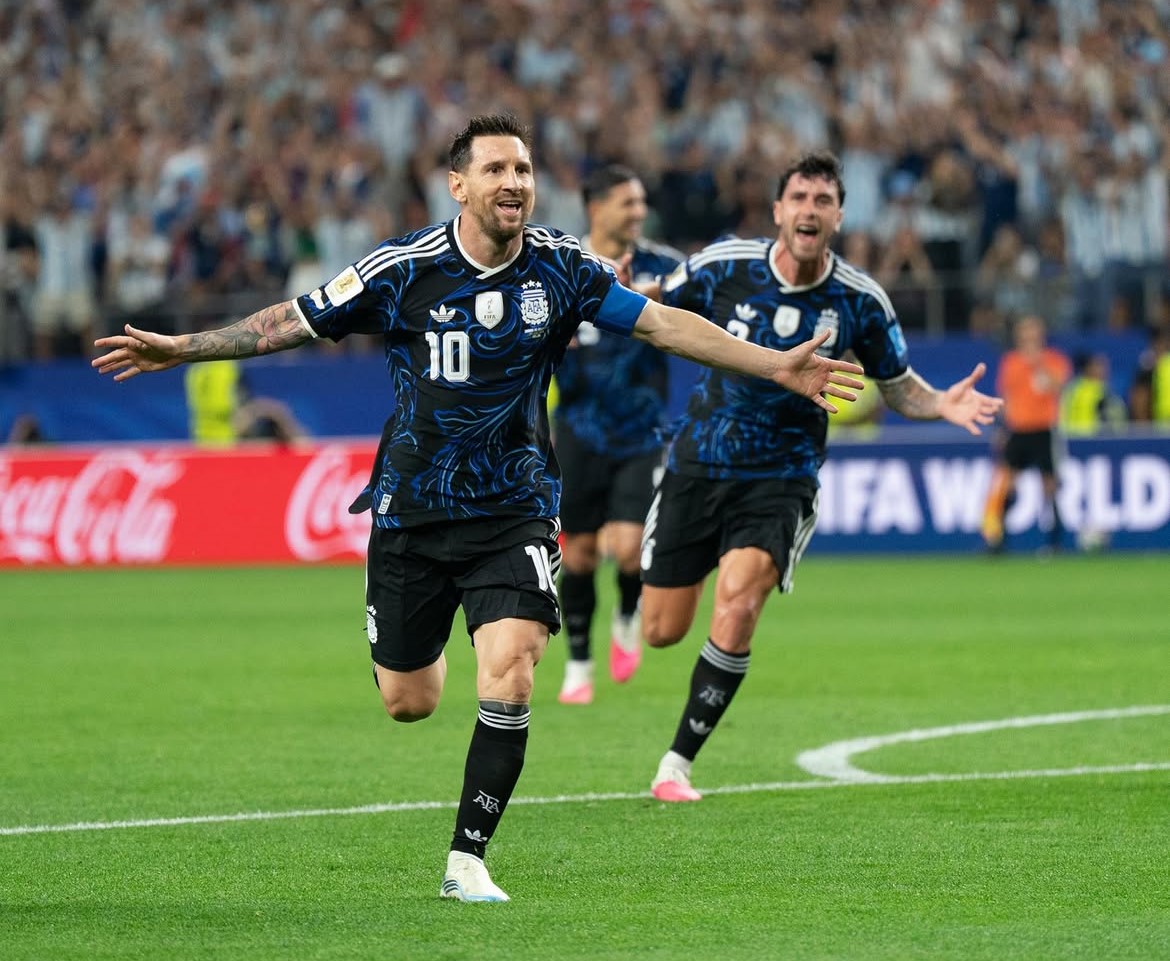
The diminutive football legend, affectionately known as “Leo” by millions of fans, once again demonstrated why he remains one of the greatest players in football. During the FIFA World Cup semi-final in Atlanta, Messi may not have found the back of the net, but he still dominated the match with his influence. He remained active throughout the full 90 minutes of regulation time, covering approximately five miles (8 km) while constantly passing, creating opportunities, sprinting and dribbling.
For supporters watching from the stands, it was another reminder of his extraordinary ability. How does Messi continue to perform at such an elite level despite approaching 40? The answer lies in years of scientific training, disciplined nutrition, intelligent recovery and unwavering commitment to fitness.
Messi faced significant challenges early in life. Standing just 5 feet 7 inches tall, he was diagnosed with Growth Hormone Deficiency (GHD). At the age of 11, he moved from Argentina to FC Barcelona, where the club supported his treatment with medically prescribed growth hormone therapy that enabled him to continue developing physically. That journey laid the foundation for one of football’s greatest careers.
To still be competing at the highest level, showing incredible composure, playing in a third World Cup final and appearing in six FIFA World Cups makes Messi truly remarkable. His success has always been built on legitimate, science-backed methods, beginning with proper nutrition.
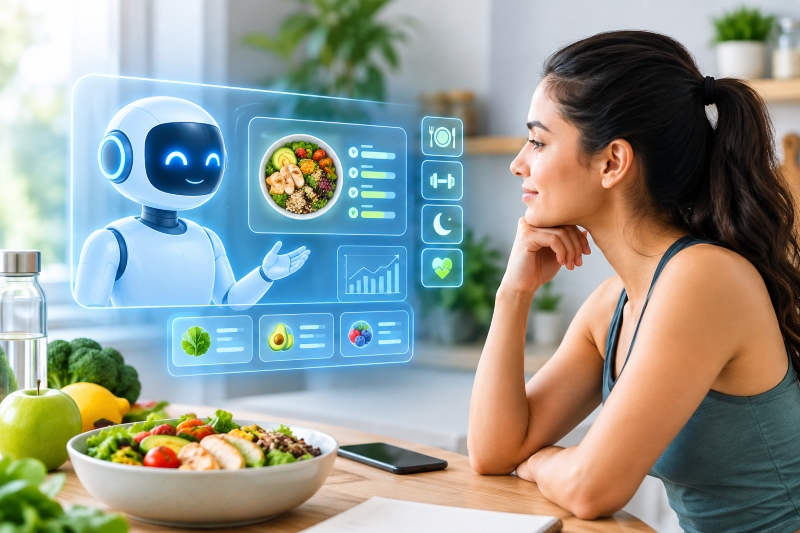
His daily diet includes carefully selected foods that provide sustained energy and recovery. Protein plays an important role in his nutrition strategy, particularly around training sessions and on match days, helping support muscle recovery and minimise muscle breakdown as he pushes his body to the limits of elite competition.
Of course, a balanced diet, protein and vitamin supplementation alone do not create a champion. Messi complements his nutrition with one of football’s most disciplined training programmes. His success is built on several pillars: exceptional skill, outstanding agility, optimal nutrition, excellent hydration and carefully planned strength and conditioning.
His workouts focus on explosive acceleration, linear speed and the ability to change direction effortlessly. Modern football demands constant movement in multiple directions, rapid transitions and quick reactions. These qualities are developed through years of structured training, something Messi has maintained consistently for more than two decades.
Like every elite athlete, Messi understands that ageing requires even greater attention to recovery and conditioning. His routine includes stretching to maintain flexibility, mobility exercises, squats, hurdle drills and short sprints that help preserve stride efficiency, balance and explosiveness. These training methods continue to keep him agile and effective on the football pitch.
The next time someone describes Lionel Messi simply as naturally gifted, remember there is far more behind the magic. His talent is supported by years of scientific training, disciplined nutrition, intelligent recovery and relentless dedication to his craft.
God’s gifted child has become football’s king.
Hail Messi.
Disclaimer
The information contained in this article is published solely for sports news, editorial, educational and informational purposes for football fans and the wider sporting community. The content is based on interviews, publicly available information and sources believed to be accurate at the time of publication.
This article is not intended to defame, target, harm, misrepresent or adversely affect any individual, organisation, governing body, club, institution or commercial entity. Any opinions or observations quoted from interviewees or third parties are their own and do not necessarily reflect the views of Fitcart.com.
Fitcart.com is committed to responsible, balanced, factual and ethical sports journalism. This content is intended to educate and inform readers about sport, athlete performance, fitness, nutrition, recovery and wellness. It should not be interpreted as medical, nutritional or professional advice. Readers should always consult appropriately qualified healthcare or sports nutrition professionals before making significant dietary or supplementation decisions.
Image credit to @leomessi on Instagram.
Follow us on X: https://x.com/fitcartofficial and Instagram: https://www.instagram.com/fitcartofficial/ for the latest updates, health insights, and exclusive content.
Follow Smart Nutrition India X: https://x.com/SmartNutrition1 and Instagram: https://www.instagram.com/smartnutritionindia/ for trusted sports nutrition, supplement education, wellness tips, and the latest news from the world of health and performance.
Fitcart believes in True Play and Clean Sport
#trustedbrandsbetterhealth