


Suggested reading time: 8-9 minutes.
Fitcart Healthy Eating Series.
Author: Ritu Makhija.
Co-Founder, Fitcart.com.
Head of Editorial Team, Fitcart Blog.
Do you really need supplements?
Walk into a health store or browse online and you will find products promising better energy, stronger immunity, improved digestion, faster fat loss, muscle growth, hormonal balance, and even healthy ageing.
But how many supplements do you actually need?
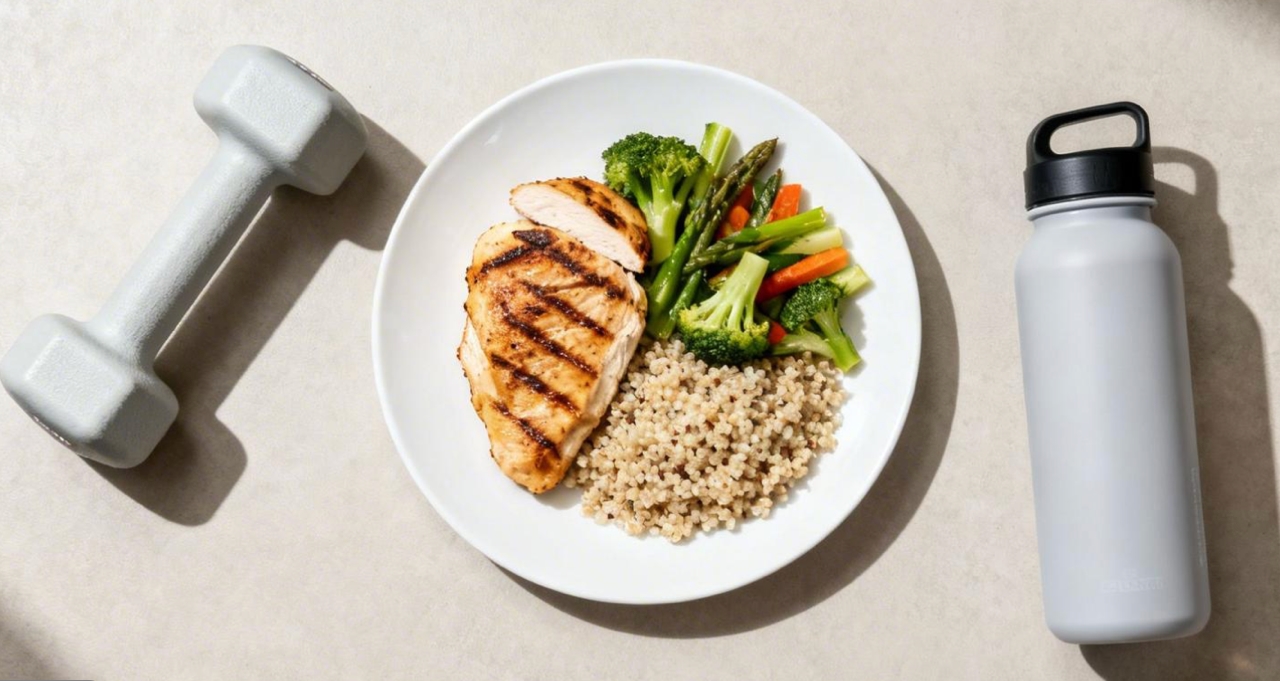
The answer for most people is simpler than the marketing suggests: start with food. A balanced diet provides a combination of protein, carbohydrates, fats, fibre, vitamins, minerals and naturally occurring plant compounds that work together to support health.
Supplements can be useful when there is a genuine nutritional gap, a diagnosed deficiency, a particular dietary restriction, a higher requirement or a specific performance-related need.
The important question is not simply what supplement to buy, but whether you need it in the first place.
1. Food provides more than individual nutrients
Whole foods contain combinations of nutrients and other compounds that are difficult to reproduce in a single supplement.
For example:
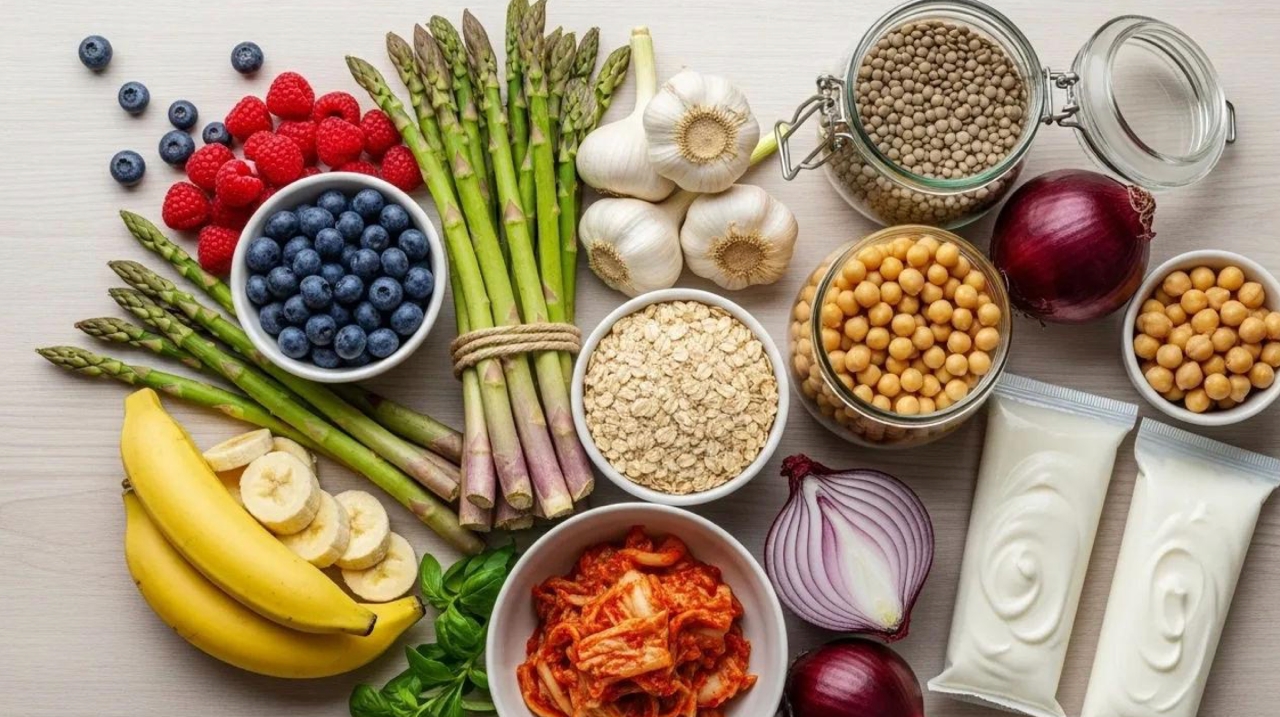
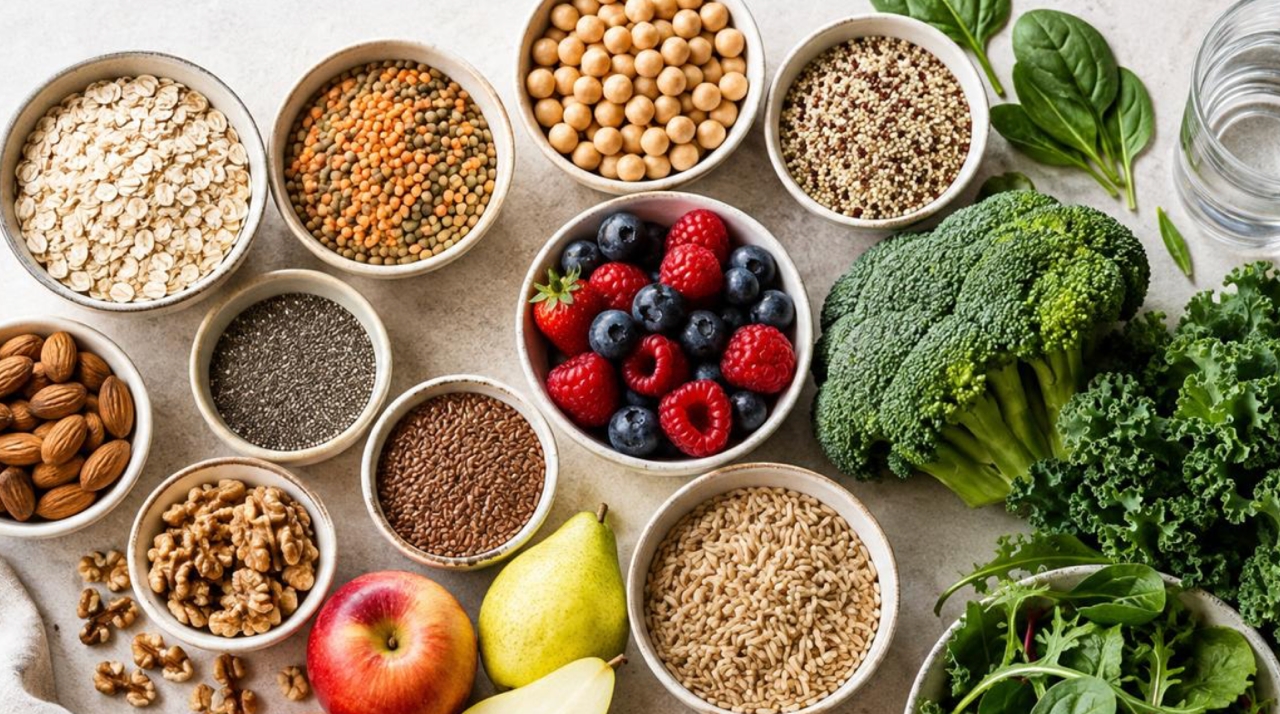
- Lentils provide protein, fibre, iron and other micronutrients.
- Eggs provide protein, vitamin B12 and several other nutrients.
- Fruit and vegetables provide fibre, vitamins, minerals and plant compounds.
- Nuts and seeds provide unsaturated fats, fibre, minerals and some protein.
- Dairy foods can provide protein, calcium and vitamin B12.
A supplement may provide a concentrated amount of one or more ingredients, but it does not replace the variety and overall nutritional value of a balanced diet.
2. When might a supplement actually be useful?
There are several situations where supplements can have a legitimate role.
A diagnosed nutrient deficiency: Iron, vitamin B12 and vitamin D deficiencies, for example, may require targeted supplementation under professional guidance.
Dietary restrictions: People following vegan or highly restricted diets may need particular nutrients, such as vitamin B12, depending on their food choices and overall intake.
Increased nutritional requirements: Pregnancy, certain stages of life, medical conditions and some training demands can change nutrient requirements.
Limited food intake: People with poor appetite, restrictive diets or difficulty meeting nutritional needs may benefit from targeted support.
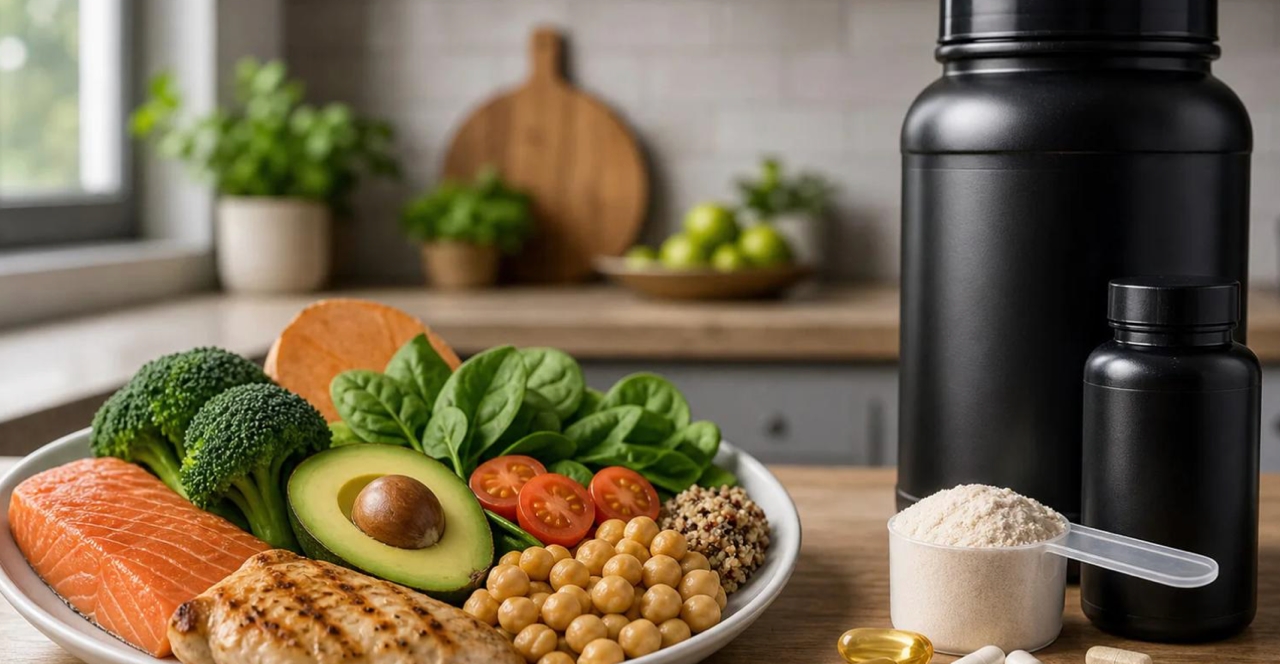
Specific sports nutrition goals: Protein powder, creatine monohydrate and certain other evidence-supported sports nutrition ingredients may help some people meet specific training or performance goals.
The decision should be based on a clear reason, not simply on the popularity of a product.
3. Common supplements: who might benefit?
Protein powder
Protein powders such as whey concentrate, whey isolate and plant-based blends can help people who struggle to obtain enough protein through meals.
They are particularly convenient for people with busy schedules, athletes and individuals with higher protein requirements.
However, protein powder is not essential if your meals already provide sufficient protein. It is a convenient food supplement, not a substitute for a varied diet.
Creatine monohydrate
Creatine is one of the most researched sports nutrition ingredients. It can support repeated high-intensity exercise and strength-training adaptations when combined with an appropriate training programme.
It may be useful for people undertaking resistance training or certain sports. It is not a fat burner, steroid or substitute for exercise.
Anyone with kidney disease or relevant medical concerns should seek professional advice before using creatine.
Vitamin D
Vitamin D is important for calcium absorption, bone health and normal muscle function.
Some people may be at risk of inadequate vitamin D because of limited sun exposure, dietary intake, absorption problems or other health factors.
Testing and professional advice can help determine whether supplementation is appropriate. More is not necessarily better: excessive vitamin D intake can be harmful.
Vitamin B12
Vitamin B12 is needed for normal nerve function and red blood cell formation.
People following vegan diets, those with certain absorption problems and some older adults may be at greater risk of inadequate B12.
A supplement may be appropriate where intake or absorption is insufficient.
Iron
Iron is required for haemoglobin production and oxygen transport.
Iron supplementation can be important when iron deficiency is established, but it should not be taken casually. Too much iron can cause harm, and symptoms such as fatigue may have several possible causes.
A healthcare professional can determine whether blood tests and treatment are needed.
Omega-3
Omega-3 fatty acids include EPA, DHA and ALA. Oily fish provides EPA and DHA, while flaxseed, chia and walnuts provide ALA.
People who rarely eat oily fish may consider whether an omega-3 supplement is appropriate. However, fish oil is not compulsory for everyone and is not a replacement for a balanced diet.
Fibre and probiotics
Fibre supplements may help some people who cannot meet their fibre needs through food or who have a specific reason to use them.
Probiotic products may be useful for certain indications, but benefits depend on the strain, dose and health condition being considered. A general probiotic supplement should not be assumed to improve every digestive complaint.
4. More supplements do not mean better health
One of the biggest misconceptions in wellness is that taking more supplements automatically improves health.
Combining multiple products can lead to excessive intake of certain vitamins and minerals, duplication of ingredients, unwanted interactions or unnecessary expense.
Be particularly careful with:
- High-dose fat-soluble vitamins such as A and D.
- Iron without an established need.
- Products combining multiple stimulants.
- Hormonal or testosterone-boosting claims.
- Proprietary blends that do not disclose meaningful ingredient quantities.
- Products promising rapid fat loss, detoxification or dramatic anti-ageing effects.
Natural does not automatically mean safe. Herbal ingredients can also interact with medication and may have side effects.
5. How to decide whether you need a supplement
Before purchasing a product, ask five questions:
- What specific nutritional or performance need am I trying to address?
- Can I reasonably meet this need through food?
- Is there evidence supporting this ingredient for my intended purpose?
- Is the dose appropriate, and could it interact with medication or a health condition?
- Can I verify the product’s quality, ingredients and batch information?
For suspected deficiencies, symptoms or medical concerns, seek professional assessment rather than self-diagnosing and selecting a supplement.
6. Quality and testing: why the label is not enough
Supplement quality is an important part of responsible purchasing.
A product label should clearly identify ingredients, quantities, serving instructions, warnings, manufacturer details and relevant batch information.
Where possible, look for appropriate independent quality testing or certification. Different programmes test for different things: some assess identity, purity, manufacturing or label accuracy, while sports certification programmes may include testing for substances prohibited in sport.
For athletes, it is particularly important to verify the exact product and batch in the relevant certifier’s database. A logo on a label alone is not sufficient proof that a specific batch is certified.
No testing or certification programme can guarantee zero risk or prove that a product is suitable for every person.
7. The Fitcart approach: trusted products, informed choices
At Fitcart, we believe supplements should be chosen with the same care as food.
Our approach is centred on:
- Science and evidence-based formulations.
- Transparent ingredient lists and quantities.
- Responsible product information.
- Appropriate batch testing and independent certification where available.
- Education that helps consumers understand both the benefits and limitations of supplements.
Fitcart’s Check My Supplement resource allows consumers to search using a UPC, batch number or brand name: https://www.fitcart.com/check-my-supplement
For sports nutrition, athletes should pay particular attention to relevant independent programmes such as Informed Sport, NSF Certified for Sport, HASTA and BSCG, as applicable to the product and batch. Certification scope matters, and a certification logo should always be verified.
We believe the best supplement is not necessarily the one with the longest ingredient list or the biggest marketing promise. It is the one that addresses a genuine need, has an appropriate evidence base and comes from a product with transparent quality information.
8. Build your foundation before your supplement routine
Before adding more products to your cupboard, focus on the basics:
- Eat a varied diet with adequate protein.
- Include vegetables, fruit, pulses and whole grains.
- Drink sufficient fluids.
- Exercise regularly, including resistance training.
- Prioritise sleep and recovery.
- Seek medical advice when symptoms or suspected deficiencies arise.
These habits provide the foundation on which any appropriate supplement may build.
Final Takeaway
Supplements can be useful, but they are not compulsory for everyone. Food should remain the foundation of good nutrition, while supplements should fill a specific gap or support a clearly defined need.
At Fitcart, our philosophy is simple: informed choices, transparent ingredients, responsible quality checks and science-led nutrition.
Food first. Evidence always. Supplements when they make sense.
Health and supplement disclaimer
This article is for general educational purposes only and does not constitute medical advice or a recommendation to diagnose or treat a nutrient deficiency. Supplement requirements vary by individual, diet, health status, age, medication and activity level. Supplements can cause side effects and interact with medicines. Consult a qualified healthcare professional before starting, stopping or combining supplements. Athletes should independently verify the applicable certification and batch details and understand that third-party testing reduces certain risks but cannot eliminate all risk.
Follow us on X: https://x.com/fitcartofficial and Instagram: https://www.instagram.com/fitcartofficial/ for the latest updates, health insights, and exclusive content.
Follow Smart Nutrition India X: https://x.com/SmartNutrition1 and Instagram: https://www.instagram.com/smartnutritionindia/ for trusted sports nutrition, supplement education, wellness tips, and the latest news from the world of health and performance.
Fitcart believes in True Play and Clean Sport
#trustedbrandsbetterhealth