


Reading time: 7–8 minutes.
Fitcart Healthy Eating Series.
Author: Ritu Makhija.
Co-Founder, Fitcart.com.
Head of Editorial Team, Fitcart Blog.
Why fibre deserves more attention
When people think about improving their diet, they often focus on protein, calories, carbohydrates, or fat. Yet one of the most important components of a healthy eating pattern is frequently overlooked: dietary fibre.
Fiber is naturally found in plant foods and plays an important role in digestion, bowel regularity, satiety, and the health of the gut microbiome. Certain types of fiber can also help support healthy cholesterol and blood glucose levels.
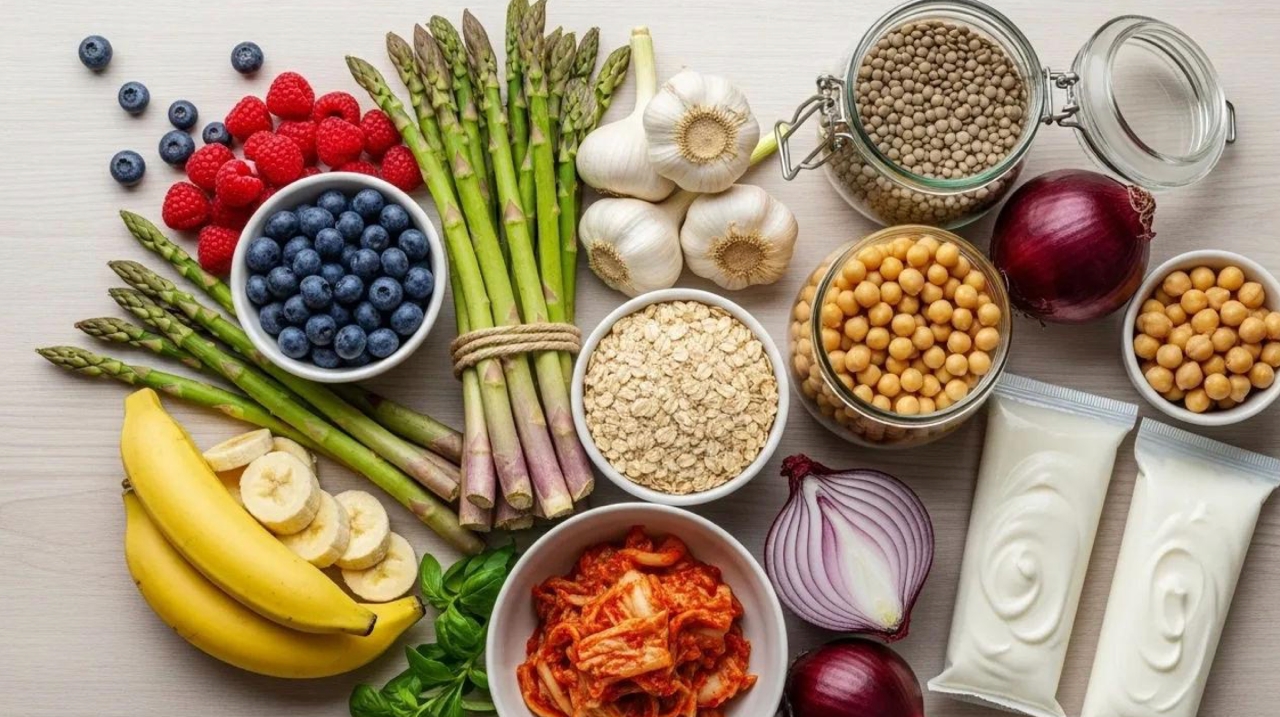
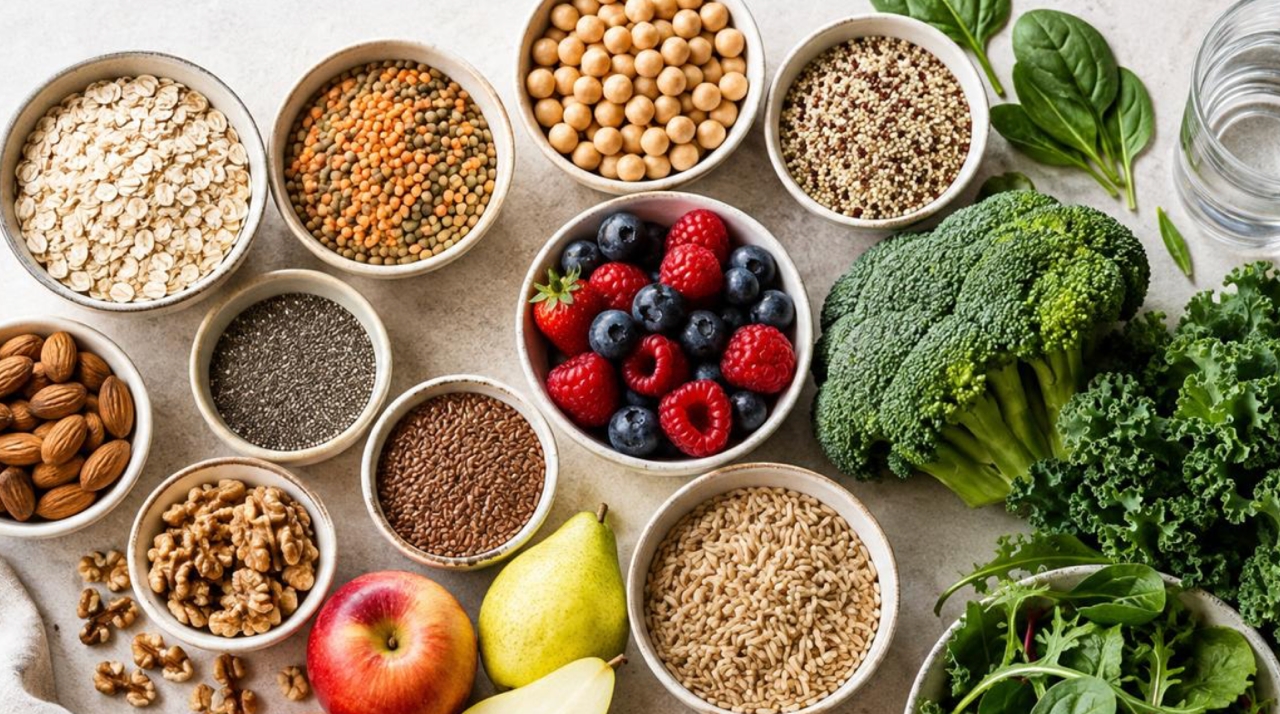
For many people, improving fibre intake is not about buying an expensive supplement. It starts with eating more vegetables, fruit, pulses, whole grains, nuts and seeds.
What is dietary fibre?
Dietary fibre is the part of plant foods that is not fully digested and absorbed in the small intestine. Different fibres behave differently in the digestive system.
Soluble fibre dissolves or forms a gel in water. It is found in oats, barley, beans, lentils, apples, citrus fruits and some seeds. Certain soluble fibres can help slow digestion and the absorption of nutrients, support blood glucose control and help lower LDL cholesterol.
Insoluble fibre adds bulk to stool and helps food move through the digestive tract. Whole grains, wheat bran, vegetables, nuts and fruit skins are useful sources.
Many plant foods contain a mixture of both. Rather than concentrating on one type, aim for variety.
Fibre and your gut microbiome
Your large intestine is home to trillions of microorganisms, collectively known as the gut microbiome. Some types of dietary fibre are fermented by gut bacteria.
This fermentation produces short-chain fatty acids, including butyrate, which help nourish cells lining the colon and are involved in several aspects of gut function.
Different microbes use different fibres. This is one reason why eating a wide variety of plant foods is a sensible strategy. No single food or powder can provide the diversity of fibres found in a varied diet.
Fibre, fullness and metabolic health
High-fibre foods often take longer to chew and digest, and can help meals feel more satisfying. Some fibres slow the rate at which food leaves the stomach or is absorbed.
A fibre-rich eating pattern can support:
- Regular bowel movements and digestive health.
- Greater fullness between meals.
- Healthy blood cholesterol levels, depending on the type of fibre.
- Better post-meal blood glucose responses.
- A diverse gut microbiome.
Fibre is not a treatment for diabetes, high cholesterol or digestive disease, but it can be an important part of an overall healthy eating pattern.
Indian foods that make it easier to eat more fibre
You do not need to rely on imported foods or specialist products. Many familiar Indian foods are naturally rich in fibre.
Pulses and legumes: chana, rajma, lobia, moong, masoor, toor dal and other beans.
Vegetables: bhindi, carrots, broccoli, green peas, spinach, cabbage, cauliflower, gourds and other seasonal vegetables.
Fruits: guava, pear, apple with skin, oranges, berries, papaya and other whole fruits.
Whole grains: oats, barley, whole-wheat atta, millets, brown rice and other minimally refined grains.
Nuts and seeds: almonds, walnuts, chia seeds, flaxseeds and pumpkin seeds.
A practical approach is to include a pulse or bean dish regularly, add vegetables to lunch and dinner, choose whole fruit instead of juice, and replace some refined grains with whole grains.
How much fibre do you need?
A useful general target for many adults is around 25–30 g of fibre a day, although individual needs vary with age, energy intake and health circumstances. Some national guidelines recommend approximately 30 g daily for adults.
If your current diet is low in fibre, do not try to reach the target overnight. Increase intake gradually and drink enough fluids. A sudden increase can cause bloating, wind or abdominal discomfort.
People with certain bowel conditions, strictures, active inflammatory bowel disease or specific medical instructions may need an individually adjusted fibre intake. Seek professional advice if you have persistent digestive symptoms.
A simple high-fibre day
Breakfast: Oats with chia seeds, fruit and yoghurt.
Lunch: Whole-wheat roti, mixed vegetable sabzi, dal and salad.
Snack: Guava, pear or an apple with a small handful of nuts.
Dinner: Rajma or chana with vegetables and a whole grain of your choice.
The exact fibre content depends on portion sizes and ingredients, but this pattern provides several different fibre sources throughout the day.
Do you need a fibre supplement?
Most people should try to improve fibre intake through food first. If this is difficult, a fibre supplement such as psyllium may be useful for some people, particularly when advised for a specific reason.
Fibre supplements are not interchangeable. Different ingredients have different properties and tolerability. They should be introduced with adequate fluid and used according to product directions and professional advice. Fibre can also affect the absorption of some medicines, so ask a pharmacist or clinician about timing if you take regular medication.
The Fitcart perspective: start with food, understand the evidence
At Fitcart, we believe nutrition should begin with a balanced diet built around whole foods. Supplements may have a role when there is a clear dietary or clinical reason, but they should not replace vegetables, fruits, pulses and whole grains.
When considering a fibre product, look beyond the front-of-pack claims. Check the actual fibre amount per serving, the source of fibre, additional ingredients, directions for use and suitability for your needs.
A healthy gut is supported by consistent eating habits, dietary variety, movement, sleep and appropriate medical care—not by one miracle ingredient.
Final Takeaway
Fibre may not receive the attention that protein does, but it deserves a regular place in your diet. A varied intake of vegetables, fruit, pulses, whole grains, nuts and seeds is a practical way to support digestive health, fullness and long-term wellbeing.
Fitcart Healthy Eating Series: Continue with Prebiotics vs Probiotics: Understanding What Your Gut Needs.
Health and nutrition disclaimer
This article is for general educational purposes only and is not intended to diagnose, treat, cure, or prevent any disease. Individual fibre requirements and tolerance vary. Increase fibre gradually and maintain adequate fluid intake. People with digestive disorders, swallowing difficulties, bowel narrowing or other medical conditions should seek advice from a qualified healthcare professional before making significant dietary changes or using fibre supplements.
Follow us on X: https://x.com/fitcartofficial and Instagram: https://www.instagram.com/fitcartofficial/ for the latest updates, health insights, and exclusive content.
Follow Smart Nutrition India X: https://x.com/SmartNutrition1 and Instagram: https://www.instagram.com/smartnutritionindia/ for trusted sports nutrition, supplement education, wellness tips, and the latest news from the world of health and performance.
Fitcart believes in True Play and Clean Sport
#trustedbrandsbetterhealth