



Suggested reading time: 8-9 minutes.
Fitcart Healthy Eating Series.
Author: Ritu Makhija.
Co-Founder, Fitcart.com.
Head of Editorial Team, Fitcart Blog.
Why nutrition deserves a fresh look after 40
Your nutritional needs do not suddenly change on your 40th birthday. However, the years around perimenopause, menopause and later life can bring changes in hormones, muscle, bone health, sleep, appetite and body composition.
Some women notice changes in waist measurements, recovery, energy or strength. Others experience few obvious changes. There is no single menopause experience, and not every change in weight or energy is caused by hormones.
The good news is that nutrition and exercise habits can make a meaningful contribution to strength, metabolic health, bone health and healthy ageing.
1. Make protein a priority
Muscle is important for strength, mobility, balance and everyday independence. Ageing is associated with gradual changes in muscle mass and function, and hormonal changes around menopause may contribute to changes in body composition.
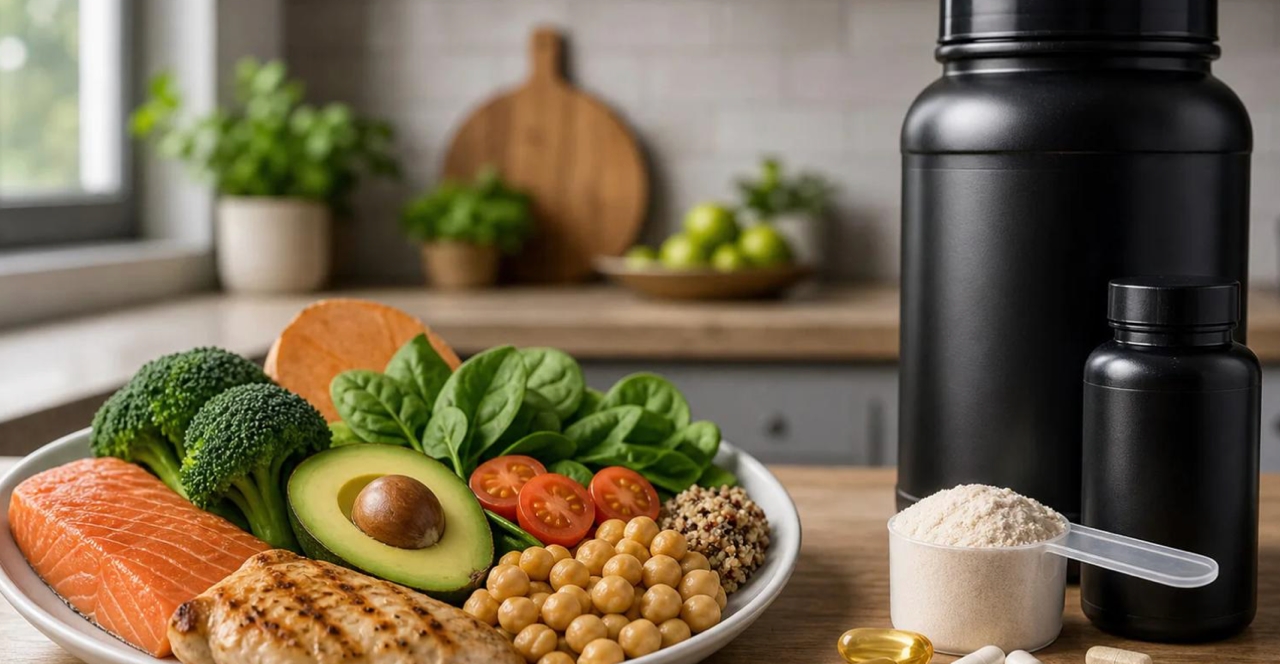
Protein provides the amino acids needed to maintain and repair muscle tissue. Include a good protein source at each main meal.
Options include:
- Eggs, fish, chicken and lean meat.
- Paneer, tofu, milk, curd and Greek yoghurt.
- Lentils, chickpeas, rajma, beans and soya.
- Nuts and seeds as additional sources.
For women who exercise regularly, protein needs may be higher than the minimum requirement for sedentary adults. The right amount depends on body weight, activity, health and overall diet. Our Fitcart article How Much Protein Do You Really Need? explains how to estimate daily needs.
2. Combine protein with strength training
Protein alone cannot replace the stimulus provided by exercise.
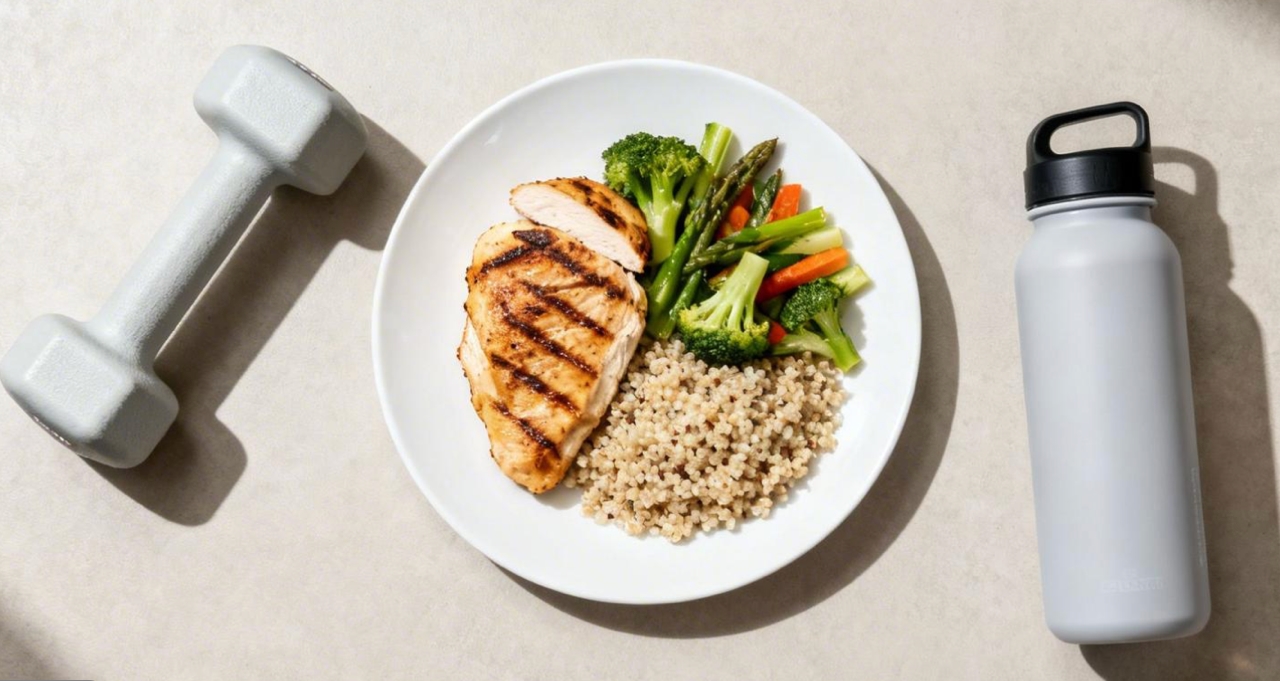
Progressive resistance training helps maintain muscle strength and function. This can include weights, resistance bands, machines or body-weight exercises.
Aim to include strength work regularly, alongside walking and other activities that support cardiovascular fitness, balance and mobility. Start at an appropriate level and increase gradually.
If you are new to strength training, have joint problems or have other health concerns, seek guidance from a qualified exercise professional or clinician.
3. Pay attention to bone health
Bone health becomes increasingly important through midlife and beyond. The decline in oestrogen around menopause is associated with accelerated bone loss in many women, increasing the importance of appropriate nutrition and physical activity.
Key nutrients include:
Calcium: Found in milk, yoghurt, paneer, calcium-set tofu, some leafy greens and fortified foods. Check labels because calcium content varies.
Vitamin D: Supports calcium absorption and bone health. Sources include sunlight exposure, oily fish, egg yolks and fortified foods, but diet and sunlight may not provide enough for everyone.
Some women may need a vitamin D assessment or supplementation based on their health, risk factors and clinician’s advice.
Weight-bearing exercise and resistance training also contribute to bone and muscle health. Women with osteoporosis or a history of fractures should obtain individual advice about safe exercise.
4. Include iron-rich foods
Women who continue to menstruate may have ongoing iron losses. Perimenopause can also involve changes in bleeding patterns.
Useful sources include meat, fish, eggs, lentils, beans, chickpeas, tofu, spinach and iron-fortified foods.
Plant sources of iron are better absorbed when eaten with vitamin C-rich foods such as citrus fruit, guava, tomatoes or capsicum.
Persistent fatigue, breathlessness, unusual weakness or heavy menstrual bleeding should not automatically be attributed to ageing. A healthcare professional can assess whether tests such as a complete blood count or ferritin are appropriate.
Iron supplements should not be taken routinely without a reason, because excess iron can be harmful.
5. Eat enough fibre for gut and metabolic health
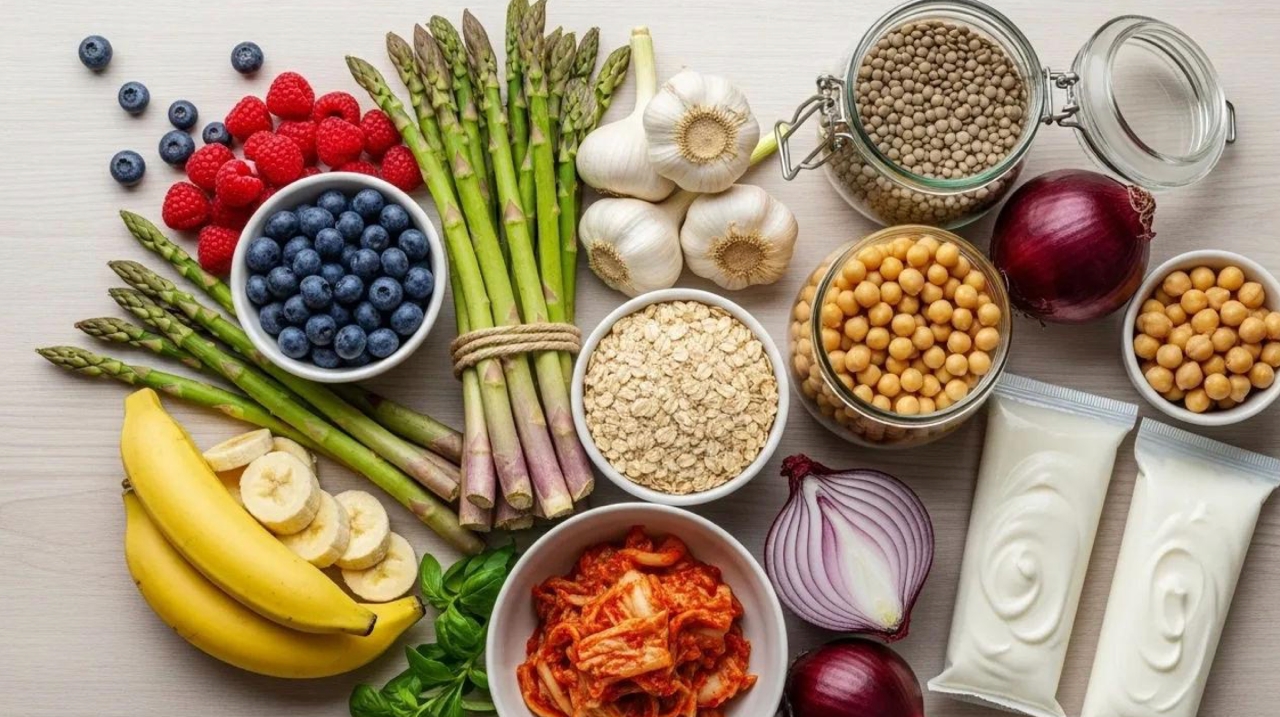
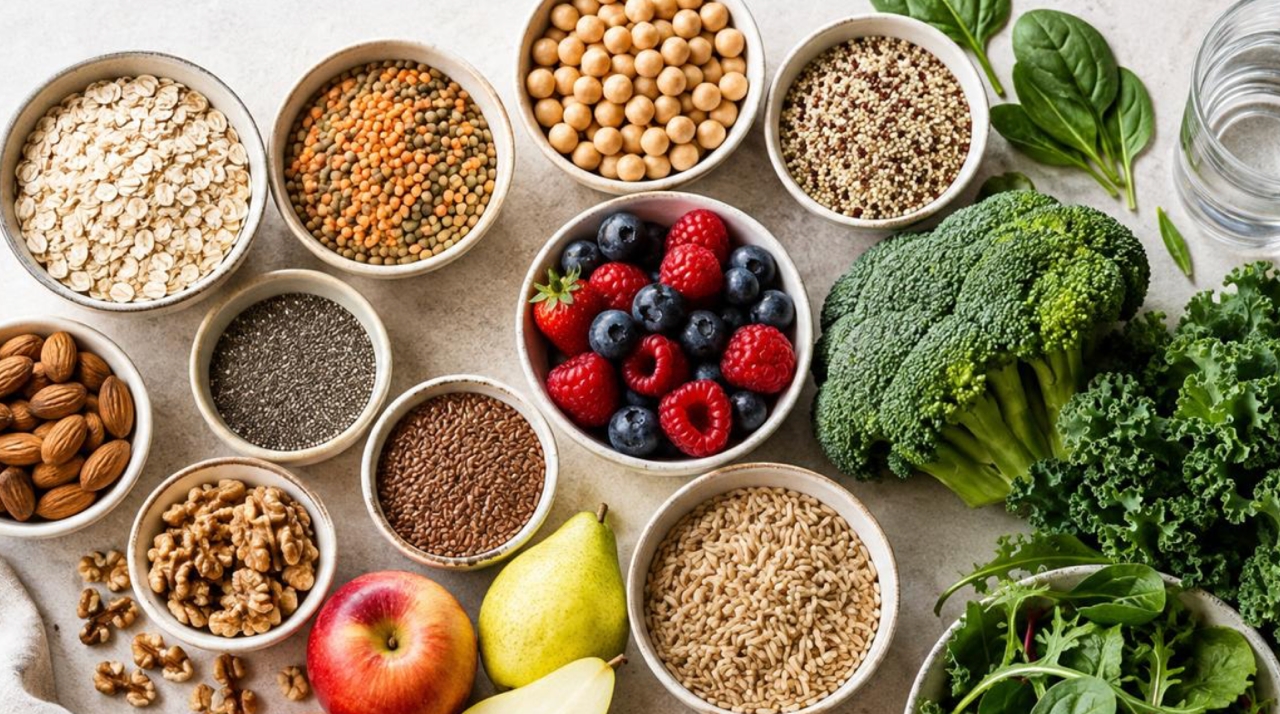
Fibre-rich foods support digestion, bowel regularity and fullness. Include vegetables, whole fruit, beans, lentils, oats, whole grains, nuts and seeds.
A varied plant-rich diet also provides vitamins, minerals and compounds that contribute to overall nutritional quality.
Increase fibre gradually, particularly if you are not used to eating pulses or whole grains regularly.
6. Choose healthy fats
Unsaturated fats from nuts, seeds, olive oil and other vegetable oils, as well as oily fish, can form part of a balanced eating pattern.
Omega-3 fats are found in oily fish and certain plant foods such as flaxseed, chia and walnuts. Plant omega-3 (ALA) is not identical to the EPA and DHA found in fish and some algae-based products.
Fish oil is not essential for everyone. Whether a supplement is appropriate depends on dietary intake, health circumstances and professional advice.
7. Do not fear carbohydrates
Carbohydrates provide energy for the brain, muscles and daily activity. Choose a variety of minimally processed options such as oats, millets, whole grains, fruit, vegetables and pulses.
There is no need for every woman over 40 to follow a low-carbohydrate or ketogenic diet. Food quality, portion size, overall energy intake and individual health needs matter more than following a trend.
8. Understand changes in weight and body composition
Some women notice increased abdominal fat or changes in body composition during the menopause transition. Ageing, changes in activity, sleep, stress, muscle mass, diet and hormonal changes can all contribute.
There is no single food or supplement that can prevent menopause-related weight changes.
Focus on regular meals, adequate protein, vegetables, fibre, appropriate portions and consistent strength training. Avoid extreme dieting, which can make it harder to meet nutritional needs and maintain muscle.
9. Sleep, hydration and recovery are part of nutrition
Hot flushes, night sweats, stress and changes in sleep can affect appetite, activity and recovery for some women.
Maintain regular sleep and wake times where possible, stay hydrated and build manageable movement into your day. If sleep disturbance or menopausal symptoms are affecting daily life, discuss evidence-based treatment options with a healthcare professional.
10. What about supplements after 40?
There is no universal supplement stack for women over 40.
Depending on diet, symptoms, medical history and test results, a clinician may consider:
- Vitamin D where intake or status is inadequate.
- Calcium if dietary intake is insufficient.
- Vitamin B12 for people at risk of low intake or absorption.
- Iron when deficiency is established.
- Omega-3 where dietary intake is low and supplementation is appropriate.
Protein powders can help fill a protein gap when food intake is insufficient, but they are not compulsory. Creatine is being studied for potential benefits in strength and muscle when combined with resistance training, but it is not a menopause treatment and is not necessary for every woman.
Avoid taking multiple supplements simply because they are marketed for hormonal balance, metabolism, anti-ageing or menopause. Check for interactions and suitability, especially if taking medication or managing a health condition.
The Fitcart perspective: support strength at every stage of life
Fitcart believes that nutrition for women should be evidence-led, practical and free from exaggerated claims. The most important foundations are adequate protein, a varied diet, sufficient calcium and vitamin D, regular strength training, sleep and appropriate healthcare.
When considering supplements, look for transparent ingredient lists, meaningful quantities, responsible claims and appropriate quality testing. A certification or quality mark should be verified and understood; it does not mean a product is suitable for every individual.
Final Takeaway
Your 40s and beyond can be an opportunity to build habits that support strength, mobility and long-term health. Prioritise protein, fibre, calcium-rich foods, appropriate vitamin D, resistance training and recovery.
Healthy ageing is not about chasing a younger body. It is about maintaining the strength, energy and confidence to live well at every stage.
Fitcart Healthy Eating Series: Continue with Food First: When Do You Actually Need Supplements?
Health and nutrition disclaimer
This article is for general educational purposes only and is not a substitute for medical advice, diagnosis or treatment. Menopause experiences and nutritional needs vary. Supplement decisions should take account of diet, medical history, medication, laboratory findings and individual risk factors. Do not begin iron, high-dose vitamin D, calcium or other supplements without appropriate guidance. Seek medical advice for persistent fatigue, heavy bleeding, unexplained weight change, bone pain or other concerning symptoms.
Follow us on X: https://x.com/fitcartofficial and Instagram: https://www.instagram.com/fitcartofficial/ for the latest updates, health insights, and exclusive content.
Follow Smart Nutrition India X: https://x.com/SmartNutrition1 and Instagram: https://www.instagram.com/smartnutritionindia/ for trusted sports nutrition, supplement education, wellness tips, and the latest news from the world of health and performance.
Fitcart believes in True Play and Clean Sport
#trustedbrandsbetterhealth