


Fitcart Editorial Team Ritu Makhija.
Estimated time: 7 minutes.
What if a mineral commonly associated with immunity, hormones, and metabolism could also play a role in weight management?
Zinc is an essential mineral involved in hundreds of biological processes, including immune function, protein synthesis, DNA metabolism and normal cellular function.
But researchers have also been investigating an intriguing question:
Could zinc supplementation help people lose weight?
A clinical trial involving adults with obesity found that taking 30 mg of zinc sulfate daily was associated with greater reductions in body weight, BMI, waist circumference and hip circumference compared with placebo.
There is, however, an important detail that should not be missed.
Both groups were following a calorie-restricted diet.
So while the study provides interesting evidence that zinc may enhance weight-management efforts in some people, it does not prove that taking zinc allows someone to lose body fat without creating an energy deficit.
The 30 mg Zinc study
The study was a randomized, double-blind clinical trial involving 40 adults with obesity.
Participants were randomly assigned to receive either:
- 30 mg/day zinc sulfate, or
- A placebo for 15 weeks.
Both groups were also given a restricted-calorie diet providing approximately 300 kcal less than their estimated energy requirements. Their usual physical activity levels were maintained.
The results were interesting.
Both groups lost weight, but the zinc group experienced greater reductions in several measurements, including body weight, BMI, waist circumference and hip circumference.
The zinc group also showed improvements in some metabolic and inflammatory markers, including high-sensitivity C-reactive protein and HOMA-IR, a measure used to estimate insulin resistance. Appetite scores were also lower in the zinc group.
So does Zinc burn fat?
This is where nutrition headlines can sometimes run ahead of the evidence.
The study does not demonstrate that zinc is a fat-burning supplement.
Participants were already following a calorie-restricted diet, meaning they were consuming fewer calories than their estimated energy requirements.
Zinc was investigated as an addition to the diet, not as a replacement for calorie control.
Therefore, a more scientifically accurate headline would be:
“Could Zinc Enhance Weight Loss When Added to a Weight-Management Diet?”
rather than:
“Take Zinc and Lose Weight Without Cutting Calories.”
Why might zinc be connected with weight management?
Researchers are interested in zinc because it participates in numerous metabolic processes.
Zinc is involved in:
- Normal carbohydrate metabolism
- Protein synthesis
- Cellular metabolism
- Insulin production and function
- Normal immune function
- Antioxidant defence
- DNA synthesis
- Cell division
Researchers have also investigated relationships between zinc status, appetite regulation, inflammation and insulin sensitivity.
The 30 mg/day clinical trial reported reductions in appetite scores and improvements in insulin-resistance markers in the zinc group.
This raises the possibility that adequate zinc status may be relevant to healthy metabolic function.
But that is different from saying that increasing zinc intake indefinitely will accelerate fat loss.
What does the wider research say?
The evidence becomes more nuanced when we look beyond one study.
A systematic review and dose-response meta-analysis examined 27 randomized controlled trials involving 1,438 participants.
Overall, zinc supplementation did not produce significant changes in anthropometric measures.
However, subgroup analysis found a small reduction in body weight among overweight or obese participants who were otherwise healthy. The researchers also noted that more high-quality studies were required before definitive conclusions could be reached.
That is important.
One clinical trial can generate an interesting hypothesis.
Multiple studies help determine whether that effect is consistent.
At present, the evidence suggests that zinc may have a modest role in weight management in some populations, but zinc should not be considered a proven weight-loss supplement.
Zinc and appetite
The appetite finding from the 30 mg study is particularly interesting.
The zinc group reported lower appetite scores than the placebo group after the intervention.
Appetite is obviously important when trying to maintain a healthy body weight.
If someone feels less hungry, sticking to a structured nutrition programme may become easier.
However, researchers need more evidence to determine exactly how zinc might influence appetite and whether this effect is clinically meaningful across different populations.
What about insulin sensitivity?
Zinc also has an interesting relationship with insulin biology.
The clinical trial reported a reduction in HOMA-IR in the zinc group compared with placebo.
Other clinical research has also investigated 30 mg zinc supplementation in overweight or obese people with non-alcoholic fatty liver disease, with some studies reporting improvements in insulin-resistance and oxidative-stress measures.
Again, these findings are encouraging but do not establish zinc as a treatment for obesity, insulin resistance or fatty liver disease.
Zinc deficiency is a different story
One of the most important distinctions in supplementation is the difference between:
Correcting a deficiency
and
Taking extra amounts in the hope of getting an additional benefit.
Zinc is essential. If someone has inadequate zinc intake or deficiency, correcting that deficiency is important for normal health.
But someone who already consumes adequate zinc does not necessarily gain additional benefits by taking increasingly high doses.
More isn’t automatically better.
Can you get enough zinc from food?
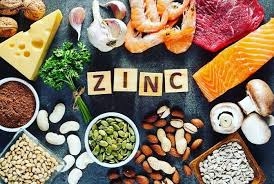
Absolutely. Zinc is naturally found in foods including:
- Oysters and shellfish
- Red meat
- Chicken
- Eggs
- Dairy products
- Fish
- Beans
- Lentils
- Nuts
- Seeds
- Whole grains
Animal foods generally provide highly bioavailable zinc, while plant sources can contain compounds such as phytates that reduce zinc absorption.
A balanced diet can therefore provide substantial amounts of zinc.
What about 30 mg of zinc every day?
This deserves particular attention. The clinical trial used 30 mg/day of zinc sulfate for 15 weeks.
That does not mean everyone should automatically take 30 mg of zinc every day.
The appropriate amount depends on dietary intake, age, sex, health status, and individual circumstances.
Long-term excessive zinc intake can also create problems, including interference with copper absorption.
For this reason, people should not treat the 30 mg dose used in a research study as a universal recommendation.
And importantly, check whether a product label refers to elemental zinc or the total weight of a zinc compound. These are not necessarily the same thing.
Zinc isn’t a substitute for a calorie deficit
This is the biggest Fitcart takeaway.
Body-fat reduction fundamentally requires the body to use more energy than it receives over time. Zinc does not overturn energy balance.
The interesting possibility is that adequate zinc status may support metabolic health and, in some circumstances, potentially enhance the results of a structured weight-management programme.
Think of zinc as a supporting player—not the star of the show.
A better Fitcart weight-loss strategy
Instead of searching for one supplement that promises effortless fat loss, combine several evidence-based fundamentals:
1. Prioritise protein
Adequate protein supports muscle maintenance during weight loss and helps with satiety.
2. Strength train
Resistance training can help preserve lean muscle while reducing body fat.
3. Move every day
Walking, cycling, sport and other forms of activity increase energy expenditure and support cardiovascular health.
4. Eat nutrient-dense foods
Build meals around vegetables, fruits, lean proteins, whole grains, legumes, nuts and healthy fats.
5. Don’t ignore sleep
Poor sleep can make appetite regulation and adherence to healthy eating more difficult.
6. Check nutritional adequacy
Micronutrients such as zinc, magnesium, iron and vitamin D have important roles in health, but supplementation should be based on dietary needs and, where appropriate, professional assessment.
Could zinc be the missing piece?
For someone who is deficient in zinc, correcting that deficiency could certainly be important for normal health.
For someone who already has adequate zinc status, however, the evidence does not justify calling zinc a miracle fat burner.
The most interesting interpretation of the research is that zinc may potentially support certain aspects of weight management when used alongside a structured diet and healthy lifestyle.
The 30 mg zinc sulfate study is particularly noteworthy because the zinc group lost more weight and experienced greater reductions in waist and hip circumference than placebo—but both groups were following a calorie-restricted diet.
The Fitcart takeaway
Zinc is far more interesting than simply being an “immunity mineral.”
It plays important roles in metabolism, insulin biology, cellular function and overall health, and research has begun exploring whether zinc status and supplementation may influence body weight and metabolic health.
A 15-week randomized trial found that 30 mg/day of zinc sulfate enhanced reductions in weight, BMI, waist circumference and hip circumference compared with placebo—but only in the context of a calorie-restricted diet.
The wider evidence is promising but mixed, with a meta-analysis finding no significant overall effect on anthropometric measures while identifying a small weight reduction in some overweight/obese subgroups.
So don’t throw away your calorie-conscious meal plan just yet.
Zinc may be a useful piece of the weight-management puzzle—but it isn’t a shortcut around energy balance.
The winning formula remains:
Good nutrition + adequate protein + resistance training + daily movement + sleep + recovery + appropriate supplementation.
Fitcart Supplement & Health Disclaimer
This article is for educational and informational purposes only and is not intended to diagnose, treat, cure, or prevent any disease or medical condition.
The research discussed does not establish zinc as a standalone weight-loss treatment, and the 30 mg zinc sulfate study described above included a calorie-restricted diet. Results from clinical trials cannot necessarily be generalised to everyone.
Do not take high-dose zinc supplements simply for weight loss without considering your total dietary zinc intake and individual needs. Excessive or prolonged zinc intake can interfere with copper status and may cause adverse effects.
Consult a qualified healthcare professional or registered dietitian before starting zinc supplementation, particularly if you take medications, have an existing medical condition, are pregnant or breastfeeding, or are considering long-term supplementation.
Fitcart recommends choosing supplements that are appropriately batch-tested and verified for their contents and checking where the raw materials are produced and where the finished product is manufactured and packaged. Supplements should complement—not replace—a balanced diet, appropriate exercise and professional health advice.
Follow us on X: https://x.com/fitcartofficial and Instagram: https://www.instagram.com/fitcartofficial/ for the latest updates, health insights, and exclusive content.
Follow Smart Nutrition India X: https://x.com/SmartNutrition1 and Instagram: https://www.instagram.com/smartnutritionindia/ for trusted sports nutrition, supplement education, wellness tips, and the latest news from the world of health and performance.
Fitcart believes in True Play and Clean Sport
#trustedbrandsbetterhealth