


Author: Ritu Makhija.
Co-Founder, Fitcart.com.
Head of Editorial Team, Fitcart Blog.
Introduction: Why Muscle Health Matters More Than Ever
Have you noticed that maintaining muscle, strength or your usual body composition feels more challenging as you approach your 40s and 50s?
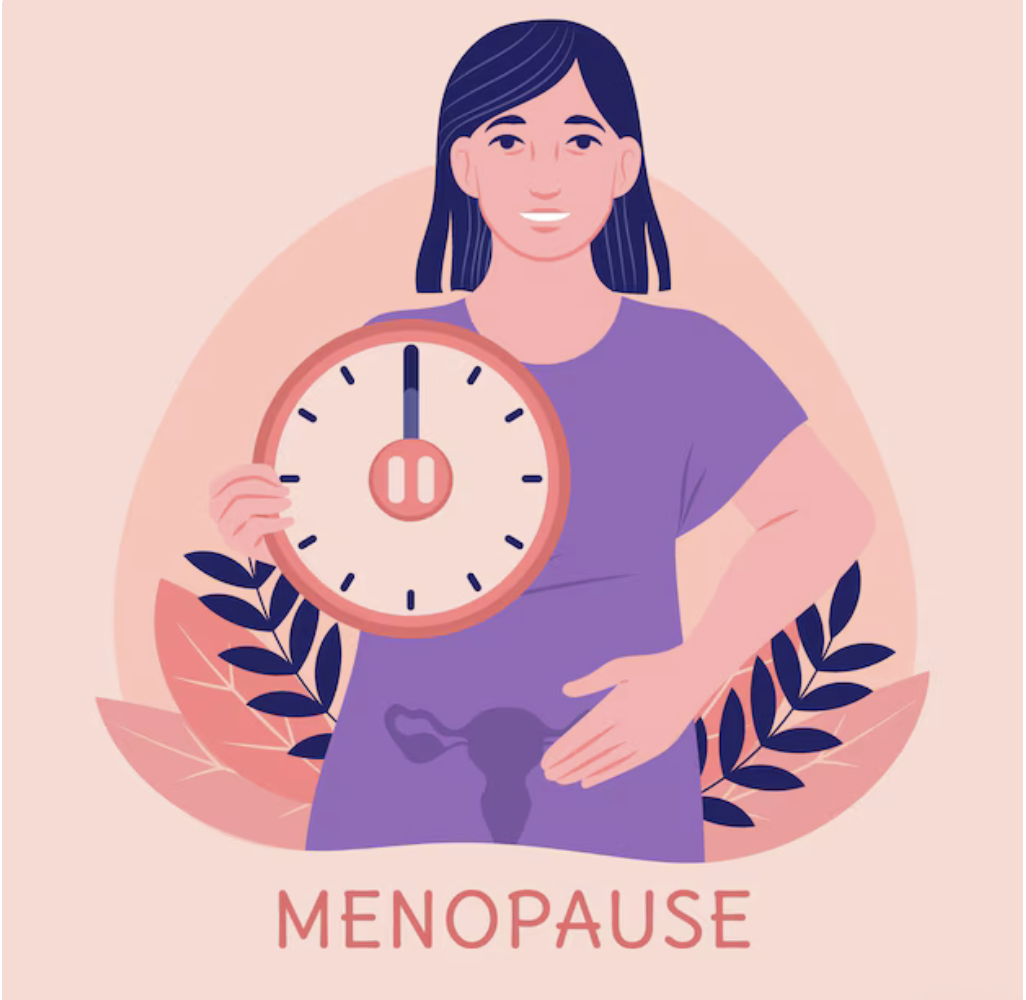
You are not alone. During perimenopause and menopause, hormonal changes, ageing, sleep disturbances and changes in physical activity can make it harder to preserve muscle mass and strength. Some women also notice changes in body fat distribution, energy levels and recovery after exercise.
But here is the encouraging news: muscle loss is not an inevitable consequence of menopause, and it is never too late to start building strength.
With consistent resistance training, adequate nutrition, good sleep and an informed approach to supplementation, women can support their muscles, bones, mobility and long-term health.
At Fitcart.com, we believe that better health starts with informed choices, science-led nutrition and a commitment to quality.
1. Why Do Women Lose Muscle After Menopause?
Muscle mass and strength can gradually decline with age. Menopause may contribute to this process, but it is only one part of the picture.
Declining oestrogen levels
Oestrogen plays several roles in the body, including supporting bone health and influencing muscle function and recovery. During the menopausal transition, fluctuating and eventually lower oestrogen levels may contribute to changes in muscle quality and body composition.
However, menopause does not automatically cause rapid muscle loss in every woman. Ageing, activity levels, nutrition and other health factors also matter.
Age-related changes in muscle
As we age, the body may become less responsive to the muscle-building stimulus provided by dietary protein and exercise. This makes regular resistance training and sufficient protein intake particularly important.
Reduced physical activity
Busy schedules, fatigue, joint discomfort and disrupted sleep can make it harder to maintain an active lifestyle. Less movement and fewer strength-training sessions can gradually reduce muscle strength.
Inadequate protein and overall nutrition
Muscles need sufficient energy, protein and essential nutrients to repair and adapt after exercise. Eating too little, following overly restrictive diets or consistently consuming insufficient protein can make maintaining muscle more difficult.
Poor sleep and ongoing stress
Hot flushes, night sweats and sleep disturbances may affect motivation, recovery and exercise performance. Persistent stress can also disrupt healthy routines and make recovery more challenging.
The takeaway: Menopause is a reason to pay closer attention to muscle health, not a reason to accept declining strength as inevitable.
2. The Best Exercises to Maintain Muscle After Menopause
Exercise is one of the most effective ways to preserve strength, support mobility and maintain independence as you age.
A. Resistance training: Your muscle-building foundation
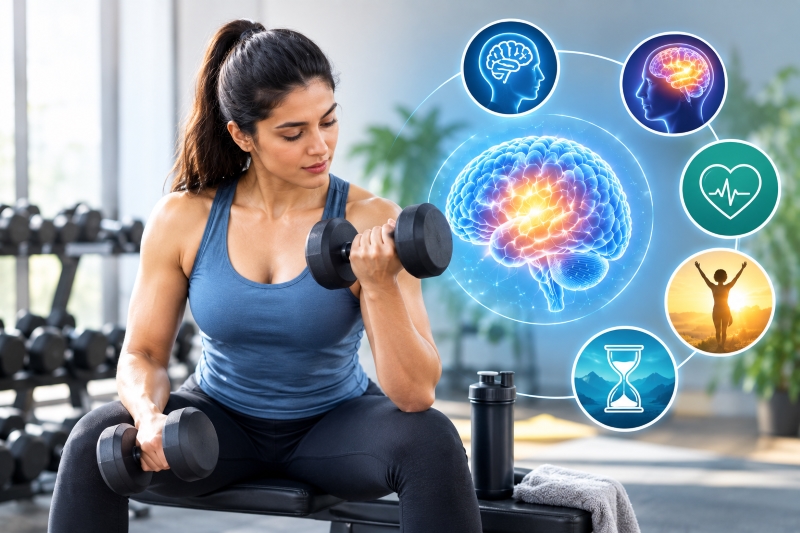
Resistance training challenges muscles and encourages them to adapt and become stronger. It can involve gym equipment, dumbbells, resistance bands or bodyweight exercises.
Useful exercises include:
- Squats or chair squats
- Lunges or supported split squats
- Hip hinges and deadlift variations
- Glute bridges
- Push-ups against a wall or bench
- Rows using dumbbells or resistance bands
- Shoulder presses, where appropriate
- Calf raises and core-strengthening exercises
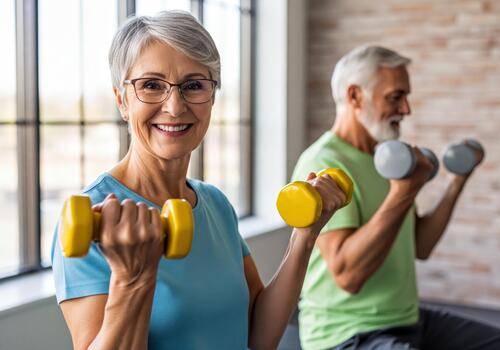
A practical starting point: Aim for two or three full-body strength sessions each week, allowing recovery between sessions. Beginners can start with one or two sessions and gradually increase as their strength and confidence improve.
Choose a resistance that challenges you while allowing you to maintain good technique. Increase the weight, repetitions or difficulty gradually.
If you have osteoporosis, significant joint pain, pelvic floor symptoms or other medical concerns, seek guidance from a qualified exercise professional or clinician before starting a new programme.
B. Weight-bearing exercise for bone health
Walking, stair climbing, dancing and appropriate resistance exercises can help support bone health. More demanding impact activities may be suitable for some women, but they are not appropriate for everyone.
Walking is excellent for general health, cardiovascular fitness and daily movement. However, walking alone usually does not provide enough resistance to maximise muscle growth.
C. Balance and mobility exercises
Yoga, tai chi, balance drills and mobility work can help improve flexibility, coordination and confidence in movement.
These activities complement strength training but should not necessarily replace it when maintaining muscle is the goal.
D. Cardiovascular exercise
Cycling, swimming, brisk walking and other aerobic activities support heart health, endurance and metabolic health.
Combine cardio with strength training rather than relying exclusively on long cardio sessions. If fat loss is a goal, avoid excessive exercise combined with severe calorie restriction, as this may compromise recovery and muscle retention.
3. How Much Protein Do Women Need After 40?
Protein supplies the amino acids needed to maintain and repair muscle tissue. Getting enough protein throughout the day becomes especially important when you are strength training or trying to preserve muscle while losing body fat.
For many healthy adults, the basic protein recommendation is around 0.8 grams per kilogram of body weight per day. Women who are active, older or undertaking regular resistance training may benefit from higher intakes, often around 1.2–1.6 g/kg/day, depending on individual needs and clinical circumstances.
For example, a woman weighing 70 kg might consider a daily target of approximately 84–112 g of protein when that higher range is appropriate for her.
Protein-rich foods to include
- Eggs
- Greek yoghurt and other high-protein dairy foods
- Milk and cottage cheese or paneer
- Fish and lean poultry
- Lentils, chickpeas and beans
- Tofu, tempeh and soya foods
- Nuts and seeds, as complementary sources
- Whey or plant-based protein powders, when useful
Try to distribute protein across your meals instead of consuming most of it at dinner. A protein-containing breakfast, lunch and dinner can make your daily target easier to achieve.
Fitcart tip: Build meals around a quality protein source, colourful vegetables, fibre-rich carbohydrates and healthy fats. Supplements can complement this foundation, but they should not replace a balanced diet.
People with chronic kidney disease or other conditions requiring protein restriction should seek individual medical or dietetic advice before increasing protein intake.
4. Essential Nutrients for Muscle, Bone and Healthy Ageing
Protein is important, but it is not the whole story. Your body also needs a varied diet that provides energy, vitamins, minerals and essential fats.
Calcium
Calcium supports bone structure and normal muscle function. Dairy foods, calcium-fortified plant drinks, calcium-set tofu and selected green vegetables can contribute to intake.
Vitamin D
Vitamin D helps the body absorb calcium and supports normal muscle function. Food, sensible sun exposure and supplementation when appropriate can help maintain adequate levels.
Magnesium
Magnesium contributes to normal muscle and nerve function. Sources include nuts, seeds, legumes, whole grains and leafy green vegetables.
Iron
Iron is essential for oxygen transport. Women who still menstruate may be at greater risk of iron deficiency, particularly if periods are heavy. Supplementation should be guided by appropriate assessment rather than taken automatically.
Vitamin B12
Vitamin B12 supports normal red blood cell formation and nervous system function. People following vegan diets and those with absorption problems may need fortified foods or supplements.
Omega-3 fatty acids
Oily fish, such as salmon and sardines, provide EPA and DHA omega-3 fats. Algal oil is an alternative source for people avoiding fish. Omega-3 supplements are not a substitute for resistance training or adequate protein.
Carbohydrates and healthy fats
Carbohydrates help fuel training, while dietary fats supply essential fatty acids and support the absorption of fat-soluble vitamins. Extremely restrictive diets may leave you short of the energy needed for training and recovery.
5. Which Supplements May Help Women Maintain Muscle After Menopause?
Supplements can be useful when they address a specific nutritional need or help you meet a practical training goal. Their value depends on the ingredient, dose, product quality, overall diet and individual health.
No supplement can replace progressive resistance training, adequate nutrition or good sleep.
Whey protein or plant protein
Protein powders can make it easier to reach your daily protein target, especially if your appetite is low or you have a busy schedule.
- Whey protein: A convenient complete protein derived from milk.
- Soy protein: A plant-based option that provides all essential amino acids.
- Pea and blended plant proteins: Useful alternatives for people avoiding dairy, with the nutritional profile depending on the formulation.
Choose a product with transparent ingredients, a suitable protein content per serving and clear quality information. People with milk allergies should avoid whey protein.
Creatine monohydrate
Creatine is one of the better-studied sports nutrition ingredients for supporting high-intensity exercise performance and improvements in strength and lean mass when combined with resistance training.
A commonly studied maintenance dose for healthy adults is 3–5 g daily. Women in midlife may find it useful, but research specifically in perimenopausal and postmenopausal women is still developing, and benefits are not guaranteed.
Consult a healthcare professional before using creatine if you have kidney disease, are pregnant or breastfeeding, or take medication that may affect kidney function. Discuss its use with your clinician if you have a relevant medical condition.
Vitamin D
Vitamin D supplementation may be appropriate when dietary intake, sun exposure or blood test results indicate a need. Correcting deficiency supports normal muscle function and bone health, but taking extra vitamin D when levels are already adequate is not proven to prevent all age-related muscle loss.
Avoid excessive doses unless medically supervised.
Calcium
A calcium supplement may help when dietary intake is insufficient or a clinician recommends it. Calculate the calcium you already obtain from food before adding a supplement, because excessive intake may be harmful for some people.
Magnesium
Magnesium supplementation may be useful for people with inadequate intake or a diagnosed deficiency. Evidence does not establish magnesium supplements as a general treatment for menopause-related muscle loss in people who already obtain enough.
Other supplements
BCAAs, collagen, herbal menopause products and various “muscle support” blends are often marketed to women in midlife. Evidence varies considerably. BCAAs are generally unnecessary when adequate complete protein is consumed, and collagen should not be considered a replacement for complete dietary protein.
Be cautious of products promising to balance hormones, reverse menopause or rapidly rebuild muscle. No supplement should be assumed to deliver these outcomes.
6. Why Batch-Tested Supplements and Quality Matter
Not all supplements have the same manufacturing standards, ingredient transparency or testing procedures.
For athletes, contamination with undeclared or prohibited substances can pose serious health and sporting risks. For any consumer, inaccurate ingredient information, contaminants and poor manufacturing practices are reasons to choose products carefully.
At Fitcart.com, we encourage informed supplement choices and attention to product quality.
What should you look for?
- Transparent labels: Clearly listed ingredients, serving sizes and directions for use.
- Batch-specific testing: Where available, a certificate of analysis or test report that can be linked to the relevant batch or lot number.
- Independent laboratory testing: Appropriate testing for identity, potency, microbiological quality, heavy metals or other contaminants, as relevant to the product.
- Sport-specific certification: Athletes subject to anti-doping rules should look for a recognised programme that tests the specific product and verifies the relevant batch, where applicable.
- Traceability and expiry information: A clearly identified manufacturer, batch or lot number, expiry date and suitable storage instructions.
An important distinction: “Batch-tested,” “third-party tested,” “clean labelled” and “dope-free” are not interchangeable guarantees. Testing varies in scope, and no testing programme can eliminate every possible risk. Check the actual evidence and certification rather than relying on marketing language alone.
Fitcart’s focus on trusted brands, product transparency and quality-conscious selection is intended to help consumers make better-informed decisions. Always verify the specific testing claims and certifications applicable to the product you choose.
7. Lifestyle Habits That Help Protect Muscle
Your results depend on more than workouts and supplements. Everyday habits influence your ability to train consistently and recover well.
Prioritise sleep. Aim for a regular sleep schedule and a bedroom environment that supports rest. If night sweats or other menopause symptoms repeatedly disrupt sleep, discuss treatment options with a healthcare professional.
Eat enough. Severe calorie restriction can make it harder to maintain muscle. If fat loss is a goal, use a sustainable approach that preserves protein intake and supports training.
Recover between sessions. Muscles need time to adapt. Alternate challenging sessions with lighter activity or rest as appropriate.
Manage stress. Breathing exercises, meditation, time outdoors and enjoyable social activities can support general wellbeing.
Track functional progress. Notice improvements in strength, balance, energy, exercise performance and everyday tasks—not only changes on the weighing scale.
Be consistent. A realistic programme followed for months is more valuable than an extreme routine that lasts only a few weeks.
8. A Simple Weekly Muscle-Health Plan
Here is an example of how to combine exercise, nutrition and recovery. Adapt it to your fitness level, schedule and medical needs.
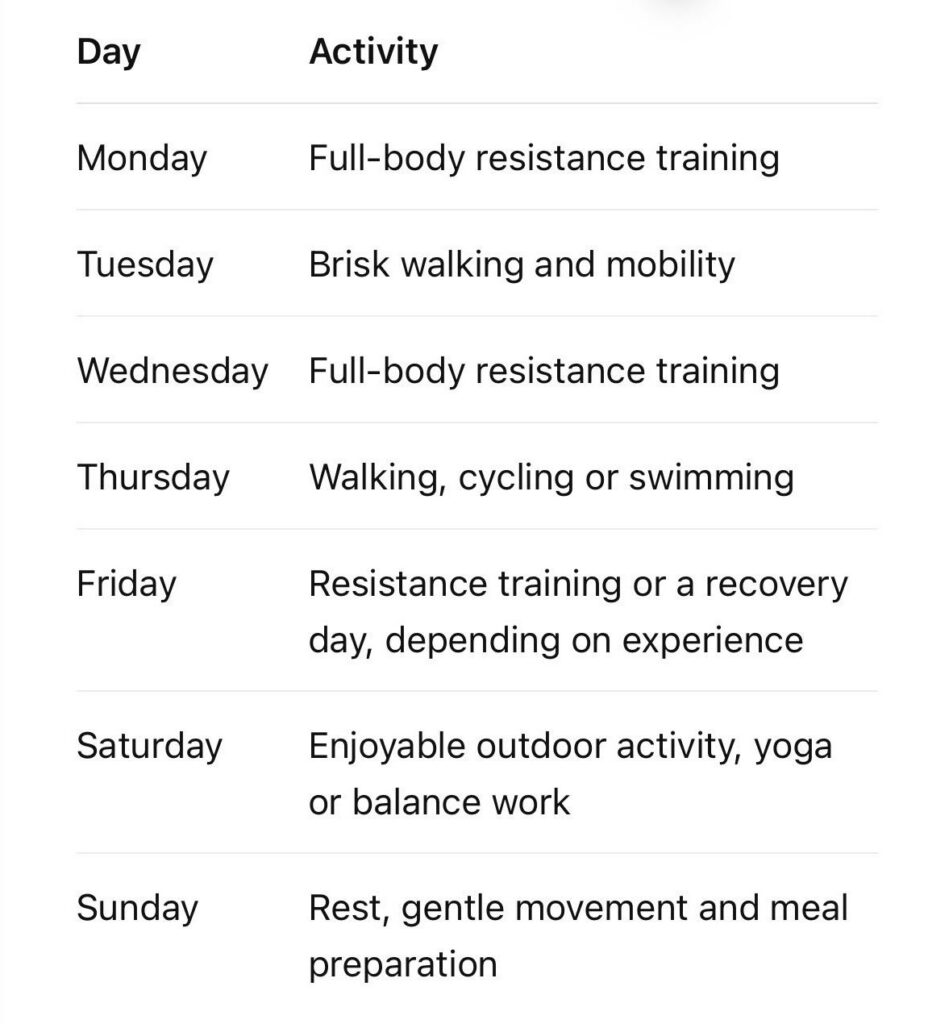
Include protein-rich foods at each main meal, vegetables and fruit daily, sufficient fluids, and enough overall energy to support your activity. Beginners can start with two strength sessions weekly and build gradually.
9. When Should You Seek Professional Advice?
Speak to a healthcare professional if you experience persistent or unexplained muscle weakness, frequent falls, rapid loss of strength, significant fatigue or difficulty performing everyday activities.
A clinician can assess potential contributors such as nutritional deficiencies, thyroid problems, medication effects and other medical conditions. Menopause treatment, including hormone therapy, may be appropriate for certain symptoms and individuals, but it is not a universal treatment for muscle loss and should be discussed individually.
If you have osteoporosis, a history of fractures, kidney disease or other significant health conditions, seek tailored guidance before making major changes to your exercise or supplement routine.
The Fitcart Takeaway: Stronger Muscles, Healthier Ageing
Menopause marks a transition, not the end of your strength, fitness or potential.
The most effective strategy for protecting muscle is built on a few fundamentals:
- Perform progressive resistance training consistently.
- Eat enough protein and total energy to support your goals.
- Include calcium-, vitamin D- and other nutrient-rich foods.
- Prioritise sleep, recovery and regular movement.
- Use supplements selectively, based on evidence and individual needs.
- Choose transparent, quality-conscious products and verify batch-testing claims.
At Fitcart.com — Trusted Brands. Better Health. — our goal is to help women make informed choices about sports nutrition, wellness and healthy ageing.
Start with the basics, build sustainable habits and remember: getting stronger is possible at every stage of life.
Health and Supplement Disclaimer
This article is for general educational and informational purposes only. It is not intended to diagnose, treat, cure or prevent any disease, and it does not replace personalised medical advice, diagnosis or treatment from a qualified healthcare professional.
Nutritional requirements and responses to exercise and supplements vary between individuals. Women who are pregnant or breastfeeding, have an existing medical condition, take prescription medication or have a history of nutritional deficiencies should consult a qualified healthcare professional before beginning a new exercise programme or using supplements. Seek professional advice before increasing protein or using creatine, vitamin D, calcium, magnesium or other supplements where relevant to your medical circumstances.
Supplements should be used according to the product label and should not replace a varied, balanced diet or healthy lifestyle. Do not exceed recommended doses without professional supervision. Evidence for supplements varies, and no product can guarantee the prevention or reversal of menopause-related muscle loss.
Fitcart encourages consumers to review product labels, ingredient lists, batch or lot details, expiry dates and available testing documentation. Batch testing and third-party testing differ in scope and do not guarantee zero risk, universal purity or the absence of every prohibited substance. Athletes subject to anti-doping rules should verify the current certification and batch status of the exact product they intend to use and remain responsible for substances detected in their samples under applicable anti-doping rules.
Product availability, certifications and testing claims may vary by brand and batch. Consult the relevant manufacturer or certification programme for current verification.
Fitcart.com | Trusted Brands. Better Health
Follow us on X: https://x.com/fitcartofficial and Instagram: https://www.instagram.com/fitcartofficial/ for the latest updates, health insights, and exclusive content.
Follow Smart Nutrition India X: https://x.com/SmartNutrition1 and Instagram: https://www.instagram.com/smartnutritionindia/ for trusted sports nutrition, supplement education, wellness tips, and the latest news from the world of health and performance.
Fitcart believes in True Play and Clean Sport
#trustedbrandsbetterhealth