



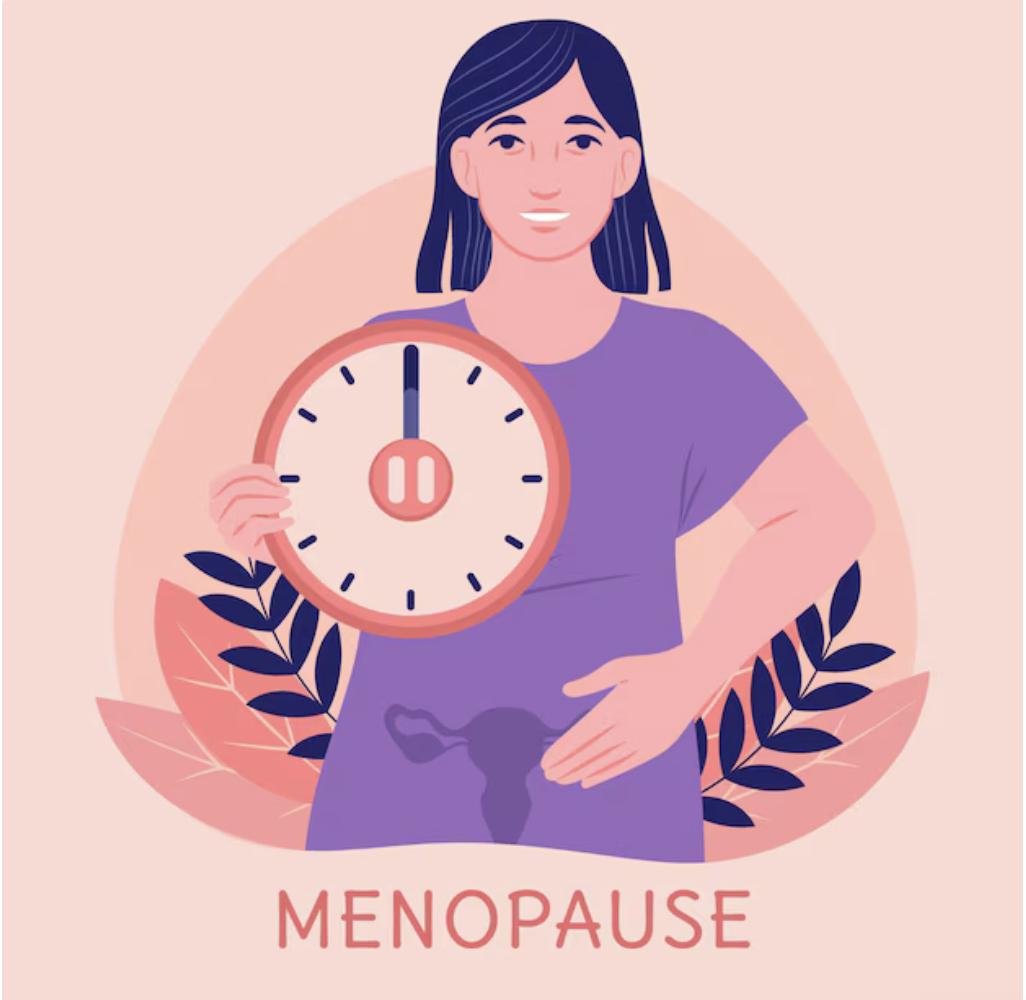
Menopause is a natural phase in a woman’s life, marking the end of reproductive years and typically occurring between the ages of 45 and 55. While it is a significant transition, many women experience a range of symptoms and health issues that can impact their quality of life. Fortunately, lifestyle changes—mainly through exercise, a healthy diet, and supplements—can help mitigate these challenges.
Article by Fitcart.com
Understanding Menopause and Its Symptoms
Menopause results from hormonal changes, primarily a decrease in estrogen production. Common symptoms include:
- Hot flashes and night sweats
- Mood swings and irritability
- Sleep disturbances
- Vaginal dryness
- Weight gain
- Bone density loss
These symptoms can vary in intensity and duration, leading many women to seek effective ways to manage them.
The Role of Exercise
Regular physical activity is one of the most effective ways to alleviate menopausal symptoms and improve overall health. Here’s how exercise can help:
- Reduces Hot Flashes: Studies suggest that regular aerobic exercise can help reduce the frequency and intensity of hot flashes.
- Improves Mood: Exercise releases endorphins, which can enhance mood and alleviate feelings of anxiety and depression that may accompany menopause.
- Promotes Better Sleep: Physical activity can help improve sleep quality, which is often disrupted during menopause.
- Supports Weight Management: As metabolism slows with age, exercise becomes essential for maintaining a healthy weight and preventing obesity.
- Strengthens Bones: Weight-bearing exercises, such as walking, jogging, or strength training, help maintain bone density and reduce the risk of osteoporosis.
Recommendations: Aim for at least 150 minutes of moderate-intensity aerobic exercise each week, combined with strength training exercises on two or more days. Activities like yoga and Pilates can also enhance flexibility and reduce stress.
Eating a Healthy Diet
A balanced diet is crucial for managing menopausal symptoms and promoting overall health. Here are some dietary strategies:
- Focus on Whole Foods: Emphasize fruits, vegetables, whole grains, lean proteins, and healthy fats. These foods are rich in essential nutrients that can support hormone balance.
- Incorporate Phytoestrogens: Foods containing phytoestrogens, such as soy products, flaxseeds, and legumes, can mimic estrogen in the body and may help alleviate hot flashes.
- Stay Hydrated: Drinking plenty of water helps combat dryness and can alleviate some symptoms of menopause.
- Limit Processed Foods and Sugar: Reducing intake of processed foods and added sugars can help manage weight and minimize mood swings.
- Consider Calcium and Vitamin D: These nutrients are vital for bone health. Include dairy products, leafy greens, and fortified foods in your diet, or consider supplements if necessary.
The Role of Supplements
In addition to diet and exercise, certain supplements can support menopausal health:
- Black Cohosh: This herbal supplement often relieves hot flashes and mood swings. However, it’s essential to consult a healthcare provider before use, as it may only suit some.
- Omega-3 Fatty Acids: In fish oil, omega-3s can help reduce inflammation and improve mood and cognitive function.
- Vitamin E: Some studies suggest that vitamin E may help reduce hot flashes and improve overall well-being during menopause.
- Calcium and Vitamin D: These are essential for maintaining bone density. If dietary intake is insufficient, supplements may be necessary.
- Multivitamins: A good-quality multivitamin can fill nutritional gaps and support overall health during menopause.
Quality Matters:
When purchasing supplements, it’s crucial to choose products that are clean, tested, and labeled transparently. Look for supplements that have been batch-tested and certified by reputable organizations to ensure they meet high-quality standards. Buying from trusted sources can provide peace of mind regarding the safety and efficacy of your chosen products.
Conclusion
Menopause is a significant life transition, but it doesn’t have to be a period marked by discomfort and health challenges. Women can effectively manage symptoms and enhance their overall well-being by adopting a proactive approach through regular exercise, a healthy diet, and appropriate supplements. As always, consult healthcare professionals before making significant changes to your lifestyle or starting new supplements, ensuring your approach is tailored to your needs. With the right strategies, women can navigate menopause with confidence and resilience.
Fitcart believes in True Play and Clean Sport.
#trustedbrandsbetterhealth