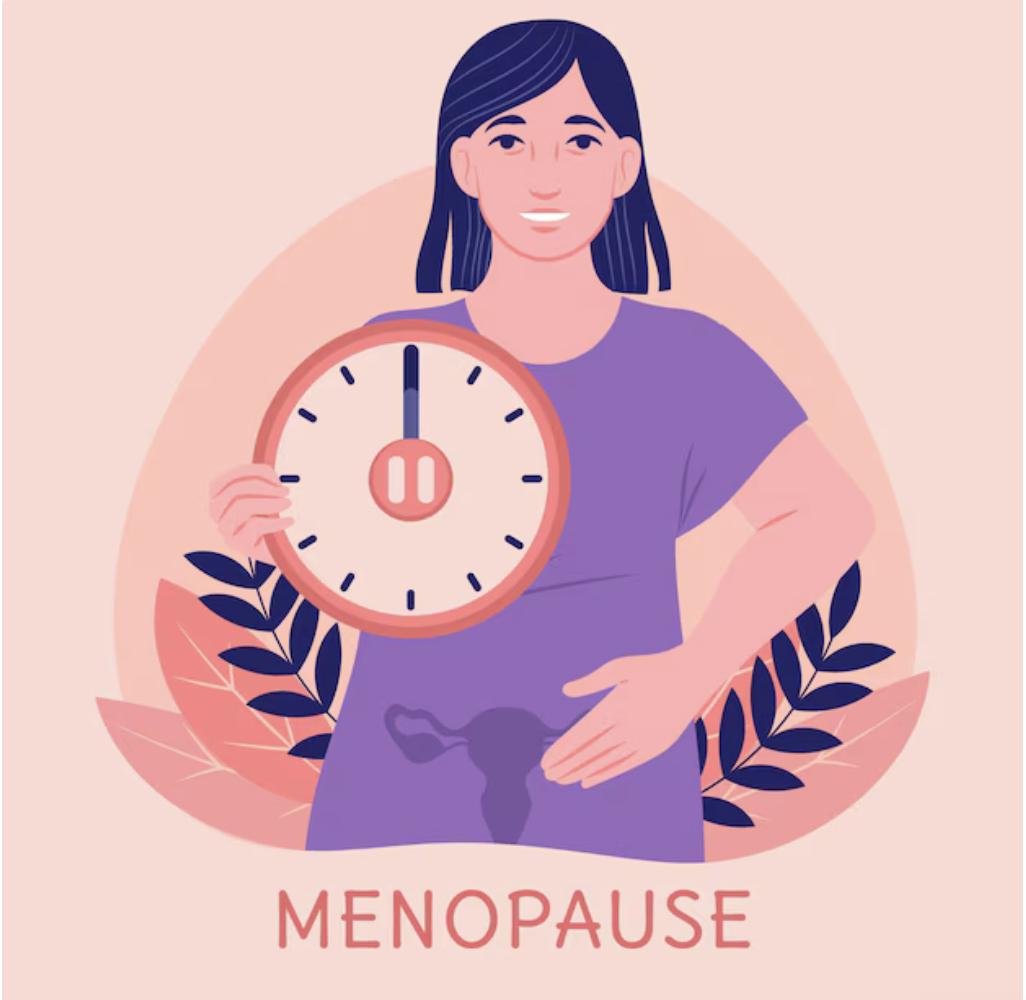




As women enter the premenopausal stage, typically starting in their late 30s to early 40s, many experience hormonal fluctuations that can lead to a range of physical and emotional changes. During this period, the body begins transitioning toward menopause, affecting energy levels, metabolism, muscle mass, and overall health. Fortunately, proper nutrition, fitness, and training strategies can help manage these changes effectively. We explore key tips for women in the premenopausal stage to optimize their well-being and feel their best.
Article by Fitcart.com
Nutrition for Women in Premenopause
- Focus on Balanced Macronutrients During premenopause, a woman’s metabolism may change, impacting weight management. To maintain energy and manage weight effectively, focus on a balanced intake of macronutrients: carbohydrates, protein, and fats.
- Protein: Adequate protein intake is crucial for maintaining muscle mass, especially as estrogen levels fluctuate. Choose lean proteins such as chicken, fish, tofu, legumes, and eggs. Aiming for approximately 1.2 to 1.5 grams of protein per kilogram of body weight supports muscle health and repair.
- Healthy Fats: Healthy fats, including those from avocados, nuts, seeds, and fatty fish like salmon, are vital for hormone production and overall well-being. Omega-3 fatty acids, in particular, help reduce inflammation and support heart health.
- Carbohydrates: Choose whole grains, such as brown rice, quinoa, oats, and various fibrous vegetables, to help stabilize blood sugar levels. This approach can aid in reducing the heightened risk of insulin resistance that some women face as they near menopause.
- Increased calcium and vitamin D intake is essential during the premenopausal stage due to hormonal changes that can affect bone density. Women should aim for at least 1,000 milligrams of calcium daily, increasing to 1,200 milligrams at age 50, and consume 600-800 IU of vitamin D daily. Good sources of calcium include dairy products, leafy greens, tofu, and fortified plant-based milk. For vitamin D, consider sunlight exposure, fatty fish, and fortified foods.
- Fiber-Rich Foods for Digestive Health Due to hormonal fluctuations, digestive changes are common during premenopause. Fiber-rich foods can support digestive health and promote hormonal balance. Incorporate whole grains, fruits, vegetables, legumes, and nuts into your meals. Additionally, fiber aids in managing weight and can help regulate blood sugar levels.
- Stay hydrated. As the body undergoes hormonal changes, dehydration may become more apparent, leading to dry skin, fatigue, and headaches. Drinking sufficient water is essential for overall health, so aim for at least 8 to 10 glasses each day. Herbal teas and water-rich foods like cucumbers and melons can help facilitate hydration.
Supplements supporting Menopausal health
Supplements can significantly support women’s health during the premenopausal stage. As hormonal fluctuations begin, key nutrients such as calcium, magnesium, and vitamin D help maintain bone density and reduce the risk of osteoporosis. Additionally, omega-3 fatty acids and B vitamins may promote heart health and assist with mood regulation. Herbal supplements like black cohosh and evening primrose oil have been used to alleviate hot flashes and night sweats, common premenopause symptoms.
While supplements are not a replacement for a healthy diet, they can enhance overall wellness by addressing specific needs during this transition period, promoting balance, and alleviating some of the physical and emotional challenges that arise.
Fitness Tips for Women in Premenopause
- Incorporate Strength Training: One of the most effective ways to combat the loss of muscle mass during premenopause is through strength training. As estrogen levels decrease, muscle mass and bone density may also decline. Strength training exercises, such as weight lifting or bodyweight, help preserve and even build muscle, improve metabolism, and support bone health. Aim for strength training at least two to three times a week. Exercises like squats, lunges, push-ups, and dumbbell workouts can target different muscle groups. Gradually increase weight and intensity to avoid injury.
- Include Cardio for Heart Health: Cardiovascular exercise is vital for overall health, particularly as the risk of heart disease rises with fluctuating estrogen levels during premenopause. Engaging in at least 150 minutes of moderate-intensity cardio each week- such as brisk walking, cycling, swimming, or dancing- can enhance heart health and assist in weight management.
- Prioritize Flexibility and Mobility: Flexibility tends to decrease as we age. Incorporating regular stretching and mobility exercises into your routine is vital to prevent stiffness and maintain your range of motion. Yoga, Pilates, and tai chi enhance flexibility while reducing stress and promoting mental well-being.
- Mind-Body Practices to Manage Stress Hormonal changes can cause Premenopausal women to experience increased stress, anxiety, and mood swings. Stress management through exercise can help regulate cortisol levels and improve overall emotional health. Mind-body exercises like yoga, meditation, and deep breathing can be particularly beneficial.
Training Tips for Women in Premenopause
- Listen to Your Body: As hormones fluctuate during premenopause, energy levels and recovery times may change. Pay attention to how your body feels during and after exercise. If you’re feeling fatigued or experiencing discomfort, adjusting your training routine is essential. You might need more rest or slightly lower-intensity workouts, especially during the luteal phase (the second half of your menstrual cycle), when some women experience fatigue and bloating.
- Don’t Skip Rest Days: Rest and recovery are essential to any training program. Women in premenopause may notice longer recovery times or a tendency to feel more fatigued after intense workouts. Be sure to incorporate rest days into your training routine, as they allow muscles to repair and prevent overtraining. Active rest activities like walking or gentle yoga can help with recovery.
- Train for Bone Health: Weight-bearing exercises such as walking, jogging, dancing, and resistance training are especially beneficial for bone health. As estrogen levels decline, women may face an increased risk of osteoporosis. By participating in regular weight-bearing activities, you can strengthen your bones and help prevent bone loss.
- Consider Hormonal Fluctuations: Hormonal fluctuations can sometimes make it difficult to train consistently. If you experience fatigue, hot flashes, or mood swings, you must modify your training according to your feelings. Some women find high-intensity workouts can feel more taxing during certain phases of their menstrual cycle, while others thrive on greater intensity. Tracking your symptoms can help you make informed decisions about the type of exercise to focus on each week.
Conclusion
The premenopausal stage is a time of transition, but it also presents an opportunity to embrace new habits that can support long-term health and wellness. By focusing on balanced nutrition, strength training, cardiovascular exercise, and mindfulness, women can optimize their physical and emotional well-being during this period. Taking a proactive approach to nutrition and fitness allows women in the premenopausal stage to feel strong, energized, and empowered as they navigate the changes that come with this natural phase of life.
Advisory:
Always buy supplements from trusted and tested sources like Fitcart.com to ensure quality and safety. Before beginning any new hydration or supplement routine, consult a qualified health professional to determine the best approach for your needs.
Fitcart believes in True Play and Clean Sport.
#trustedbrandsbetterhealth