



Fitcart Sports News Blog.
Authored by S. Kannan (Sports Analyst) and Fitcart Editorial Team Ritu Makhija.
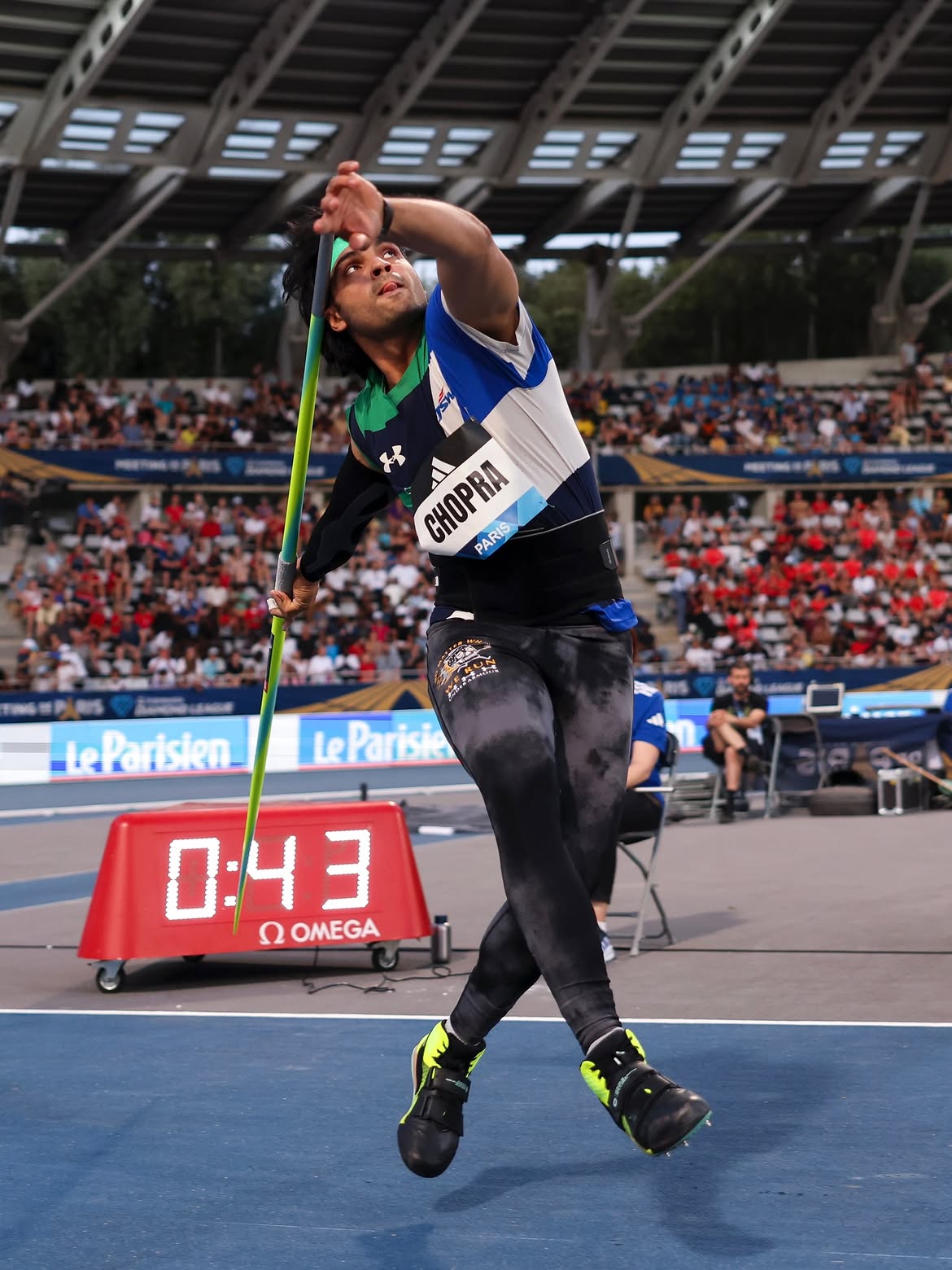
Neeraj Chopra is the darling of Indian sports. Winner of two Olympic medals, he has made the javelin even more famous. First, he won gold at the Tokyo Olympics and then clinched a silver medal in the Paris 2024 edition. Add to this his medals at the Asian Games, the World Championship, and the Diamond League, and the young man from Haryana, who was overweight when he started as a callow youth, has gone places.
Next up, soon, for Neeraj, the Commonwealth Games in Glasgow, where he is being hyped for one more gold medal. This has to be weighed in totality, as Neeraj is returning from a back injury sustained at the World Championship in Tokyo last year. This season, Neeraj has already warmed up with a performance of 85.96 metres at the Diamond League in Doha in June. Neeraj has not promised too much, nor is he putting pressure on himself.
When he went out of competition mode after the World Championship last year, Neeraj spent several months in rest and recovery, then getting his strength back. He did not worry about missing competitions; he opted to get stronger and return in 2026. The goal is to do well in Glasgow and the Asian Games in Nagoya, Japan, as well, in September/October.
By nature, the javelin event is explosive. To perform and peak in it calls for power, energy, timing, and perfecting the release. Neeraj is today in a state of nirvana; pressure does not mean something which weighs him down. At the same time, he loves the big stage, which Glasgow should offer. Having missed the last CWG in Birmingham in 2022, Neeraj will show the world that his fresh attempts are genuine and how he has gained strength.
The training methods of Neeraj Chopra are very scientific. He started in Haryana many years back as a raw athlete. But once he started shining at the Commonwealth Games in Gold Coast in 2018 and then the Jakarta Asian Games the same year, Neeraj became conscious of how he needed to be systematic.
In this journey, he has been following what has been advised by the experts. Neeraj’s romance with the javelin has been closely identified with how biomechanics expert Klaus Bartonietz shaped his journey. This was one of the best things to happen to Neeraj as he adopted a radical approach to throw without fear and have the best ‘go’ without any injury fear.
A daily diet comprises meals which are rich in quality. Breakfast is about oats, yogurt, two eggs, with some fruits. He pays attention to good hydration and consumes water to preserve his electrolyte levels at an optimum level. For lunch, Neeraj consumes salads, rice, and dal (lentils), which is plant-based protein, and chicken. He avoids fats consciously. For dinner, Neeraj keeps it light. Soup, boiled veggies. Not many would know that he times his whey protein supplement intake exactly after intense workouts. This helps in fast recovery.
In training, his methods are manic. Medicine ball throw, working on body core, deep lunges, strengthening his back- all is in sync. In addition, he also uses the Swiss Ball crunches and rope walk for core, as well as to get strength. For speed and mobility as well as to avoid any injury to his groin, Neeraj uses physios for rehab and plenty of mobility drills.
As science has suggested, the use of contrast baths – hot and cold – has also helped Neeraj Chopra in his career. He is the cynosure in Glasgow, and how he performs will be watched by billions around the globe.
What Can Everyday Athletes Learn from Neeraj Chopra?
While Neeraj Chopra competes at the highest level of international athletics, many of the habits that have helped him become an Olympic champion can also benefit recreational athletes, fitness enthusiasts and anyone looking to improve their health.
Success in sport is rarely built on talent alone. Consistency in training, quality nutrition, proper recovery and disciplined lifestyle habits are often the biggest contributors to long-term performance.
Some of the most valuable lessons include:
- Prioritising strength training alongside sport-specific practice
- Eating balanced meals containing quality protein and complex carbohydrates
- Staying well hydrated before, during and after exercise
- Focusing on recovery just as seriously as training
- Listening to coaches, physiotherapists and sports science professionals
- Progressively increasing training loads rather than doing too much too soon
Elite athletes understand that improvements come from thousands of quality training sessions rather than a single workout.
Sports Nutrition for Strength and Power Athletes
Athletes competing in explosive events such as the javelin throw rely heavily on muscular power, speed, and recovery. Their nutritional strategy is designed to support intense training while helping maintain lean muscle mass.
Depending on individual requirements and advice from qualified sports nutrition professionals, athletes may include:
- High-quality protein from food sources
- Whey protein after resistance training to support muscle protein synthesis
- Carbohydrates to replenish muscle glycogen
- Electrolytes to replace minerals lost through sweat
- Omega-3 fatty acids to support overall health
- Vitamin D where dietary intake or sunlight exposure is insufficient
- Creatine monohydrate, one of the world’s most researched sports supplements, when appropriate for the athlete’s goals and under professional guidance
Every athlete’s nutritional needs vary according to age, body composition, training intensity, medical history, and competition schedule.
Recovery Is Where Performance Improves
Training stimulates adaptation, but recovery is where the body becomes stronger.
Elite athletes like Neeraj Chopra often incorporate recovery strategies including:
- Quality sleep
- Active recovery sessions
- Mobility work
- Physiotherapy
- Stretching
- Massage
- Cold water immersion or contrast therapy where appropriate
- Adequate daily protein intake
- Proper hydration throughout the day
Neglecting recovery can increase fatigue, reduce performance, and elevate injury risk over time.
Choosing Safe Sports Supplements Matters
Competitive athletes should exercise caution when selecting sports nutrition products. Supplements should ideally be sourced from reputable manufacturers that follow stringent quality control processes. Look for products that:
- Are independently batch tested for banned substances
- Clearly list all ingredients and dosages
- Use scientifically supported ingredients
- Are manufactured in certified facilities following Good Manufacturing Practices (GMP or cGMP where applicable)
- Provide transparency regarding ingredient sourcing and quality
- This is particularly important for athletes competing under anti-doping regulations.
Fitcart Expert Advice
At Fitcart, we believe that food should always form the foundation of sports nutrition. Supplements are intended to complement a balanced diet and structured training programme—not replace healthy eating habits.
Whether you’re preparing for your first 5K, training in the gym or competing at an elite level, consistency in nutrition, recovery and training will almost always produce better long-term results than chasing shortcuts.
FAQ’s
Q. What does Neeraj Chopra eat in a day?
Neeraj Chopra focuses on a balanced diet that includes oats, eggs, yoghurt, fruit, rice, dal, chicken, vegetables and adequate hydration, while using sports nutrition strategically around training.
Q. Does Neeraj Chopra use whey protein?
According to reports and interviews, whey protein may be used after intense training sessions to support muscle recovery as part of his overall nutrition plan.
Q. How does Neeraj Chopra recover after training?
Recovery strategies include quality sleep, mobility work, physiotherapy, stretching, hydration, balanced nutrition and contrast therapy when appropriate.
Q. Why is strength training important for javelin throwers?
Strength training helps improve explosive power, throwing speed, core stability and resilience against injury, all of which are essential for javelin performance.
Q. Should recreational athletes follow Neeraj Chopra’s training?
Recreational athletes can adopt the principles of consistency, proper technique, balanced nutrition and recovery, but training programmes should always be tailored to individual fitness levels and goals.
Supplement Disclaimer
Disclaimer: This article is intended for educational purposes only and should not be considered medical or nutritional advice. Always consult a qualified healthcare professional, sports dietitian or physician before starting any new exercise programme or using dietary supplements. Competitive athletes should choose supplements that are independently batch-tested for banned substances through recognised third-party certification programmes where appropriate.
Disclaimer
The information contained in this article is published solely for sports news, editorial and informational purposes for cricket fans and the wider sporting community. The content is based on interviews and publicly available information believed to be accurate at the time of publication. It is not intended to defame, target, harm, misrepresent or adversely affect any individual, organisation, governing body, franchise or institution. The opinions expressed by interviewees are their own and do not necessarily reflect those of Fitcart.com.
Fitcart.com Blog is committed to responsible, balanced and factual sports journalism.
Image credit to neeraj_chopra on Instagram.
Follow us on X: https://x.com/fitcartofficial and Instagram: https://www.instagram.com/fitcartofficial/ for the latest updates, health insights, and exclusive content.
Follow Smart Nutrition India X: https://x.com/SmartNutrition1 and Instagram: https://www.instagram.com/smartnutritionindia/ for trusted sports nutrition, supplement education, wellness tips, and the latest news from the world of health and performance.
Fitcart believes in True Play and Clean Sport
#trustedbrandsbetterhealth