



Fitcart Sports News Blog.
Authored by S. Kannan (Sports Analyst) and Fitcart Editorial Team Ritu Makhija.
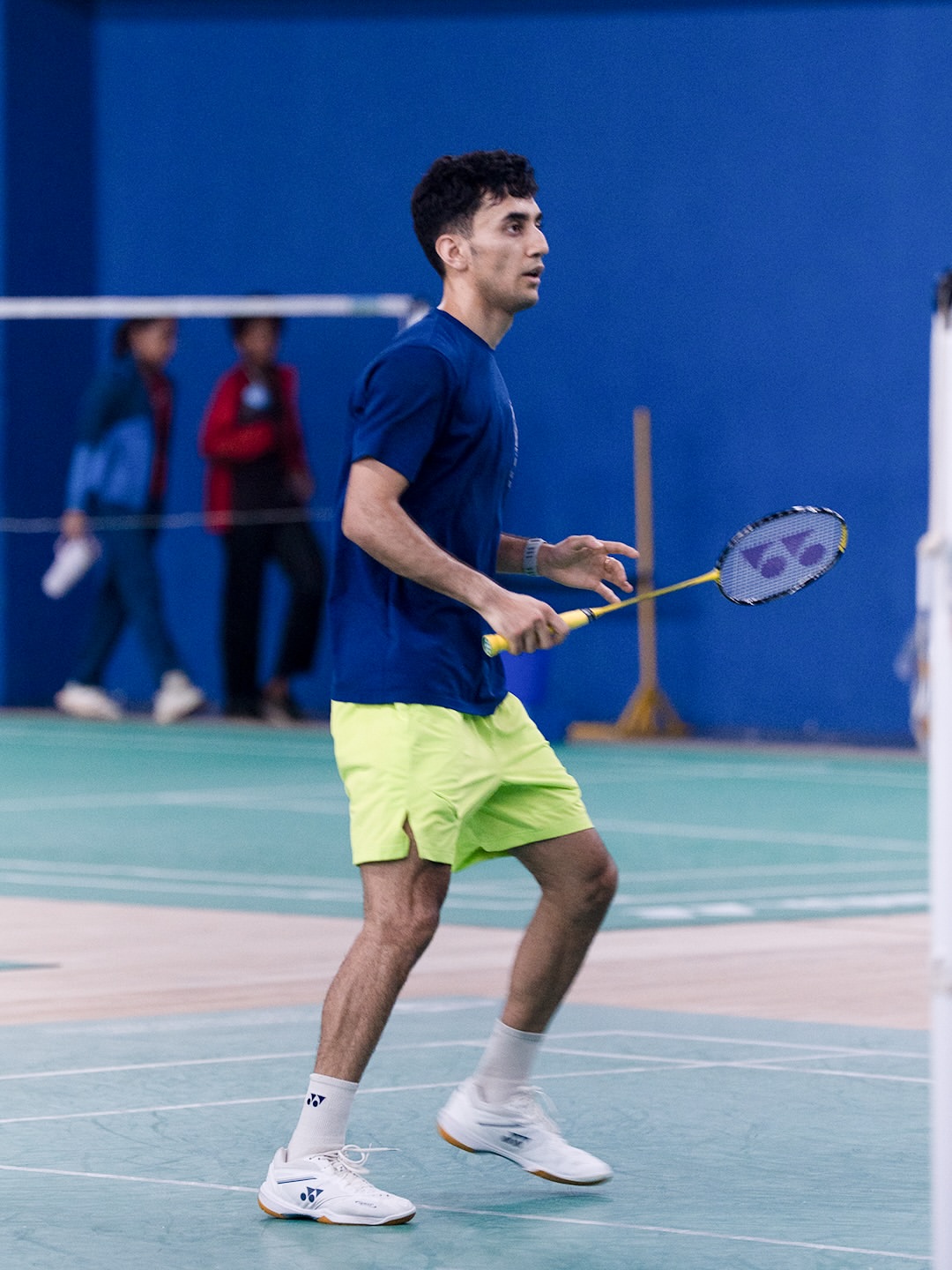
Happy birthday, Lakshya Sen. As the strapping young man turned 25 today, it is worth looking at his journey as a badminton star for India. Standing at 5 feet and 10 inches, blessed with speed, agility and quick reflexes, Lakshya may not be in the best of form, going into the BWF World Championship starting in New Delhi on Monday. That, however, does not mean his performances in the last five years can be overlooked.
Indeed, the hype in the coming week will be on diva PV Sindhu, winner of two Olympic medals. Add to it a clutch of Chinese superstars who are nippy on their feet and boast of great hand-eye coordination, and Lakshya is not being tipped as a favourite. In a way, Lakshya will be happy; he is away from the glare. He is a young man with broad shoulders, which his frame and weight will suggest. At 70 kg, he is strong and has great skills needed for badminton.
If you flip through Lakshya’s records, he has won a medal at the Commonwealth Games in 2022, Thomas Cup gold, also in 2022, and a bronze medal at the World Championship in 2021. To have achieved so much already, Lakshya has, perhaps, raised expectations and fallen short in 2024 at the Paris Olympics and this year. However, you cannot take away the performance he showed this year at the biggest event, when he made it to the final of the All England Championship.
Just as Wimbledon has been the most romantic tennis Grand Slam, the All England rates high up for any badminton professional. And that’s the reason why Prakash Padukone emerging as the All England champion in 1980 and Pullela Gopichand winning the same title in 2001 is still part of public discourse. This year, the kind of feel, fluency and form shown by Lakshya Sen at the All England was enchanting. He did lose the final to Chinese Taipei’s Lin Chub-yi 15-21, 20-22 in March. That was a result which showed Lakshya as a strong man, an Indian blessed with skills of speed and stamina. Yet, in the last few months, he has hit a crest.
In New Delhi, where the players have to worry about the shuttle drift owing to the air-conditioning use, Lakshya has trained in cooler climes and higher altitude, away from New Delhi. The physique is strong; he has a calm mind. Perhaps, what will help Lakshya at a venue where there is also a simian scare (langur) roaming around will be playing his natural game.
A bit about criticism which Lakshya faced from Prakash Padukone, a thorough gentleman on and off the court. When Lakshya, touted as a medal prospect at the Paris 2024 Olympics, lost in the semi-finals and also the bronze medal playoff match, Prakash was vocal. Harsh criticism was not needed and did hurt the psyche of Lakshya Sen. Big stage, big matches, there are moments even when the best fail. But that does not mean Lakshya chokes or lacks that killer instinct.
The way the young man from Almora has paced his diet plan is unique. He believes in eating smaller meals, up to six times a day. Fuelling for a sport like badminton is different. The players have to be light on their feet; the food as fuel gets burnt fast. On court, no player eats food, so how he builds in the calories and stamina is documented well. Lakshya’s focus is on lean proteins, which he derives from pasta, chicken steak, and dal (lentils). He adds to it fruits, dry fruits, and consumes protein shakes for staying strong. Lakshya is very particular about what he eats, with care, and ensures he has the right kind of advisor on food and training.
Hydration as therapy is important in badminton. Lakshya has shown that he never cramps or finds a muscle twitching, which is a sign his electrolyte balance is taken care of as well. The way a badminton player raises his heart rate and sweats, despite the AC, it’s important not to lose too much by sweat. Lakshya is lucky to have science supporting him.
On court, Lakshya’s training sessions, under the eyes of seasoned coaches, are intense. If he had started in the badminton journey early with guidance from his father and also uncle, making the transition needed experts. Prakash Padukone has guided him but does not travel. So, Vimal Kumar, a top player of his time and a cerebral coach, has worked on polishing Lakshya’s robust game. As much as he has power in play and smashes snappily, Lakshya’s defence at the net is also an integral part.
The training schedule is a mixture of outdoor and indoor. Lakshya has great cardio capacity, where his running comes in handy. The emphasis is on speed as well as endurance. After all, the way a badminton player moves, front and back, sideways, jumps, smashes and then again has to crouch, bend and retrieve, the body has to be very strong and flexible. The training methods involve expert guidance, wherein explosive speed, ensuring Lakshya’s joints are strong, and prevention of injury from lateral movement are addressed. If you look at his playing arm, forearm, knees, hamstrings, and legs, Lakshya is a chiseled-out man. He looks sculpted for badminton, so to say.
After intense sessions in badminton, recovery is a long process. Lakshya has been using ice baths, aquaplane therapy, and physios judiciously to stretch and prevent injuries. How fast he can be back as an athlete who is ready for the next match defines his game and mind. They say sport is mental at the highest level. This is where Paddy Upton, who has worked with many Indian athletes, lends a helping hand to Lakshya Sen. The World Championship is one goal, but the bigger picture will also be the Asian Games in Nagoya, Japan.
The Fitcart Performance Perspective: Training Like a Badminton Athlete
Lakshya Sen’s game is a useful illustration of an important principle in sports performance: fitness is not simply about being strong or having a low body-fat percentage. It is about developing the physical qualities that the sport demands.
Badminton is a high-intensity intermittent sport. A player can move explosively in multiple directions, accelerate, decelerate, jump, lunge, rotate, smash and recover repeatedly during a match.
That means an elite badminton athlete needs a combination of:
- Explosive power
- Acceleration and speed
- Agility and reaction time
- Lower-body strength
- Core stability
- Shoulder and forearm strength
- Cardiovascular fitness
- Mobility and flexibility
- Balance and coordination
- Repeated-sprint ability
- Mental resilience
For recreational badminton players, the same principles can be adapted to a much simpler fitness programme.
Building Badminton-Style Speed and Agility
One of the most important characteristics of a badminton athlete is the ability to move quickly while maintaining control.
Training can include movements such as:
- Lateral shuffles
- Short acceleration drills
- Cone drills
- Forward and backward movements
- Split-step practice
- Controlled lunges
- Jump and landing drills
- Single-leg balance exercises
The objective isn’t simply to move faster. It is to accelerate, stop, change direction and move again without losing stability.
This is particularly important because lateral movements and repeated lunges place considerable demands on the ankles, knees, hips and hamstrings.
Strength Training Is Part of Speed Training
A common misconception is that athletes who need to be quick should avoid strength training.
The opposite is often true.
A properly designed strength programme can help develop the force required to accelerate, jump, lunge and change direction. Exercises such as squats, split squats, lunges, Romanian deadlifts, calf raises, rows, presses and controlled rotational exercises can all have a place in an athlete’s programme when appropriately prescribed.
For badminton, strength should complement movement rather than make an athlete unnecessarily bulky.
The goal is relative strength — being strong for your body weight — combined with speed and mobility.
The Nutrition Behind an Elite Athlete
Training is only one part of performance. The body needs sufficient energy and nutrients to recover from demanding sessions.
Lakshya’s reported approach of smaller meals spread through the day highlights an important concept: athletes may find it easier to distribute their nutritional intake rather than attempting to consume very large meals.
However, there is no universal requirement to eat six meals a day.
The number of meals should fit the athlete’s training schedule, appetite, digestion, lifestyle and total nutritional requirements.
Protein: The Building Block of Recovery
Protein supplies amino acids required for muscle repair and adaptation following training.
Useful protein sources include:
- Eggs
- Chicken
- Fish
- Lean meat
- Milk and yoghurt
- Paneer
- Dal and other pulses
- Soy and other plant proteins
- Whey or other protein supplements when appropriate
For athletes, spreading protein across meals can be a practical way to support recovery.
A protein shake is not inherently superior to whole food. It is simply a convenient source of protein when meeting nutritional requirements through normal meals is difficult.
Carbohydrates Are Performance Fuel
For a sport involving repeated explosive efforts, carbohydrates can play an important role in providing readily available energy.
Rice, potatoes, oats, fruits, whole grains, pasta and other carbohydrate-containing foods can form part of an athlete’s diet.
The amount and timing should be adjusted according to training intensity.
A hard training day may require considerably more carbohydrate than a rest day.
For athletes, carbohydrates should not automatically be treated as something to eliminate. The objective is to match carbohydrate intake with activity and performance requirements.
Don’t Forget Healthy Fats
Fats also have an important role in a balanced diet.
Nuts, seeds, olive oil, avocado, fatty fish and other nutrient-dense foods can contribute healthy fats along with vitamins and minerals.
The overall diet matters more than any individual food.
Hydration: More Than Just Drinking Water
Lakshya’s discussion of hydration is particularly relevant to badminton.
Sweat losses vary enormously between athletes and can increase in hot or humid conditions. Indoor courts can also become demanding environments despite air-conditioning.
Water is important, but during prolonged or particularly sweaty sessions, electrolytes — especially sodium — can also become relevant.
A practical hydration strategy should consider:
Before training: Start adequately hydrated.
During training: Drink according to thirst and sweat losses, with additional electrolytes where appropriate for longer or sweat-heavy sessions.
After training: Replace fluids and electrolytes lost during exercise.
Athletes who regularly experience very heavy sweating may benefit from monitoring body weight before and after training to better understand individual fluid losses.
Recovery Is Training Too
Elite athletes don’t simply train harder and harder.
They manage the recovery process so that they can repeatedly perform at a high level.
Recovery involves:
- Adequate sleep
- Appropriate nutrition
- Hydration
- Rest days or lighter training
- Mobility work
- Physiotherapy when required
- Load management
- Injury prevention
- Mental recovery
Cold-water immersion, massage and other recovery techniques may have a role in particular circumstances, but they should not replace the fundamentals of sleep, nutrition and sensible training progression.
Where Supplements Can Fit In
Supplements should be viewed as supporting tools, not shortcuts to fitness.
For athletes, potentially useful supplements can include protein powder when dietary protein is difficult to obtain, electrolyte products during prolonged or high-sweat training, and selected performance supplements where there is good evidence for their use and the athlete’s coach, sports dietitian or healthcare professional considers them appropriate.
Creatine monohydrate, for example, has substantial research behind its use for certain forms of high-intensity training and performance. However, individual requirements and suitability vary.
For competitive athletes, another consideration is quality assurance.
A supplement can be legal in principle but still present a risk if it is contaminated or inaccurately labelled. Competitive athletes should therefore look for reputable products with appropriate independent testing and recognised sports certification where available.
This is particularly important for athletes subject to anti-doping rules.
The Fitcart Lesson From Lakshya Sen
Lakshya Sen’s career illustrates that elite performance isn’t created by one magical exercise, one supplement or one diet.
It comes from putting multiple pieces together:
Training + nutrition + hydration + recovery + coaching + consistency + mental strength.
Speed is trained.
Strength is developed.
Endurance is built.
Nutrition provides the raw materials.
Recovery allows adaptation.
And experience teaches an athlete how to perform when the pressure is highest.
For young badminton players and recreational athletes, the lesson is simple: you don’t need an Olympic-level programme to start adopting the principles of elite performance.
Eat well. Train intelligently. Build strength. Develop your cardiovascular fitness. Work on mobility and balance. Hydrate properly. Sleep enough. Recover between hard sessions.
And most importantly, stay consistent.
Peak fitness is rarely the result of one spectacular workout. It is the result of thousands of small, disciplined decisions made over time.
Fitcart Sports Nutrition & Supplement Advisory
At Fitcart, we believe sports nutrition should be based on quality, transparency, evidence and responsible use.
Athletes should prioritise a balanced diet and use supplements only when there is a genuine nutritional or performance requirement. Protein powders, electrolytes, creatine and other sports-nutrition products should complement—not replace—a well-planned diet.
Competitive athletes should be especially careful about supplement selection and should consider products that have undergone appropriate independent testing for banned substances and product quality.
Where possible, consumers should check the product label, ingredient list, serving size, manufacturing information, batch details, testing and certification before purchasing a supplement.
Disclaimer
This article is for general informational, educational and editorial purposes only. It is not medical advice, sports-medicine advice, nutritional therapy or a substitute for consultation with a qualified doctor, registered dietitian, sports nutritionist, physiotherapist or other appropriately qualified professional.
The original article is a sports editorial and contains statements and observations about Lakshya Sen, his training, nutrition, recovery and career. Fitcart’s additional material is intended to provide general information about training, nutrition, hydration, recovery and sports supplements and should not be interpreted as a description of Lakshya Sen’s current personal training or nutrition programme unless specifically stated.
Individual nutritional and supplement requirements vary according to age, body composition, training load, health status, medications and sporting demands. Anyone considering a new training programme or supplement should seek appropriate professional advice, particularly competitive athletes subject to anti-doping regulations.
Supplements are not a substitute for a balanced diet. Consumers should carefully check ingredients, dosage, manufacturing information and product quality. Athletes should consider appropriately independently tested products to reduce the risk of inadvertent contamination with prohibited substances.
Fitcart recommends choosing sports-nutrition products that are appropriately tested and verified for their stated contents and manufactured and packaged according to recognised quality standards.
News and editorial disclaimer: Sports information, athlete performance, training practices and competition circumstances can change. This article should be read as editorial and educational content and not as a definitive statement of an athlete’s current condition, programme or performance.
Always consult a qualified healthcare or sports-nutrition professional before making significant changes to your training, diet or supplement programme.
Image credit to senlakshya on Instagram
Follow us on X: https://x.com/fitcartofficial and Instagram: https://www.instagram.com/fitcartofficial/ for the latest updates, health insights, and exclusive content.
Follow Smart Nutrition India X: https://x.com/SmartNutrition1 and Instagram: https://www.instagram.com/smartnutritionindia/ for trusted sports nutrition, supplement education, wellness tips, and the latest news from the world of health and performance.
Fitcart believes in True Play and Clean Sport
#trustedbrandsbetterhealth