



Fitcart Sports News Blog.
Authored by S. Kannan (Sports Analyst) and Fitcart Editorial Team Ritu Makhija.
Estimated reading time: 9–11 minutes.
How scientific rehabilitation, strength & conditioning, nutrition, hydration and mental resilience helped the Indian badminton star return to winning ways.
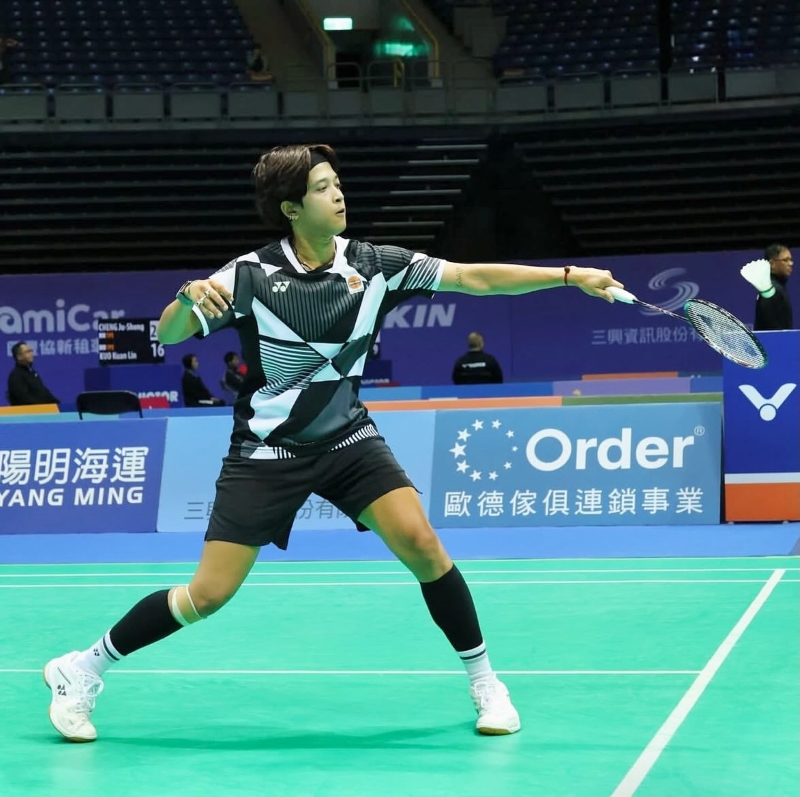
From Asmita to Ashmita, this seems to be a season of highs for these Indian girls. After the exploits of Asmita Dey in judo, winning a big gold medal for India at the Commonwealth Games in Glasgow, now Ashmita Chaliha has grabbed headlines. On Sunday, the southpaw from Guwahati, Assam authored a big win against China’s Han Qian Xi to seal the Korean Masters Super-300 event in Asan, South Korea.
Just to jog readers’ memories, Incheon evokes many memories for old-timers who were fortunate to see Indian athletes win 57 medals at the 2014 Asian Games. The city is close to the South Korean capital, Seoul, and boasts good sports facilities as well as Universities. From Incheon to Asan is a fair distance, but the commute is easy by rapid transit metro.
So, on Sunday, Ashmita conquered ghosts of the past at Asan. It was at the same Korean Open in 2024 that Ashmita sustained a serious medial meniscus tear in her right knee. Hobbling in pain, walking on crutches, she was a picture of dejection. A surgery, followed by long, intense rehab, strength and conditioning, has seen Ashmita bounce back strongly.
Just to jog the readers’ memory, any injury sustained by an athlete in the knee is not easy. Many athletes’ careers have been finished due to an improper, rushed return, which can be deleterious. From hockey to tennis, and even cricket in India, there are several cases where Indians have suffered. Even legendary gymnast Dipa Karmakar paid the price for wrong rehab after a knee surgery.
Ashmita has been smart. She trains at the National Badminton Centre of Excellence in Guwahati, where the personal interest taken by Chief Minister Himanta Biswa Sharma is high. The months of pain for Ashmita and absence had seen her drop in the BWF (Badminton World Federation) rankings. However, this triumph will act as a catalyst in her career.
At 26, she is still has many competitive years left. Watching her play on Sunday with fluency and attack her Chinese opponent, it is clear Ashmita has been mentored well by coach Park Tae-Sang. Park has worked with big badminton stars in the past, PV Sindhu included. He is a hands-on coach who now devotes time in Guwahati, which is an ambitious coaching project. After all, till now, only the Pullela Gopichand Academy on the outskirts of Hyderabad, funded by the Sports Authority of India, was seen as the best school for learning.
The story of Ashmita launching her attack on a full BWF Tour comes after scientific preparation. Her win in Korea was no flash in the pan. She had quarter-final appearances in the China Masters and Malaysian Masters, followed by a semi-final finish at the Macau Open. To peak on Sunday, Ashmita has shown how scientific training helps. “All credit goes to coach Park; I would not have been so energetic otherwise,” said Ashmita.
Ashmita’s surgery was at the hands of famous ortho surgeon Dr Dinshaw Pardiwala, in Mumbai. She was put on crutches so that she would not be forcing weight on her knee and lower limbs. Then, after a proper rest period, under medical protocol, she began her S and C under the best eyes. The strength training was slow and steady. Indeed, the first few weeks were slow, then she increased intensity. At no stage did anyone rush Ashmita so that she could play early.
Working on air biking helped Ashmita, and she had to repair and regain her cardio capacity. Eight months away from courts, the heart and lung capacity needed to be built up systematically. Then came the well-defined gym sessions. The focus area was quads, hamstrings, and surrounding muscles of her knees. Rinse, repeat, train, use physio stuff to heal; Ashmita was bouncing back. Last part was working again on her speed. It was two-pronged: the upper body and how her legs would again dance on the court. Here, Park used his experience as well and guided Ashmita Chaliha.
Back to game focus, strategy, reading match analysis, and how she was going to be mentally back, smash, jump, kill the shuttle, and visualise the perimeter of the badminton court, Ashmita was bouncing back. As for her diet, complex carbs, lean protein, healthy fats, and micronutrients were incorporated in Ashmita’s disciplined diet chart.
Badminton is a speedy sport where fluid and electrolyte loss due to sweating, even in an indoor hall, is high. Ashmita’s hydration involves restoring electrolyte balance. After all, a one-hour match drains her of vital juices. She has to recover and be ready. Well done, Ashmita.
The Fitcart Take: Recovery Is a Process, Not a Shortcut
Ashmita Chaliha’s journey is a powerful example of something every athlete, recreational or elite, needs to understand:
Returning to sport is not simply about getting out of pain. It is about rebuilding capacity.
Following a significant knee injury and surgery, an athlete has to progressively rebuild strength, mobility, cardiovascular fitness, coordination, confidence and sport-specific movement.
The timeline cannot be dictated by impatience.
The fact that Ashmita’s return involved a period on crutches, followed by carefully progressed strength and conditioning, cardiovascular work, physiotherapy, movement retraining and eventually badminton-specific speed and skills highlights an important principle of sports rehabilitation:
Progression matters more than speed.
A premature return can expose an athlete to additional injury risk because the body may not yet have regained the strength, control, endurance or movement capacity required for competition.
That is why rehabilitation should be guided by the athlete’s surgeon, physiotherapist, strength-and-conditioning team and sports medicine professionals.
From Rehabilitation to Performance: What Changes?
Recovery from injury and preparation for elite competition are related, but they are not identical.
During early rehabilitation, the objective may be restoring basic movement, controlling swelling, rebuilding strength, and protecting healing tissues.
As rehabilitation progresses, training can become increasingly demanding.
An athlete may eventually need to develop:
- Lower-body strength
- Hamstring and quadriceps capacity
- Single-leg stability
- Core strength
- Cardiovascular fitness
- Acceleration and deceleration
- Agility
- Reaction speed
- Jumping and landing mechanics
- Sport-specific endurance
- Psychological confidence
For a badminton player, this becomes particularly important.
Badminton involves repeated lunges, rapid changes of direction, explosive jumps, acceleration, deceleration, and short bursts of extremely high-intensity activity.
The athlete therefore needs more than just a “strong knee.”
They need a body capable of repeatedly producing and absorbing force.
Why Strength Training Matters After Injury
Ashmita’s rehabilitation included carefully progressed strength and conditioning.
This is an important lesson for athletes returning from injury.
Strength training can help restore muscle capacity and improve the body’s ability to tolerate training loads. The quadriceps, hamstrings, glutes and calf muscles all play important roles in lower-limb function.
But strength training after surgery should never be copied from an elite athlete’s programme.
Exercise selection, loading, range of movement and progression must be individualised.
A professional athlete may have access to a complete rehabilitation team, including a surgeon, physiotherapist, strength-and-conditioning coach, sports nutritionist and performance coach.
The recreational athlete should follow the same principle of professional guidance, even if the resources are different.
Rebuilding Fitness After Time Away From Sport
One of the less visible challenges of injury is cardiovascular deconditioning.
Ashmita spent approximately eight months away from the badminton court, and her rehabilitation incorporated air biking as part of rebuilding cardiovascular capacity.
This is a useful reminder that fitness is specific to training exposure.
An athlete who has been unable to train normally cannot simply return to their previous workload.
Cardiovascular conditioning can therefore be progressively rebuilt before the athlete returns to the full demands of competition.
The same principle applies to strength, speed and court movement.
You don’t regain competition fitness by jumping straight back into competition. You build it progressively.
Sports Nutrition: Fueling the Comeback
Ashmita’s diet included complex carbohydrates, lean protein, healthy fats and micronutrients.
This combination reflects a fundamental principle of sports nutrition: recovery requires energy and nutrients.
Protein
Protein provides amino acids required for muscle protein synthesis and supports the maintenance and repair of body tissues.
Athletes generally need more protein than sedentary individuals, particularly during periods of heavy training or rehabilitation. However, the ideal intake depends on body size, training load, total energy intake and individual circumstances.
Good food sources include:
- Eggs
- Fish
- Chicken
- Dairy
- Lean meat
- Soy
- Lentils and legumes
- Other protein-rich foods
Protein supplements such as whey or plant protein can be useful when convenient dietary protein is difficult to obtain, but they should complement—not replace—a balanced diet.
Carbohydrates
For a sport as explosive and demanding as badminton, carbohydrates are important fuel.
They help support high-intensity training and competition and contribute to replenishing muscle glycogen after exercise.
Sources can include:
- Rice
- Oats
- Potatoes
- Whole grains
- Fruits
- Wholegrain breads
- Other carbohydrate-rich foods
The quantity and timing should reflect training demands.
Healthy fats
Healthy fats provide energy and essential fatty acids and can form an important part of an athlete’s overall diet.
Nuts, seeds, avocado, olive oil and oily fish are examples of nutrient-rich choices.
Hydration: More Than Just Drinking Water
Ashmita’s experience also highlights another important aspect of badminton performance: hydration.
Indoor environments can sometimes create a false impression that athletes are not losing significant fluid because there is no outdoor heat or direct sunlight.
But intense exercise can produce substantial sweat loss indoors.
Fluid loss can be accompanied by the loss of electrolytes, particularly sodium.
For athletes training and competing for prolonged periods, hydration planning can therefore be an important part of performance and recovery.
Depending on sweat rate, environmental conditions and session duration, an athlete may require a combination of:
Fluids + electrolytes + carbohydrates
rather than relying exclusively on plain water.
A personalised hydration strategy can be particularly useful for athletes who know they are heavy sweaters.
Where Can Supplements Fit Into Recovery?
This is where Fitcart’s approach to sports nutrition becomes relevant.
Supplements should not be viewed as shortcuts around rehabilitation.
Instead, they can be used strategically to help an athlete meet nutritional or performance requirements when food and normal recovery practices alone are insufficient or inconvenient.
Depending on the athlete and the stage of training, sports nutrition products may include:
Protein
Useful for conveniently meeting daily protein requirements and supporting post-training nutrition.
Electrolytes
Useful during prolonged or high-sweat training sessions to help replace fluids and electrolytes.
Carbohydrate
Sports drinks, gels and other carbohydrate products can provide convenient fuel during demanding training and competition.
Creatine
Creatine monohydrate is one of the most extensively researched sports supplements and may support repeated high-intensity exercise and strength development. It can be particularly relevant during structured strength and conditioning, although individual suitability should always be considered.
Omega-3
EPA and DHA provide essential omega-3 fatty acids and may be relevant as part of an overall nutrition strategy, particularly when dietary intake of oily fish is low.
Micronutrients
Vitamins and minerals should primarily come from a nutrient-dense diet. Supplementation is most useful when dietary intake is inadequate or a deficiency has been identified or is considered likely by a healthcare professional.
The Fitcart Quality Check: What Athletes Should Look For
For competitive athletes, what is NOT in the supplement can be just as important as what is in it.
Athletes competing under anti-doping regulations need to be particularly careful with supplement selection because contamination or undeclared ingredients can create significant risks.
Fitcart recommends looking for products with:
✓ Transparent ingredient labels
✓ Clearly stated quantities
✓ Batch testing
✓ Testing for contaminants where appropriate
✓ High-quality raw materials
✓ Transparent manufacturing information
✓ Appropriate sports certification where relevant
✓ Independent banned-substance testing for competitive athletes where available
A premium supplement is not simply one with an impressive ingredient list.
It should also have traceability, quality control and verification.
The Mental Side of Returning to Competition
Physical rehabilitation is only one part of an athlete’s comeback.
After a significant injury, an athlete may have to overcome fear of re-injury, frustration, loss of ranking, interrupted routines and uncertainty about whether they can perform at their previous level.
Returning to competition therefore requires psychological as well as physical preparation.
Ashmita’s progression from injury and surgery to competitive success demonstrates the importance of rebuilding confidence alongside physical capacity.
Visualisation, match analysis, tactical preparation, coach support and repeated exposure to sport-specific movements can all contribute to an athlete feeling ready to compete again.
The objective isn’t simply to convince an athlete that they are ready.
It is to systematically prepare the body and mind until readiness is earned.
Ashmita Chaliha: A Blueprint for the Comeback
Ashmita’s Korean Masters Super 300 victory is more than a tournament result.
It represents what can happen when injury management, rehabilitation, strength and conditioning, coaching, nutrition, hydration and mental preparation work together.
Her journey also reinforces a lesson that applies far beyond elite badminton:
Recovery cannot be rushed. Performance cannot be rebuilt overnight.
- The body needs time to heal.
- Fitness needs to be rebuilt.
- Strength needs to return.
- Movement needs to be retrained.
- Confidence needs to grow.
And eventually, the athlete can once again compete at the level they have worked so hard to reach.
For Ashmita Chaliha, the road from crutches to the winner’s podium in Korea shows that patience, scientific preparation, and disciplined training can make a powerful difference.
From injury to recovery, and from recovery to winning — Ashmita has shown the way.
Fitcart’s Takeaway for Athletes
Whether you’re an international athlete, weekend runner, gym-goer or recreational badminton player, the principles remain remarkably similar:
Train progressively.
Eat adequately.
Hydrate intelligently.
Recover properly.
Use supplements strategically.
Don’t rush injury rehabilitation.
And most importantly, let qualified professionals decide when your body is ready for the next stage.
Supplement Disclaimer
Sports nutrition supplements are intended to complement a balanced diet and structured training programme. They are not medicines and should not be used to diagnose, treat, cure or prevent injury or disease.
Protein, carbohydrate, electrolyte, creatine, omega-3 and other supplements may be appropriate for some athletes but are not necessary or suitable for everyone. Individual requirements vary according to age, body composition, training volume, sport, diet, medical history and competition demands.
Athletes subject to anti-doping regulations should take particular care when choosing supplements. Where possible, select products that have undergone independent batch testing and recognised banned-substance certification.
Always follow the manufacturer’s recommended serving instructions and consult a qualified sports nutritionist, doctor or other healthcare professional when appropriate.
Fitcart recommends choosing supplements that are batch tested and verified for content and quality and checking where the raw materials are produced and where the finished product is manufactured and packaged.
News & Editorial Disclaimer
The news and editorial content published by Fitcart is provided for general informational and sports-interest purposes. While every effort is made to present information accurately and preserve the original context, readers should independently verify time-sensitive news, competition results, rankings, statistics, quotes and other factual information through official sporting or other authoritative sources where appropriate.
Editorial content, opinions and analysis do not necessarily represent the views of Fitcart and should not be interpreted as endorsements by athletes, coaches, sporting organisations, medical professionals or other individuals mentioned in an article.
Where an article contains additional Fitcart commentary on training, nutrition, recovery, hydration or supplementation, this material is provided for general educational purposes and should not be interpreted as personalised medical, nutritional or training advice.
Fitcart does not guarantee the completeness or continued accuracy of information that may change after publication. Readers should refer to official sources for the latest developments.
Fitcart respects the original authorship and attribution of contributed news and editorial material.
Image credit to ashmichaliha on Instagram.
Follow us on X: https://x.com/fitcartofficial and Instagram: https://www.instagram.com/fitcartofficial/ for the latest updates, health insights, and exclusive content.
Follow Smart Nutrition India X: https://x.com/SmartNutrition1 and Instagram: https://www.instagram.com/smartnutritionindia/ for trusted sports nutrition, supplement education, wellness tips, and the latest news from the world of health and performance.
Fitcart believes in True Play and Clean Sport
#trustedbrandsbetterhealth