



Fitcart Sports News Blog.
Authored by S. Kannan (Sports Analyst) and Fitcart Editorial Team Ritu Makhija.
Behind the records, milestones, and mountains climbed, each elite athlete is battling demons. Some are inner, some are medical and some mental. It is no coincidence, when one talks of women’s long jump in India, two names which people will take in the same breath are legend Anju Bobby George, now Vice President of the Athletics Federation of India, and the girl who broke her long-standing National record, Ancy Sojan.
In recent times, the name of Ancy Sojan has been mentioned over and over again. The way the 25-year-old girl has refurbished herself has been telling. Not many would know, in her pursuit of excellence, Ancy went about the task of launching an assault on Anju’s record of 6.83 metres, set at the Athens Olympics in 2004, methodically. Rewind, Anju had worked hard to win a World Championship bronze in France in 2003.
At that time, even though Anju had done well, she was feeling some discomfort. The pain and fatigue at that time was not normal. She had gone for a scan with her husband, Robert Bobby George. It was shocking when the scan revealed Anju had only one kidney, from childhood. That Anju kept quiet about it for over two decades was very surprising. I had asked her five years back, why Anju decided to open up on the topic. After all, not everyone comes forth with info on personal health and inside details.
Anju made it clear, she was not there to gather attention or makes news through waves. Yet, to mention she had only one kidney was, indeed, big news. Imagine, the common man and elite athlete worries about health. It is good, in fact, awareness is increasing. For those who hit the gym trail, indulge in an overdose of protein shakes and hydrate less for six-pack abs, the effects are crazy. It can lead to renal impairment and even damage, more so when pain killers are popped recklessly.
Over 23 years back, Anju knew she was in discomfort and went about her long jump repetition minus hype. She was in pain, not killing, but to get to know there is something abnormal is not easy to deal with. To be sure, the hype around Anju at the Athens Olympics in 2004 was massive. That she did not win a medal cannot be held against her. But she never cited her one kidney as an excuse or mental block.
Cut to the summer of 2026, what Ancy Sojan, from Kerala, had done, is also massive. To cross the barrier of 6.83 metres and go up to 6.88 metres at the National Inter-State Championship was massive. It was path-breaking, an effort which was never dreamt of. Ancy did not talk much of it, but has opened up now on the challenges she had faced as a young athlete.
Coping with PCOD (Polycystic Ovarian Disease), something which affects girls early on, treatment must be started on time. Ancy knew the pattern of irregular period was not normal. Weight gain was affecting her and she was bold enough to seek medical attention in Kerala, a state well-known for good and affordable hospitals, a few years back.
Science played a big role as Ancy Sojan was asked to cut weight. In this process, there was a systematic approach, cut on carbs and eat the right food. What was it? To hack eight kilos, come from 63 to 44, Ancy had to give up rice and maida, both sticky stuff! In came food as meat, veggies, high protein. The approach was scientific, as she knew weight would hurt her. To charge on the runway and then jump, it’s an elaborate exercise.
At the other side, Ancy was also consulting a gynaecologist. She got her first period late, and it was irregular. The medical effort apart, to lose weight and continue with her long jump drills called for effort in a positive way. Deep down, Ancy knew, a drop in body fat percentage would help her perform better. She has done it twice this year and heads to the Asian Games in Aichi/Nagoya, Japan, this September high on confidence.
The Fitcart Performance Perspective: When Fitness Must Come With Health
The stories of Anju Bobby George and Ancy Sojan highlight something that is sometimes forgotten in the modern fitness world: performance is not simply about becoming lighter, stronger or leaner. It is about becoming better while protecting long-term health.
For an elite long jumper, every kilogram, every sprint, every landing and every centimetre can matter. But for recreational athletes and gym-goers, trying to copy an elite athlete’s body weight or diet without professional supervision can be counterproductive.
Ancy’s journey also underlines the importance of investigating persistent changes such as irregular menstrual cycles, unexplained weight changes, fatigue or declining performance rather than simply training harder.
PCOD/PCOS and the Female Athlete
Polycystic ovary syndrome (PCOS) is a common hormonal condition that can involve irregular menstrual cycles, androgen-related symptoms and metabolic changes. The terminology “PCOD” is commonly used in India, but PCOS is the more established medical term.
For active women, menstrual health should not be dismissed as an inconvenience.
Changes in menstrual cycles can sometimes be associated with:
- inadequate energy availability
- excessive training load
- significant weight loss
- hormonal conditions such as PCOS
- nutritional deficiencies
- stress
- inadequate recovery
That makes collaboration between a sports physician, gynaecologist, sports nutritionist and strength-and-conditioning professional particularly valuable when an athlete’s menstrual cycle changes.
The goal should not simply be a lower number on the weighing scale. The goal is optimal health and performance.
Weight Loss Is Not Always the Same as Performance
An athlete competing in a power-to-weight-dependent sport may benefit from an appropriate body composition. But aggressive dieting can also reduce muscle mass, impair recovery and affect hormonal health.
This is particularly important for female athletes.
Cutting carbohydrates completely is also not a universal performance strategy. Carbohydrates are an important fuel source for high-intensity training, sprinting and repeated explosive efforts.
For athletes, the smarter question is often:
How much carbohydrate do I need, when do I need it, and which sources work best for my training?
Rice, potatoes, oats, fruits, whole grains and other carbohydrate-rich foods can all have a place in a well-designed sports nutrition plan.
The Long Jump Is a Full-Body Sport
Long jump may appear to be about one spectacular leap, but the jump is the final product of a highly coordinated sequence.
Performance depends on:
Approach speed → acceleration → rhythm → take-off mechanics → explosive strength → flight control → landing
That means training needs to cover much more than jumping.
A well-rounded programme may include:
- sprint and acceleration work
- lower-body strength
- Olympic-lifting derivatives or explosive movements where appropriate
- plyometrics
- single-leg strength
- core stability
- mobility
- landing mechanics
- recovery sessions
The athlete must also manage training volume carefully. More training is not automatically better training.
Protein: Important, But Don’t Overdo It
Protein is essential for muscle repair and adaptation, particularly when athletes are training frequently.
However, more protein is not automatically better.
Athletes should determine their protein needs according to body size, training volume, overall diet and goals. Whole foods such as eggs, fish, poultry, dairy, legumes and other protein-rich foods can form the foundation.
Protein supplements can be convenient when dietary intake is insufficient or when practical circumstances make whole-food meals difficult.
For Fitcart readers, the important distinction is this:
A protein powder is a food supplement—not a substitute for a properly designed diet.
And anyone with known kidney disease, reduced kidney function or other medical concerns should discuss protein intake and supplementation with an appropriate healthcare professional before making significant changes.
Hydration Is Performance Nutrition
The reference to hydration in the original article is particularly relevant.
Athletes lose fluid and electrolytes through sweat. Even relatively modest dehydration can make exercise feel harder and may negatively affect performance in hot conditions.
Hydration should therefore be individualised according to:
- body size
- training duration
- environmental temperature
- sweat rate
- exercise intensity
- individual electrolyte losses
There is no universal rule that every athlete needs exactly the same quantity of water.
Supplements: Where Do They Fit?
Elite sport has an enormous supplement industry, but supplements should sit at the bottom of the performance pyramid, not the top.
The foundations remain:
1. Quality sleep
2. Adequate calories
3. Appropriate carbohydrates
4. Sufficient protein
5. Fruits and vegetables
6. Hydration
7. Structured training
8. Recovery
9. Medical monitoring where required
Only after those foundations are established should an athlete consider targeted supplementation.
Depending on individual requirements and professional guidance, sports nutrition supplements commonly considered in performance programmes can include protein, creatine monohydrate, electrolytes, caffeine and selected micronutrients.
For competitive athletes, another issue is critical: supplement contamination and banned substances.
Athletes subject to anti-doping rules should look for credible third-party testing and certification programmes and should check every ingredient against the applicable anti-doping regulations.
At Fitcart, we believe athletes and consumers should look beyond the front of a supplement label and ask:
Where was the raw material produced? Where was the product manufactured and packaged? Has the finished product been independently tested? Is the batch traceable?
These questions matter.
Anju and Ancy: Two Generations, One Message
The connection between Anju Bobby George and Ancy Sojan is bigger than a national record.
Anju showed an earlier generation that Indian women could compete at the highest level of global athletics.
Ancy’s achievement demonstrates that the next generation is not simply following that path—it is pushing the performance benchmark higher.
But perhaps the most important lesson is away from the scoreboard.
Elite performance does not mean ignoring the body.
It means listening to it, investigating warning signs, working with qualified professionals and building a training and nutrition system around the individual athlete.
Whether someone is preparing for an Asian Games final or simply walking into a gym after work, the principle remains the same:
Train hard. Fuel intelligently. Recover properly. Monitor your health.
Records may last for years.
A healthy body has to last much longer.
Fitcart Editorial Note
Fitcart’s performance philosophy is simple: science before hype, quality before claims and health before shortcuts.
Consumers considering sports nutrition products should look for transparent ingredient labels, appropriate quality-control practices and credible third-party testing wherever possible. Competitive athletes should take additional care because the consequences of consuming a contaminated supplement can extend beyond health to eligibility and sporting careers.
Disclaimer
This article is for general educational and editorial purposes only and is not intended to diagnose, treat, cure or prevent PCOS/PCOD, kidney disease, hormonal disorders, weight-management conditions or any other medical condition.
The original article contains observations and statements attributed to the author and should not be interpreted as medical advice or as a recommendation to reproduce an elite athlete’s diet, body weight, training programme or supplementation strategy.
Individual nutrition and training requirements vary considerably. Anyone experiencing irregular periods, unexplained weight changes, persistent fatigue, pain, changes in exercise tolerance or other health concerns should consult a qualified healthcare professional. People with kidney or other medical conditions should seek professional advice before significantly increasing protein intake or using supplements.
Supplements should not replace a balanced diet. Competitive athletes should use only appropriately tested products and check ingredients against the current rules of their relevant anti-doping organisation.
Fitcart Editorial Advisory: Where possible, consumers should choose supplements that are batch tested and verified for their stated contents and should check where raw materials are produced and where products are manufactured and packaged. No supplement should be assumed to be risk-free solely because it carries a quality or testing claim.
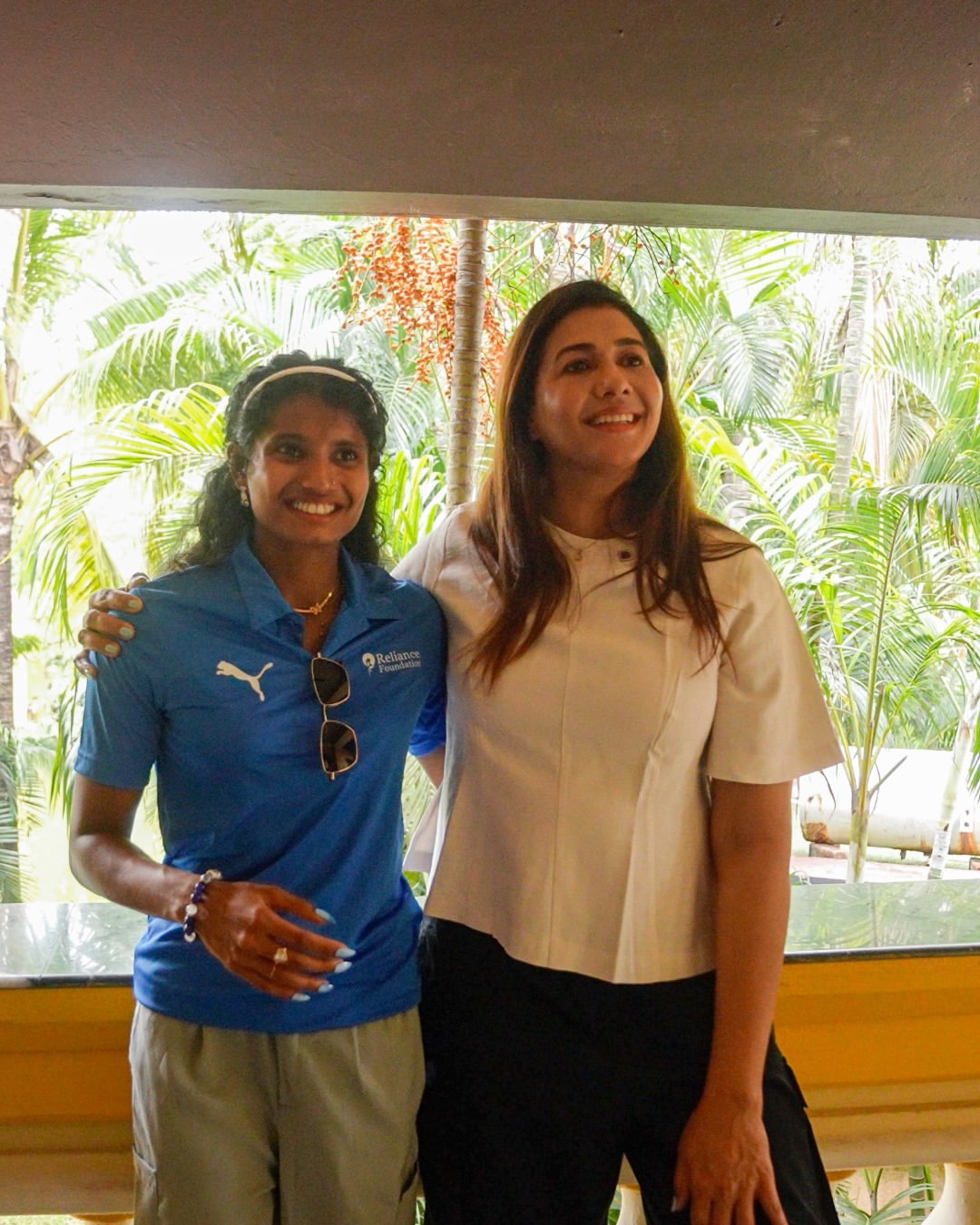
Image credit to anjubgeorge on Instagram.
Follow us on X: https://x.com/fitcartofficial and Instagram: https://www.instagram.com/fitcartofficial/ for the latest updates, health insights, and exclusive content.
Follow Smart Nutrition India X: https://x.com/SmartNutrition1 and Instagram: https://www.instagram.com/smartnutritionindia/ for trusted sports nutrition, supplement education, wellness tips, and the latest news from the world of health and performance.
Fitcart believes in True Play and Clean Sport
#trustedbrandsbetterhealth