


By Fitcart.com / Evidence-Based Nutrition.
Fitcart Editorial Team Ritu Makhija.
Are All Ultra-Processed Foods Really Bad?
Over the past few years, ultra-processed foods (UPFs) have become one of the most debated topics in nutrition. From social media influencers to documentaries, many messages suggest that all processed foods should be avoided.
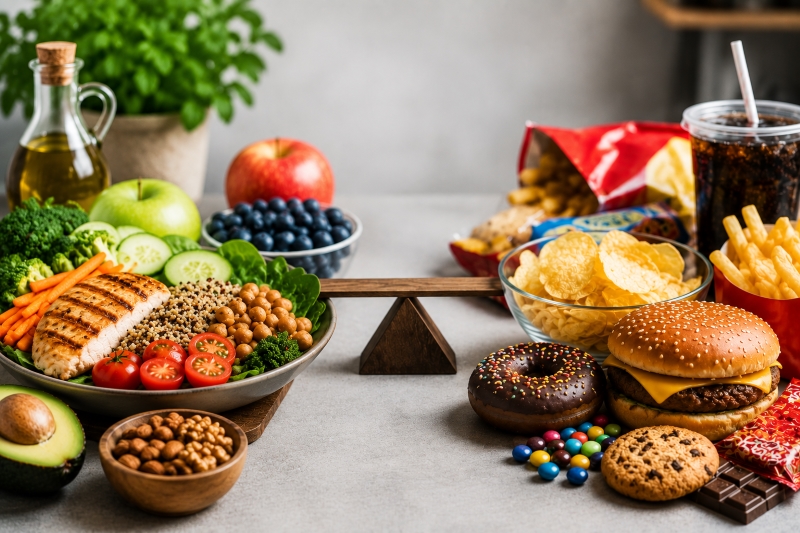
However, emerging research from Harvard researchers involving more than 200,000 adults suggests the picture is far more nuanced. The findings indicate that the overall nutritional quality of your diet may have a greater impact on long-term health than simply whether a food is classified as ultra-processed.
In other words, it’s not just how a food is made—it’s what nutrients it provides and how it fits into your overall eating pattern.
What Are Ultra-Processed Foods?
Ultra-processed foods generally contain ingredients not commonly used in home cooking, such as flavour enhancers, emulsifiers, stabilisers, colours, or preservatives.
Examples include:
- Sugary soft drinks
- Confectionery
- Crisps
- Sweet pastries
- Instant noodles
- Highly processed ready meals
- Processed meats
However, this category also includes foods that can contribute positively to nutrition, such as:
- Fortified breakfast cereals
- Some wholegrain breads
- Canned beans and pulses
- Unsweetened fortified plant-based milks
- Some yoghurts
- Protein powders and sports nutrition products that provide high-quality protein with minimal added sugar
This highlights why judging a food solely by its processing category can be misleading.
What Did the Harvard Study Find?
Researchers analysed dietary patterns from more than 200,000 adults over many years. Their findings suggested that:
- Diets rich in vegetables, fruit, legumes, whole grains, nuts, seeds, and healthy fats were consistently associated with better health.
- Some ultra-processed foods contributed valuable nutrients and supported healthy dietary patterns.
- Not every minimally processed food was automatically healthy. Foods high in saturated fat, added sugar, or salt can still be less nutritious despite limited processing.
- The overall quality of the diet had a stronger relationship with health outcomes than simply avoiding all ultra-processed foods.
The study reinforces an important message: focus on the whole diet rather than judging individual foods in isolation.
Why Nutrient Density Matters
A nutrient-dense food provides high amounts of vitamins, minerals, fibre, protein, or healthy fats relative to its calorie content. Examples include:
🥦 Vegetables
🍓 Fruit
🥜 Nuts and seeds
🫘 Beans and lentils
🐟 Oily fish
🥛 Dairy or fortified alternatives
🌾 Whole grains
These foods help support:
- Heart health
- Brain function
- Muscle maintenance
- Immune function
- Gut health
- Healthy ageing
Processing Isn’t Always a Bad Thing
Food processing can improve:
- Food safety
- Shelf life
- Nutrient availability
- Convenience
- Affordability
For example:
Fortified breakfast cereals can provide iron, folic acid and B vitamins.
Fortified plant-based milks often supply calcium, vitamin D and vitamin B12.
Frozen vegetables retain many nutrients and make healthy eating more convenient.
Canned beans are an affordable source of protein and fibre.
Processing itself is not the enemy—what matters is the nutritional profile of the final product.
Read the Nutrition Label, Not Just the Headlines
Instead of asking whether a food is processed, ask:
- Does it provide quality protein?
- Is it high in fibre?
- Does it contain beneficial vitamins and minerals?
- Is it low in added sugars?
- Is it low in excessive sodium?
- Does it contain mostly recognisable ingredients?
- Does it support my health goals?
These questions often provide more useful information than a processing label alone.
What About Sports Nutrition?
Many sports nutrition products are technically classified as processed or ultra-processed because they undergo manufacturing and quality control.
However, products such as whey protein, electrolyte drinks, recovery formulas, and scientifically formulated sports foods can play a valuable role when used appropriately.
For athletes, these products may help support:
- Recovery
- Muscle protein synthesis
- Hydration
- Performance
- Convenience during travel or competition
The key is choosing products that are batch-tested from trusted manufacturers with transparent ingredients and appropriate quality assurance.
Build a Healthy Diet Without Perfection
Rather than striving for a completely “unprocessed” diet, aim for balance.
✅ Plenty of colourful vegetables
✅ Whole grains
✅ Lean protein
✅ Healthy fats
✅ Fruit
✅ Dairy or fortified alternatives
Plus, where appropriate, convenient foods that help you consistently meet your nutritional needs. Healthy eating is about patterns, not perfection.
The Fitcart.com Perspective
Nutrition science continues to evolve, and this latest Harvard research highlights an important message:
Don’t judge foods solely by how much they are processed. Judge them by the nutrition they provide and the role they play within an overall healthy eating pattern.
For athletes, busy professionals, parents, and active individuals, convenient and nutritious foods can help make healthy eating more achievable.
The goal is not to eliminate every processed food, but to prioritise foods that are rich in nutrients, appropriate for your lifestyle, and support your long-term health.
Fitcart.com Disclaimer
At Fitcart.com, we believe in evidence-based nutrition and informed supplementation. A healthy diet should always form the foundation of good health, while supplements and sports nutrition products should complement—not replace—a balanced eating pattern. We recommend choosing products from reputable manufacturers that prioritise ingredient transparency, quality assurance, and independent batch testing. Athletes should select supplements that are independently tested for prohibited substances and produced in certified manufacturing facilities to support clean sport.
Medical Disclaimer
This article is for educational purposes only and should not be considered medical advice. Nutritional needs vary between individuals depending on age, health status, activity level, and medical conditions. Always consult a qualified healthcare professional or registered dietitian before making significant dietary changes or beginning a new supplementation programme.
Follow us on X: https://x.com/fitcartofficial and Instagram: https://www.instagram.com/fitcartofficial/ for the latest updates, health insights, and exclusive content.
Follow Smart Nutrition India X: https://x.com/SmartNutrition1 and Instagram: https://www.instagram.com/smartnutritionindia/ for trusted sports nutrition, supplement education, wellness tips, and the latest news from the world of health and performance.
Fitcart believes in True Play and Clean Sport
#trustedbrandsbetterhealth