



Fitcart Editorial Team Ritu Makhija.
Can You Reduce “Cortisol Belly” Naturally? Here’s What the Latest Research Says
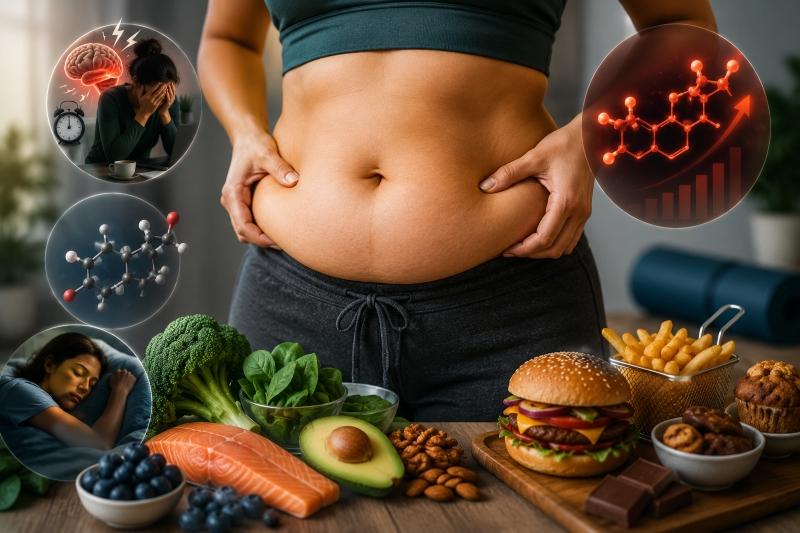
Stress has become an unavoidable part of modern life, but can chronic stress really cause stubborn belly fat? Social media is full of claims about “cortisol belly” and miracle fixes, but what’s actually backed by science?
The truth is that cortisol—the body’s primary stress hormone—does play an important role in metabolism, fat storage, blood sugar regulation, and inflammation. However, the relationship is more complex than many viral posts suggest.
In this article, Fitcart.com explores the science behind cortisol, the enzyme 11β-HSD1, intermittent fasting, exercise, nutrition, and supplements that may help support healthy cortisol balance.
What Is Cortisol?
Cortisol is a hormone produced by your adrenal glands. It helps regulate:
- Blood sugar
- Blood pressure
- Immune function
- Energy production
- Stress response
- Sleep-wake cycles
Short-term increases in cortisol are normal and beneficial. Problems arise when cortisol remains elevated for prolonged periods due to chronic stress, poor sleep, illness, or overtraining.
Is “Cortisol Belly” a Real Medical Condition?
Not officially.
“Cortisol belly” is a popular term used to describe excess abdominal fat associated with chronic stress. While it is not a recognised medical diagnosis, research does show that prolonged cortisol exposure may encourage fat accumulation around the abdomen, particularly visceral fat, which surrounds internal organs.
Unlike fat under the skin, visceral fat is more metabolically active and is linked with:
- Type 2 diabetes
- Cardiovascular disease
- Metabolic syndrome
- Chronic inflammation
The Role of 11β-HSD1: The Cortisol Amplifier
One of the most interesting discoveries in obesity research involves an enzyme called 11β-HSD1 (11-beta hydroxysteroid dehydrogenase type 1).
Rather than creating cortisol from scratch, this enzyme converts inactive cortisone into active cortisol within tissues, especially:
- Abdominal fat
- Liver
- Brain
- Muscle
Scientists sometimes describe this as a “local cortisol amplifier.”
Higher activity of this enzyme inside visceral fat may contribute to:
- Increased abdominal fat storage
- Insulin resistance
- Low-grade inflammation
- Reduced metabolic flexibility
This is one reason researchers have investigated 11β-HSD1 inhibitors as potential treatments for obesity and type 2 diabetes, although none are currently standard clinical therapies.
Does Cortisol Cause Sugar Cravings?
Potentially.
Chronic stress may:
- Increase appetite
- Promote cravings for high-sugar and high-fat foods
- Reduce insulin sensitivity
- Increase blood glucose levels
Cortisol does not simply “turn off” glucose transporters like GLUT4, as some social media posts claim. Instead, prolonged cortisol exposure may impair insulin signalling, making it harder for muscles to take up glucose efficiently.
Can Intermittent Fasting Help?
Intermittent fasting (IF) has become increasingly popular for improving metabolic health and supporting fat loss. Research suggests it may help reduce visceral fat when combined with a balanced diet and healthy lifestyle.
Potential benefits include:
Improved Insulin Sensitivity
Giving the body longer periods without eating may improve insulin sensitivity in some individuals, making it easier to regulate blood sugar.
Reduced Visceral Fat
Studies suggest intermittent fasting can reduce abdominal and visceral fat, particularly when it leads to a sustainable calorie deficit.
Cellular Repair
During fasting, the body activates pathways involved in cellular maintenance, including autophagy, although much of this research comes from animal studies and the effects in humans continue to be investigated.
Better Metabolic Flexibility
Fasting encourages the body to switch more efficiently between using carbohydrates and fat as fuel.
Inflammation
Some studies suggest intermittent fasting may reduce inflammatory markers, although results vary depending on the individual and fasting protocol.
Important Note About Cortisol
Fasting is not suitable for everyone.
Extended fasting may temporarily increase cortisol, particularly:
- During prolonged fasts
- In people already under high stress
- In elite athletes with high training loads
- In individuals consuming too few calories
For many healthy adults, a moderate approach such as 12–14 hours overnight or a well-planned 16:8 schedule can be sustainable. Athletes, pregnant women, people with diabetes taking glucose-lowering medication, or those with a history of eating disorders should seek personalised medical advice before trying intermittent fasting.
Lifestyle Strategies That Really Work
1. Resistance Training
Strength training is one of the most effective ways to reduce visceral fat while preserving lean muscle.
Aim for:
- 3–4 sessions per week
- Progressive overload
- Full-body exercises
2. Daily Walking
Walking after meals can improve blood sugar control and increase daily energy expenditure.
Aim for:
- 8,000–10,000 steps daily
- 10–20 minute walks after meals where possible
3. Prioritise Sleep
Poor sleep can disrupt normal cortisol rhythms.
Target:
- 7–9 hours each night
- Consistent sleep schedule
- Morning daylight exposure
4. Eat Enough Protein
Protein supports:
- Muscle maintenance
- Satiety
- Recovery
- Healthy metabolism
Active individuals often benefit from 1.6–2.2 g of protein per kilogram of body weight per day, depending on their training goals.
5. Choose a Mediterranean-Style Diet
Focus on:
- Vegetables
- Fruit
- Whole grains
- Legumes
- Extra virgin olive oil
- Nuts
- Fish
- Lean protein
This dietary pattern is consistently associated with improved metabolic health and reduced visceral fat.
6. Manage Stress
Reducing chronic stress may help normalise cortisol patterns over time.
Effective strategies include:
- Meditation
- Yoga
- Deep breathing
- Time outdoors
- Social connection
- Mindfulness
Supplements That May Support Healthy Cortisol Balance
While no supplement can “switch off” cortisol production or selectively burn belly fat, some have emerging evidence for supporting stress resilience and overall metabolic health.
Fitcart.com recommends choosing supplements that are manufactured in quality-certified facilities and independently tested where possible.
Potential options include:
- Ashwagandha (KSM-66® or Sensoril®)
- Magnesium Glycinate
- Omega-3 Fish Oil
- Vitamin D (if deficient)
- Probiotics
- Green Tea Extract (EGCG)
Supplements work best when combined with healthy nutrition, adequate sleep, regular exercise, and effective stress management.
The Fitcart.com Takeaway
There is genuine science behind cortisol and abdominal fat, but there is no magic “3-step fix.”
The most effective long-term strategy combines:
- Resistance training
- Daily movement
- Quality sleep
- Stress management
- A balanced, protein-rich diet
- Sustainable calorie control
- Intermittent fasting (where appropriate)
- Evidence-based supplementation
Consistency—not quick fixes—is what delivers lasting results.
Fitcart.com Supplement Quality Statement
At Fitcart.com, we believe quality and safety should always come first. Whenever possible, choose vitamins and supplements that are independently batch tested, certified for ingredient quality and purity, and manufactured in approved, safe, clean, GMP-compliant facilities. Competitive athletes should look for products tested for substances prohibited in sport through recognised third-party testing programmes where appropriate.
Disclaimer
This article is intended for educational and informational purposes only and should not be considered medical advice. Individual nutritional needs and health conditions vary. Always consult your physician, registered dietitian, or other qualified healthcare professional before beginning any new diet, fasting protocol, exercise programme, or supplement regimen, particularly if you have an existing medical condition, are pregnant or breastfeeding, take prescription medications, or have diabetes or other metabolic disorders.
Follow us on X: https://x.com/fitcartofficial and Instagram: https://www.instagram.com/fitcartofficial/ for the latest updates, health insights, and exclusive content.
Follow Smart Nutrition India X: https://x.com/SmartNutrition1 and Instagram: https://www.instagram.com/smartnutritionindia/ for trusted sports nutrition, supplement education, wellness tips, and the latest news from the world of health and performance.
Fitcart believes in True Play and Clean Sport
#trustedbrandsbetterhealth