


Fitcart Editorial Team Ritu Makhija.
Healthy Ageing Starts at the Cellular Level.
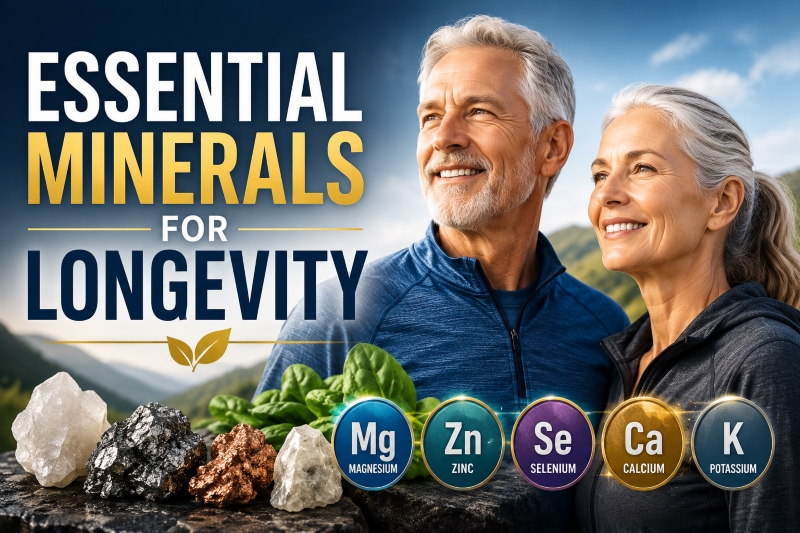
When people think about longevity, they often focus on exercise, sleep, or vitamins. Yet one of the most overlooked aspects of healthy ageing is ensuring adequate intake of essential minerals.
Minerals support virtually every system in the body—from maintaining strong bones and muscles to regulating heart rhythm, producing energy, supporting immune function, and protecting cells from oxidative stress. Although the body needs only small amounts of many minerals, deficiencies can have significant consequences over time.
The encouraging news is that most people can obtain many of these nutrients through a balanced diet, with supplements helping to address specific needs when recommended by a healthcare professional.
Calcium: The Foundation of Healthy Bones
Calcium remains vital throughout life—not just during childhood. It supports bone density, muscle contraction, nerve signalling and cardiovascular function.
Food sources: Milk, yoghurt, cheese, fortified plant drinks, ragi, almonds and leafy green vegetables.
Magnesium: The Mineral of Relaxation
Magnesium is involved in hundreds of enzymatic reactions, contributing to energy production, muscle recovery, nerve function and sleep quality.
Low magnesium intake has been linked to muscle cramps, fatigue and poor recovery.
Food sources: Pumpkin seeds, almonds, cashews, spinach, whole grains and dark chocolate.
Iron: Delivering Oxygen to Every Cell
Iron enables red blood cells to transport oxygen throughout the body. Women of reproductive age, endurance athletes and vegetarians may have higher requirements.
Low iron stores can contribute to tiredness, reduced exercise capacity and impaired concentration.
Food sources: Lean red meat, lentils, beans, spinach, tofu and fortified cereals.
Zinc: Supporting Immunity and Recovery
Zinc contributes to immune function, wound healing, skin health and protein synthesis.
Adequate zinc intake also supports muscle recovery after exercise.
Food sources: Pumpkin seeds, seafood, eggs, nuts and legumes.
Potassium: A Heart-Healthy Mineral
Potassium works alongside sodium to regulate fluid balance, nerve signalling and healthy blood pressure.
Many diets fall short of recommended potassium intake.
Food sources: Bananas, potatoes, avocados, spinach, beans and coconut water.
Sodium: Essential in the Right Amount
Although excessive sodium intake can be harmful for some people, sodium is an essential electrolyte that supports hydration, muscle contraction and nerve function.
Athletes exercising in hot environments may lose substantial sodium through sweat and may benefit from electrolyte replacement.
Iodine: Keeping the Thyroid Healthy
Iodine is essential for thyroid hormone production, helping regulate metabolism, growth and brain development.
Food sources: Seafood, dairy products, eggs and iodised salt.
Selenium: The Antioxidant Mineral
Selenium helps protect cells from oxidative stress while supporting immune and thyroid function.
Just one or two Brazil nuts can provide a significant amount of selenium, but intake should remain moderate to avoid excessive consumption.
Other Minerals Worth Knowing
Copper
Supports collagen formation, connective tissue health and antioxidant defence.
Chromium
Contributes to normal carbohydrate metabolism and healthy blood sugar regulation.
Manganese
Supports bone development and antioxidant enzyme activity.
Phosphorus
Essential for strong bones, teeth and cellular energy production.
Boron
An emerging nutrient of interest for bone health, cognitive function and vitamin D metabolism.
Food First, Supplements Second
A varied diet rich in vegetables, fruits, legumes, whole grains, dairy or fortified alternatives, lean proteins, nuts and seeds should remain the primary source of minerals.
Supplements may be beneficial for individuals with increased requirements, dietary restrictions or medically confirmed deficiencies, but they should complement—not replace—a healthy diet.
Supplement Safety and Quality Matters
When choosing mineral supplements, look for products that provide:
- Transparent ingredient labels
- Appropriate mineral forms with good bioavailability
- Evidence-based formulations
- Third-party or batch testing to international standards
- Manufacturing and packaging in certified facilities
- Reputable brands with strong quality assurance
The Bottom Line
Longevity is not built on a single superfood or supplement. It is the result of consistent daily habits that nourish the body over time.
Essential minerals play a central role in supporting healthy ageing by maintaining bone strength, muscle function, cardiovascular health, immunity and cellular resilience. Combined with regular physical activity, restorative sleep, stress management and a balanced diet, these nutrients help lay the foundation for lifelong health.
Scientific & Educational Disclaimer
This article is intended for educational and informational purposes only and is based on current scientific understanding at the time of publication. It is not intended to diagnose, treat, cure, or prevent any disease and should not replace professional medical advice. Always consult a qualified healthcare professional before starting any supplement regimen, particularly if you have a medical condition, are pregnant, breastfeeding, or taking prescription medications.
Fitcart.com Advisory: Choose Quality You Can Trust
When purchasing creatine or any sports nutrition supplement, always choose products that are independently batch tested and manufactured in certified facilities. Look for transparent labeling, evidence of third-party testing, and products sourced from trusted global brands. Batch testing helps verify purity, potency, and freedom from contaminants, providing greater confidence in the quality and safety of the supplement you consume.
Follow us on X: https://x.com/fitcartofficial and Instagram: https://www.instagram.com/fitcartofficial/ for the latest updates, health insights, and exclusive content.
Follow Smart Nutrition India X: https://x.com/SmartNutrition1 and Instagram: https://www.instagram.com/smartnutritionindia/ for trusted sports nutrition, supplement education, wellness tips, and the latest news from the world of health and performance.
Fitcart believes in True Play and Clean Sport
#trustedbrandsbetterhealth