




Suggested reading time: 11-13 minutes.
Fitcart Editorial Series: Skin, Hormones & Metabolic Health.
Author: Ritu Makhija.
Co-Founder, Fitcart.com.
Head of Editorial Team, Fitcart Blog.
Introduction: Why Muscle Is One of Your Most Important Metabolic Assets
When we think about improving metabolism, the first things that often come to mind are weight loss, calorie restriction, dieting, and cardiovascular exercise.
However, one of the most important tissues involved in metabolic health is often overlooked: skeletal muscle.
Muscle is not simply responsible for movement, physical strength and appearance. It is also a major site of glucose uptake, plays an important role in insulin sensitivity, and contributes to the regulation of whole-body energy metabolism.
Maintaining muscle mass becomes particularly important as we age, especially during hormonal transitions such as perimenopause and menopause.
A decline in muscle mass, reduced physical activity, inadequate protein intake, and increasing abdominal fat can all contribute to changes in metabolic health.
Understanding the relationship between insulin, muscle and metabolism helps explain why resistance training, adequate protein and balanced nutrition should be central to a long-term health strategy.
1. What Is Insulin and Why Is It Important?
Insulin is a hormone produced by the beta cells of the pancreas.
Its primary role is to help regulate blood glucose levels and coordinate how the body uses and stores nutrients.
After eating, carbohydrates are digested into glucose, which enters the bloodstream. In response, the pancreas releases insulin.
Insulin helps:
- Facilitate glucose uptake into skeletal muscle and adipose tissue.
- Promote glycogen storage in the liver and muscles.
- Regulate fat storage and fat breakdown.
- Influence protein synthesis and tissue metabolism.
- Maintain blood glucose within a healthy physiological range.
Insulin is an essential hormone. The objective is not to eliminate insulin or keep it permanently low. It is to maintain healthy insulin production and tissue responsiveness.
2. What Is Insulin Sensitivity?
Insulin sensitivity describes how effectively the body’s cells respond to insulin.
When someone has good insulin sensitivity, a relatively appropriate amount of insulin can produce the required metabolic response.
Insulin resistance occurs when tissues respond less effectively to insulin.
The pancreas may initially compensate by producing more insulin to maintain blood glucose levels. Over time, this can contribute to elevated blood glucose, prediabetes and, in some people, type 2 diabetes.
Insulin resistance is influenced by several factors, including:
- Genetics and family history.
- Excess abdominal and visceral fat.
- Physical inactivity.
- Reduced skeletal muscle activity.
- Sleep disruption.
- Certain medications and medical conditions.
- Age and hormonal changes.
It is important to understand that insulin resistance is not simply a consequence of eating sugar. It is a complex metabolic condition influenced by genetics, body composition, lifestyle and health.
3. Why Skeletal Muscle Is So Important for Blood Glucose Regulation
Skeletal muscle is one of the largest tissues in the human body and a major destination for glucose following meals.
When muscles contract during physical activity, they can increase glucose uptake through pathways that are partly independent of insulin.
This is particularly important because it means that exercise can improve glucose utilisation even in people whose insulin sensitivity is impaired.
Resistance training also stimulates muscle protein synthesis and helps maintain or increase lean muscle mass.
More importantly, stronger and metabolically active muscles provide greater capacity for glucose utilisation across the day.
Muscle is therefore not simply a structural tissue. It is an important component of metabolic health.
4. How Muscle Loss Can Influence Metabolism
Muscle mass naturally changes throughout life.
Ageing, inactivity, inadequate nutrition, prolonged illness and hormonal changes can accelerate muscle loss.
This process becomes particularly relevant in midlife and older adulthood.
A reduction in muscle mass can contribute to:
- Reduced physical strength and functional capacity.
- Lower resting energy expenditure.
- Reduced capacity for glucose disposal.
- Greater difficulty maintaining a healthy body composition.
- Increased risk of frailty and falls with advancing age.
However, resting metabolic rate is influenced by several factors, not muscle mass alone.
The important point is that maintaining muscle helps support both physical independence and metabolic health.
5. Women, Oestrogen and Insulin Sensitivity: What Changes After 40?
Women experience significant hormonal changes during perimenopause and menopause.
Oestrogen influences several tissues, including skeletal muscle, adipose tissue and the cardiovascular system.
During the menopausal transition, changes in oestrogen levels can coincide with:
- Changes in fat distribution.
- Greater accumulation of abdominal fat in some women.
- Changes in muscle mass and strength.
- Alterations in lipid metabolism.
- Changes in insulin sensitivity and cardiometabolic risk.
Ageing, sleep, activity levels, genetics and dietary patterns also contribute. Not every woman experiences the same metabolic changes.
This is one reason why strength training and adequate nutrition become increasingly important during midlife.
Rather than focusing exclusively on weight, women should also consider muscle strength, waist circumference, physical fitness and relevant metabolic health markers.
6. Resistance Training: One of the Most Effective Ways to Support Insulin Sensitivity
Resistance training involves working muscles against an external resistance.
Examples include:
- Weight training.
- Resistance bands.
- Bodyweight exercises.
- Squats and lunges.
- Push-ups.
- Rows and pulling exercises.
- Weight machines.
During resistance exercise, muscle contractions increase glucose uptake.
Over time, regular resistance training can improve muscle strength, increase or preserve lean mass and support insulin sensitivity.
It can also help improve physical function, bone health and body composition.
How Often Should You Strength Train?
For most adults, a practical starting point is two to three resistance-training sessions each week, targeting the major muscle groups.
A programme can include:
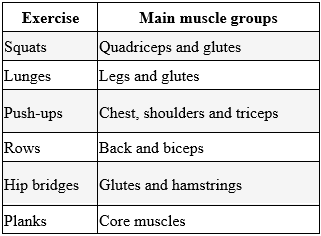
Beginners should start with manageable resistance and progress gradually, ideally with guidance from a qualified trainer.
Consistency matters more than lifting the heaviest possible weights.
7. Walking and Cardiovascular Exercise Also Matter
Resistance training is important, but it should not replace aerobic activity.
Walking, cycling, swimming and other cardiovascular activities help improve cardiorespiratory fitness and metabolic health.
A particularly useful habit is walking after meals.
Post-meal walking activates skeletal muscle and can help reduce the rise in blood glucose following eating.
Even short periods of movement can be useful, particularly for people who spend much of the day sitting.
For general adult health, established physical activity guidelines recommend:
- 150–300 minutes of moderate-intensity aerobic activity each week, or an equivalent amount of vigorous activity.
- Muscle-strengthening activities involving major muscle groups on at least two days each week.
- Regular movement throughout the day and reduced prolonged sitting.
These targets should be adjusted according to fitness, health and individual capacity.
8. Protein: The Nutritional Foundation of Muscle Maintenance
Protein supplies essential amino acids required for muscle repair, maintenance and growth.
Adequate protein becomes especially important during:
- Weight-loss programmes.
- Menopause and ageing.
- Resistance-training programmes.
- Recovery from illness.
- Periods of increased physical activity.
A diet that creates a substantial calorie deficit without sufficient protein and resistance training can increase the risk of losing lean muscle.
How Much Protein Do You Need?
Protein requirements vary with age, activity, health status and goals.
For healthy adults, the basic recommended dietary allowance is approximately 0.8 g per kg of body weight daily.
People undertaking regular resistance training or seeking to preserve muscle during weight loss may benefit from higher intakes, commonly around 1.2–1.6 g/kg/day, depending on individual circumstances.
Some athletic populations may require more.
For people with kidney disease or other medical conditions, protein intake should be individually assessed.
Good Protein Sources
Animal-based sources
- Eggs.
- Fish.
- Chicken.
- Lean meat.
- Milk, yoghurt and paneer.
- Whey protein.
Plant-based sources
- Soybeans and tofu.
- Lentils and dals.
- Chickpeas and kidney beans.
- Peas.
- Quinoa.
- Nuts and seeds.
A combination of different plant proteins can help provide a broad range of essential amino acids.
Does Whey Protein Help Build Muscle?
Whey protein is a complete protein containing all nine essential amino acids.
It is rich in leucine, an amino acid involved in stimulating muscle protein synthesis.
Research supports whey protein as a convenient way to increase daily protein intake, particularly when combined with progressive resistance training.
However, whey is not essential for muscle growth. Adequate protein can also be achieved through whole foods and appropriately planned plant-based diets.
9. Carbohydrates, Fibre and Insulin Sensitivity
Carbohydrates are not inherently unhealthy.
The type, quantity, processing, meal composition and overall dietary pattern all influence post-meal blood glucose responses.
Prioritise:
- Whole grains.
- Oats.
- Millets.
- Beans and lentils.
- Vegetables.
- Whole fruits.
- Fibre-rich foods.
Dietary fibre helps support digestive health and can moderate post-meal glucose responses.
Combining carbohydrate-containing foods with protein, fibre and healthy fats can also influence the rate of digestion and glucose absorption.
Highly refined carbohydrates and sugar-sweetened beverages are best limited as part of an overall healthy eating pattern.
10. Can Supplements Improve Insulin Sensitivity and Muscle Health?
Supplements may complement a suitable diet and training programme, but no supplement replaces physical activity, appropriate nutrition or medical treatment.
Some ingredients have been researched for specific roles in exercise performance and metabolic health.
Creatine Monohydrate
Creatine is one of the most extensively researched sports nutrition ingredients.
It helps replenish phosphocreatine stores, supporting rapid energy production during high-intensity exercise.
When combined with resistance training, creatine supplementation can improve training capacity, strength and gains in lean mass.
It is particularly relevant for people undertaking structured strength training.
Evidence for direct improvement in insulin sensitivity is less established, and creatine should not be promoted as a treatment for insulin resistance.
Choose clearly labelled creatine monohydrate products with appropriate independent quality testing.
Whey and Other Protein Supplements
Protein powders can help people who struggle to meet daily protein requirements through food.
Options include:
- Whey concentrate.
- Whey isolate.
- Casein.
- Soy protein.
- Pea protein.
- Other well-formulated plant protein blends.
The choice should depend on dietary preferences, tolerance, protein quality and individual requirements.
Vitamin D
Vitamin D is important for bone and muscle function.
People with inadequate vitamin D status may require supplementation following appropriate assessment.
However, vitamin D should not be presented as a proven standalone treatment for insulin resistance.
Omega-3 Fatty Acids
EPA and DHA contribute to normal physiological functions and influence triglyceride metabolism.
They may be useful in selected dietary and clinical circumstances, but evidence does not establish omega-3 supplements as a substitute for exercise or treatment of insulin resistance.
Magnesium
Magnesium is involved in glucose metabolism and insulin-related biochemical processes.
Adequate intake is important, and supplementation may be appropriate in people with low intake or deficiency.
However, evidence does not support using high-dose magnesium supplements as a universal solution for metabolic problems.
11. Understanding Metabolic Health: What Should You Monitor?
Body weight alone does not provide a complete picture of metabolic health.
Depending on individual risk factors, a healthcare professional may consider:
- Fasting blood glucose.
- HbA1c.
- Lipid profile.
- Blood pressure.
- Waist circumference.
- Liver health markers.
- Other investigations when clinically indicated.
Fasting insulin and calculated insulin-resistance indices may sometimes be used, but they are not universal diagnostic tests and must be interpreted appropriately.
For women approaching or experiencing menopause, regular preventive health assessments can be particularly valuable.
12. A Practical Daily Strategy for Better Metabolic Health
Morning
- Begin with a balanced, protein-containing breakfast.
- Include walking or other physical activity.
- Avoid prolonged inactivity.
During the day
- Include protein in each main meal.
- Eat vegetables, whole grains and fibre-rich foods.
- Take short movement breaks.
- Walk after meals when practical.
Exercise
- Strength train two to three times weekly.
- Include cardiovascular activity.
- Progress gradually and allow recovery.
Evening
- Eat a balanced meal.
- Maintain consistent sleep timings.
- Avoid excessive late-night eating if it disrupts sleep or overall energy intake.
The Fitcart Takeaway
Muscle is one of the most important assets for healthy ageing and long-term metabolic health.
Insulin sensitivity is influenced by many factors, but regular resistance training, adequate protein, daily movement, sufficient sleep and balanced nutrition provide a strong foundation.
For women in particular, maintaining muscle during perimenopause, menopause and beyond should be a priority.
At Fitcart, we believe sports nutrition should not be limited to athletes. The science behind muscle recovery, protein quality, creatine and evidence-based supplementation is relevant to anyone seeking to maintain strength, mobility and healthy ageing.
Choose supplements that are transparently labelled, appropriately tested and supported by credible scientific evidence.
Build muscle. Support metabolism. Invest in long-term health.
Health and Supplement Disclaimer
This article is intended for educational and informational purposes only and does not constitute medical advice, diagnosis or treatment.
Insulin resistance, prediabetes and diabetes are medical conditions requiring appropriate assessment and management by qualified healthcare professionals.
Exercise, dietary and protein recommendations should be individualised according to age, health status, physical capacity and medical history.
Creatine, protein powders and other supplements are not intended to diagnose, treat, cure or prevent disease. People with kidney disease, diabetes, cardiovascular conditions or other medical concerns should consult their healthcare professional before beginning a new exercise or supplementation programme.
Choose supplements with transparent ingredients, appropriate manufacturing standards and independently verifiable batch-testing information.
Fitcart Editorial Team
Science-led nutrition. Informed choices. Trusted health.
Follow us on X: https://x.com/fitcartofficial and Instagram: https://www.instagram.com/fitcartofficial/ for the latest updates, health insights, and exclusive content.
Follow Smart Nutrition India X: https://x.com/SmartNutrition1 and Instagram: https://www.instagram.com/smartnutritionindia/ for trusted sports nutrition, supplement education, wellness tips, and the latest news from the world of health and performance.
Fitcart believes in True Play and Clean Sport
#trustedbrandsbetterhealth