


Suggested reading time: 9-11 minutes.
Fitcart Editorial Series: Skin, Hormones & Metabolic Health.
Author: Ritu Makhija.
Co-Founder, Fitcart.com.
Head of Editorial Team, Fitcart Blog.
Your skin and digestive system may seem like two separate parts of the body, but research increasingly suggests that they communicate in several important ways. The gut microbiome — the community of bacteria and other microorganisms living in the digestive tract — helps regulate digestion, immune function, and metabolism. These processes can also influence the skin.
This relationship is often called the gut-skin axis. It is an emerging area of research that may help explain why digestive health, inflammation, diet, stress and certain skin conditions sometimes appear to be connected.
But what does the science actually tell us? Can improving gut health help acne, eczema or skin inflammation? And do probiotics, prebiotics and fermented foods make a difference?
Let’s look at what is established, what is promising, and what still needs more research.
1. What is the gut microbiome?
The gut microbiome is the collection of microorganisms that live mainly in the large intestine. It includes many different bacterial species, along with other microbes.
A diverse and balanced gut microbial community contributes to several functions:
- Helps break down components of food that the body cannot digest on its own.
- Produces short-chain fatty acids, including butyrate, from the fermentation of certain dietary fibres.
- Supports the intestinal barrier.
- Interacts with the immune system.
- Contributes to the production and processing of certain vitamins and other metabolites.
The composition of the microbiome differs between individuals. It can be influenced by diet, age, medication, illness, sleep, stress, physical activity and the surrounding environment.
There is no single ideal microbiome profile that applies to everyone. The goal is to support a healthy digestive environment through consistent habits rather than trying to achieve a particular bacterial count or buying products that promise to completely reset the gut.
2. What is the gut-skin axis?
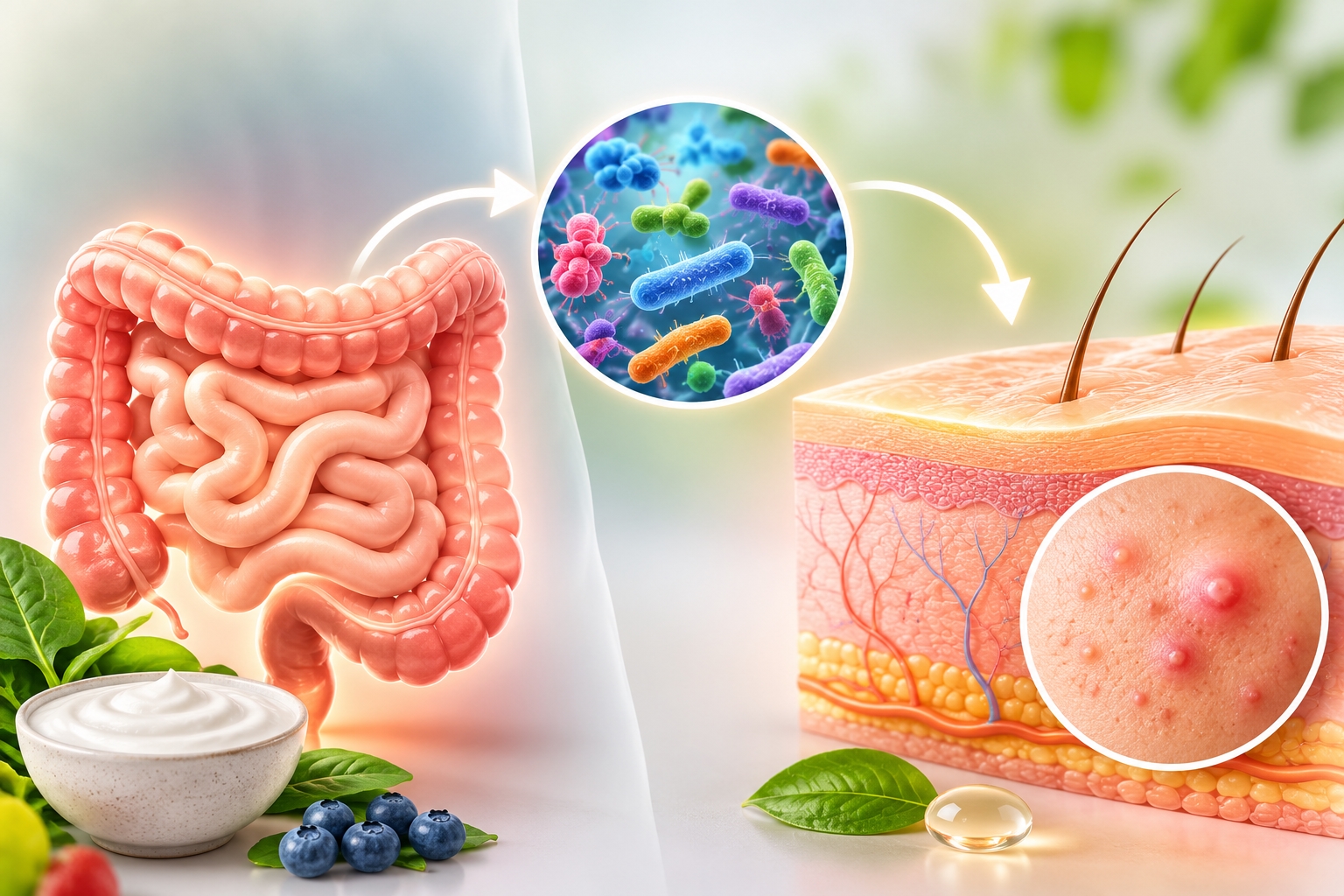
The gut-skin axis describes the two-way communication between the digestive system and the skin.
The gut interacts with the immune system and produces metabolites that can enter the circulation. These signals may influence inflammatory pathways, immune responses and the body’s ability to maintain healthy tissues, including the skin.
The skin also has its own microbiome — a community of microorganisms that live on its surface. This community interacts with the skin barrier and immune system.
Researchers are investigating how changes in the gut microbiome may be associated with changes in skin microbial balance, barrier function and inflammation.
It is important to understand that the relationship is complex. A change in the gut microbiome may be associated with a skin condition without necessarily being its direct cause. Skin health is influenced by genetics, hormones, immune function, environment, skincare and many other factors.
3. How gut health may influence skin inflammation
One of the most interesting areas of research involves the relationship between gut microbes, immune regulation and inflammation.
Certain gut bacteria ferment dietary fibre and produce short-chain fatty acids (SCFAs), including acetate, propionate and butyrate.
These compounds have several biological roles. Butyrate, in particular, is an important energy source for cells lining the colon and is involved in maintaining intestinal barrier function and regulating immune activity.
A diet that regularly includes fibre-rich foods can help support the microbes involved in producing these compounds.
However, eating more fibre should not be presented as a treatment for acne, eczema or other skin diseases. It is one part of a broader dietary pattern that supports general health.
4. Acne and the gut: Is there a connection?
Acne is a multifactorial skin condition. It develops through a combination of factors, including excess sebum production, blocked hair follicles, inflammation, hormonal influences and the activity of Cutibacterium acnes within the skin.
Diet may influence acne in some people. Research has explored associations between acne and high-glycaemic diets, dairy intake and aspects of the gut microbiome.
Some studies suggest that differences in gut microbial composition may be associated with acne. Researchers are investigating whether intestinal inflammation, microbial metabolites and immune signalling could contribute to skin inflammation.
But the evidence is not strong enough to conclude that gut dysbiosis causes acne or that probiotics can reliably clear it.
What may help?
A balanced eating pattern that includes vegetables, pulses, whole grains, fruit, adequate protein and healthy fats is a sensible foundation. Some people may notice that particular foods appear to aggravate their acne. Keeping a food and symptom diary can help identify consistent individual patterns without unnecessarily eliminating entire food groups.
Persistent or inflammatory acne may require evidence-based dermatological treatment. Nutrition should complement, not replace, appropriate skincare and medical care.
5. Eczema, the skin barrier and the microbiome
Atopic dermatitis, commonly known as eczema, is a chronic inflammatory skin condition associated with a weakened skin barrier and immune-system activity.
Researchers have identified differences in gut microbial patterns in some people with atopic dermatitis. There is growing interest in how microbial metabolites and immune signalling may influence skin-barrier function.
Probiotics have also been studied as a possible supportive intervention. However, results vary between studies, age groups, probiotic strains and treatment protocols.
A 2025 systematic review and meta-analysis of microbial interventions in inflammatory skin conditions found that the research remains fragmented and that differences between studies limit firm conclusions. Probiotics should therefore not be considered a replacement for prescribed eczema treatment.
For people living with eczema, regular moisturising, identifying personal triggers and following a dermatologist’s treatment plan remain important.
6. Prebiotics: Feeding beneficial gut bacteria
Prebiotics are substances, often specific types of dietary fibre, that are used by beneficial microorganisms in the gut. They are found naturally in many everyday foods, including:
- Onion and garlic
- Asparagus
- Green bananas
- Oats
- Barley
- Chickpeas and lentils
- Beans and other pulses
- Vegetables and whole grains
When gut microbes ferment certain fibres, they produce metabolites such as short-chain fatty acids.
For Indian diets, a practical way to increase prebiotic intake is to include a variety of dals, chana, rajma, vegetables, fruits, oats and whole grains throughout the week.
Increase fibre gradually, especially if your current intake is low. A sudden increase may cause bloating or discomfort. People with digestive disorders or specific dietary restrictions may need individual advice.
7. Probiotics: Do they improve skin health?
Probiotics are live microorganisms that, when taken in adequate amounts, may provide a health benefit.
They are available in certain fermented foods and dietary supplements. Commonly studied groups include species from the Lactobacillus and Bifidobacterium genera.
Some research has explored probiotics for acne, atopic dermatitis and other inflammatory skin conditions. Proposed mechanisms include effects on gut microbial activity, immune signalling and inflammatory pathways.
However, probiotic effects are strain-specific. Results from one strain or combination cannot automatically be applied to another product.
At present, evidence is not sufficient to recommend probiotics as a stand-alone treatment for acne, eczema or pigmentation. If considering a probiotic supplement, look for clear identification of the strains, the amount provided, storage instructions, expiry information and quality controls. People who are seriously ill or immunocompromised should seek medical advice before using live-microorganism supplements.
8. Fermented foods in an Indian diet
Fermented foods can be a useful part of a varied diet. Depending on how they are prepared, they may contain live microorganisms or compounds produced during fermentation.
Examples include:
- Plain curd or yoghurt with live cultures
- Traditional fermented dosa and idli batter
- Some fermented regional foods
- Certain fermented vegetables
Not every fermented food is a probiotic. Cooking, processing, storage, and fermentation methods affect whether live microorganisms remain in the final food.
Choose foods that suit your digestion and overall nutritional needs. Plain curd or yoghurt can also provide protein and calcium, while fermented batters can form part of a balanced meal.
Fermented foods are not a substitute for medical treatment or a guaranteed way to improve a skin condition.
9. A practical gut-friendly eating pattern for healthier skin
Rather than focusing on one superfood or supplement, aim for variety and consistency.
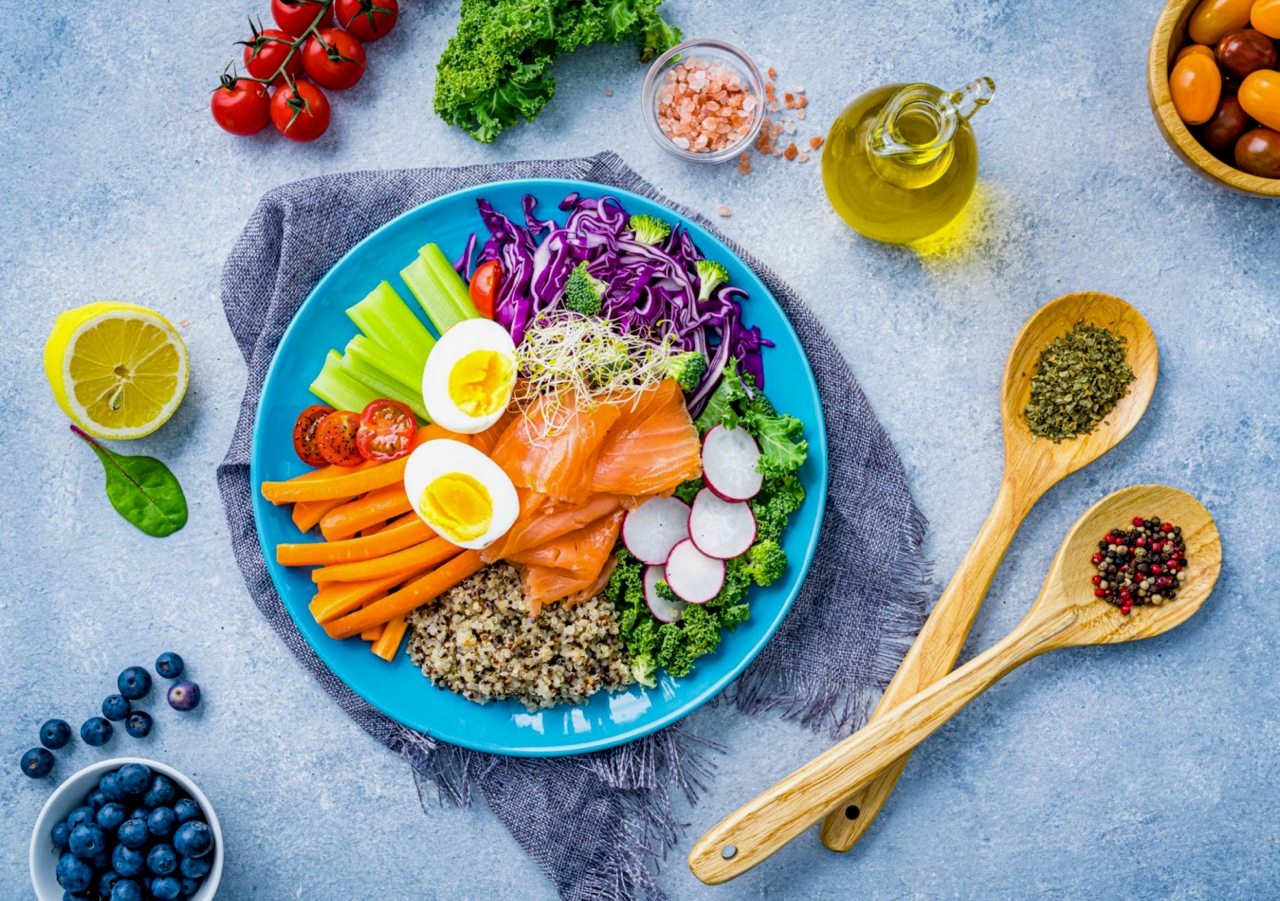
Include fibre daily. Eat vegetables, fruit, pulses, beans, whole grains, nuts and seeds. Different plant foods provide different types of fibre and support a broader range of gut microbes.
Eat enough protein. Include eggs, fish, chicken, dairy, tofu, soy, lentils, chickpeas or other suitable sources. Protein provides amino acids required for the maintenance and repair of body tissues.
Choose healthy fats. Nuts, seeds, olive or mustard oil, and oily fish where suitable can contribute unsaturated fats and essential fatty acids.
Limit excessive reliance on highly refined foods. Frequent consumption of foods high in added sugars and low in fibre can make it harder to maintain a balanced dietary pattern.
Stay hydrated. Adequate fluid intake supports normal digestive function. More water than your body needs, however, is not a skin-clearing treatment.
Move regularly. Physical activity supports metabolic and cardiovascular health and can contribute to general wellbeing.
Prioritise sleep and stress management. Sleep and stress influence immune, hormonal and digestive processes. Consistent sleep routines and regular movement can support overall health.
10. Should you take gut-health supplements for your skin?
The supplement market includes probiotics, prebiotics, synbiotics, digestive enzymes and other products promoted for skin health.
These products are not interchangeable.
- Probiotics provide selected live microorganisms.
- Prebiotics provide substrates that certain microorganisms can use.
- Synbiotics combine live microorganisms with substrates intended to support them.
- Postbiotics refer to preparations of inanimate microorganisms and/or their components that may provide a health benefit.
The evidence for these products differs by formulation and health condition. A supplement studied for one digestive or inflammatory condition cannot automatically be assumed to improve acne or eczema.
Before purchasing a product, check the ingredients, strain identification where relevant, dosage, storage requirements, expiry date and quality documentation. Prefer products with transparent manufacturing and appropriate independent quality testing.
Fitcart’s approach is to encourage informed supplement choices, transparent ingredients and credible quality assurance. Batch testing and certification can help provide information about product quality and, where relevant, prohibited-substance screening. They do not establish that a supplement treats a skin condition or is suitable for every individual.
11. When should you seek professional advice?
Consult a dermatologist if you have persistent acne, worsening eczema, painful skin inflammation, unexplained rashes or skin symptoms that are affecting your quality of life.
Seek medical advice for ongoing digestive symptoms such as persistent diarrhoea, blood in the stool, unexplained weight loss or severe abdominal pain.
Do not assume that a skin condition is caused by poor gut health. A proper assessment can help identify the cause and prevent delays in effective treatment.
The Fitcart Takeaway
The gut and skin are connected through complex interactions involving the microbiome, immune system, intestinal barrier and microbial metabolites. Research is developing, particularly in inflammatory skin conditions, but many proposed treatments are still being investigated.
The most reliable starting point is a varied, fibre-rich diet, adequate protein, healthy fats, regular physical activity, sufficient sleep and appropriate skincare.
Probiotics and other gut-health supplements may have a role in selected circumstances, but they are not universal solutions for acne, eczema or other skin concerns.
At Fitcart, we believe that better health decisions begin with science, transparent information, and responsible nutrition. Build healthy habits first, understand the evidence behind supplements, and seek professional guidance when a skin or digestive concern persists.
Medical, Nutrition & Supplement Disclaimer
This article is intended for general educational and informational purposes only. It is not a substitute for professional medical advice, diagnosis, or treatment. Acne, eczema, and other skin conditions can have multiple causes and should be assessed by a qualified healthcare professional when persistent or severe.
Dietary changes and supplements do not replace prescribed medication or dermatological treatment. Probiotic effects may vary by strain, formulation, and individual health status. Consult a qualified doctor or registered dietitian before starting supplements, particularly if you are pregnant, breastfeeding, immunocompromised, taking medication or managing a medical condition.
Supplement quality, ingredient transparency, and independent testing are important considerations, but certification or batch testing does not guarantee a therapeutic effect or suitability for every person. Always follow product directions and consult a healthcare professional when in doubt.
Follow us on X: https://x.com/fitcartofficial and Instagram: https://www.instagram.com/fitcartofficial/ for the latest updates, health insights, and exclusive content.
Follow Smart Nutrition India X: https://x.com/SmartNutrition1 and Instagram: https://www.instagram.com/smartnutritionindia/ for trusted sports nutrition, supplement education, wellness tips, and the latest news from the world of health and performance.
Fitcart believes in True Play and Clean Sport
#trustedbrandsbetterhealth