


Suggested reading time: 11-13 minutes.
Fitcart Editorial Series: Skin, Hormones & Metabolic Health.
Author: Ritu Makhija.
Co-Founder, Fitcart.com.
Head of Editorial Team, Fitcart Blog.
Introduction: Can Supplements Really Improve Your Skin, Hair and Hormonal Health?
The global beauty and wellness industry has seen enormous growth in nutritional supplements designed to improve skin quality, support hair growth, strengthen nails and promote hormonal wellbeing.
From collagen peptides and omega-3 fatty acids to biotin, zinc, vitamin D and specialised botanical ingredients, consumers have more choices than ever.
But which supplements are genuinely supported by science? Which are useful only when nutritional deficiencies are present? And which claims are based more on marketing than convincing clinical evidence?
Healthy skin, hair and hormonal function depend on a complex interaction between genetics, nutrition, hormones, metabolism, sleep, lifestyle and overall health.
Supplements can play a valuable role in addressing nutritional gaps and supporting specific physiological functions. However, they cannot compensate for poor nutrition, untreated hormonal disorders, inadequate sleep, or underlying medical conditions.
This final article in the Fitcart Skin, Hormones & Metabolic Health series examines some of the most researched nutrients and supplement ingredients, their potential benefits, the limitations of current evidence, and what consumers should consider before purchasing them.
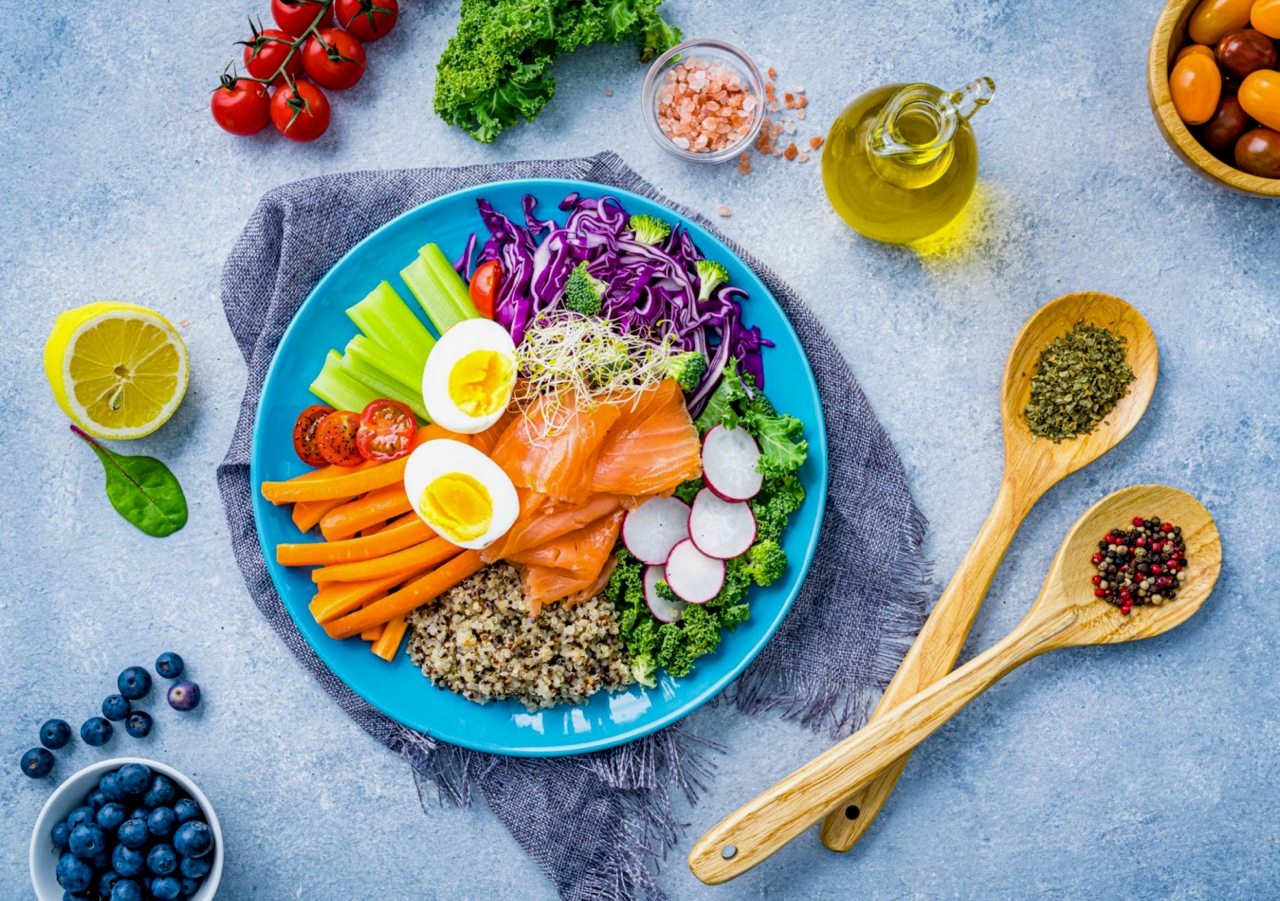
1. Understanding the Connection Between Nutrition, Skin and Hair
Skin and hair are metabolically active tissues requiring a continuous supply of nutrients.
The skin depends on adequate protein, essential fatty acids, vitamins, minerals and antioxidants to maintain its structure, barrier function and repair processes.
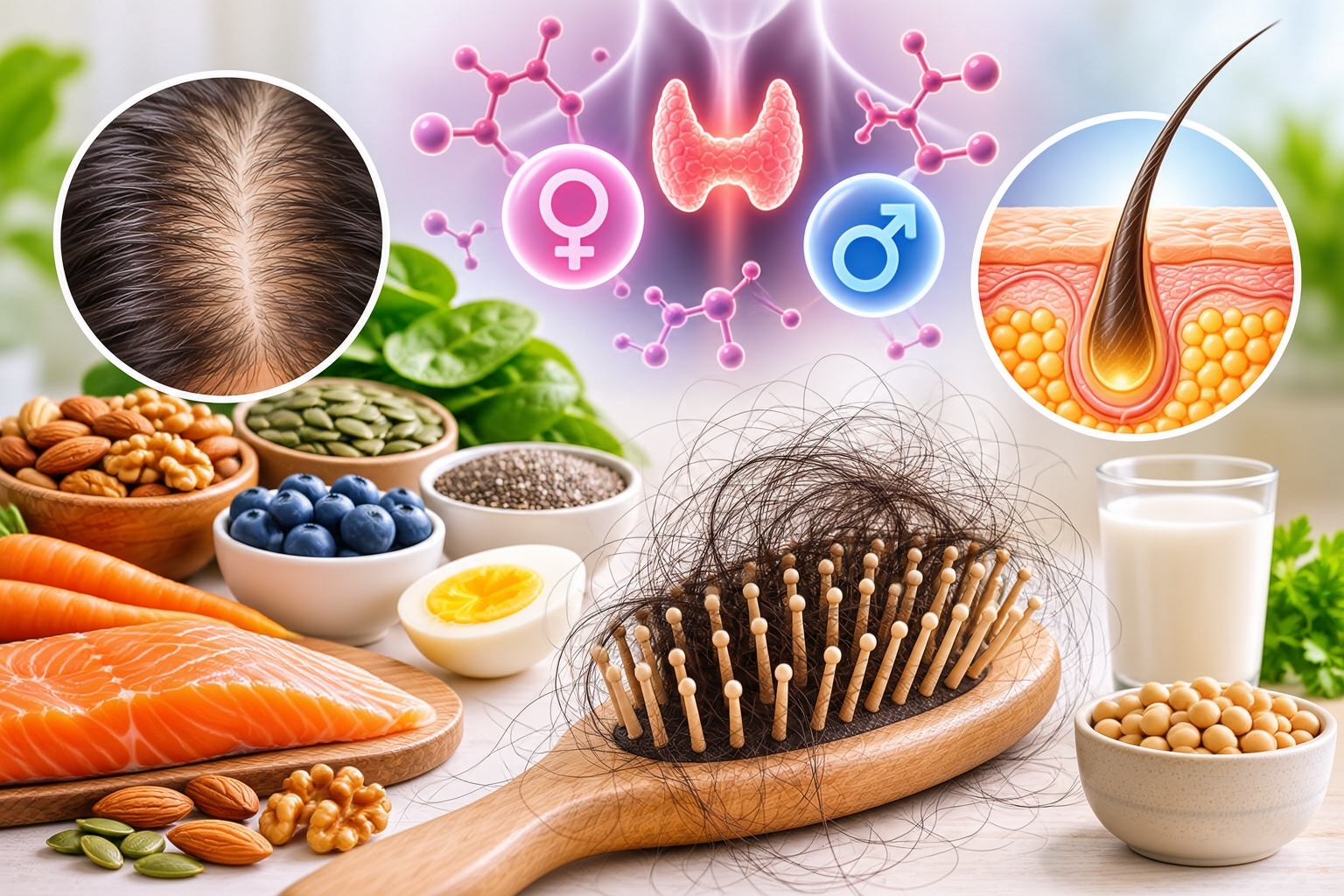
Hair follicles are also highly active structures. Their growth cycle is influenced by genetics, hormones, nutritional status and general health.
Nutritional deficiencies can contribute to:
- Increased hair shedding.
- Brittle nails.
- Dry or irritated skin.
- Impaired wound healing.
- Changes in hair structure and quality.
However, these symptoms are not specific to nutritional deficiencies. Thyroid conditions, hormonal disorders, autoimmune diseases, medications and genetic factors can produce similar symptoms.
The first step should therefore be understanding the underlying cause rather than automatically starting a beauty supplement.
2. Collagen Peptides: Can They Support Skin Health?
Collagen is the most abundant structural protein in the human body.
It provides structural support to skin, bones, cartilage, tendons and connective tissues.
As we age, collagen production and organisation change. UV exposure, smoking, environmental factors and hormonal changes can also influence skin structure.
Collagen peptides are produced by breaking down collagen into smaller protein fragments that can be consumed as supplements.
What Does the Research Suggest?
Some clinical trials and systematic reviews suggest that oral collagen peptide supplementation may produce modest improvements in skin hydration and elasticity in certain populations.
However, the evidence has limitations, including differences in collagen sources, peptide composition, dosage, study duration and research quality.
There is also ongoing debate about the extent of benefits in healthy individuals and the influence of commercial sponsorship on published research.
Collagen is digested into amino acids and peptides. It does not travel directly to the skin and become new collagen in a simple one-to-one process.
What Should Consumers Look For?
When considering a collagen product, examine:
- Clearly declared collagen source.
- Type of collagen and peptide information.
- Amount provided per serving.
- Independent quality and contaminant testing.
- Transparent manufacturing and ingredient information.
Vitamin C is also important because it is required for normal collagen synthesis.
Fitcart perspective: Collagen peptides may be a useful nutritional addition for selected consumers, but they should not be marketed as a replacement for adequate protein intake, a balanced diet or sun protection.
3. Vitamin C: Essential for Collagen Formation and Antioxidant Protection
Vitamin C is one of the most important nutrients for normal skin physiology.
Its functions include:
- Supporting collagen synthesis.
- Contributing to antioxidant protection.
- Supporting normal immune function.
- Helping improve absorption of non-haem iron from plant foods.
Vitamin C deficiency can impair collagen formation and wound healing.
Food Sources
Excellent dietary sources include:
- Amla.
- Guava.
- Oranges and lemons.
- Kiwi.
- Strawberries.
- Capsicum.
- Broccoli.
Most people who consume a varied diet can obtain adequate vitamin C from food.
Supplementation may be useful when dietary intake is insufficient, but taking excessive quantities does not necessarily produce additional skin benefits.
4. Biotin: Does It Really Make Hair Grow?
Biotin, also known as vitamin B7, is widely marketed for hair growth, stronger nails and healthy skin.
It participates in several important metabolic reactions, including those involved in fat, carbohydrate and protein metabolism.
Biotin deficiency can cause hair thinning, skin rashes and brittle nails.
However, biotin deficiency is uncommon in otherwise healthy people consuming a balanced diet.
What Does the Science Say?
The NIH Office of Dietary Supplements notes that evidence supporting high-dose biotin supplementation for hair, skin and nails in people without deficiency is limited.
This is an important distinction.
A nutrient that is essential for normal hair growth does not automatically become more effective when consumed in quantities far above physiological requirements.
High-dose biotin can also interfere with certain laboratory tests, including some thyroid hormone and cardiac-related tests, potentially producing misleading results.
Always inform your healthcare professional and laboratory if you are taking biotin supplements.
Fitcart recommendation: Avoid choosing a hair supplement solely because it contains several thousand micrograms of biotin. Look at the complete formulation, nutritional requirements, ingredient quality and evidence.
5. Zinc: Important for Hair Follicles, Skin and Normal Hormonal Function
Zinc is an essential trace mineral involved in hundreds of enzymatic processes.
It contributes to:
- Normal cell division and growth.
- Protein synthesis.
- Immune function.
- Wound healing.
- Normal reproductive function.
- Maintenance of healthy skin.
Zinc deficiency can be associated with hair loss, skin changes and impaired wound healing.
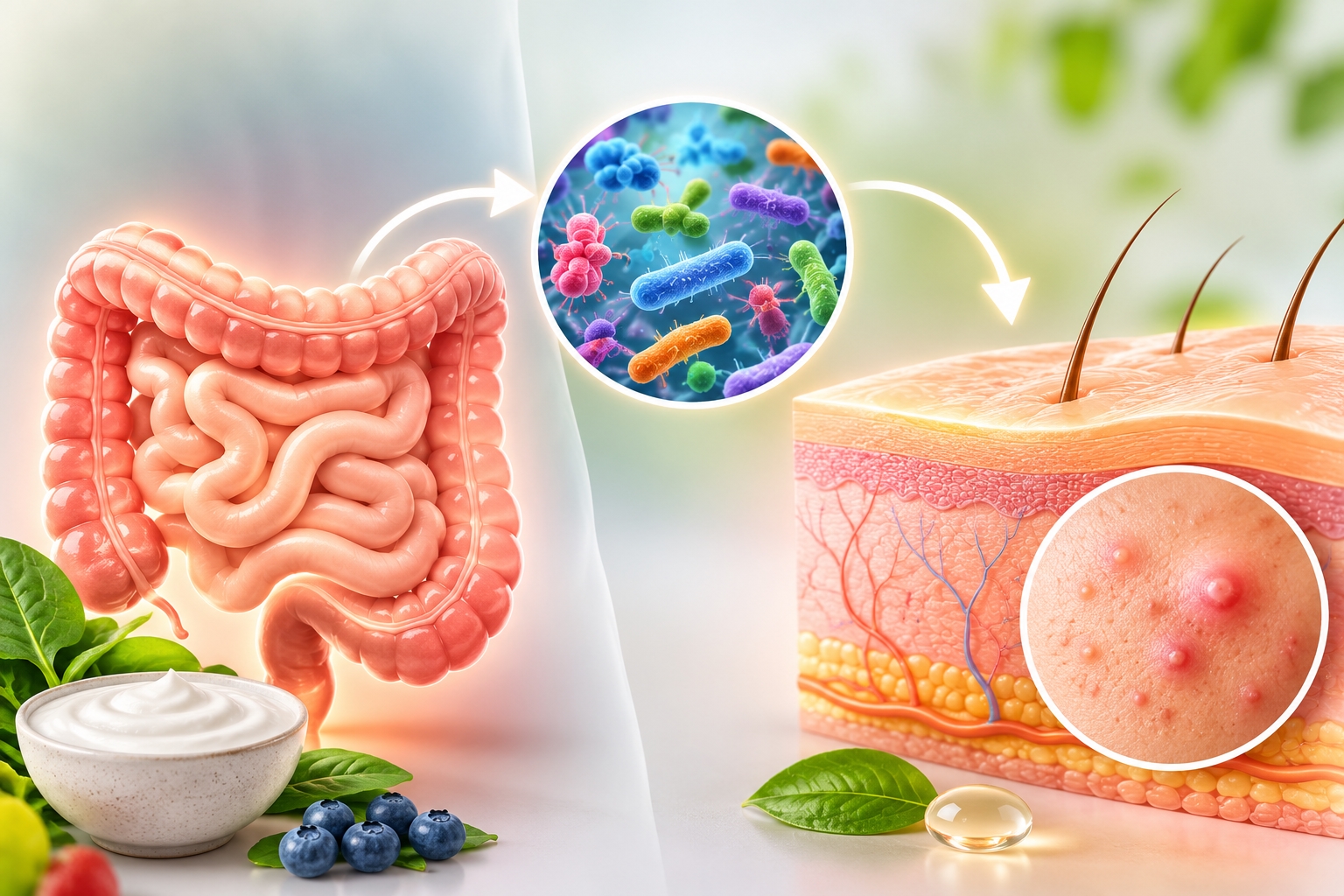
Zinc has also been studied in acne management because of its role in immune and inflammatory processes.
However, clinical evidence varies, and zinc supplementation should not be considered a replacement for established acne treatment.
Food Sources
- Meat and seafood.
- Eggs and dairy.
- Pumpkin seeds.
- Chickpeas.
- Lentils.
- Nuts.
- Whole grains.
People following predominantly plant-based diets may need to pay closer attention to zinc intake because phytates in some plant foods can reduce zinc absorption.
Excessive zinc supplementation can cause nausea and, with prolonged high intake, copper deficiency and other complications.
6. Iron: An Important Nutrient for Hair Health
Iron is essential for oxygen transport, energy production and normal cellular function.
Low iron stores, particularly iron deficiency, may contribute to diffuse hair shedding in some individuals.
This is especially relevant for women experiencing heavy menstrual bleeding, those with inadequate dietary iron intake and people with certain gastrointestinal conditions.
However, hair loss is not a reliable diagnostic indicator of iron deficiency.
Iron-Rich Foods
Animal sources
- Red meat.
- Fish.
- Chicken.
Plant sources
- Lentils.
- Chickpeas.
- Beans.
- Spinach.
- Fortified cereals.
- Seeds.
Combining plant-based iron sources with vitamin C-rich foods can improve non-haem iron absorption.
Should Everyone With Hair Loss Take Iron?
No.
Iron supplementation should generally be guided by appropriate clinical assessment and laboratory investigations.
Taking iron unnecessarily can cause gastrointestinal problems and, in excessive amounts, toxicity.
Ferritin, haemoglobin and other investigations may be considered by a healthcare professional depending on the clinical situation.
7. Vitamin D: Beyond Bones and Immunity
Vitamin D is important for calcium regulation, bone health, muscle function and several physiological processes.
Vitamin D receptors are also present in skin and hair follicle cells.
Low vitamin D status has been observed in some people with hair and skin conditions, including certain forms of alopecia.
However, an association does not necessarily establish that supplementation will treat the condition.
Vitamin D supplementation is particularly relevant when dietary intake, sun exposure or other factors place someone at risk of inadequate vitamin D status.
Excessive supplementation can cause hypercalcaemia and other health problems.
Testing and supplementation should be based on individual requirements rather than automatically taking high doses.
8. Omega-3 Fatty Acids: Supporting Cell Membranes and Inflammatory Regulation
Omega-3 fatty acids are important components of cell membranes and participate in the regulation of several physiological processes.
The main long-chain omega-3 fatty acids are:
- EPA (eicosapentaenoic acid).
- DHA (docosahexaenoic acid).
They are found primarily in oily fish and certain seafood.
Plant foods such as flaxseeds, chia seeds and walnuts provide ALA (alpha-linolenic acid), which the body can convert into EPA and DHA, although conversion is limited.
Potential Relevance to Skin Health
Omega-3 fatty acids have been studied for their role in inflammatory skin conditions and skin barrier function.
Some small studies suggest potential benefits in selected conditions, but evidence is not sufficient to claim that omega-3 supplements universally improve skin quality, acne or hair growth.
Food First
Consider including:
- Salmon.
- Sardines.
- Mackerel.
- Flaxseeds.
- Chia seeds.
- Walnuts.
Fish oil supplementation may be appropriate when dietary omega-3 intake is low or for certain clinical indications.
Consumers taking anticoagulants or medications affecting blood clotting should discuss supplementation with their healthcare professional.
9. Magnesium and B Vitamins: Supporting Metabolic and Nervous System Health
Magnesium and B vitamins are often included in supplements marketed for hormonal balance, energy, sleep and general wellbeing.
Their physiological roles are important, but marketing claims should be examined carefully.
Magnesium
Magnesium participates in:
- Energy metabolism.
- Normal muscle contraction and relaxation.
- Nervous system function.
- Protein synthesis.
- Normal glucose metabolism.
Food sources include nuts, seeds, legumes, whole grains and green vegetables.
Magnesium supplementation may be useful for individuals with inadequate intake or specific clinical requirements.
Evidence for magnesium as a universal treatment for hormonal imbalance, insomnia or stress is limited.
Vitamin B12
Vitamin B12 is essential for normal red blood cell formation, neurological function and DNA synthesis.
Deficiency may contribute to anaemia, fatigue and neurological symptoms.
Vegetarians and vegans are particularly important groups to consider because reliable natural food sources of B12 are predominantly animal-based.
Folate and Other B Vitamins
Folate is important for DNA synthesis and cell division.
B6, B12 and other B vitamins participate in numerous metabolic processes.
However, excessive supplementation, particularly with high-dose vitamin B6 over prolonged periods, can cause adverse effects including nerve damage.
A balanced approach is preferable to unnecessarily high-dose formulations.
10. Hormonal Health: Can Supplements Balance Your Hormones?
Hormones regulate many aspects of health, including reproductive function, metabolism, appetite, sleep, bone health and skin physiology.
During different stages of life, hormone levels naturally change.
Examples include:
- Menstrual cycle fluctuations.
- Pregnancy and postpartum changes.
- Perimenopause and menopause.
- Age-related changes in sex hormones.
- Changes associated with thyroid disorders and metabolic conditions.
Supplements are frequently marketed as hormonal balancers.
However, the term is often used without a clear scientific or medical definition.
There is no single supplement that can balance all hormones.
Myo-Inositol
Myo-inositol is involved in cellular signalling and has been studied in women with polycystic ovary syndrome (PCOS).
Some research suggests potential benefits for selected metabolic and reproductive outcomes, including certain measures of insulin sensitivity and ovulatory function.
However, evidence remains variable, and international PCOS guidance recognises uncertainty around the clinical benefits, optimal formulation and dosage of inositol.
It should not be promoted as a universal hormonal treatment or a substitute for medical management of PCOS.
Ashwagandha
Ashwagandha is a botanical ingredient used traditionally in Ayurvedic medicine.
Some clinical studies suggest potential effects on perceived stress and sleep, but studies are generally limited by sample size, duration and differences in extract composition.
It is not an established treatment for hormonal imbalance.
There are also safety considerations, including possible liver injury, effects on thyroid function and interactions with medications. It should be avoided during pregnancy and used only with appropriate professional guidance.
Other Botanical Ingredients
Ingredients such as spearmint, maca and other plant extracts are also marketed for women’s hormonal health.
The quality of evidence varies considerably.
Traditional use, preliminary laboratory research and small clinical trials should not be confused with established clinical effectiveness.
Consumers should be cautious about products promising to correct PCOS, reverse menopause or restore hormonal balance.
11. Collagen, Protein and Muscle: Why Beauty and Fitness Nutrition Are Connected
An important development in modern nutrition science is the growing recognition that skin health, muscle maintenance and metabolic health are interconnected.
Adequate protein provides amino acids for tissue maintenance and repair.
Resistance training stimulates muscle protein synthesis and helps preserve lean mass.
Vitamin C supports collagen formation, while adequate energy and micronutrient intake support normal physiological functions.
These processes are not isolated.
A person following an extremely restrictive diet may compromise protein and micronutrient intake, potentially affecting muscle maintenance, hair health and overall wellbeing. A balanced nutritional approach should therefore include:
- Adequate daily protein.
- Essential fatty acids.
- Fruit and vegetables.
- Whole grains and legumes.
- Sufficient dietary energy.
- Regular resistance training.
- Consistent sleep and recovery.
12. How to Choose a Quality Supplement: Why Testing and Transparency Matter
The supplement market includes products with widely varying ingredient quality, manufacturing standards, formulation transparency, and testing practices.
A product’s attractive packaging or extensive list of ingredients does not automatically establish its quality or effectiveness.
For consumers, especially athletes, product quality and traceability deserve particular attention.
What Should You Check Before Buying?
1. Transparent ingredient labels
The product should clearly identify ingredients, quantities per serving and relevant allergen information.
2. Independent batch testing
Look for credible third-party testing programmes and verifiable batch or lot information.
3. Testing for contaminants
Depending on the product, testing may include heavy metals, microbiological contamination, and other relevant quality parameters.
4. Manufacturing standards
Look for appropriate manufacturing quality systems, such as GMP or cGMP, where applicable.
5. Sport certification
Competitive athletes should pay particular attention to sport-specific certification programmes. Examples include:
- Informed Sport.
- Informed Protein.
- NSF Certified for Sport.
- HASTA.
- BSCG.
- Cologne List.
These programmes have different scopes and testing protocols. A certification should be checked against the exact product and, where applicable, batch or lot number.
No certification guarantees zero risk of contamination or replaces the athlete’s responsibility to check the product.
Why Batch Testing Matters
A product-level marketing claim is not necessarily proof that every production batch has undergone independent testing.
Batch-specific testing and traceability help consumers establish greater confidence in product quality.
For athletes subject to anti-doping regulations, contamination with prohibited substances can have serious consequences.
This is why selecting appropriately certified and independently tested products is particularly important in sports nutrition.
13. Fitcart’s Approach to Informed Supplementation
At Fitcart.com, we believe consumers should have access to international sports nutrition, health and wellness brands with transparent product information and responsible quality standards.
Our approach is built around three important principles:
Science and evidence-based formulations.
Understanding the ingredients, their physiological roles and the quality of supporting research.
Clean and transparent ingredients.
Encouraging consumers to examine ingredient declarations, sourcing, manufacturing and quality information.
Athlete-tested and trusted by the world’s best.
Recognising the importance of appropriate testing, traceability and sport-specific certification for athletes and active consumers.
Fitcart’s focus on batch-tested products and credible quality programmes is intended to help consumers make more informed purchasing decisions.
We believe that quality should be evaluated through evidence, manufacturing standards, transparency and appropriate testing rather than marketing claims alone.
14. Building a Practical Skin, Hair and Hormonal Health Supplement Strategy
There is no universal supplement stack suitable for everyone.
The most sensible approach is to identify individual requirements.
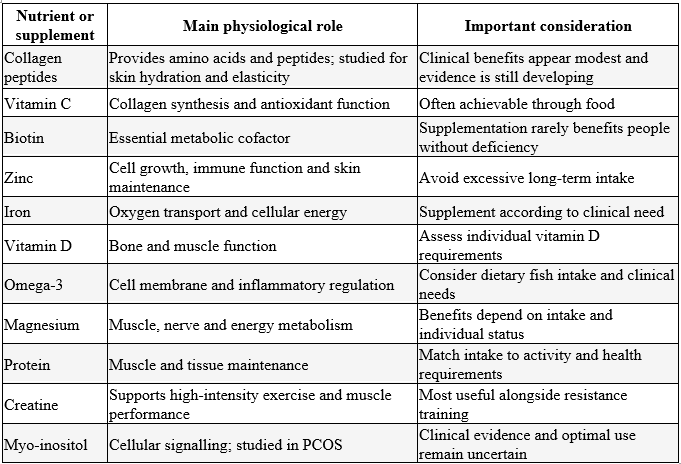
The best supplement strategy is not necessarily the one with the greatest number of products.
It is the one that addresses genuine nutritional requirements, has a clear rationale and uses appropriately tested products.
Conclusion: Beauty Begins With Better Health
Skin, hair and hormonal health cannot be reduced to a single vitamin, powder or supplement.
Healthy skin depends on adequate nutrition, collagen maintenance, skin barrier function, hormonal influences and protection from environmental damage.
Hair health depends on genetics, follicle biology, hormonal status, adequate protein and sufficient micronutrients.
Hormonal health depends on a complex interaction between the endocrine system, metabolism, lifestyle and individual physiology.
Supplements can be useful when they address a nutritional gap or provide a specific evidence-supported benefit. But they should be selected carefully, used responsibly and never treated as substitutes for medical assessment.
As we complete the Fitcart Skin, Hormones & Metabolic Health series, one message stands out:
Healthy skin, strong hair, balanced nutrition, preserved muscle and metabolic wellbeing are all part of the same bigger picture: whole-body health.
At Fitcart, our commitment is to help consumers make better-informed choices through science-led nutrition, transparent product information and a focus on quality and responsible supplementation.
Fitcart.com – Science-led nutrition. Informed choices. Trusted health.
Health and Supplement Disclaimer
This article is intended for general educational and informational purposes only. It does not constitute medical advice, diagnosis, or treatment.
Nutritional requirements vary according to age, sex, diet, health status, pregnancy, medications, and individual circumstances.
Hair loss, skin changes, menstrual irregularities and hormonal symptoms can have multiple causes. Consult a qualified healthcare professional for appropriate assessment before starting supplementation.
Iron, zinc, vitamin D, vitamin A, vitamin B6 and other nutrients can cause adverse effects when taken in excessive quantities. High-dose biotin can interfere with laboratory testing. Botanical ingredients may also interact with medications or affect underlying medical conditions.
Collagen, protein powders, creatine and other dietary supplements are not intended to diagnose, treat, cure or prevent disease.
Choose supplements with transparent ingredient declarations, appropriate manufacturing standards and independently verifiable batch-testing information. Sport certification programmes have specific scopes and should not be interpreted as guarantees of clinical effectiveness or absolute freedom from contamination.
Fitcart Editorial Team
Science-led nutrition. Informed choices. Trusted health.
Follow us on X: https://x.com/fitcartofficial and Instagram: https://www.instagram.com/fitcartofficial/ for the latest updates, health insights, and exclusive content.
Follow Smart Nutrition India X: https://x.com/SmartNutrition1 and Instagram: https://www.instagram.com/smartnutritionindia/ for trusted sports nutrition, supplement education, wellness tips, and the latest news from the world of health and performance.
Fitcart believes in True Play and Clean Sport
#trustedbrandsbetterhealth