



Suggested reading time: 11-13 minutes.
Fitcart Editorial Series: Skin, Hormones & Metabolic Health.
Author: Ritu Makhija.
Co-Founder, Fitcart.com.
Head of Editorial Team, Fitcart Blog.
Introduction: Is Stress Showing on Your Skin?
Have you ever noticed that your skin looks dull after a few nights of poor sleep, that acne flares up during stressful periods, or that your hair seems to shed more when life becomes particularly demanding? These changes are not always coincidental.
Your skin, brain, nervous system, and endocrine system are closely connected. Stress, sleep disruption, and hormonal fluctuations can influence inflammation, skin barrier function, oil production, tissue repair, and hair growth.
One of the central hormones involved in the body’s stress response is cortisol.
Cortisol is often described as the stress hormone, but it is much more than that. It plays an essential role in regulating metabolism, blood glucose, immune responses, inflammation, blood pressure, and the body’s natural sleep-wake rhythm.
The objective is not to eliminate cortisol. It is to maintain a healthy cortisol rhythm and support the body’s ability to respond appropriately to physical and psychological stress.
Understanding this relationship can help us make better decisions about nutrition, exercise, sleep, skincare, and supplementation.
1. What Is Cortisol and Why Does Your Body Need It?
Cortisol is a steroid hormone produced by the adrenal glands, which sit above the kidneys.
Its release is regulated by the hypothalamic-pituitary-adrenal (HPA) axis, a communication system connecting the brain and adrenal glands.
Cortisol has several important functions:
- Helps regulate blood glucose and energy availability.
- Supports the body’s response to physical and psychological stress.
- Influences immune activity and inflammatory processes.
- Helps regulate blood pressure.
- Contributes to the normal sleep-wake cycle.
- Influences protein, carbohydrate and fat metabolism.
Cortisol naturally follows a daily rhythm. Levels generally rise around waking, helping prepare the body for activity, and decline towards the evening to support sleep.
Problems may arise when this rhythm is disrupted by chronic stress, irregular sleep, illness, certain medications or other medical conditions.
Importantly, everyday stress does not automatically mean that someone has clinically elevated cortisol. Persistent symptoms should not be diagnosed through online cortisol tests or lifestyle observations alone.
2. How Chronic Stress Can Affect Your Skin
The skin is not simply an external protective covering. It communicates with the nervous, immune and endocrine systems.
During stressful periods, the body activates several biological pathways that can influence skin function.
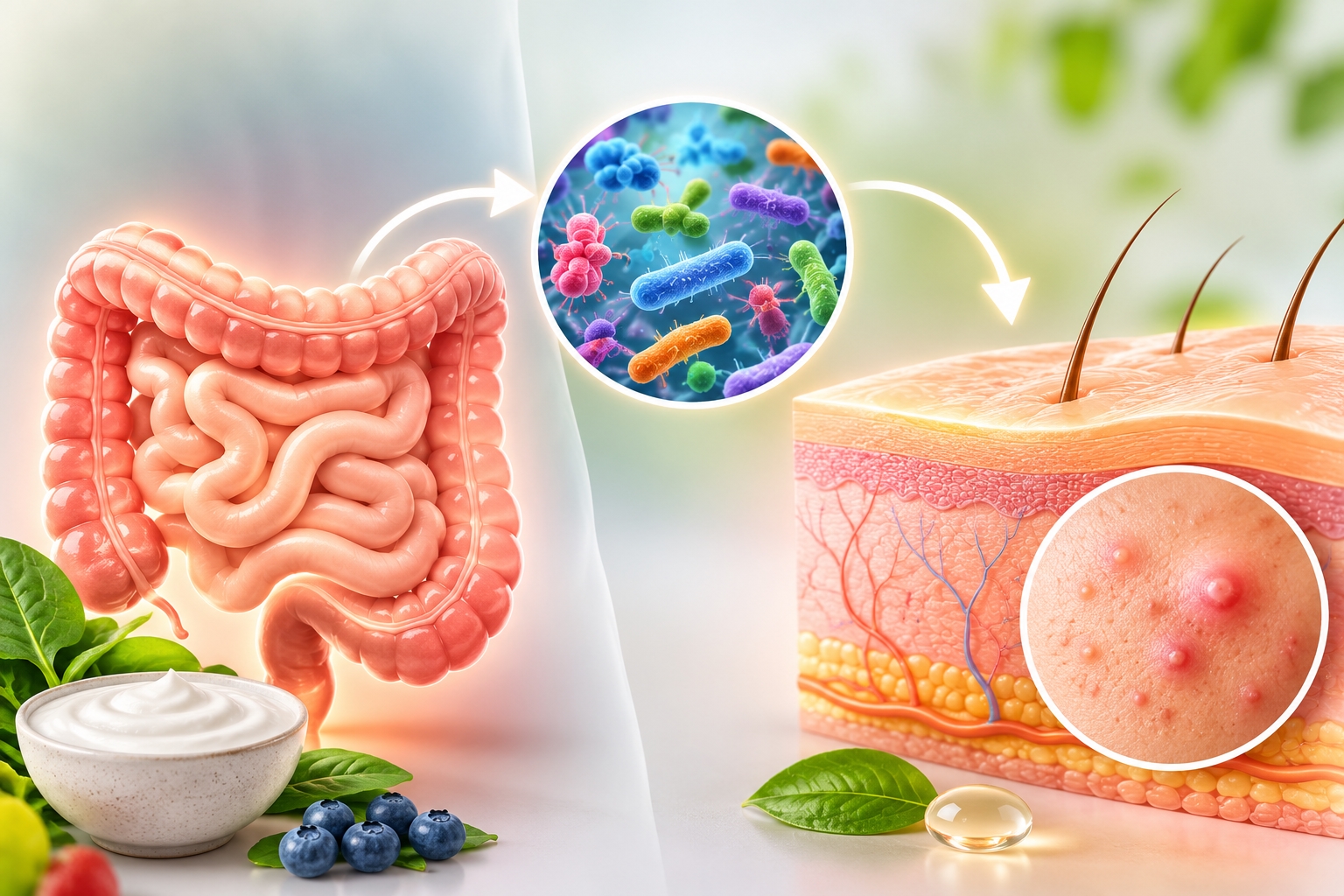
Acne and Increased Oil Production
Stress can worsen acne in people who are already prone to breakouts.
Stress-related hormonal and inflammatory signalling may influence sebaceous glands, increasing oil production and contributing to clogged pores and inflammation.
This is particularly relevant for people experiencing hormonal acne, where stress may interact with other factors such as androgen activity, menstrual fluctuations and insulin resistance.
Stress is not the only cause of acne, and managing stress should complement rather than replace appropriate dermatological treatment.
Skin Barrier Function and Hydration
The skin barrier protects against environmental irritants, excessive water loss and microorganisms.
Research suggests that psychological stress can interfere with skin barrier recovery, reduce hydration and increase transepidermal water loss.
This may contribute to:
- Dryness and sensitivity.
- Increased irritation.
- Greater susceptibility to environmental triggers.
- Slower recovery following skin damage.
A consistent skincare routine, including gentle cleansing, moisturising and daily sun protection, remains important.
Inflammation, Eczema and Psoriasis
Stress may aggravate inflammatory skin conditions such as eczema and psoriasis.
The relationship is complex: inflammation and itching can disrupt sleep, while poor sleep and psychological stress may further aggravate symptoms.
Managing stress can be a useful part of an overall treatment strategy, but these conditions require appropriate medical care.
Collagen and Skin Ageing
Chronic stress-related biological signalling may influence collagen maintenance, inflammation and tissue repair.
Collagen provides structural support to the skin, contributing to firmness and elasticity.
Ageing, UV exposure, smoking, genetics and hormonal changes are also important influences.
Rather than attributing wrinkles or skin ageing to cortisol alone, it is more accurate to consider stress as one of several factors influencing long-term skin health.
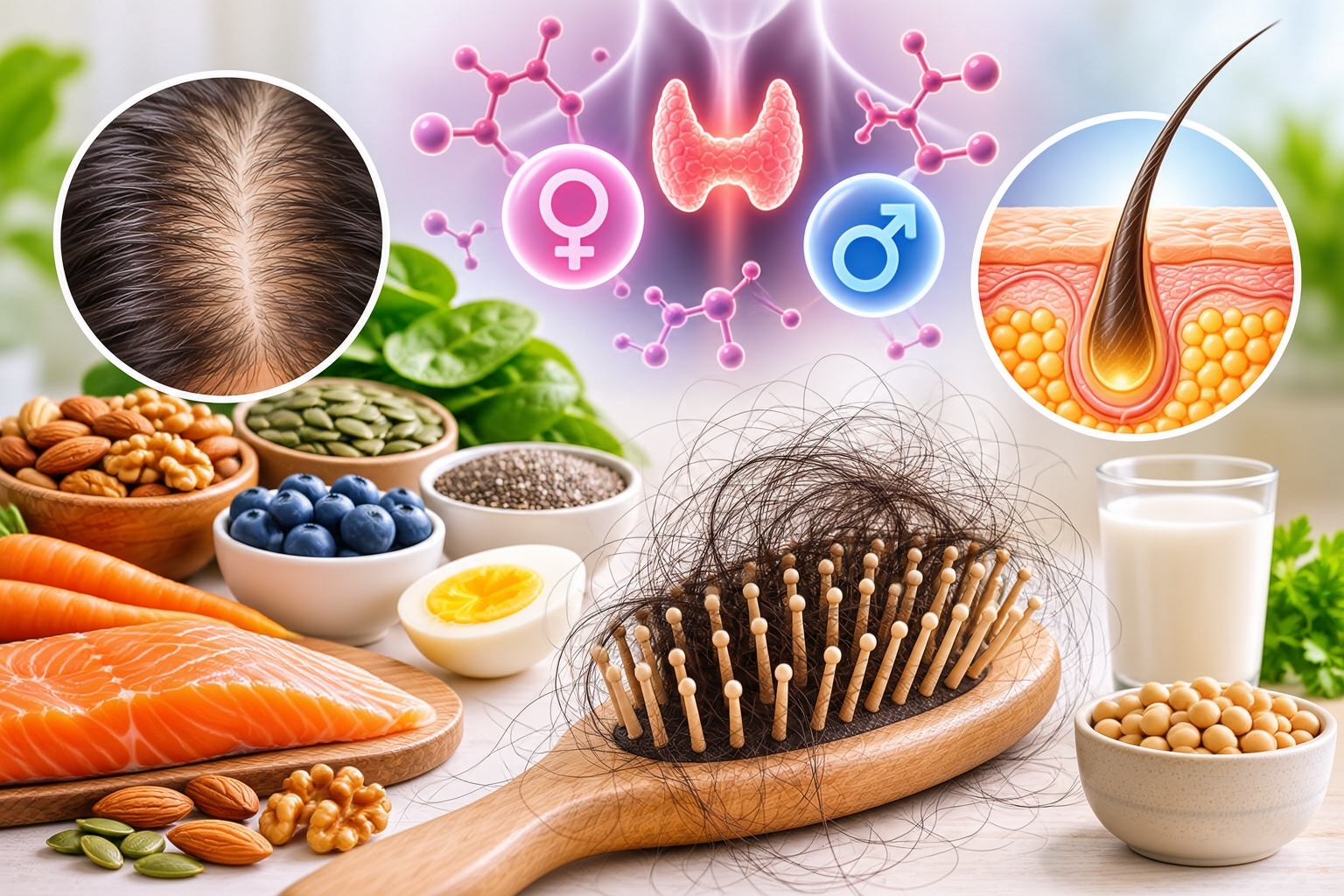
3. Stress, Hair Loss and Hair Growth
Hair follicles move through different growth stages, including anagen (growth), catagen (transition) and telogen (resting).
Significant physical or psychological stress can sometimes disrupt this cycle.
One recognised condition is telogen effluvium, in which a larger proportion of hair follicles enter the resting phase, resulting in increased shedding.
Common triggers include:
- Severe psychological stress.
- High fever or significant illness.
- Surgery.
- Childbirth.
- Rapid weight loss.
- Inadequate protein or nutritional deficiencies.
Hair shedding may become noticeable several weeks or months after the triggering event.
The condition is often temporary, but persistent or severe hair loss deserves medical assessment to investigate other causes, including thyroid disorders, iron deficiency, hormonal conditions and genetic hair loss.
4. Why Sleep Is Essential for Healthy Skin
Sleep is an active biological process rather than simply a period of rest.
During sleep, the body coordinates tissue repair, immune regulation, hormonal signalling and metabolic processes.
Sleep also influences the skin’s circadian rhythm and barrier function.
Poor or insufficient sleep may contribute to:
- Increased skin sensitivity.
- Impaired skin barrier recovery.
- Changes in inflammatory signalling.
- More noticeable tiredness and dullness.
- Difficulty managing existing inflammatory skin conditions.
Sleep and skin health also influence one another. Itching, acne discomfort and inflammatory skin conditions can interfere with sleep, creating a cycle that is difficult to break.
For most adults, approximately 7–9 hours of good-quality sleep is a reasonable target, although individual requirements vary.
5. Nutrition to Support Stress Management, Sleep and Skin Health
No single food or nutrient can switch off stress hormones. However, a balanced diet provides the nutritional foundation for normal nervous system function, metabolic health and tissue maintenance.
Protein: Essential for Tissue Repair
Protein provides amino acids required for the maintenance and repair of skin, hair and other tissues.
Include:
- Eggs.
- Fish and chicken.
- Milk, yoghurt and paneer.
- Lentils, chickpeas and beans.
- Soy, tofu and other quality plant proteins.
Adequate daily protein intake is particularly important during weight loss, ageing and periods of increased physical activity.
Omega-3 Fatty Acids
EPA and DHA, found in oily fish, are involved in normal cell membrane function and inflammatory regulation.
Good dietary sources include salmon, sardines, mackerel and other oily fish.
Plant sources such as flaxseeds, chia seeds and walnuts provide ALA, although its conversion into EPA and DHA is limited.
Magnesium
Magnesium participates in hundreds of enzymatic reactions, including those involved in normal muscle and nervous system function and energy metabolism.
Dietary sources include:
- Almonds and pumpkin seeds.
- Spinach and other green vegetables.
- Whole grains.
- Beans and lentils.
- Dark chocolate.
Magnesium supplementation may be appropriate in selected circumstances, but evidence that it reliably treats insomnia or reduces cortisol in otherwise healthy people remains limited.
Vitamin C
Vitamin C is required for normal collagen synthesis and also contributes to antioxidant protection.
Include amla, guava, citrus fruits, berries, capsicum and broccoli.
B Vitamins
B vitamins participate in energy metabolism and normal nervous system function.
Whole grains, eggs, dairy, legumes, fish and meat provide different B vitamins. Vitamin B12 deserves particular attention in people following vegetarian or vegan diets.
6. Exercise, Cortisol and Recovery
Exercise is an important part of metabolic and hormonal health.
However, more exercise is not always better.
Physical activity temporarily increases cortisol as part of the body’s normal response to exercise. This is not inherently harmful.
The key is to balance exercise intensity with recovery, adequate nutrition and sleep.
A sustainable routine can include:
- Resistance training two to three times weekly.
- Regular walking.
- Moderate cardiovascular exercise.
- Yoga, stretching or mobility work.
- Rest and recovery days when required.
Excessive training combined with inadequate calorie intake, poor sleep and insufficient recovery can increase physiological strain and contribute to fatigue, menstrual disruption and poor performance.
7. Practical Daily Habits to Support the Stress-Skin Connection
A simple, consistent routine is often more valuable than complicated wellness interventions.
Morning
- Maintain a consistent waking time.
- Get natural daylight exposure.
- Eat a balanced breakfast containing protein.
- Include some movement or walking.
During the day
- Take regular breaks from prolonged sitting.
- Eat balanced meals with protein, fibre and healthy fats.
- Stay hydrated.
- Avoid relying on excessive caffeine to compensate for poor sleep.
Evening
- Reduce bright screens close to bedtime.
- Avoid heavy meals and excessive caffeine late in the day.
- Include relaxing activities such as reading, breathing exercises or gentle stretching.
- Maintain a regular bedtime.
8. Can Supplements Help With Stress, Sleep and Skin Health?
Supplements may help address specific nutritional gaps, but they should not be viewed as cortisol-lowering treatments or substitutes for adequate sleep and nutrition.
Depending on individual requirements, nutrients worth evaluating include:
- Magnesium, particularly when dietary intake is inadequate.
- Omega-3 fatty acids when oily fish intake is low.
- Vitamin D when deficiency or inadequate status is identified.
- Vitamin C when dietary intake is insufficient.
- Protein supplements when daily protein requirements are difficult to meet through food.
The quality and composition of a supplement matter. Choose transparent products with clearly declared ingredients and appropriate independent testing.
For Fitcart readers, batch testing, ingredient traceability and responsible sourcing are important considerations when evaluating supplements.
9. When Should You Seek Medical Advice?
Persistent fatigue, unexplained weight changes, severe acne, significant hair loss, menstrual irregularities, sleep disturbances or changes in blood pressure should not automatically be attributed to stress.
Conditions such as thyroid disorders, PCOS, anaemia, sleep apnoea and adrenal disorders may require medical investigation.
A healthcare professional can determine whether testing is appropriate and interpret results in the context of symptoms and medical history.
The Fitcart Takeaway
Healthy skin is influenced by much more than skincare products.
The relationship between cortisol, stress, sleep, nutrition and skin health demonstrates why a whole-body approach matters.
Prioritising sleep, managing stress, eating sufficient protein, maintaining a nutrient-rich diet and exercising consistently can support overall wellbeing and healthy skin.
At Fitcart, we believe that informed nutrition and responsible supplementation should be built on science, transparency and quality. Supplements should complement a healthy lifestyle, not replace it.
Healthy skin starts with supporting the health of the whole body.
Health and Supplement Disclaimer
This article is intended for general educational and informational purposes only. It does not constitute medical advice, diagnosis or treatment.
Cortisol levels and hormonal activity are influenced by several physiological and medical factors. Symptoms such as fatigue, hair loss, acne, sleep disturbances and unexplained weight changes may have multiple underlying causes.
Dietary supplements are not intended to diagnose, treat, cure or prevent any disease. Supplement requirements vary according to individual health, diet, age, medications and nutritional status.
Consult a qualified healthcare professional before starting supplementation, particularly if pregnant, breastfeeding, taking medication or managing an existing medical condition.
Choose supplements with transparent ingredient declarations, appropriate quality controls and independently verifiable batch-testing information. No certification or laboratory test should be interpreted as a guarantee of clinical effectiveness.
Fitcart Editorial Team
Science-led nutrition. Informed choices. Trusted health.
Follow us on X: https://x.com/fitcartofficial and Instagram: https://www.instagram.com/fitcartofficial/ for the latest updates, health insights, and exclusive content.
Follow Smart Nutrition India X: https://x.com/SmartNutrition1 and Instagram: https://www.instagram.com/smartnutritionindia/ for trusted sports nutrition, supplement education, wellness tips, and the latest news from the world of health and performance.
Fitcart believes in True Play and Clean Sport
#trustedbrandsbetterhealth