



Fitcart Editorial Team Ritu Makhija.
Healthy ageing isn’t about trying to stop time. It’s about giving your body and mind the best possible environment to stay strong, active, healthy and independent for as long as possible.
Longevity is influenced by many factors — genetics, environment, lifestyle, nutrition, physical activity, sleep, stress, relationships and access to healthcare. While we cannot control everything, many everyday habits are within our control.
At Fitcart, we believe healthy ageing is built through consistent habits rather than quick fixes.
Here are 50 practical habits to consider.
⸻
🥗 NUTRITION & HYDRATION
1. Make protein a priority
Include quality protein regularly through foods such as eggs, fish, poultry, dairy, legumes, soy, nuts and seeds. Protein supports muscle maintenance, which becomes increasingly important as we age.
2. Eat a colourful variety of vegetables
Aim for a wide range of vegetables rather than relying on the same few every day. Different plants provide different vitamins, minerals, fibre and phytonutrients.
3. Eat fruit regularly
Whole fruits provide fibre and a variety of nutrients. Choose whole fruit more often than fruit juices.
4. Increase your fibre intake
Vegetables, fruits, beans, lentils, whole grains, nuts and seeds can help you build a fibre-rich diet.
5. Choose healthy fats
Include foods such as extra-virgin olive oil, nuts, seeds, avocado and oily fish as appropriate for your dietary pattern.
6. Eat omega-3-rich foods
Fatty fish such as salmon, sardines and mackerel provide EPA and DHA. Plant sources such as flaxseed and chia provide ALA.
7. Minimise ultra-processed foods
You don’t have to eliminate every packaged food. Instead, make minimally processed whole foods the foundation of your diet.
8. Stay adequately hydrated
Drink fluids regularly throughout the day and pay particular attention to hydration during exercise and hot weather.
9. Don’t rely on supplements to compensate for a poor diet
Supplements can complement nutrition, but they shouldn’t replace a varied, nutrient-dense diet. NIH notes that performance supplements cannot substitute for a healthy diet. (Office of Dietary Supplements)
10. Eat mindfully
Slow down, minimise distractions and pay attention to hunger and fullness signals. A sustainable eating pattern matters more than perfection.
⸻
🏋️ MOVEMENT, MUSCLE & FITNESS
11. Walk every day
Walking is one of the simplest ways to increase daily physical activity.
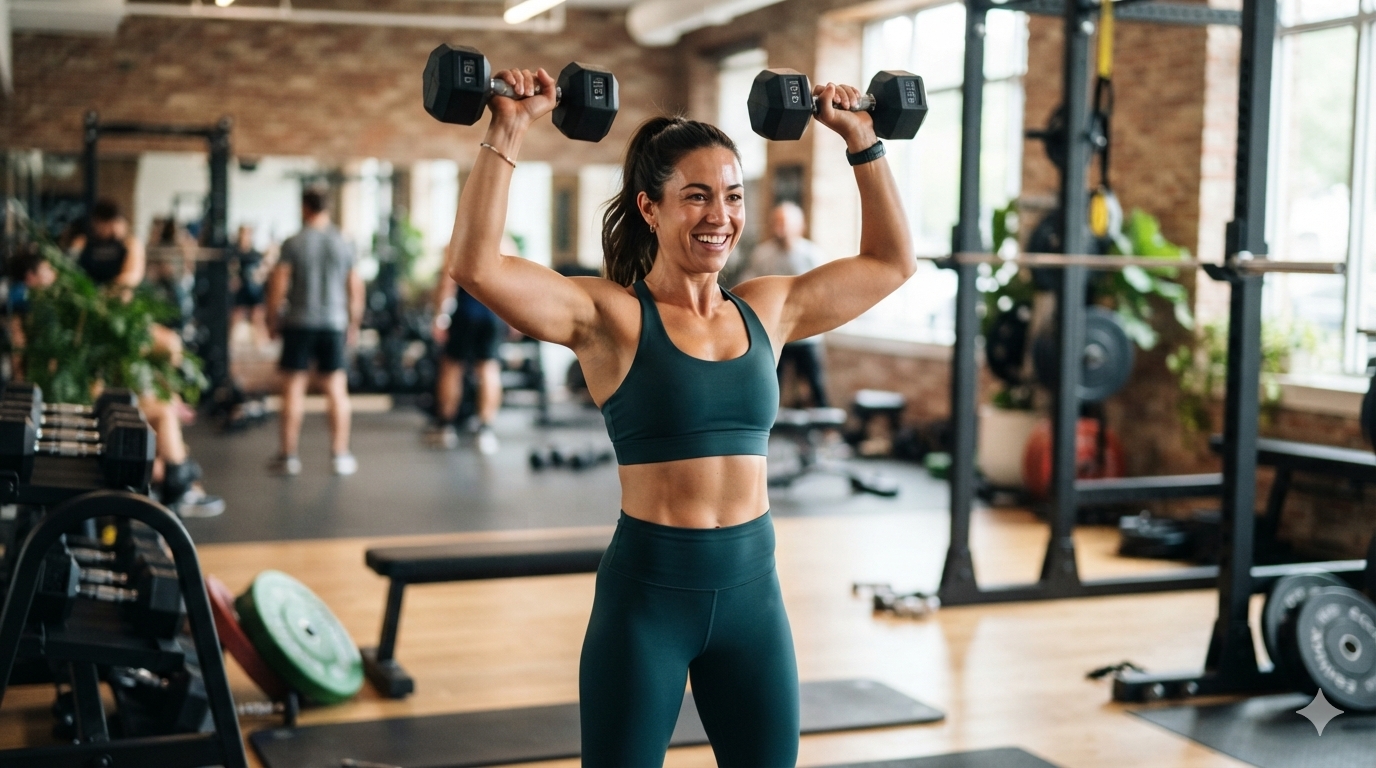
12. Strength train at least twice a week
Resistance training helps maintain muscle and physical function. WHO recommends muscle-strengthening activity involving major muscle groups on at least two days per week. (World Health Organization)
13. Build cardiovascular fitness
Brisk walking, cycling, swimming, jogging, dancing and other aerobic activities can contribute to cardiovascular fitness.
14. Aim for 150–300 minutes of moderate aerobic activity each week
This is the current WHO recommendation for adults, with vigorous activity as an alternative or combination. (World Health Organization)
15. Train your balance
Include activities such as yoga, tai chi, single-leg exercises or controlled balance drills.
16. Protect your mobility
Work on hip, shoulder, ankle and spine mobility alongside strength.
17. Don’t sit for hours without moving
Break up long periods of sitting with short walking or movement breaks.
18. Take the stairs when appropriate
Small amounts of additional movement throughout the day can add up.
19. Exercise outdoors
A walk, hike, cycle or outdoor workout combines physical activity with time outside.
20. Find exercise you actually enjoy
The best exercise programme is one you can maintain consistently. Dancing, tennis, swimming, hiking, yoga, Pilates and strength training can all have a place.
⸻
😴 SLEEP & RECOVERY
21. Make sleep a priority
Sleep is not wasted time. It is an important part of physical and emotional wellbeing.
22. Keep a consistent sleep schedule
Try to go to bed and wake up around similar times each day.
23. Create a relaxing evening routine
Reading, gentle stretching, breathing exercises or a warm shower can help create a transition toward bedtime.
24. Reduce late-night screen exposure
Create a bedroom environment that supports relaxation and sleep.
25. Watch your caffeine timing
If caffeine affects your sleep, avoid consuming it late in the day.
26. Don’t regularly sacrifice sleep for productivity
Consistently cutting sleep short can undermine many other healthy habits. Adults generally need at least seven hours of sleep, although individual needs vary. (CDC)
27. Give your body recovery days
More exercise isn’t always better. Recovery is part of training.
⸻
🧘 STRESS, MIND & WELLNESS
28. Practise daily breathing or meditation
Even a few minutes of quiet breathing can create a useful pause during a busy day.
29. Try yoga
Yoga combines movement, balance, breathing and relaxation and can be a valuable mind-body practice. (NIA)
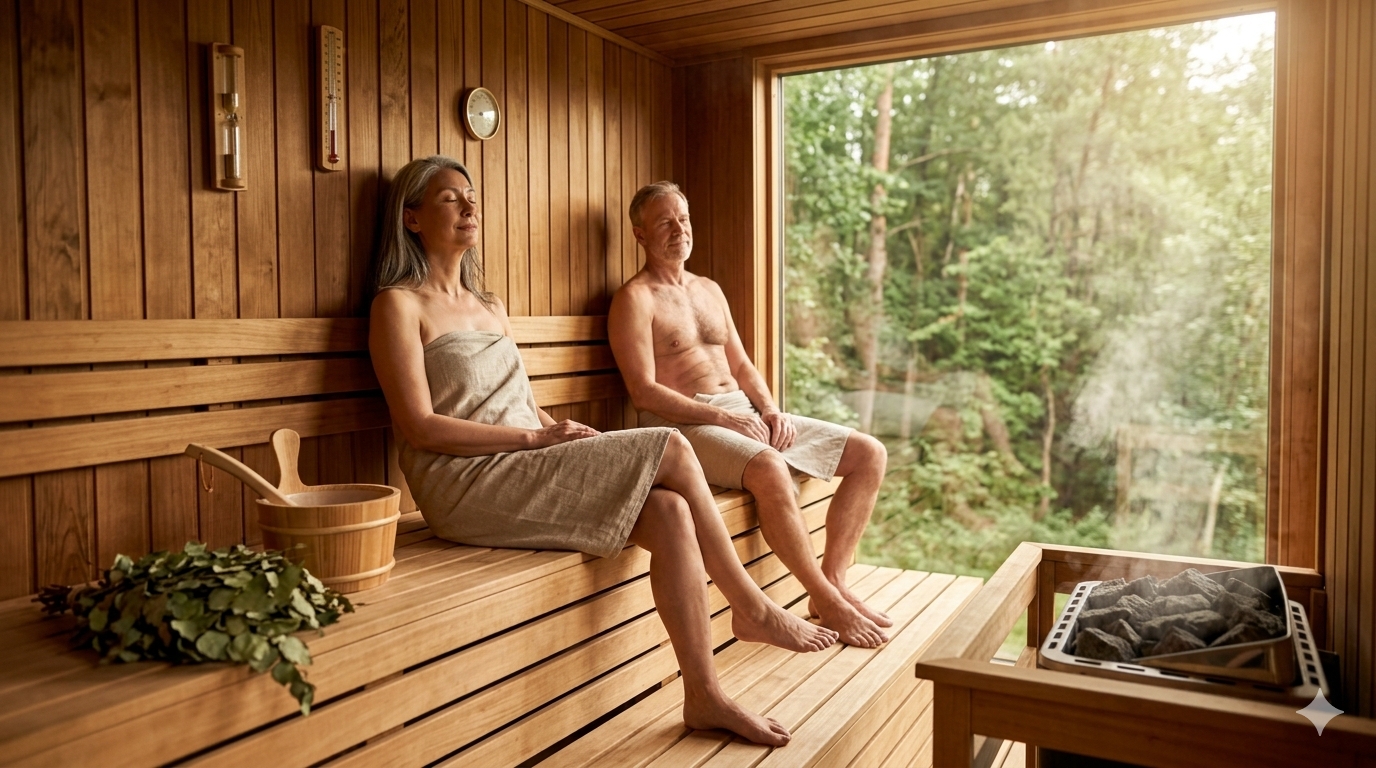
30. Spend time in nature
Walking in a park, gardening or simply spending time outdoors can become part of your wellbeing routine.
31. Learn something new
Learn a language, musical instrument, skill, recipe, sport or professional skill. Keep challenging your brain.
32. Read regularly
Reading provides an opportunity for learning, concentration and enjoyment.
33. Make time for hobbies
Healthy ageing isn’t only about gym sessions and nutrition. Meaningful hobbies can contribute to wellbeing and purpose.
34. Practise gratitude
Consider writing down a few things you’re grateful for each day.
35. Protect your mental wellbeing
If stress, anxiety, low mood or sleep problems are persistent or affecting daily life, seek professional support.
⸻
❤️ SOCIAL CONNECTION & PURPOSE
36. Stay connected with family and friends
Strong social connections are an important part of healthy ageing. NIA highlights the importance of staying socially connected and participating in meaningful activities. (NIA)
37. Share meals with people
Food can be more than nutrition — it can also be an opportunity for connection.
38. Join a community
Consider a fitness class, walking group, sports club, book club, community group or professional network.
39. Volunteer or help others
Meaningful contribution can provide a sense of purpose and social connection. (NIA)
40. Keep learning
Continued learning can keep life interesting and mentally stimulating.
⸻
💊 SUPPLEMENTS & NUTRITIONAL SUPPORT
41. Check whether you actually need a multivitamin
A multivitamin may be useful for some people, but it isn’t automatically necessary for everyone. Individual diet, age, sex, lifestyle and nutritional status matter.
42. Consider vitamin D when appropriate
Vitamin D is important for bone and muscle health, but supplementation should ideally be guided by dietary intake, sun exposure and — where appropriate — blood testing and professional advice.
43. Consider omega-3 supplementation when dietary intake is low
People who don’t regularly consume oily fish may discuss an omega-3 supplement with their healthcare professional.
44. Don’t overlook magnesium
Magnesium contributes to normal muscle and nerve function and is found in foods including nuts, seeds, legumes and whole grains. Supplementation may be appropriate in some circumstances but isn’t automatically required.
45. Consider creatine for strength and training
Creatine monohydrate is one of the most extensively studied sports supplements. Evidence supports its role in improving strength, power and performance during repeated high-intensity efforts. (Office of Dietary Supplements)
46. Prioritise protein when dietary intake is inadequate
A protein powder can be a convenient way to help meet protein requirements when whole-food intake is insufficient or impractical.
47. Be cautious with “longevity” supplements
Ingredients such as NAD-related compounds, NMN, resveratrol, spermidine, Urolithin A and other compounds are being researched, but promising mechanisms or early studies do not automatically mean that a supplement has been proven to extend human lifespan.
48. Choose quality batch-tested supplements
Look for transparent labelling, appropriate quality controls and, particularly for competitive athletes, products that have been independently tested for prohibited substances.
49. Don’t take more because you think more is better
High doses of vitamins, minerals and other compounds can cause adverse effects or interact with medicines. Supplements should be used thoughtfully.
50. Build your longevity routine around the basics
The most important habit may be to stop looking for one magic pill.
Build your foundation around:
Move.
Strengthen.
Eat well.
Sleep.
Recover.
Connect.
Keep learning.
Manage stress.
Get appropriate health checks.
Use supplements strategically — not blindly.
⸻
Your Longevity Checklist
You don’t need to adopt all 50 habits tomorrow.
Start with five:
☐ Walk or move every day
☐ Strength train 2–3 times per week
☐ Eat enough protein and plenty of plants
☐ Prioritise consistent, restorative sleep
☐ Make time for people, purpose and activities you enjoy
Then gradually build from there.
Healthy ageing is a long-term lifestyle, not a 30-day challenge.
The goal isn’t simply to add years to life.
It’s to support more healthy, active and meaningful years of life.
FAQ SECTION
What are the most important habits for longevity?
Regular physical activity, strength training, a balanced nutrient-rich diet, adequate protein and fibre, good-quality sleep, stress management, social connection and appropriate preventive healthcare are important components of healthy ageing.
What supplements support healthy ageing?
Some supplements may be useful when there is a nutritional need or insufficient dietary intake. Examples include vitamin D, omega-3 fatty acids, magnesium and creatine in appropriate circumstances. However, supplements should complement — not replace — a healthy diet and lifestyle.
Is strength training important for longevity?
Yes. Strength training helps maintain muscle strength and physical function. WHO recommends muscle-strengthening activities involving major muscle groups on at least two days per week.
How much exercise should adults get?
WHO recommends adults aim for at least 150 minutes of moderate-intensity aerobic physical activity per week, or an equivalent combination of moderate and vigorous activity, alongside muscle-strengthening activities on at least two days per week.
Can supplements increase lifespan?
There is currently no general-purpose supplement proven to extend human lifespan. Several compounds are being studied for healthy ageing and longevity, but evidence varies substantially between ingredients and ongoing research is important.
What is the difference between healthy ageing and anti-ageing?
Healthy ageing focuses on maintaining physical function, muscle, mobility, cognitive wellbeing, independence and quality of life as we get older. It is about supporting health and vitality rather than trying to stop or reverse the natural ageing process.
Is protein important as we age?
Adequate protein is important for maintaining muscle and supporting physical function. Individual protein requirements vary depending on factors such as age, body size, activity level and health status.
Can walking help with healthy ageing?
Walking is a simple form of physical activity that can contribute to overall fitness and daily movement. Combining walking with resistance training and other forms of physical activity can provide a more comprehensive approach to fitness.
⸻
Fitcart Health & Supplement Disclaimer
This article is provided for general educational and wellness information only and is not intended to diagnose, treat, cure or prevent any disease or medical condition. It is not a substitute for personalised medical advice from a qualified doctor, registered dietitian, pharmacist or other appropriately qualified healthcare professional.
Dietary supplements are not intended to replace a varied and balanced diet or healthy lifestyle. Individual nutritional requirements vary. Before starting any supplement, speak with a qualified healthcare professional, particularly if you are pregnant or breastfeeding, have a medical condition, are taking prescription or over-the-counter medicines, or are preparing for surgery.
Do not exceed the recommended serving size on a product label unless specifically advised by a qualified healthcare professional. Some supplements may interact with medicines or may not be appropriate for certain individuals.
Claims about longevity, healthy ageing, cellular health or particular supplement ingredients should not be interpreted as claims that a product can extend lifespan or prevent disease. Scientific evidence varies considerably between ingredients, and research in humans is ongoing.
For competitive athletes, always check supplements against applicable anti-doping rules and consider using independently batch-tested products from reputable manufacturers.
Fitcart.com does not provide individual medical diagnosis or treatment through this article. Always seek professional medical advice for personal health concerns.
Sources & further reading
This article draws on guidance and evidence resources from the World Health Organization (WHO), National Institute on Aging (NIA) and NIH Office of Dietary Supplements (ODS), including recommendations on physical activity, healthy ageing, sleep, social connection and dietary supplements. (World Health Organization)
Fitcart — Trusted Brands. Better Health.
Follow us on X: https://x.com/fitcartofficial and Instagram: https://www.instagram.com/fitcartofficial/ for the latest updates, health insights, and exclusive content.
Follow Smart Nutrition India X: https://x.com/SmartNutrition1 and Instagram: https://www.instagram.com/smartnutritionindia/ for trusted sports nutrition, supplement education, wellness tips, and the latest news from the world of health and performance.
Fitcart believes in True Play and Clean Sport
#trustedbrandsbetterhealth