



Fitcart Sports News Blog.
Authored by S. Kannan (Sports Analyst) and Fitcart Editorial Team Ritu Makhija.
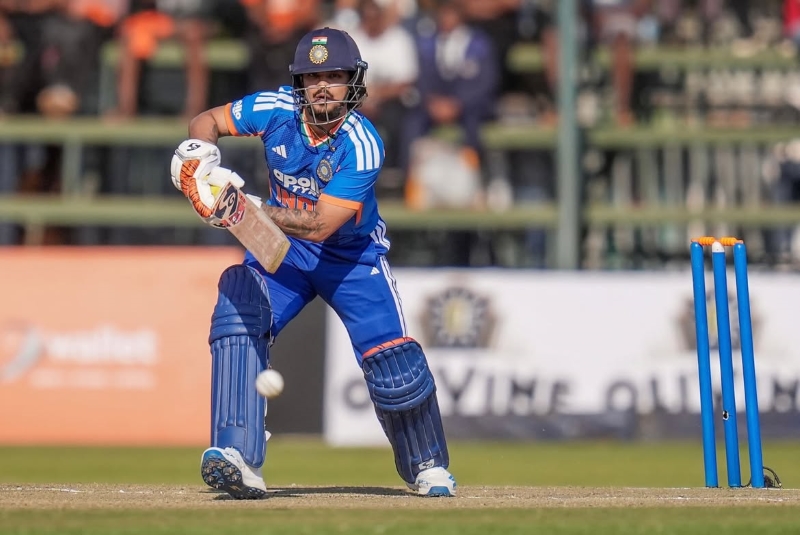
Ishan Kishan was one of the first to break the stereotype that top Indian cricketers had to come from big cities. At 28, the dashing left-handed batter and wicket-keeper showed pluck and promise when he barged into Team India as a white-ball exponent in 2021. Now 28, the short-statured dynamo is an important cog in the wheel for India in the T20 internationals as well as ODIs.
The year gone by has been extremely satisfying for the Bihari babu, who hails from Patna. Ishan has matured like old wine and, in this process, has shown he has built not just on his skills behind the wicket but also on being a batter with aggro, which catches the eye.
It seems like yesterday, Ishan Kishan was tonking the ball at will, plundering runs, as India went on to win the ICC T20 World Cup at the Narendra Modi Stadium in Ahmedabad. His breathtaking batting at the top of the order caught the imagination of one and all. To have amassed 317 runs in nine matches, at a strike rate of 139.20, had the commentators going gaga.
If that was a run which dominated and decimated the rival sides, what Ishan did for Sunrisers Hyderabad in the 2026 Indian Premier League season has also been forceful. The Hyderabad-based side has allowed him freedom of expression. While batting, he has been able to soak in the pressure of expectation, handle day/night matches, the rigours of travel, and perform. After all, the IPL involves playing at various venues in different conditions in the heat and dust, which challenges the players’ fitness. That is how he scored 602 runs this season, where Pat Cummins came in to lead Sunrisers Hyderabad in the second part of the season.
With the Indian team announced for the Asian Games in Aichi/Nagoya this September/October, Ishan Kishan is expected to play a key role under the captaincy of Shreyas Iyer. For the record, VVS Laxman will be the coach in charge. T20 in the international firmament is growing by leaps and bounds. The next Summer Olympics in Los Angeles in 2028 will showcase T20 as a medal sport. Hopefully, Ishan will perform well and emerge as a front-runner for a place in Team India. He has age on his side as well as the right fitness and temperament.
At 5 feet and 6 inches, Ishan Kishan is not very tall. He is tall enough to strike the ball hard, and this kind of height gives him an advantage behind the wickets. To the naked eye, a cricketer appears to be only focusing on drills at nets and throwdown, where they whack the ball with might and sweet timing. Behind all this is enormous preparation which involves a strong body, staying injury-free and ensuring the frame can handle the load.
In terms of fitness, Ishan Kishan has a heavy metal approach to how he works towards it. Armed with specialists who guide him, Ishan focuses on heavy strength training, functional conditioning, and heavy cardio capacity-building. The methods Ishan uses are scientific, where the advice from strength and conditioning gurus is designed with science in mind.
No athlete can indulge in excessive training. The pattern of training and preparation in the off-season is different from what it is during a tournament. Agility drills are part of his work ethic, where footwork is an important aspect. Lateral movement, sharp vision, and being athletic are key for him.
His diet is planned in detail, where protein consumption comes in natural form as fuel, plus fibrous carbs and healthy fats included. Wicket-keepers have to ensure that when in action in the summer heat or winter, they are well hydrated. How Ishan plans his water intake and electrolyte balance are important as well. He is known to use whey protein, protein smoothies, and vitamin supplements. These days, cricketers do not drink just normal water from a bottle. They are prescribed electrolytes as well, based on what the body needs, based on blood tests. If Ishan Kishan can keep pushing like this, there is reason to believe he will be a racehorse ready for many more challenges in the coming years. The key is fitness and good mental preparation.
The Fitcart Performance Perspective: Why Cricket Fitness Requires More Than Strength
Ishan Kishan’s profile as a batter and wicket-keeper demonstrates an important aspect of modern cricket: the physical demands of the game extend far beyond what happens while the bat is in the player’s hands.
A modern cricketer needs to be able to perform repeated explosive movements while maintaining concentration for long periods.
For a wicket-keeper, the physical demands can be even more specialised.
A complete cricket fitness programme may need to develop:
- Strength
- Power
- Speed
- Agility
- Reaction time
- Coordination
- Mobility
- Cardiovascular conditioning
- Core stability
- Balance
- Recovery capacity
The objective is not simply to become stronger. It is to develop the right combination of physical qualities for the demands of the player’s role.
Wicket-Keeping: A Full-Body Fitness Challenge
Wicket-keeping can look deceptively simple from the outside.
A keeper repeatedly squats into a low position, rises, moves laterally, reacts to the ball, dives, catches, throws, and gets back into position.
Over a match, these movements can place considerable demands on the:
- Quadriceps
- Hamstrings
- Glutes
- Calves
- Hip muscles
- Lower back
- Core
- Shoulders
- Forearms
- Wrists
Mobility is particularly important because a wicket-keeper needs to operate efficiently from low positions while maintaining the ability to react quickly.
Strength Training for Cricketers
Strength training provides the foundation for many athletic movements.
Squats, split squats, lunges, deadlift variations, rows, presses, pull-ups and core exercises can all be incorporated into a properly designed cricket strength programme.
However, strength training should be periodised according to the cricket calendar.
An off-season programme may emphasise building strength and muscle capacity.
As competition approaches, training may shift towards power, speed, agility and sport-specific conditioning.
During a congested tournament schedule, the priority may become maintaining strength while managing fatigue.
This is why more training isn’t automatically better.
The best programme is the one that allows an athlete to train, recover and perform consistently.
Explosive Power for Batting and Fielding
Batting involves much more than arm strength.
Generating power through a cricket shot involves coordination between the legs, hips, trunk, shoulders and arms.
Lower-body strength and rotational power can therefore contribute to athletic performance.
Medicine-ball throws, jumps, loaded movements and rotational exercises can be incorporated into a power programme under appropriate professional supervision.
For a wicket-keeper and fielder, explosive power is also useful for accelerating towards the ball, diving and recovering quickly.
Agility and Lateral Movement
Cricket requires frequent changes of direction.
A player may sprint forward, move sideways, stop suddenly and accelerate again within seconds. Agility training can therefore include:
- Short shuttle runs
- Lateral movements
- Cone drills
- Reaction drills
- Acceleration and deceleration exercises
- Single-leg stability work
- Change-of-direction drills
The emphasis should be on quality of movement, not simply completing as many drills as possible.
Cardiovascular Conditioning
Cricket is an intermittent sport.
The intensity may fluctuate considerably, depending on the format and position.
T20 cricket requires repeated high-intensity actions over a relatively short period, while longer formats can place substantial demands on aerobic endurance and recovery.
A well-designed conditioning programme can therefore combine aerobic training with high-intensity intervals and sport-specific running.
The appropriate balance depends on the player’s role, age, fitness level and competition schedule.
Nutrition: Fueling the Modern Cricketer
Training without appropriate nutrition can limit performance and recovery.
A cricketer needs enough energy to support training, competition and recovery while maintaining an appropriate body composition.
There is no single “cricketer’s diet”.Instead, nutrition should be adjusted according to training load.
Protein for Muscle Repair and Recovery
Protein provides amino acids needed for muscle repair and adaptation.
Good food sources include:
- Eggs
- Chicken
- Fish
- Lean meat
- Milk
- Yoghurt
- Paneer
- Dal
- Beans
- Soy
- Other legumes
Whey protein can be useful when an athlete finds it difficult to meet protein requirements through normal food.
However, protein powder is a convenience, not a replacement for a balanced diet.
For athletes, distributing protein across meals can be a practical strategy for supporting recovery throughout the day.
Carbohydrates: The Athlete’s Fuel
Carbohydrates are particularly important around periods of demanding training and competition.
Rice, potatoes, oats, fruits, whole grains, pasta and other carbohydrate-rich foods can help provide energy for training.
A player undertaking intense training may need substantially more carbohydrate than someone taking a rest day.
Rather than eliminating carbohydrates, sports nutrition focuses on matching carbohydrate intake to activity and performance requirements.
Healthy Fats and Micronutrients
Healthy fats contribute to a balanced diet and can be obtained from foods such as:
- Nuts
- Seeds
- Olive oil
- Avocado
- Fatty fish
Fruit and vegetables provide vitamins, minerals, fibre and a range of beneficial plant compounds. A varied diet remains the foundation of sports nutrition.
Hydration and Electrolytes in Cricket
Hydration becomes particularly important when cricket is played in hot and humid conditions.
Players can lose significant amounts of fluid through sweat, and individual sweat rates can vary considerably.
Water is essential, but athletes who sweat heavily or train for prolonged periods may also need to replace electrolytes, particularly sodium.
A practical hydration strategy can include:
Before training: Begin adequately hydrated.
During training: Drink according to thirst and individual sweat losses. Electrolytes may be useful during prolonged or high-sweat sessions.
After training: Replace fluids and electrolytes lost during exercise.
For serious athletes, measuring body weight before and after training can provide useful information about individual sweat losses.
Hydration should be individualised rather than based on a one-size-fits-all target.
Recovery: The Missing Component of Many Fitness Programmes
The ability to recover between training sessions is one of the foundations of long-term athletic performance.
Recovery includes much more than massage or ice baths. The basics include:
- Adequate sleep
- Sufficient calories
- Appropriate protein intake
- Carbohydrate replenishment
- Hydration
- Rest and lighter training
- Mobility work
- Injury prevention
- Physiotherapy when required
- Managing overall training load
An athlete who continually trains hard without adequate recovery may accumulate fatigue and see performance decline.
The goal is to create a training stimulus and then allow the body enough time and nutritional support to adapt.
Where Sports Supplements Can Fit In
Supplements can have a role in sports nutrition, but they should never be regarded as a substitute for proper food, training, and recovery.
Depending on the athlete and circumstances, sports-nutrition products may include:
- Whey or other protein powders
- Electrolyte products
- Creatine monohydrate
- Carbohydrate drinks or gels
- Selected vitamin and mineral supplements where a deficiency or nutritional requirement has been identified
The important question should always be:
Does the athlete actually need it?
For competitive athletes, product quality is particularly important.
A supplement may contain ingredients that are permitted in sport, but contamination or inaccurate labelling can create problems. Athletes subject to anti-doping regulations should therefore be especially cautious when selecting supplements.
Independent testing and recognised sports certification can provide an additional layer of reassurance, although no system should be considered a guarantee.
The Fitcart Takeaway
Ishan Kishan’s fitness journey highlights the evolution of modern cricket.
Today’s elite cricketer is not simply training to bat, bowl or keep wicket.
The modern athlete is developing a complete performance system:
Strength + Power + Speed + Agility + Endurance + Nutrition + Hydration + Recovery + Mental Preparation.
For young cricketers and recreational players, the lesson is equally valuable.
You don’t need the training facilities of an international cricketer to improve your fitness.
Start with the fundamentals:
Build strength. Improve mobility. Develop cardiovascular fitness. Practise movement and agility. Eat enough quality protein. Fuel training with appropriate carbohydrates. Stay hydrated. Sleep well. Recover properly. And train consistently.
Fitness is not built in one session. It is built through months and years of intelligent, progressive training and good nutritional habits.
And as Ishan Kishan’s example illustrates, athletic performance is ultimately about putting all those pieces together when it matters most.
Fitcart Sports Nutrition Advisory
Fitcart believes sports nutrition should be built around quality, evidence, transparency and responsible supplementation.
Whole foods and a balanced diet should remain the foundation of an athlete’s nutritional programme. Supplements can be used where there is a genuine nutritional or performance requirement.
Consumers should check product labels, ingredients, serving sizes, manufacturing information and batch details before purchasing sports-nutrition products.
Competitive athletes should take particular care with supplements and, where appropriate, select products that have undergone independent testing for prohibited substances.
Disclaimer
This article is for general informational, educational, and editorial purposes only. It is not medical advice, nutritional therapy, sports-medicine advice or a substitute for consultation with a qualified doctor, registered dietitian, sports nutritionist, strength and conditioning professional or other appropriately qualified healthcare professional.
The original article is a sports editorial and contains observations about Ishan Kishan’s career, training, diet, hydration and supplementation. The additional Fitcart material is intended to explain general principles of cricket training and sports nutrition and should not be interpreted as confirmation of Ishan Kishan’s current private training, diet, supplement use or medical status unless specifically stated.
Individual nutritional and training requirements vary according to age, body composition, training volume, competition schedule, health status, medications and sporting demands. Anyone beginning a new training programme or supplement regimen should seek appropriate professional advice.
Supplements should not replace a balanced diet. Athletes subject to anti-doping regulations should exercise particular caution when using supplements and should choose appropriately batch-tested products only.
Fitcart recommends that consumers look for sports-nutrition products that are batch-tested and verified for their stated contents and manufactured and packaged according to recognised quality standards.
News and editorial disclaimer: Sports information, player statistics, competition details and athlete circumstances can change. This article is editorial and educational content and should not be considered a definitive statement about an athlete’s current form, fitness, health, training or nutritional programme.
Always consult a qualified professional before making significant changes to your diet, training programme or supplement use.
Image credit to ishankishan23 on Instagram.
Follow us on X: https://x.com/fitcartofficial and Instagram: https://www.instagram.com/fitcartofficial/ for the latest updates, health insights, and exclusive content.
Follow Smart Nutrition India X: https://x.com/SmartNutrition1 and Instagram: https://www.instagram.com/smartnutritionindia/ for trusted sports nutrition, supplement education, wellness tips, and the latest news from the world of health and performance.
Fitcart believes in True Play and Clean Sport
#trustedbrandsbetterhealth