



Fitcart Editorial Team Ritu Makhija.
The Rise of Women’s Cricket in India.
Women’s cricket in India has entered a golden era. From packed stadiums and record-breaking television audiences to the rapid growth of the Women’s Premier League (WPL), the sport has captured the imagination of millions. Players like Smriti Mandhana, Harmanpreet Kaur, Jemimah Rodrigues, and Shafali Verma have become role models for a new generation of athletes.
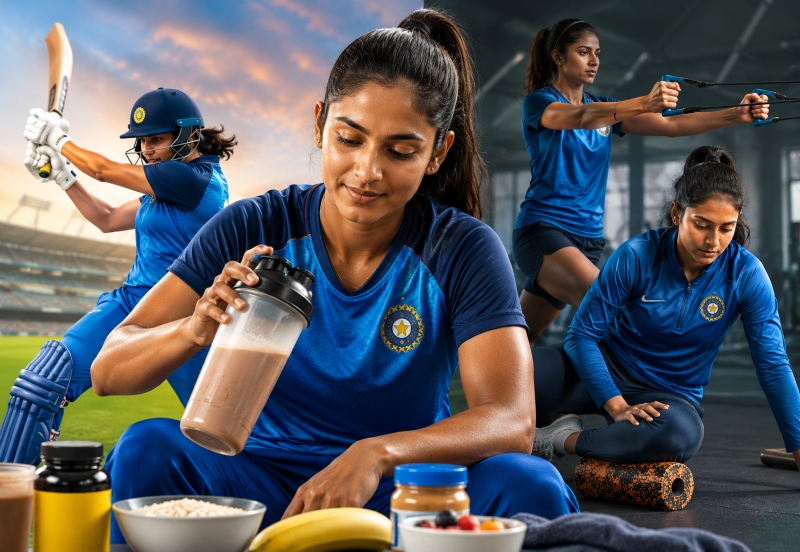
But behind every powerful cover drive, lightning-fast boundary save, and match-winning innings lies a foundation that often goes unnoticed: smart nutrition, recovery, and sports science.
Modern T20 cricket demands explosive power, speed, endurance, concentration, and rapid recovery. Players may spend hours training, travelling, competing, and recovering, making nutrition one of the most important performance tools available to elite athletes.
Why Nutrition Matters in T20 Cricket
A T20 match may only last a few hours, but preparation begins days before the first ball is bowled.
Cricketers require a combination of strength, power, agility, and mental focus. Fast bowlers repeatedly generate explosive force through the lower body; batters need quick reflexes and sustained concentration; while fielders perform high-intensity sprints and dives throughout the match.
To meet these demands, athletes rely on a carefully structured nutrition plan that supports:
- Energy production
- Muscle recovery
- Hydration
- Immune health
- Injury prevention
- Mental performance
As women’s cricket becomes increasingly professional, nutrition and recovery strategies have become central to athlete development and performance. Sports scientists and support staff now monitor workload, recovery markers, sleep quality, and nutritional intake more closely than ever before.
What Fuels Elite Women’s Cricketers?
Carbohydrates: The Performance Fuel
Carbohydrates remain the primary fuel source for high-intensity sport.
Training sessions, gym workouts, batting practice, bowling drills, and match-day demands require athletes to maintain adequate glycogen stores. Common carbohydrate sources include rice, oats, potatoes, fruits, whole grains, and sports drinks.
Interestingly, Indian captain Harmanpreet Kaur has often spoken about preferring simple home-cooked meals such as rice and dal, proving that performance nutrition does not need to be complicated.
Protein: The Recovery Builder
Every training session creates microscopic muscle damage that must be repaired.
Protein supports muscle recovery, adaptation, and maintenance of lean muscle mass. Athletes commonly obtain protein through foods such as eggs, dairy, fish, chicken, lean meat, soy products, legumes, and high-quality protein supplements when required.
Consistent protein intake throughout the day helps athletes recover faster and prepare for their next session.
Hydration: The Hidden Performance Advantage
Even mild dehydration can negatively impact concentration, reaction time, endurance, and decision-making.
Cricketers often train and compete in hot, humid conditions, making hydration strategies critical. Water, electrolytes, and sports drinks may be used before, during, and after activity to maintain performance and accelerate recovery.
Recovery Nutrition
The period immediately after training is one of the most important windows for recovery.
Athletes often focus on:
- Replacing glycogen stores
- Rehydrating
- Consuming quality protein
- Supporting muscle repair
When recovery is neglected, performance can suffer and injury risk may increase. Elite sports organisations now place significant emphasis on recovery protocols alongside training itself.
The Role of Sports Supplements
While whole foods form the foundation of sports nutrition, supplements can help athletes meet demanding nutritional requirements.
Common evidence-based sports supplements used across elite sport include:
Whey protein provides a convenient source of high-quality protein that supports muscle repair and recovery after training or matches.
Electrolyte Formulas
Electrolyte products help replace minerals lost through sweat and support hydration during intense activity.
These can provide rapid carbohydrate delivery during prolonged training sessions or tournaments with multiple matches.
One of the most researched sports supplements available, creatine may support power output, strength development, and recovery when used appropriately.
Omega-3s may support recovery, joint health, and overall wellness in athletes exposed to high training volumes.
Why Supplement Quality Matters
For competitive athletes, supplement quality is just as important as the ingredients themselves.
Contamination, inaccurate labels, and poor manufacturing standards can create unnecessary risks. This is why elite athletes increasingly seek products that are batch tested and manufactured according to stringent quality standards.
At FitCart, athletes and fitness enthusiasts can access globally recognised sports nutrition brands trusted by athletes worldwide. FitCart’s focus on authentic products, quality assurance, and batch-tested sports nutrition helps provide confidence when choosing supplements to support training, performance, and recovery.
Whether you are an aspiring cricketer, a recreational athlete, or someone simply looking to improve fitness and wellness, selecting trusted products from reputable brands can make a meaningful difference.
Beyond Nutrition: The Recovery Equation
Nutrition alone does not create champions.
The world’s best athletes combine smart fueling with:
- Quality sleep
- Structured training
- Strength and conditioning
- Mobility work
- Recovery protocols
- Stress management
Research and athlete monitoring systems increasingly show that sleep and recovery are just as important as training volume. Many professional cricket teams now use performance monitoring tools to track fatigue, sleep, workload, and recovery status to optimise performance throughout the season.
The Future of Women’s Cricket Performance
India’s women’s cricket journey continues to inspire millions. As the game becomes faster, more competitive, and more physically demanding, nutrition and recovery will play an even greater role in athlete success.
From balanced meals and proper hydration to scientifically supported supplementation and quality sleep, modern cricketers understand that performance is built long before match day.
The next generation of Indian cricket stars will be defined not only by talent and hard work but also by their commitment to smart nutrition, recovery, and evidence-based sports science.
For athletes, FitCart is committed to providing access to authentic, globally trusted sports nutrition products designed to help fuel performance, recovery, and long-term wellness.
Frequently Asked Questions
What do professional women cricketers eat before a match?
Most athletes consume carbohydrate-rich meals with moderate protein and low-fat foods to ensure optimal energy availability without causing digestive discomfort.
Why is protein important for cricketers?
Protein helps repair and rebuild muscle tissue damaged during training and competition, supporting recovery and adaptation.
Are sports supplements necessary for cricketers?
Whole foods should always form the foundation of nutrition. Supplements can help fill nutritional gaps and provide convenience when training demands are high.
What supplements are commonly used in cricket?
Common options include whey protein, electrolyte formulas, sports drinks, creatine monohydrate, and omega-3 supplements, depending on individual needs and professional guidance.
Why should athletes choose batch-tested supplements?
Batch-tested supplements provide additional assurance regarding quality, purity, and label accuracy, helping athletes make informed choices about the products they consume.
Supplement Quality Advisory
When selecting sports nutrition products, athletes should look beyond marketing claims and focus on quality, transparency, and safety.
Whenever possible, choose supplements that are batch tested by accredited third-party testing organisations. Independent batch testing helps verify that products contain the ingredients listed on the label and are screened for contaminants or substances that athletes may wish to avoid.
Consumers should also take time to review where a supplement is manufactured and packaged. Reputable brands are transparent about their manufacturing facilities, quality control standards, and testing procedures. Products manufactured in facilities that follow recognised Good Manufacturing Practices (GMP) and international quality standards provide an additional level of confidence.
Before purchasing any supplement, consider the following:
- Check whether the product is independently batch tested by an accredited third-party laboratory.
- Review the manufacturer’s quality certifications and testing protocols.
- Verify the country of manufacture and packaging.
- Purchase only from authorised retailers and trusted sources to avoid counterfeit products.
- Consult a qualified healthcare professional, sports dietitian, or nutrition expert if you are unsure whether a supplement is suitable for your individual needs.
At FitCart, we believe informed choices are the foundation of better performance, recovery, and long-term wellness.
FitCart Supplement Quality Tip:
Always choose supplements that are independently batch tested by accredited third-party laboratories, manufactured in GMP-certified facilities, and purchased through authorised retailers. Checking where a product is manufactured, tested, and packaged, or raw material re-packaged, can help ensure quality, authenticity, and peace of mind.
FitCart Editorial Team
FitCart’s editorial team provides science-backed insights into sports nutrition, athlete performance, supplementation, fitness, and wellness. Our content is designed to help athletes and fitness enthusiasts make informed decisions that support health and performance goals.
Follow us on X: https://x.com/fitcartofficial and Instagram: https://www.instagram.com/fitcartofficial/ for the latest updates, health insights, and exclusive content.
Follow Smart Nutrition India X: https://x.com/SmartNutrition1 and Instagram: https://www.instagram.com/smartnutritionindia/ for trusted sports nutrition, supplement education, wellness tips, and the latest news from the world of health and performance.
Fitcart believes in True Play and Clean Sport
#trustedbrandsbetterhealth