


Fitcart Editorial Team Ritu Makhija.
In recent years, biohacking has evolved from a niche trend into a mainstream wellness movement. From elite athletes and entrepreneurs to everyday health enthusiasts, more people are exploring ways to optimize their energy, recovery, sleep, and overall well-being.
One of the most popular and accessible biohacking tools today is red light therapy, a non-invasive treatment that uses specific wavelengths of light to support cellular function and recovery. But red light therapy is only one piece of the biohacking puzzle. A growing number of evidence-based therapies are helping people take a more proactive approach to health and performance.
In this guide, we’ll explore the benefits of red light therapy and highlight other leading biohacking therapies that are transforming the wellness landscape.
What Is Red Light Therapy?
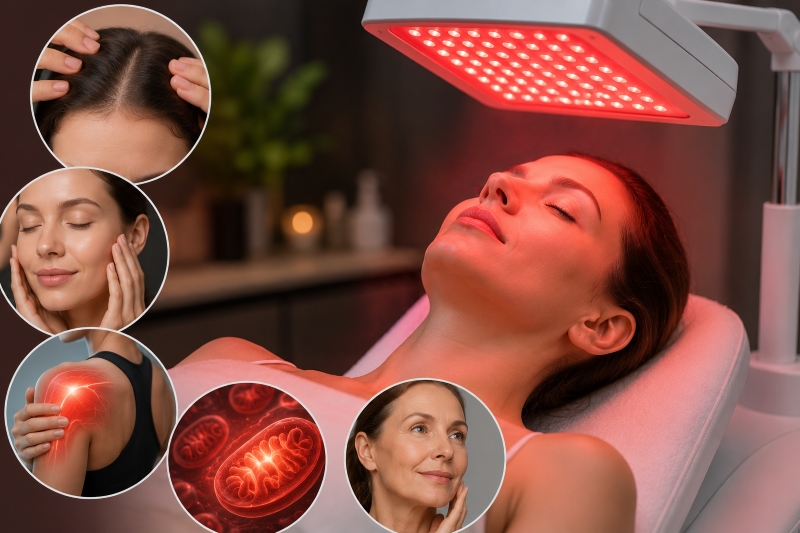
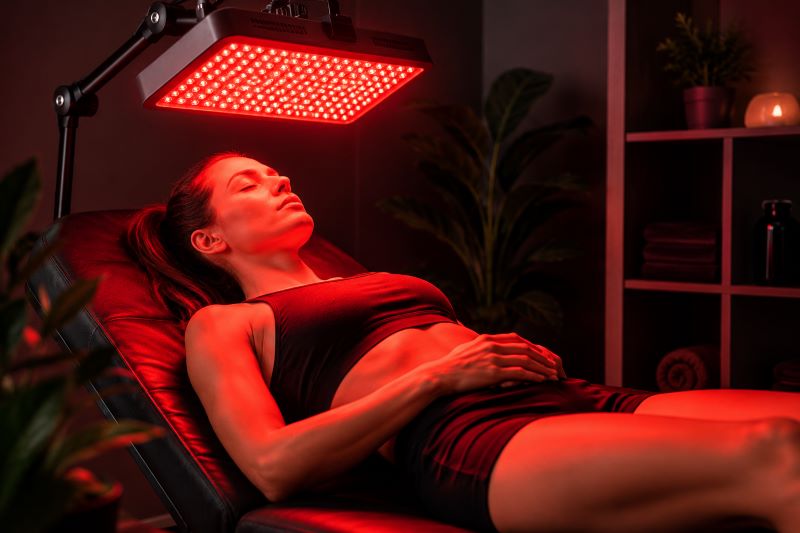
Red light therapy (RLT), also known as photobiomodulation, uses red and near-infrared wavelengths of light to penetrate the skin and interact with cells. These wavelengths are believed to support the function of mitochondria—the energy-producing structures inside our cells—helping the body repair, recover, and perform more efficiently.
Unlike UV light, red light therapy does not damage the skin and is generally considered safe when used correctly.
Benefits of Red Light Therapy
1. Supports Healthy, Youthful Skin
One of the most well-known applications of red light therapy is skin rejuvenation. Research suggests that red and near-infrared light may stimulate collagen production, helping improve skin elasticity and reduce the appearance of fine lines and wrinkles.
Potential skin benefits include:
- Improved skin texture and tone
- Reduced appearance of wrinkles
- Enhanced collagen production
- Support for wound healing
- Reduced skin inflammation
2. Enhances Recovery and Muscle Performance
Fitness enthusiasts and athletes often use red light therapy as part of their recovery routine. Studies suggest it may help reduce muscle soreness and support faster recovery following intense exercise.
Potential benefits include:
- Reduced delayed onset muscle soreness (DOMS)
- Improved muscle recovery
- Better exercise readiness
- Support for athletic performance
3. Helps Manage Pain and Inflammation
Chronic inflammation can impact everything from joint health to physical performance. Red light therapy has shown promise in helping reduce discomfort associated with certain musculoskeletal conditions.
Potential applications include:
- Joint stiffness
- Back and neck discomfort
- Exercise-related inflammation
- Recovery from minor injuries
4. Promotes Hair Growth
Low-level light therapy devices have gained popularity for supporting hair growth in individuals experiencing pattern hair loss. Consistent use over several months may help improve hair density and thickness in some users.
5. Supports Sleep and Circadian Health
Quality sleep is one of the foundations of good health. While research is still emerging, some studies suggest that red light exposure may help support healthy sleep patterns and recovery, particularly when incorporated into a broader sleep optimization strategy.
Beyond Red Light Therapy: Popular Biohacking Therapies
Biohacking is ultimately about using science, technology, and lifestyle interventions to help the body function at its best. Here are some of the most popular therapies being used today.
Cold Therapy (Cold Plunges and Cryotherapy)
Cold exposure has become one of the fastest-growing wellness trends—and for good reason.
Potential benefits include:
- Increased alertness and focus
- Enhanced recovery after exercise
- Improved resilience to stress
- Reduced muscle soreness
- Support for circulation
Many biohackers use cold plunges, ice baths, or whole-body cryotherapy as part of their weekly recovery routine.
Infrared Sauna Therapy
Infrared saunas use infrared heat to warm the body directly rather than heating the surrounding air.
Potential benefits include:
- Relaxation and stress reduction
- Improved circulation
- Muscle recovery support
- Temporary relief of stiffness and soreness
- Enhanced sweating and detoxification processes
Many wellness enthusiasts pair infrared sauna sessions with cold therapy to create a contrast therapy protocol.
Contrast Therapy
Contrast therapy alternates between heat exposure and cold exposure.
Common methods include:
- Sauna followed by cold plunge
- Hot shower followed by cold shower
- Infrared sauna followed by cryotherapy
Potential benefits include:
- Improved circulation
- Enhanced recovery
- Reduced feelings of fatigue
- Increased resilience to environmental stress
Compression Therapy
Compression boots and recovery systems have become popular among athletes and active individuals.
Potential benefits include:
- Improved circulation
- Reduced swelling
- Faster recovery after training
- Reduced muscle fatigue
Compression therapy is often used after endurance events, intense training sessions, or long periods of travel.
PEMF Therapy (Pulsed Electromagnetic Field Therapy)
PEMF devices deliver low-frequency electromagnetic pulses that may interact with cellular processes.
Potential benefits may include:
- Recovery support
- Improved circulation
- Temporary pain relief
- Enhanced relaxation
While research is ongoing, PEMF therapy continues to gain interest within the biohacking community.
Breathwork and Oxygen Optimization
Not all biohacking requires expensive equipment.
Structured breathing practices can help:
- Improve focus
- Reduce stress
- Support nervous system regulation
- Enhance exercise performance
- Improve recovery
Many individuals combine breathwork with meditation, cold exposure, or mindfulness practices for greater benefits.
Wearable Health Tracking
Modern biohackers increasingly rely on data to make informed health decisions.
Popular metrics include:
- Sleep quality
- Heart rate variability (HRV)
- Resting heart rate
- Activity levels
- Recovery scores
Wearable technology can provide valuable insights into lifestyle habits and recovery patterns, helping individuals make more personalized wellness decisions.
Hyperbaric Oxygen Therapy (HBOT)
Hyperbaric oxygen therapy involves breathing oxygen in a pressurized environment.
Potential benefits being studied include:
- Recovery support
- Wound healing assistance
- Enhanced oxygen delivery to tissues
- Support for certain medical conditions under professional supervision
HBOT should always be performed under appropriate medical guidance.
The Future of Wellness Is Personalized
The most effective biohacking strategy is rarely about a single therapy. Instead, it involves combining evidence-based tools with foundational lifestyle habits such as:
- Quality sleep
- Regular exercise
- Balanced nutrition
- Stress management
- Adequate hydration
Red light therapy, cold exposure, infrared sauna sessions, compression therapy, and wearable tracking devices can all play a role in supporting overall wellness when used consistently and appropriately.
Final Thoughts
Red light therapy has emerged as one of the most promising and accessible biohacking tools available today. From supporting skin health and recovery to promoting overall wellness, it offers a non-invasive option for individuals looking to optimize their health.
As the biohacking movement continues to grow, therapies such as cold exposure, infrared saunas, compression recovery, PEMF, breathwork, and hyperbaric oxygen therapy are giving people more ways than ever to take a proactive approach to well-being.
The key is to focus on evidence-based practices, listen to your body, and build a personalized wellness routine that supports your unique goals. With the right combination of lifestyle habits and recovery technologies, optimizing health can become a sustainable part of everyday life.
FAQ’s
Is red light therapy scientifically proven?
Research suggests red light therapy may support skin health, wound healing, muscle recovery, and pain management. Results can vary depending on the condition and treatment protocol.
How often should you use red light therapy?
Most protocols recommend 3–5 sessions per week, although usage can vary depending on the device and intended outcome.
What are the most popular biohacking therapies?
Popular biohacking therapies include red light therapy, cold plunges, cryotherapy, infrared sauna therapy, compression recovery, PEMF therapy, breathwork, and hyperbaric oxygen therapy.
Can red light therapy help with recovery?
Studies suggest red light therapy may help reduce muscle soreness and support post-exercise recovery.
Is biohacking safe?
Many biohacking techniques are considered safe when used appropriately. Individuals with medical conditions should consult a healthcare professional before beginning any new therapy.
Advisory:
Biohacking therapies are intended to support wellness and recovery and should not replace professional medical advice, diagnosis, or treatment. Individuals with medical conditions should consult a qualified healthcare professional before starting any new therapy.
Follow us on X: https://x.com/fitcartofficial and Instagram: https://www.instagram.com/fitcartofficial/ for the latest updates, health insights, and exclusive content.
Follow Smart Nutrition India X: https://x.com/SmartNutrition1 and Instagram: https://www.instagram.com/smartnutritionindia/ for trusted sports nutrition, supplement education, wellness tips, and the latest news from the world of health and performance.
Fitcart believes in True Play and Clean Sport
#trustedbrandsbetterhealth