


Article by Fitcart.com.
Fitness is no longer just about counting steps or tracking calories. Today, technology is helping people train smarter, recover better, and understand their bodies like never before. From professional athletes to working professionals, students, and senior citizens, AI-powered wearables are becoming an important part of everyday health and wellness.
At Fitcart, we believe fitness should be smarter, more personalized, and sustainable for every age group. That’s exactly where AI wearable technology is making a huge impact.
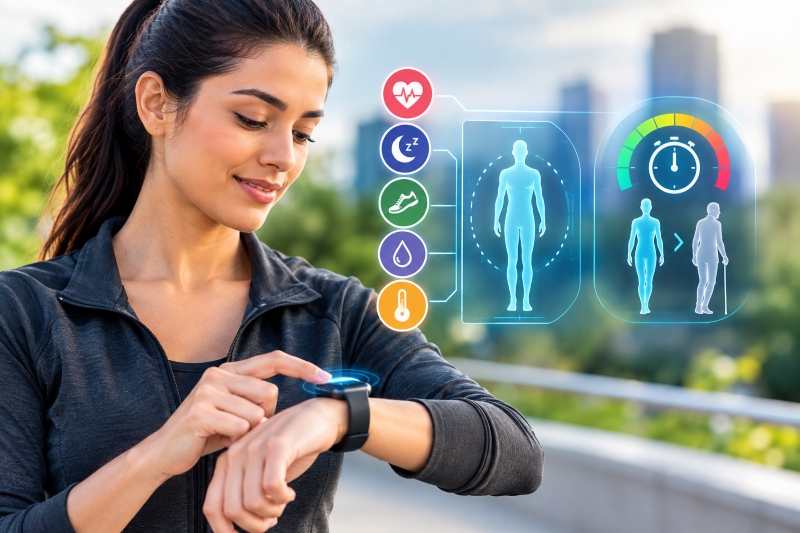
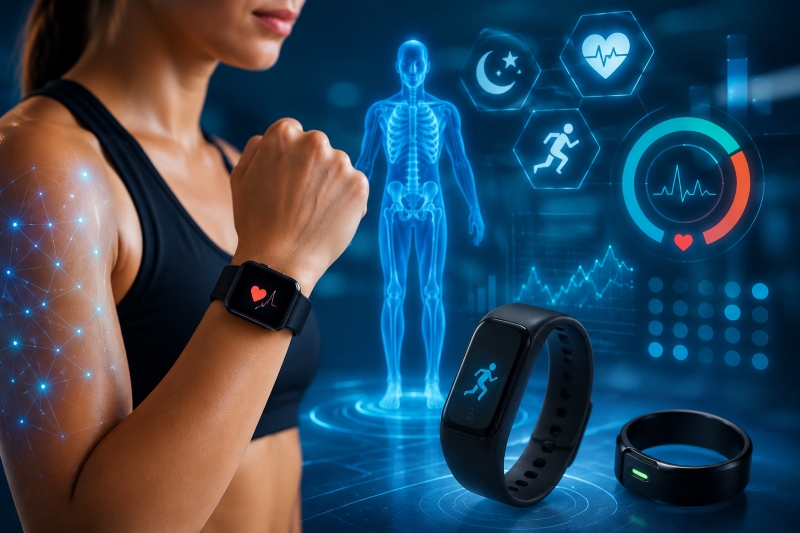
Whether it’s a smartwatch tracking your heart rate, a smart ring analyzing sleep quality, or an AI-powered fitness band guiding your workouts, wearable technology is transforming the way we approach health.
What Are AI Wearables?
AI wearables are smart devices that collect health and fitness data and use Artificial Intelligence to turn that information into meaningful insights.
Unlike traditional fitness trackers, modern wearables do much more than display numbers. They analyze your body’s patterns and help you make better decisions about exercise, recovery, sleep, and overall wellness.
These devices can track:
- Heart rate
- Sleep quality
- Stress levels
- Calories burned
- Activity levels
- Recovery status
- Blood oxygen levels
- Heart-rate variability (HRV)
- Workout performance
The biggest advantage? They help users understand not just what is happening in their body, but why it matters.
Why AI Wearables Matter in Modern Fitness?
The fitness industry is moving toward personalized wellness, and AI wearables are leading that shift. Every individual has a different body, lifestyle, recovery rate, and fitness goal. AI technology helps create customized insights based on personal data rather than generic recommendations.
This means:
- Better workout planning
- Smarter recovery management
- Improved consistency
- Reduced injury risk
- More sustainable fitness progress
At Fitcart, we see wearable technology as a powerful tool that helps people stay motivated, informed, and connected to their health goals.
How Athletes Use AI Wearables
Professional athletes and fitness enthusiasts are increasingly relying on AI wearables to improve performance and recovery.
1. Smarter Training
Athletes wear wearables to monitor workout intensity, endurance, and recovery levels. AI can identify when the body is fully recovered and ready for high-performance training.
This helps athletes:
- Train efficiently
- Avoid overtraining
- Improve stamina
- Maximize performance
Instead of guessing when to push harder, wearables provide data-driven guidance.
2. Injury Prevention
One of the biggest benefits of wearable technology is early fatigue detection.
AI wearables can identify:
- Elevated stress levels
- Poor recovery
- Sleep deficiency
- Unusual heart-rate patterns
These warning signs help athletes adjust their training before injuries occur.
Recovery has become just as important as exercise itself, and wearables make recovery tracking easier than ever
3. Real-Time Performance Feedback
Modern wearables can provide live workout analysis during:
- Running
- Cycling
- Strength training
- Swimming
- HIIT workouts
Athletes receive instant feedback about pacing, movement efficiency, heart-rate zones, and performance levels.
This level of personalization was once available only to elite sports professionals. Today, it’s accessible to everyday fitness users as well.
AI Wearables for Everyday Health Monitoring
AI wearables are not only for athletes. They are becoming essential wellness tools for people of all ages.
1. Encouraging Healthy Habits
For many people, wearables act as daily motivation.
Simple reminders to:
- Walk more
- Stay active
- Drink water
- Improve sleep
- Reduce stress
can make a significant difference in long-term health.
Small healthy habits, repeated consistently, create lasting wellness.
2. Better Sleep and Recovery
Sleep is one of the most important aspects of fitness and overall health.
AI wearables can track:
- Sleep duration
- Deep sleep
- Sleep interruptions
- Recovery quality
This helps users understand how their lifestyle affects energy, mood, and physical performance.
At Fitcart, we believe recovery is not optional — it’s a critical part of a healthy lifestyle.
3. Heart and Stress Monitoring
Many modern devices continuously monitor heart rate and stress levels throughout the day.
This helps users:
- Understand stress triggers
- Improve mindfulness
- Maintain cardiovascular awareness
- Build healthier routines
As preventive healthcare becomes more important, wearables are helping people become proactive about their health instead of reactive.
4. Supporting Senior Health
Wearable technology is also improving wellness for older adults.
Features such as:
- Fall alerts
- Heart monitoring
- Activity reminders
- Emergency assistance
- Sleep tracking
can support safer and healthier aging.
Fitness and wellness are important at every stage of life, and wearable technology makes health monitoring more accessible for everyone.
The Future of Fitness Is Personalized
The future of fitness is no longer one-size-fits-all.
AI wearables are creating a more personalized approach where individuals receive recommendations based on:
- Their body
- Their recovery
- Their lifestyle
- Their health patterns
- Their fitness goals
In the coming years, wearable technology is expected to become even more advanced with features like:
- Continuous glucose monitoring
- Hydration tracking
- AI fitness coaching
- Personalized nutrition insights
- Mental wellness analysis
This shift will redefine how people approach health and fitness.
Why Wearables Are Becoming Essential
The modern lifestyle is busy, stressful, and often sedentary. AI-powered wearables help bridge the gap between daily life and healthy living.
They provide:
- Awareness
- Accountability
- Motivation
- Personalized guidance
- Better lifestyle management
Most importantly, they help people build long-term healthy habits instead of chasing short-term fitness trends.
Final Thoughts
AI wearables are changing the way people train, recover, and manage their health. From elite athletes optimizing performance to individuals simply trying to stay active and healthy, wearable technology is making fitness smarter and more accessible than ever before.
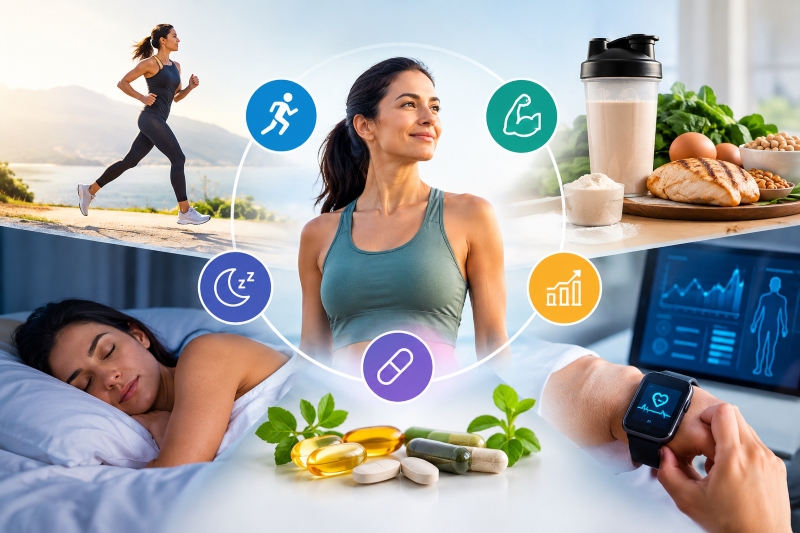
At Fitcart, we believe technology and wellness go hand in hand. The goal is not just to exercise more, but to understand your body better, recover properly, and create sustainable healthy habits for life.
The future of fitness is intelligent, connected, and personalized — and AI wearables are leading the way.
Advisory Before Starting Any Fitness Programme or Using Wearable Technology
While AI wearables offer valuable insights and motivation, they should be used responsibly and as supportive tools — not as substitutes for professional medical advice.
Before beginning any new fitness programme, exercise routine, or health-monitoring regimen, individuals should:
- Consult a qualified healthcare professional, especially if they have pre-existing medical conditions
- Start gradually and avoid sudden high-intensity workouts
- Focus on consistency rather than extreme fitness goals
- Listen to their body and prioritize recovery
It is also important to remember that wearable devices may not always provide perfectly accurate readings. Metrics such as calorie burn, stress levels, sleep scores, or heart-rate data should be viewed as guidance rather than a medical diagnosis.
Users should:
- Avoid becoming overly dependent on health metrics
- Use trusted and reliable wearable brands
- Protect personal health data and privacy
- Understand that technology supports wellness, but cannot replace professional healthcare assessment
At Fitcart, we encourage a balanced approach where fitness, recovery, nutrition, and mindful use of technology work together to support long-term well-being.
Follow us on X: https://x.com/fitcartofficial and Instagram: https://www.instagram.com/fitcartofficial/ for the latest updates, health insights, and exclusive content.
Follow Smart Nutrition India X: https://x.com/SmartNutrition1 and Instagram: https://www.instagram.com/smartnutritionindia/ for trusted sports nutrition, supplement education, wellness tips, and the latest news from the world of health and performance.
Fitcart believes in True Play and Clean Sport
#trustedbrandsbetterhealth