


Reading time: 7–9 minutes.
Author: Ritu Makhija.
Co-Founder, Fitcart.com.
Head of Editorial Team, Fitcart Blog.
Introduction: Muscle is one of your most valuable health assets.
Many women notice changes in their bodies during their 40s, 50s and beyond. Clothes may fit differently, body fat may accumulate more readily around the waist, and exercises that once felt easy can become more challenging.
Some of these changes coincide with perimenopause and menopause, when the body’s production of oestrogen changes substantially.
Although menopause is a natural life stage, maintaining muscle, strength and physical function becomes increasingly important as women age.
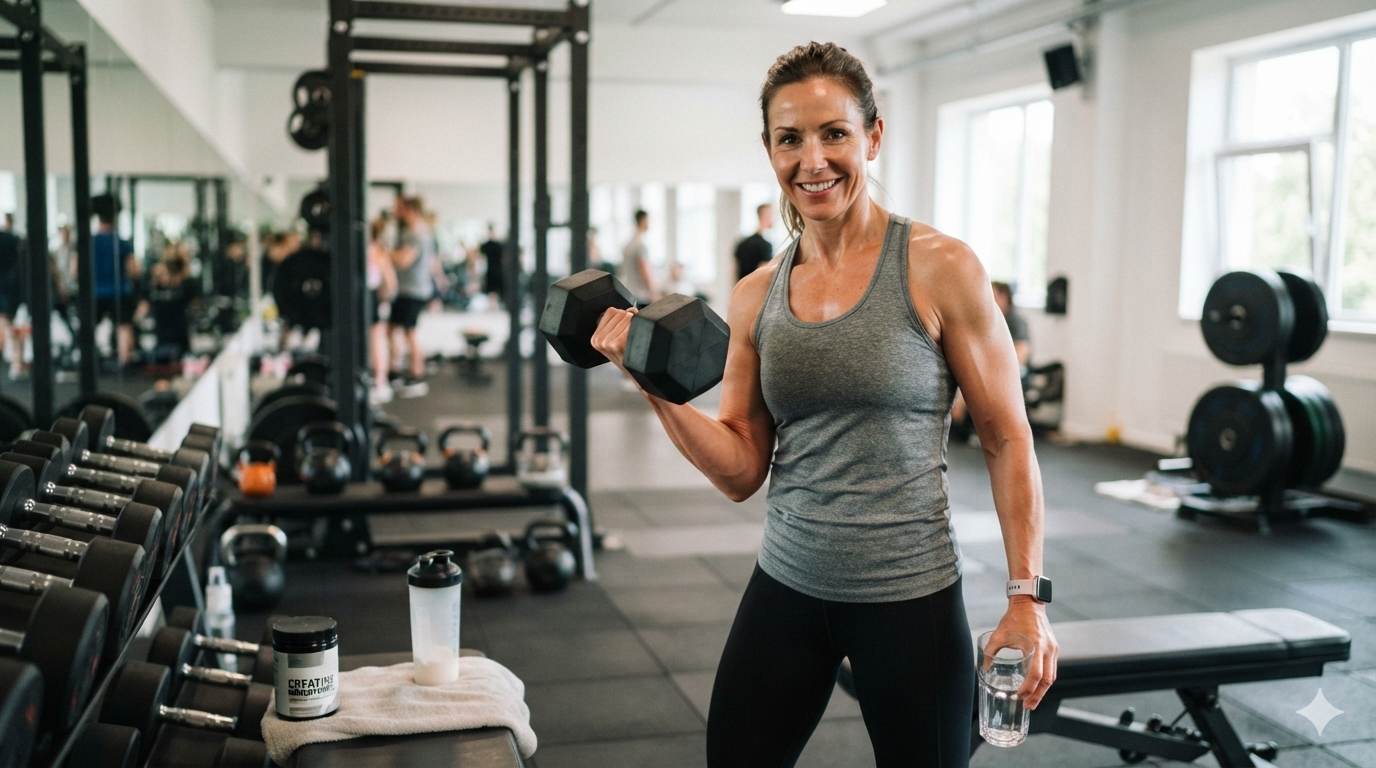
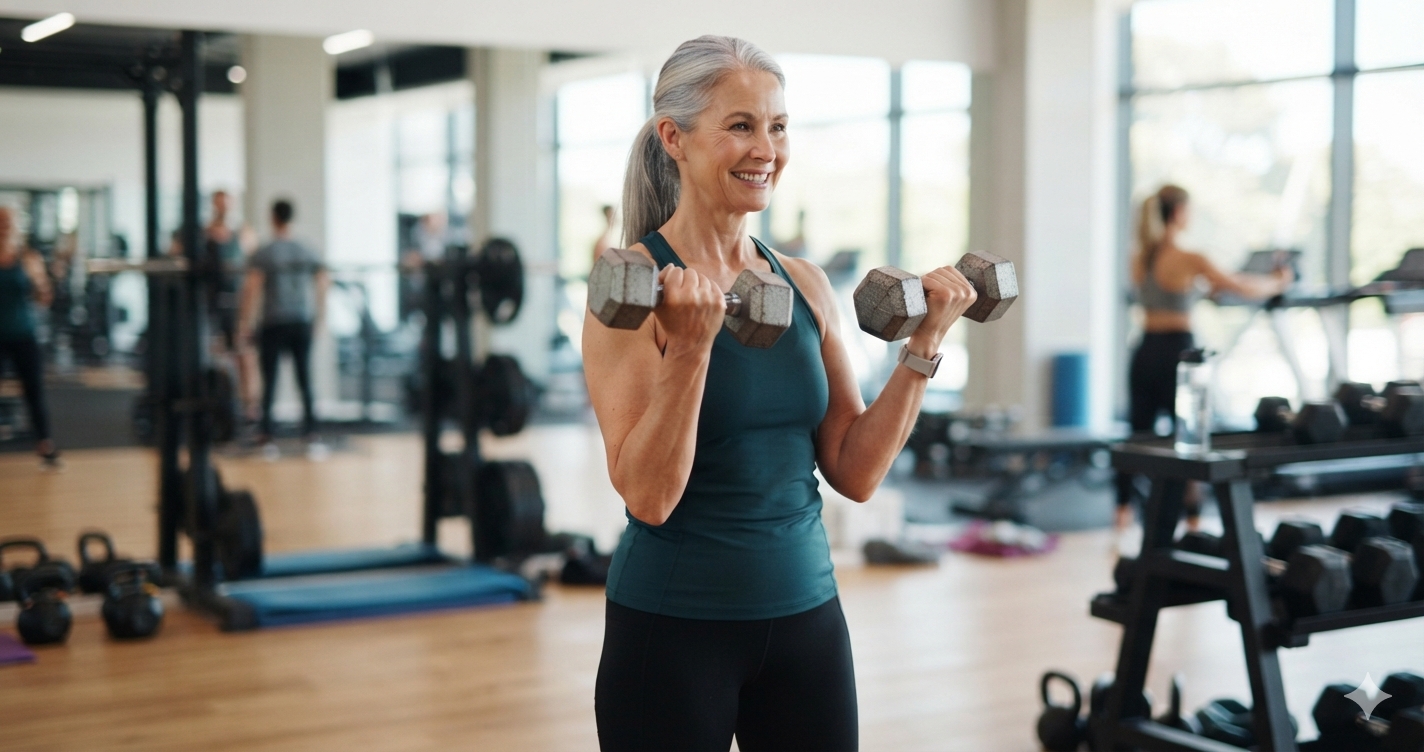
Muscle is not simply about appearance. It helps you climb stairs, carry shopping, get up from a chair, maintain balance and remain independent. It also contributes to glucose regulation, everyday energy expenditure and the capacity to recover from physical challenges.
The encouraging news is that muscle loss is not inevitable at the same rate for everyone. Women can build strength and improve physical function in midlife and later life with appropriate training, nutrition and recovery.
At Fitcart, our approach to healthy ageing focuses on evidence-informed exercise, adequate nutrition and responsible supplement choices rather than quick fixes.
1. Why does muscle loss occur after menopause?
Muscle mass and strength are influenced by several interconnected factors. Menopause is one part of the picture, alongside ageing, activity levels, diet, health conditions and genetics.
Changing oestrogen levels
Oestrogen plays roles in multiple tissues, including skeletal muscle, bone and connective tissue. The menopausal transition is associated with changes in body composition and may contribute to a decline in muscle health.
However, it would be inaccurate to attribute every change in strength or muscle mass directly to falling oestrogen. Ageing, inactivity, inadequate nutrition and other health factors also matter.
Age-related changes in muscle
As people age, they may experience sarcopenia, a condition characterised by reduced muscle strength, muscle quantity or quality, and physical performance.
The rate of change varies considerably. Some people remain strong and physically capable well into later life, while others develop difficulties with daily activities.
Less resistance exercise
Walking is excellent for cardiovascular health, but walking alone generally does not provide the same muscle-building stimulus as progressive resistance exercise.
If women become less active, reduce the amount of weight they lift or stop strength training altogether, their muscles may receive less stimulus to maintain their previous capacity.
Insufficient protein or energy
Muscle tissue requires amino acids and sufficient overall energy to maintain and repair itself.
Skipping meals, following overly restrictive diets or consuming too little protein can make it harder to preserve muscle, particularly when combined with inactivity.
Poor sleep, illness and recovery
Sleep disruption, chronic health conditions, prolonged inactivity and certain medications can also influence muscle function. Persistent fatigue or unexplained weakness should not automatically be dismissed as part of menopause.
2. Why preserving muscle matters for women over 40 and 50
Maintaining muscle supports more than strength in the gym.
Everyday independence: Stronger muscles help with daily tasks such as carrying bags, rising from a chair and climbing stairs.
Bone health: Resistance and appropriate weight-bearing exercise provide important stimuli for maintaining skeletal health. This is especially relevant because declining oestrogen around menopause contributes to bone loss.
Metabolic health: Skeletal muscle is an important site of glucose uptake. Maintaining muscle and staying physically active can support metabolic health, alongside dietary quality and other lifestyle factors.
Balance and physical resilience: Strength, coordination and balance training can help preserve the physical capacity needed to respond to everyday movement challenges.
Body composition: Building or maintaining muscle can improve body composition, although changes in scale weight alone do not reveal whether muscle has been preserved.
Muscle is therefore an important part of a long-term healthy-ageing strategy, not simply a fitness goal.
3. Strength training: One of the most effective ways to protect muscle
Resistance training is a cornerstone of muscle maintenance and development.
You do not need to begin with heavy weights or spend hours in a gym. The most appropriate programme is one that challenges your muscles safely and progresses as your ability improves.
Start with functional movements
Useful exercises include:
- Chair squats or sit-to-stand movements.
- Wall or incline push-ups.
- Resistance-band rows.
- Hip hinges or appropriately modified deadlift patterns.
- Supported step-ups.
- Calf raises.
- Carrying manageable weights over a short distance.
Choose exercises that suit your current ability, mobility, and health.
Train consistently
For many healthy adults, two or three resistance-training sessions each week provide a practical starting point. Allow recovery between demanding sessions and adjust your schedule as needed.
Begin with a manageable amount of work, then gradually increase repetitions, resistance or difficulty when your technique remains controlled.
Training to exhaustion is not necessary for everyone. Regular, progressive exercise is generally more useful than an aggressive programme that you cannot sustain.
Include walking and balance work
Walking supports cardiovascular fitness and general wellbeing. Balance exercises and appropriate weight-bearing activity can complement resistance training, especially for older adults concerned about falls and bone health.
Stretching can help maintain range of motion, but it should complement rather than replace muscle-strengthening exercise.
4. Protein: Give your muscles the building blocks they need
Protein supplies amino acids used in muscle protein synthesis, the process through which the body builds and repairs muscle proteins.
As women age, ensuring adequate protein intake becomes increasingly relevant, particularly when they are physically active or trying to lose body fat without sacrificing muscle.
Include protein at meals
Useful options include:
- Eggs, fish, chicken and other lean meats.
- Milk, yoghurt, paneer and other dairy foods.
- Tofu, soy foods, lentils, beans and chickpeas.
- Nuts, seeds and appropriately combined plant-protein sources.
- Whey or plant-based protein powders when convenient.
A balanced eating pattern should also supply sufficient carbohydrates, healthy fats, vitamins, minerals and overall energy.
How much protein is enough?
Needs vary according to body size, activity, age, overall energy intake and medical circumstances.
For many healthy, physically active adults, approximately 1.2–1.6 grams of protein per kilogram of body weight daily can be a reasonable planning range, although individual requirements may be lower or higher. People with kidney disease or certain other medical conditions should seek individualised advice before substantially increasing protein intake.
For example, a healthy woman weighing 70 kg who is undertaking regular strength training might explore a daily range of approximately 84–112 grams, depending on her needs and goals.
This is an illustration, not a universal prescription. Protein intake should be considered alongside total calories, dietary preferences and health status.
5. Can creatine help women after menopause?
Creatine monohydrate is one of the most extensively studied sports nutrition supplements.
The body produces creatine naturally, and it is also found in foods such as meat and fish. Creatine helps replenish phosphocreatine, which contributes to rapid energy availability during short, intense efforts.
When combined with resistance training, creatine supplementation can support improvements in strength and training performance. Some studies also suggest benefits for lean mass, although results vary, and changes in lean mass can include water retained within muscle.
For postmenopausal women, creatine is a promising option to consider alongside exercise, but it is not a substitute for training, and evidence specific to this population remains less extensive than the broader creatine literature.
What should women know before using creatine?
- Creatine monohydrate is the most established form.
- A commonly studied adult maintenance dose is 3–5 grams daily, although suitability depends on the individual.
- Initial weight gain may occur partly because of increased water stored in muscle.
- It is not a fat-burning supplement and does not independently guarantee muscle growth.
- People with kidney disease, relevant medical conditions or medications affecting kidney function should consult a healthcare professional before use.
Fitcart encourages consumers to check product ingredients, serving sizes and relevant quality-testing documentation before purchasing sports supplements.
6. Other nutrients worth considering
Supplements are most useful when they address a genuine dietary gap or a well-defined need.
Vitamin D and calcium
Both are important for bone health. Adequate calcium intake, appropriate vitamin D status and suitable exercise form part of a broader bone-health strategy.
Supplementation should be based on dietary intake, risk factors and professional advice where appropriate. More is not automatically better.
Omega-3 fatty acids
Oily fish supplies EPA and DHA omega-3 fatty acids. Supplements may be useful for selected individuals who do not consume sufficient dietary sources, but they should not be marketed as a proven stand-alone treatment for postmenopausal muscle loss.
Protein supplements
Whey, casein and plant-based protein products can help bridge the gap between dietary intake and individual protein requirements.
They are convenience foods, not essential purchases for everyone. Whole-food protein sources remain valuable for their wider nutritional contribution.
Magnesium and other micronutrients
A varied diet containing vegetables, whole grains, legumes, nuts and seeds helps supply magnesium and other nutrients. There is insufficient evidence to recommend magnesium supplements specifically as a treatment for menopausal muscle loss in otherwise adequately nourished women.
7. Can you lose belly fat and preserve muscle after menopause?
Changes in fat distribution are common during the menopausal transition, and some women notice more abdominal fat.
However, you cannot selectively remove fat from the waist through a particular exercise or supplement.
A sustainable approach includes:
- Resistance training to maintain or build muscle.
- Adequate protein and a balanced diet.
- A modest energy deficit, if fat loss is appropriate.
- Regular walking and other enjoyable physical activity.
- Consistent sleep and recovery.
- Patience with changes in body composition.
Avoid severe calorie restriction, particularly when it leaves you fatigued, weak or unable to train effectively. Losing weight too quickly can increase the risk of losing lean tissue alongside fat.
If your primary goal is reducing waist circumference while maintaining strength, track more than body weight alone. Consider exercise performance, energy levels, how clothes fit and, where appropriate, professional body-composition assessment.
8. Do hormones or hormone therapy solve muscle loss?
Menopausal hormone therapy can be an appropriate treatment for certain menopausal symptoms and may have benefits for bone health in suitable patients.
However, it should not be prescribed solely as a muscle-building treatment. Current evidence does not establish hormone therapy as an effective stand-alone treatment for sarcopenia.
Decisions about hormone therapy depend on symptoms, age, medical history, individual risks and benefits, and clinical guidance.
Women experiencing troublesome symptoms should discuss their options with a qualified menopause clinician rather than attempting to manage hormonal changes through supplements alone.
9. A simple weekly plan for stronger ageing
Here is an example of how different activities can fit into a manageable week.
Monday: Full-body resistance training.
Tuesday: Walking and gentle mobility.
Wednesday: Full-body resistance training.
Thursday: Walking, balance practice or a suitable mind-body activity.
Friday: Resistance training, adjusted to your recovery and experience.
Saturday: An enjoyable outdoor activity or longer walk.
Sunday: Rest or gentle movement.
Beginners may start with two strength sessions per week and build from there. Older adults, people with osteoporosis, joint problems or significant health conditions may benefit from a programme tailored by an appropriately qualified professional.
The Fitcart takeaway: Stronger at every age
Menopause changes the hormonal environment, but it does not mean that women must accept progressive weakness or give up on their fitness goals.
Maintaining muscle requires a combination of resistance training, sufficient protein, balanced nutrition, appropriate recovery and a realistic approach to supplementation.
Creatine and protein products may support these efforts for some women, while vitamin D and calcium may be relevant to bone health when intake or status requires attention. None replaces a sound training programme or individual medical care.
At Fitcart, we believe that healthy ageing should be about maintaining capability, confidence and quality of life — not chasing unrealistic promises.
Start with manageable exercise, build consistency, nourish your body and progress gradually. It is never too late to begin working towards a stronger future.
Health and supplement disclaimer
This article is for general educational purposes and does not constitute medical advice, diagnosis or treatment. Muscle loss, fatigue and weakness can have several causes and should not automatically be attributed to menopause. Seek medical assessment for persistent or unexplained symptoms.
Exercise programmes should be adapted to individual fitness, mobility, bone health and medical history. Dietary and supplement requirements vary. Consult a qualified healthcare professional before using creatine or other supplements if you have kidney disease, another medical condition, take medication, or have specific health concerns. Supplements should complement a balanced diet and appropriate exercise, not replace them. Choose products with transparent ingredients and independently verifiable testing where available.
Follow us on X: https://x.com/fitcartofficial and Instagram: https://www.instagram.com/fitcartofficial/ for the latest updates, health insights, and exclusive content.
Follow Smart Nutrition India X: https://x.com/SmartNutrition1 and Instagram: https://www.instagram.com/smartnutritionindia/ for trusted sports nutrition, supplement education, wellness tips, and the latest news from the world of health and performance.
Fitcart believes in True Play and Clean Sport
#trustedbrandsbetterhealth