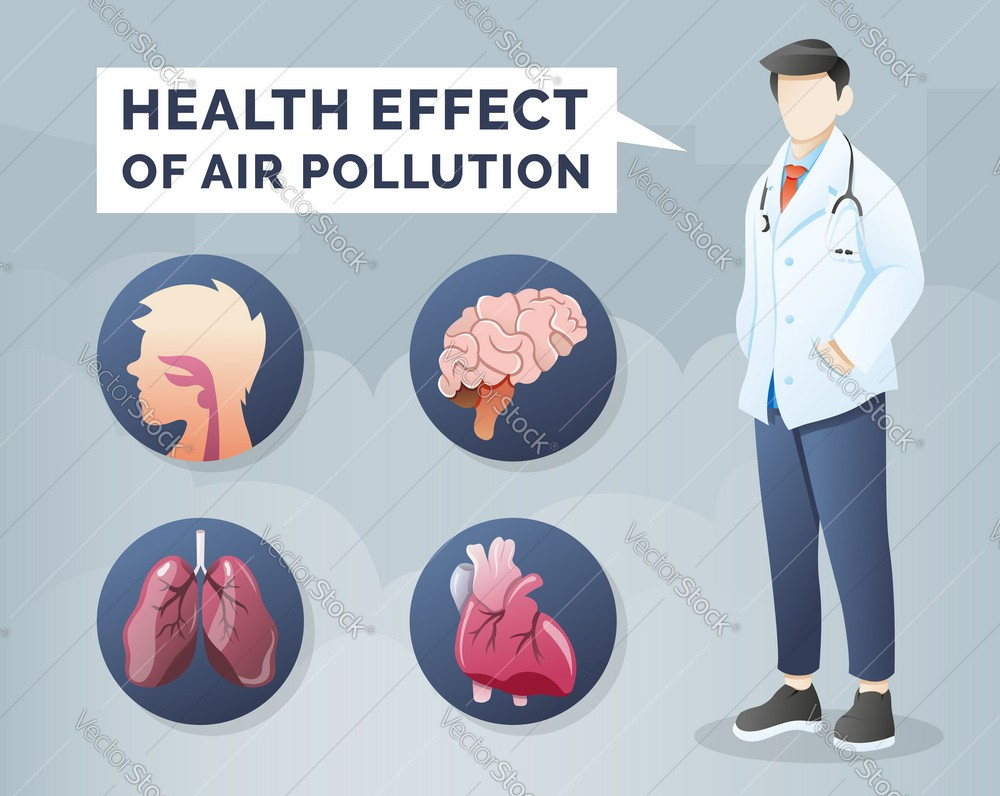



While large-scale efforts to reduce pollution are essential, individuals can take proactive steps at home to mitigate the harmful effects of air pollution on their health. From simple lifestyle changes to the use of specific remedies and supplements, there are several ways to reduce exposure to pollutants and support overall well-being. Below are practical actions that individuals can take to protect themselves and their families from the health risks associated with high pollution levels.
Article by Fitcart.com
1. Indoor Air Quality: Improving Your Environment at Home
One of the most effective ways to reduce pollutant exposure is by improving indoor air quality. Since much of the air pollution we breathe is outdoors, bringing pollution indoors is an inevitable concern. However, there are simple ways to improve the air inside your home:
Air Purifiers: Investing in a high-quality air purifier with a HEPA (High-Efficiency Particulate Air) filter can significantly reduce indoor pollutants such as dust, pet dander, mold, and PM2.5 (fine particulate matter). Some purifiers also include activated carbon filters that can remove gases and odors from the air.
Houseplants: Certain indoor plants can help absorb harmful pollutants and improve air quality. For instance, spider plants, peace lilies, and snake plants filter out toxins such as formaldehyde, benzene, and trichloroethylene from the air.
Ventilation: Ensure good ventilation in your home, especially during lower outdoor pollution (early mornings or late evenings). Opening windows to allow fresh air to circulate can help dilute indoor pollutants. However, it may be better to keep windows closed on high-pollution days and rely on air purifiers to improve indoor air quality.
Essential Oils: Some essential oils, such as eucalyptus, peppermint, and lavender, may help clear the air and promote better breathing. Diffusing these oils in your home can create a calming environment and help alleviate symptoms like congestion and headaches caused by pollution.
Cleaning: Regular cleaning of your home, especially surfaces that can trap dust and pollutants, such as carpets, curtains, and upholstery, is essential. Use a vacuum with a HEPA filter to trap small particles effectively.
2. Breathing Exercises and Techniques
While you can’t control outdoor pollution, you can improve your respiratory health by practicing breathing techniques that can help you breathe more effectively and reduce the strain on your lungs:
Deep Breathing: Deep breathing exercises, such as diaphragmatic or abdominal breathing, helps improve lung function and oxygen intake. This can be especially beneficial for individuals living in areas with high pollution levels. It encourages more efficient lung expansion, helping to clear out toxins and reduce inflammation in the airways.
Pursed Lip Breathing: This technique involves breathing in through the nose and exhaling slowly through pursed lips (as if you were blowing out a candle). This helps open the airways, improve oxygen exchange, and promote relaxation, especially for people with asthma or COPD.
Pranayama Yoga Breathing: This ancient technique involves controlled breathing exercises that can enhance lung capacity and reduce the physical stress caused by poor air quality. It may help clear the respiratory system and improve overall lung health.
3. Supplements to Support Respiratory and Cardiovascular Health
While no supplement can completely counteract the effects of air pollution, some vitamins, minerals, and herbal supplements can help protect and support the body’s systems, particularly the lungs and heart. Here are a few supplements that may be beneficial:
Vitamin C: Vitamin C is a powerful antioxidant that can help reduce oxidative stress caused by air pollution. It also supports the immune system and helps repair lung tissue damage. Some studies suggest that vitamin C supplementation may help reduce the risk of asthma attacks and other respiratory issues caused by pollution.
Vitamin E: Like vitamin C, vitamin E is an antioxidant that helps combat the inflammation caused by pollutants in the body. It is essential to protect the respiratory system from damage and support overall cardiovascular health.
Omega-3 Fatty Acids: Omega-3s, found in fish oil and specific plant-based sources (e.g., flaxseeds, chia seeds), are anti-inflammatory and may help reduce the inflammation in the lungs and blood vessels exacerbated by air pollution. Regular consumption of omega-3s may help reduce the risk of heart disease and support brain health.
Magnesium: Magnesium helps relax the muscles in the airways, which can be helpful for people suffering from asthma or other respiratory issues. It also supports heart health by regulating blood pressure and reducing the risk of cardiovascular diseases associated with pollution.
N-acetylcysteine (NAC): NAC is a supplement that helps the body produce glutathione. This powerful antioxidant is crucial in detoxifying the body and protecting cells from oxidative damage. It is commonly used to support lung health and reduce the symptoms of respiratory diseases.
Curcumin (Turmeric): Curcumin, the active compound in turmeric, has potent anti-inflammatory and antioxidant properties. It can help reduce inflammation in the airways and lungs caused by pollution, making it beneficial for people with asthma, COPD, and other respiratory conditions.
Spirulina: Spirulina is a nutrient-dense algae supplement known for its detoxifying and anti-inflammatory effects. It can help clear heavy metals from the body and support lung function. Spirulina is also rich in antioxidants that help reduce the cellular damage caused by environmental pollutants.
Zinc: Zinc plays a vital role in immune function and has been shown to help reduce the impact of oxidative stress on the body. Supplementing with zinc may help protect the respiratory system from the damaging effects of pollution.
4. Hydration and Diet: Support from Within
Good hydration and a healthy diet are essential for keeping the body strong and better able to cope with pollutants:
Stay Hydrated: Drinking plenty of water throughout the day helps keep the mucous membranes in the respiratory tract moist and functioning properly. This can help reduce irritation from pollutants and prevent dehydration, which is common during pollution exposure.
Eat Antioxidant-Rich Foods: Foods high in antioxidants can help fight inflammation and oxidative stress in the body caused by pollution. Incorporate foods such as berries, leafy greens, citrus fruits, and cruciferous vegetables (like broccoli and kale) into your diet to help protect against cellular damage.
Eat Omega-3 Rich Foods: In addition to supplements, eating foods high in omega-3 fatty acids—like fatty fish (salmon, sardines), flaxseeds, and walnuts—can help combat inflammation in the lungs and heart, supporting cardiovascular health.
Anti-Inflammatory Spices: Adding anti-inflammatory spices such as turmeric, ginger, and cinnamon to your meals can help reduce the body’s inflammatory response to pollution. These spices contain natural compounds that support respiratory and cardiovascular health.
5. Exercise and Outdoor Activities
Regular physical activity is crucial for maintaining lung function and overall health.
Exercise Indoors: On days when outdoor air quality is poor, consider indoor exercises such as yoga, pilates, or strength training to maintain fitness without exposing yourself to harmful pollutants.
Outdoor Exercise at Low Pollution Times: If you prefer outdoor activities, try to exercise during early mornings or late evenings when pollution levels are lower, and avoid heavy exertion during peak pollution hours (typically during the afternoon).
Wear a Mask: Consider wearing a high-quality air pollution mask (such as an N95 respirator) during outdoor exercise in areas with high pollution. This can help filter out fine particulate matter and protect your respiratory system.
Conclusion
While air pollution is a significant public health challenge, there are many steps individuals can take at home to reduce exposure, support respiratory and cardiovascular health, and improve overall well-being. By enhancing indoor air quality, adopting protective supplements, practicing breathing exercises, and maintaining a healthy lifestyle, you can help mitigate the harmful effects of pollution on your health. Remember, these measures complement, rather than replace, efforts to address the root causes of pollution on a larger scale. Still, they can significantly protect yourself and your family in the face of environmental hazards.
Fitcart believes in True Play and Clean Sport
#trustedbrandsbetterhealth