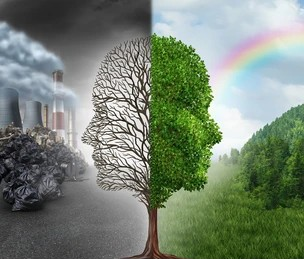



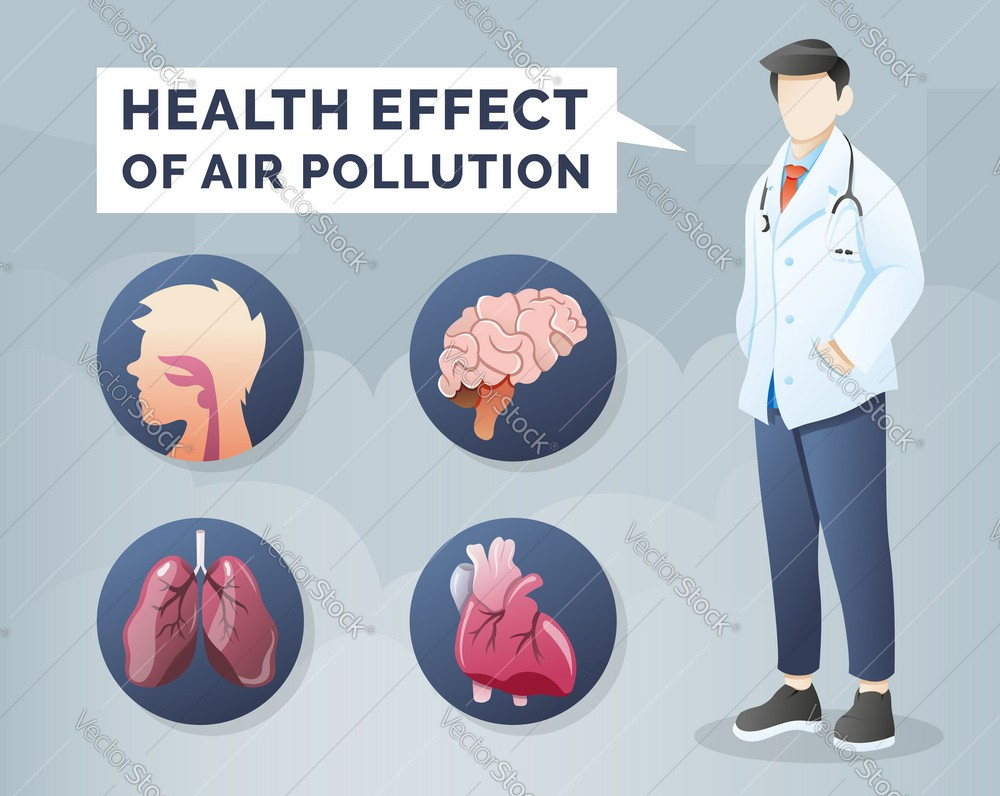
Air pollution is one of our most pressing environmental health issues. As urbanization and industrial activities have increased, so have levels of pollutants in the air, leading to significant health consequences for individuals and communities. High pollution levels in densely populated areas can have immediate and long-term effects on respiratory, cardiovascular, and public health.
Article by Fitcart.com
1. Respiratory Health Problems
One of the most direct impacts of air pollution is on the respiratory system. The inhalation of harmful particles, chemicals, and toxins in the air can lead to a wide range of respiratory conditions, including:
- Asthma: Air pollution, especially ozone (O₃) and particulate matter (PM2.5), can trigger asthma attacks and worsen the condition in those who are already asthmatic. The inhaled pollutants cause inflammation in the airways, making breathing harder.
- Chronic Obstructive Pulmonary Disease (COPD): Long-term exposure to pollutants like cigarette smoke, vehicle emissions, and industrial fumes can contribute to the development of COPD, a chronic condition that impairs airflow and makes breathing difficult.
- Lung Cancer: Prolonged exposure to carcinogens, such as benzene and formaldehyde, found in air pollution, has been linked to an increased risk of lung cancer. Particulate matter, especially fine particles (PM2.5), can also penetrate the lungs, causing cellular damage over time.
Bronchitis and Pneumonia: Pollutants such as sulfur dioxide (SO₂) and nitrogen dioxide (NO₂) can irritate the airways, leading to bronchitis or increasing the risk of respiratory infections like pneumonia. These conditions can cause severe discomfort and even be life-threatening in severe cases.
2. Cardiovascular Disease
Air pollution is also a significant risk factor for cardiovascular diseases, including heart attacks, strokes, and hypertension. Delicate particulate matter (PM2.5), which can penetrate the bloodstream through the lungs, has been linked to an increased risk of arterial plaque buildup, leading to atherosclerosis. The following cardiovascular issues are common in polluted areas:
- Heart Attacks: Exposure to high levels of air pollution has increased the likelihood of heart attacks. The inflammation caused by fine particles in the bloodstream contributes to the narrowing and hardening of arteries, which can trigger a heart attack.
- Stroke: Long-term exposure to pollutants, particularly PM2.5 and NO₂, has been linked to a higher risk of strokes. Pollutants can contribute to blood clotting, reduce blood flow, and promote atherosclerosis, all of which increase stroke risk.
- Hypertension (High Blood Pressure): Air pollution has been associated with elevated blood pressure, a key risk factor for heart disease. Pollutants can cause inflammation in blood vessels, leading to increased resistance to blood flow and higher blood pressure.
3. Premature Death
The combined effects of long-term exposure to high pollution levels have been linked to an increase in premature death rates. According to the World Health Organization (WHO), air pollution is responsible for millions of deaths annually worldwide. Most of these deaths are due to cardiovascular diseases, respiratory illnesses, and cancer. In highly polluted urban areas, individuals may experience reduced life expectancy due to the cumulative effects of air pollution over time.
4. Impact on Vulnerable Populations
Certain groups are more susceptible to the adverse effects of air pollution
- Children: Children’s respiratory and immune systems are still developing, making them more vulnerable to the harmful effects of air pollution. Exposure to polluted air during childhood can increase the risk of asthma, respiratory infections, and impaired lung development.
- Elderly: Older adults often have pre-existing health conditions, such as heart disease or lung conditions, which can be exacerbated by air pollution. The elderly are more likely to experience severe health consequences, including hospitalization and death, due to the combined effects of pollution and aging.
- People with Pre-existing Health Conditions: Individuals with asthma, COPD, heart disease, or diabetes are at higher risk for the harmful effects of air pollution. Pollutants can worsen these conditions, leading to frequent hospital visits and long-term health complications.
- Pregnant Women: Exposure to high levels of air pollution during pregnancy has been linked to adverse birth outcomes, including low birth weight, premature birth, and developmental delays. Pollutants can affect fetal development, potentially leading to lifelong health issues.
5. Mental Health Effects
Recent studies have also highlighted the link between air pollution and mental health. Pollutants such as nitrogen dioxide (NO₂) and particulate matter (PM2.5) may influence brain function and increase the risk of mental health disorders, including:
- Anxiety and Depression: Research has shown that exposure to air pollution can elevate stress levels, leading to an increased risk of anxiety and depression. This is particularly concerning in urban areas where pollution levels are high.
- Cognitive Decline: Long-term exposure to air pollution has been associated with cognitive decline in older adults. Pollutants may contribute to brain inflammation and damage, increasing the risk of conditions such as Alzheimer’s disease and other forms of dementia.
6. Economic Impact
The health consequences of air pollution are not only a public health concern but also an economic one. The costs of treating pollution-related diseases lost productivity due to illness, and premature deaths significantly burden healthcare systems and national economies. In many countries, the economic cost of air pollution is estimated to be billions annually.
What Can Be Done?
- Stronger Environmental Regulations: Governments must enforce stricter air quality standards and regulations, particularly for industries, vehicles, and agricultural practices contributing to pollution.
- Transition to Clean Energy: Reducing reliance on fossil fuels and increasing renewable energy sources (e.g., solar, wind) can significantly lower emissions of harmful pollutants.
- Promote Active Transportation: Encouraging walking, cycling, and public transportation can help reduce vehicle emissions, a significant source of air pollution in urban areas.
- Public Awareness Campaigns: Educating communities about the health risks of air pollution and promoting lifestyle changes (e.g., staying indoors on high pollution days) can reduce exposure and mitigate some harmful effects.
- Urban Planning: Creating green spaces, increasing tree cover, and reducing traffic congestion in cities can help improve air quality and offer environmental benefits.
Conclusion
The health impacts of high pollution levels are far-reaching, affecting everything from respiratory and cardiovascular health to mental well-being and life expectancy. Addressing air pollution requires a multi-faceted approach involving government regulation, public health initiatives, and individual action. Reducing pollution and minimizing exposure can protect vulnerable populations and create healthier environments for future generations.
Fitcart believes in True Play and Clean Sport
#trustedbrandsbetterhealth