


Suggested reading time: 12-14 minutes.
Author: Ritu Makhija.
Co-Founder, Fitcart.com.
Head of Editorial Team, Fitcart Blog.
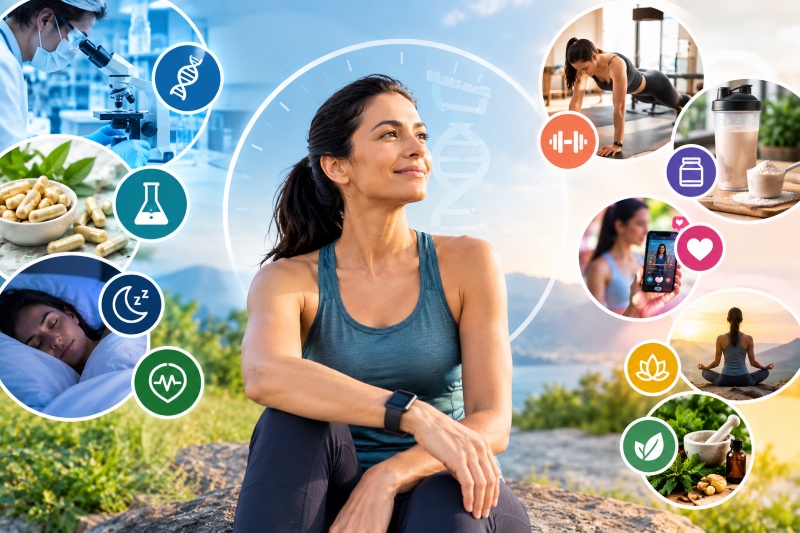
The future of nutrition is becoming more personal. Discover how artificial intelligence, genetic testing, blood biomarkers and wearable technology are changing the way we understand food, supplements, fitness and health.
For years, nutritional advice has largely followed general recommendations: eat a balanced diet, consume enough protein, include healthy fats, eat plenty of vegetables and exercise regularly.
But what if the same diet does not produce the same results in everyone?
Why can two people eat identical meals but experience different blood glucose responses? Why do some people struggle with certain foods while others digest them comfortably? Why do some individuals respond differently to exercise, dietary changes or supplements?
These questions are driving interest in a growing field known as precision nutrition or personalised nutrition.
Advances in artificial intelligence (AI), genetic testing, blood biomarkers, microbiome research and wearable technology are creating new opportunities to understand individual nutritional requirements.
The goal is not simply to eat healthier. It is to understand what nutritional approach may be most appropriate for an individual’s body, lifestyle, health status and goals.
At Fitcart, we believe that the future of nutrition should combine scientific evidence, ingredient transparency, responsible supplementation and informed individual choices.
1. What Is Personalised Nutrition?
Personalised nutrition involves tailoring dietary recommendations to an individual’s characteristics rather than relying exclusively on general dietary guidelines.
These characteristics may include:
- Age, sex and body composition.
- Physical activity and training intensity.
- Dietary preferences and food intolerances.
- Blood glucose and lipid profiles.
- Vitamin and mineral status.
- Medical history and family history.
- Sleep, stress and lifestyle habits.
- Genetic and metabolic characteristics, where relevant.
For example, an endurance athlete, a woman approaching menopause, someone undertaking strength training and an individual managing blood glucose concerns may all have different nutritional priorities.
A personalised approach considers these differences when planning food intake, protein requirements, nutrient intake and supplementation.
However, personalised nutrition does not mean that everyone needs expensive DNA tests or complicated health technology. Many useful recommendations can already be made using dietary assessment, health history, body composition, lifestyle information and appropriate laboratory tests.
2. Can Artificial Intelligence Change the Way We Eat?
Artificial intelligence is becoming an important research tool in nutrition science.
AI systems can analyse large amounts of information, identify patterns and help generate nutritional recommendations based on multiple individual factors.
Potential applications include:
Personalised meal planning: AI can help organise meals according to calorie requirements, protein intake, food preferences, allergies and dietary restrictions.
Nutritional tracking: Food recognition and dietary tracking tools can estimate calories, protein, carbohydrates, fats and fibre from food records or photographs. These estimates are not always accurate, particularly with mixed dishes and Indian meals.
Metabolic pattern analysis: AI models can examine information from blood tests, glucose monitors, physical activity trackers and dietary records to identify patterns that may otherwise be difficult to recognise.
Sports nutrition: AI-supported systems may help athletes and coaches monitor training loads, recovery, dietary intake and hydration requirements.
Nutritional gap identification: Digital tools may help identify potentially low intakes of nutrients such as protein, fibre, iron, vitamin B12 and vitamin D.
Research into AI-driven precision nutrition is expanding, although many applications still require stronger clinical validation.
AI can help interpret information, but it should not independently diagnose deficiencies, prescribe supplements or replace a qualified healthcare professional.
3. DNA Testing: Can Your Genes Tell You What to Eat?
One of the most interesting developments in personalised nutrition is nutrigenetics and nutrigenomics.
These fields examine the relationship between genes, nutrients and biological processes.
Our genetic makeup can influence certain aspects of nutrition and metabolism.
For example:
Lactose digestion: Variations in the LCT gene region are associated with differences in the ability to digest lactose in adulthood.
Caffeine metabolism: Variations in the CYP1A2 gene can influence how quickly individuals metabolise caffeine.
Folate metabolism: Variants in the MTHFR gene can influence folate metabolism, although they do not automatically indicate that someone needs specialised supplements.
Lipid metabolism: Certain genetic variations can influence how the body handles dietary fats and cholesterol.
Taste perception: Genetic differences can influence sensitivity to certain bitter compounds and food preferences.
Genetic information can provide useful biological insights, but it is important to understand its limitations.
Genes are only one part of the picture. Diet, physical activity, sleep, stress, environment, medical history and other factors also influence health.
A DNA test cannot reliably provide a complete personalised diet plan or determine every supplement an individual needs.
Genetic findings should be interpreted carefully, particularly when they are used to make health or supplement decisions.
4. Blood Tests: Understanding What Your Body May Need
Blood testing is often one of the most practical ways to investigate nutritional and metabolic health.
Unlike consumer DNA tests, blood tests can provide information about current biological markers, although each marker has limitations and must be interpreted in context.
Depending on an individual’s health history and nutritional needs, a healthcare professional may consider:
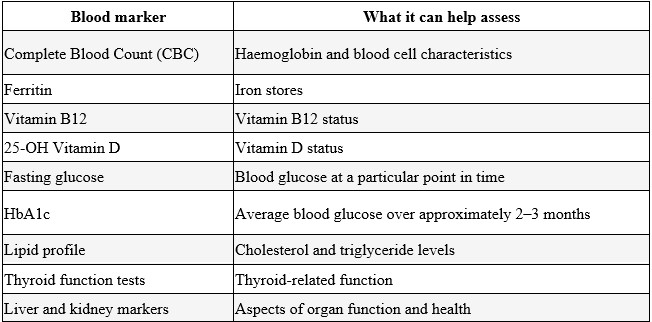
Not everyone needs all these tests.
For example, someone experiencing fatigue may require an assessment of several possible causes rather than automatically starting iron or vitamin supplements.
Similarly, a person undertaking intensive training may benefit from a nutrition assessment and selected laboratory investigations when clinically indicated.
Blood tests should be selected according to symptoms, risk factors and professional advice rather than purchased as an unnecessary collection of wellness measurements.
5. Continuous Glucose Monitoring: Why Do Different People Respond Differently to Food?
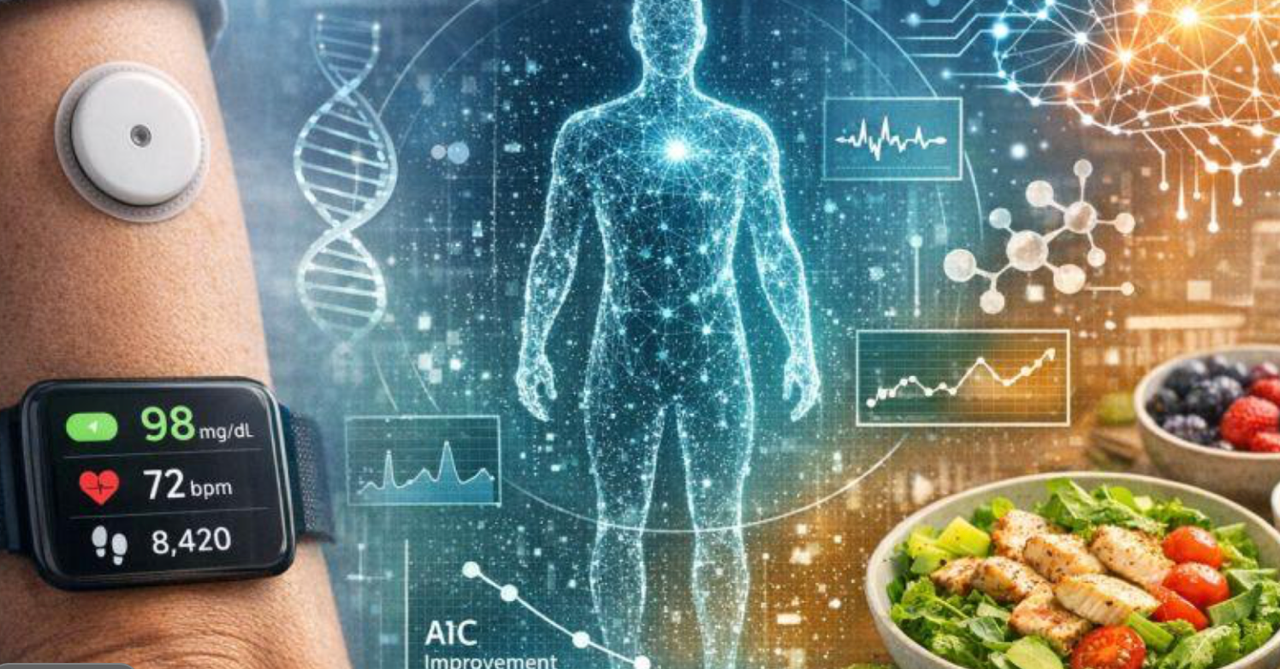
Continuous glucose monitors (CGMs) are wearable devices that measure glucose in the fluid beneath the skin and provide ongoing glucose readings.
They were primarily developed to support diabetes management and are now attracting interest in metabolic research and personalised nutrition.
One interesting area of research is post-meal glucose response.
Two individuals may eat the same meal but experience different glucose patterns.
These responses can be influenced by:
- Meal composition and portion size.
- Amount and type of carbohydrate.
- Fibre, protein and fat content.
- Physical activity before and after eating.
- Sleep quality and stress.
- Individual metabolic characteristics.
For example, a meal containing refined carbohydrates alone may produce a different glucose response from a meal containing the same carbohydrate source alongside vegetables, protein and fibre.
CGM technology can help people with diabetes understand glucose patterns and support treatment decisions with appropriate clinical guidance.
In people without diabetes, however, the interpretation is more complicated.
Glucose fluctuations after meals are normal. A higher reading after eating does not automatically indicate disease or mean that a particular food should be eliminated.
Current evidence does not establish that routine CGM use improves long-term health outcomes in otherwise healthy individuals.
CGMs should therefore be used for appropriate clinical or research purposes rather than as a universal requirement for healthy eating.
6. Wearable Technology: Can Your Watch Help You Eat Better?
Smartwatches, fitness trackers and health-monitoring devices are making it easier to collect information about daily activity and recovery.
Depending on the device, information may include:
- Daily steps and movement.
- Heart rate and resting heart rate.
- Exercise duration and intensity.
- Sleep duration and patterns.
- Estimated energy expenditure.
- Heart rate variability (HRV).
This information can provide useful context for nutrition planning.
For example, someone increasing their strength-training volume may need to pay greater attention to energy intake, protein and recovery.
An endurance athlete training in hot conditions may need an appropriate hydration and electrolyte strategy.
Someone sleeping poorly may find that fatigue influences appetite, food choices and training performance.
However, wearable measurements are estimates, not perfect clinical measurements. Calorie expenditure estimates and sleep-stage measurements can be particularly variable.
The most useful approach is to look at longer-term patterns rather than react to every daily fluctuation.
7. Personalised Supplements: Do We All Need Different Nutrients?
One of the biggest opportunities in precision nutrition is making supplementation more appropriate and targeted.
The supplement industry offers a wide range of products, including protein powders, creatine, omega-3, multivitamins, probiotics, magnesium, vitamin D and specialised sports nutrition formulas.
But not everyone needs the same supplements.
The appropriate choice depends on dietary intake, nutritional status, lifestyle, training requirements and individual health circumstances.
Here are some examples:
Protein supplements
Protein requirements vary according to body weight, age, activity and training goals.
Individuals undertaking resistance training may benefit from higher protein intake than sedentary individuals.
Whey, casein, soy and other plant proteins can help meet daily requirements when dietary protein is insufficient or convenience is important.
The total daily protein intake and quality of the overall diet matter more than simply choosing the most expensive protein product.
Creatine monohydrate
Creatine is one of the most researched sports nutrition ingredients.
It can support improvements in high-intensity exercise performance and strength when combined with appropriate training.
It may be useful for individuals undertaking resistance training, including women and older adults, although suitability and dosing should be considered individually.
Creatine is not dependent on a genetic test to establish whether it is appropriate for someone.
Vitamin D
Vitamin D plays an important role in calcium absorption and bone health.
Dietary intake, sunlight exposure and individual circumstances influence vitamin D status.
Where deficiency or increased risk is suspected, appropriate testing and professional guidance can help determine whether supplementation is required.
Vitamin B12
Vitamin B12 is particularly important for people following vegan diets, as naturally occurring reliable sources are predominantly animal-derived.
Absorption problems and certain medications can also increase deficiency risk.
Iron
Iron is essential for haemoglobin production and oxygen transport.
People with low iron stores may require dietary changes and, where appropriate, supplementation.
Iron should not be taken routinely in high doses without assessing need because excessive iron can be harmful.
Omega-3 fatty acids
EPA and DHA are important omega-3 fatty acids found in oily fish and certain supplements.
Individuals with low fish intake may wish to discuss suitable dietary sources or supplementation with a healthcare professional.
The important principle is simple: supplementation should address a genuine nutritional requirement or a clearly defined goal rather than follow trends.
8. Gut Microbiome Testing: Can Your Gut Bacteria Design Your Diet?
The gut microbiome consists of a complex community of microorganisms living in the digestive tract.
These microorganisms interact with dietary components, particularly fibre, and contribute to processes involved in digestion and metabolic health.
Research is investigating how differences in gut microbiome composition may influence responses to food, inflammation, metabolic processes and overall health.
This has created interest in microbiome testing and personalised probiotic recommendations.
However, commercial stool tests have important limitations.
A microbiome report may identify certain microorganisms, but it does not necessarily establish whether an individual has a healthy or unhealthy gut, nor does it reliably identify the exact diet or probiotic they should take.
For most people, a varied diet containing vegetables, fruits, legumes, whole grains and appropriate fermented foods remains a practical foundation for supporting gut health.
Microbiome testing is an evolving research area rather than a routine requirement for everyone.
9. Precision Nutrition for Women Over 40 and Healthy Ageing
Personalised nutrition may be particularly relevant during different stages of a woman’s life.
During perimenopause and menopause, hormonal changes can influence body composition, muscle mass, bone health, sleep and metabolic health.
Nutritional priorities may therefore change with age.
Important considerations include:
Adequate protein: Supports muscle maintenance and recovery, particularly when combined with resistance training.
Calcium and vitamin D: Important for bone health.
Fibre: Supports digestive health, satiety and cardiometabolic health.
Omega-3 fats: Useful components of a balanced dietary pattern.
Iron and vitamin B12: Requirements and deficiency risks should be assessed according to individual circumstances.
Strength training: Helps preserve muscle strength, function and physical independence as we age.
There is no single menopause diet or supplement formula that works for everyone.
An individual’s health history, dietary intake, symptoms, activity and relevant investigations should guide nutritional decisions.
10. Precision Nutrition for Athletes and Active Individuals
Athletes have particularly individual nutritional requirements because energy expenditure, training volume, sport type and recovery demands differ significantly.
For example, a marathon runner, a tennis player, a swimmer and a strength athlete will have different carbohydrate, hydration and recovery requirements.
Precision nutrition can help support:
- Appropriate energy intake.
- Protein distribution throughout the day.
- Carbohydrate availability for training.
- Hydration and electrolyte replacement.
- Recovery between training sessions.
- Identification of nutritional deficiencies where indicated.
Sports supplements should also be selected carefully.
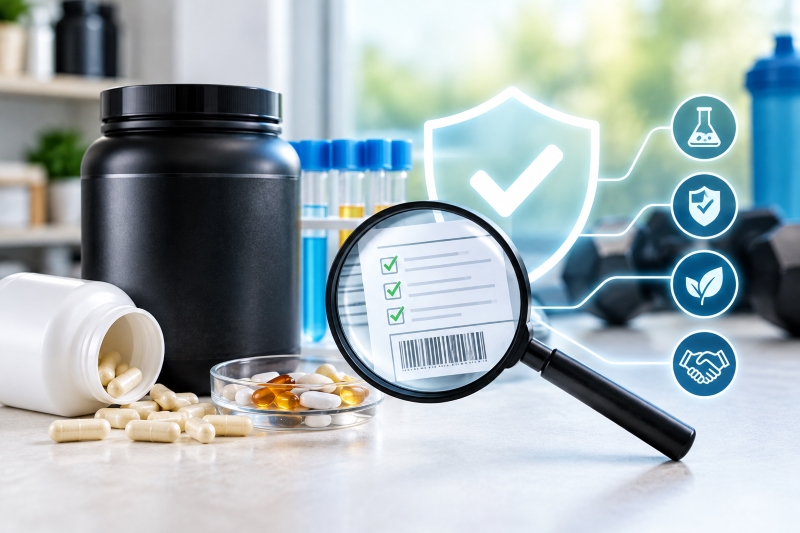
Athletes should consider ingredient transparency, product authenticity, batch traceability and independent testing for banned-substance contamination.
Certifications such as Informed Sport and NSF Certified for Sport can provide additional assurance when the specific product and, where applicable, batch are verified within the certification programme.
At Fitcart, we believe that athlete nutrition should be built on science-backed formulations, clean and transparent ingredients, and responsible quality assurance.
11. The Indian Perspective: Why Personalised Nutrition Matters
India has an exceptionally diverse food culture. Nutritional requirements and dietary patterns differ across regions, communities, lifestyles and age groups.
A personalised approach should therefore consider familiar Indian foods rather than rely entirely on generic international meal plans.
Examples include:
- Dal, rajma, chana and other legumes for plant protein and fibre.
- Paneer, curd and milk for protein and calcium.
- Eggs, fish and lean meats for high-quality protein.
- Ragi and other whole grains for dietary diversity.
- Seasonal fruits and vegetables for vitamins, minerals and fibre.
- Nuts and seeds for healthy fats and additional nutrients.
For vegetarians, combining different plant protein sources throughout the day can help provide a varied amino acid intake.
Personalised nutrition should also recognise differences in cooking methods, portion sizes, food availability, affordability and regional eating habits.
Technology can support better nutritional decisions, but it should complement India’s diverse food traditions rather than replace them.
12. What Does the Future of Personalised Nutrition Look Like?
The future of nutrition is likely to combine several sources of information:
- Dietary assessment and food tracking.
- Blood biomarkers and appropriate laboratory testing.
- Genetic information where clinically relevant.
- Gut microbiome research.
- Wearable technology and activity monitoring.
- AI-assisted analysis and nutritional planning.
- Professional interpretation and ongoing follow-up.
As research advances, we may be able to understand individual nutritional responses with greater accuracy.
However, more data does not automatically mean better health.
Privacy, data accuracy, affordability, accessibility and scientific validation will remain important considerations.
The future should not be about testing everything or taking more supplements. It should be about identifying what is genuinely useful for each individual.
The Fitcart Perspective: Better Nutrition Starts With Better Information
Personalised nutrition represents an exciting development in health, wellness and sports nutrition.
AI, DNA testing, blood biomarkers and wearable technology can help us understand individual differences and make more informed decisions.
But technology should support nutrition science, not replace it.
A balanced diet, adequate protein, regular physical activity, quality sleep and appropriate supplementation remain the foundations of long-term health.
At Fitcart, we believe in combining science and evidence-based nutrition with clean and transparent ingredients, responsible supplementation and independent quality assurance.
Whether you are choosing a protein supplement, considering creatine, evaluating a vitamin deficiency or exploring new health technologies, the most important question is not what is trending.
It is what is appropriate, evidence-based and safe for you.
Personalised nutrition is not about finding a perfect diet. It is about making better-informed nutritional choices for your individual needs.
Health, Nutrition and Supplement Disclaimer
This article is intended for general educational and informational purposes only. It is not a substitute for personalised medical advice, diagnosis, treatment, or professional nutritional guidance.
AI-based dietary recommendations, genetic tests, wearable devices, continuous glucose monitors and commercial microbiome tests have varying levels of scientific validation and should not be treated as definitive diagnostic tools.
Blood test results must be interpreted by qualified healthcare professionals in the context of medical history, symptoms and other relevant information.
Dietary supplements are not medicines and should not be used to diagnose, treat, cure or prevent disease. Supplement requirements vary between individuals. Consult a qualified healthcare professional before starting supplementation, particularly if you have a medical condition, take medication, are pregnant or breastfeeding, or have a suspected nutrient deficiency.
Do not start high-dose vitamins, minerals or other supplements solely on the basis of genetic reports, AI-generated recommendations or wearable data.
Always check product ingredients, allergens, recommended serving sizes, expiry dates and applicable quality certifications. Athletes should take particular care to verify batch-specific sports certification where available.
Individual results may vary. Safe and effective nutrition depends on a balanced diet, appropriate physical activity, adequate sleep and professional guidance when required.
Follow us on X: https://x.com/fitcartofficial and Instagram: https://www.instagram.com/fitcartofficial/ for the latest updates, health insights, and exclusive content.
Follow Smart Nutrition India X: https://x.com/SmartNutrition1 and Instagram: https://www.instagram.com/smartnutritionindia/ for trusted sports nutrition, supplement education, wellness tips, and the latest news from the world of health and performance.
Fitcart believes in True Play and Clean Sport
#trustedbrandsbetterhealth