



Reading time: 8–10 minutes.
Author: Ritu Makhija.
Co-Founder, Fitcart.com.
Head of Editorial Team, Fitcart Blog.
Introduction: Can You Eat Your Way to Better Peptide Health?
Peptides are attracting increasing attention in the worlds of nutrition, fitness, skincare and longevity. They are being studied for their potential roles in cellular signalling, tissue maintenance, metabolic health and other biological processes.
But what exactly are peptides, and can we obtain them through everyday foods?
The answer begins with understanding protein. Proteins are made up of chains of amino acids. Peptides are shorter chains of amino acids that can be formed when proteins are broken down during digestion, food processing or fermentation.
Our bodies naturally produce and use many different peptides. Some act as hormones or signalling molecules, while others participate in biological processes that help regulate normal body functions.
Researchers are also studying food-derived bioactive peptides: specific peptide sequences that may have biological effects beyond simply supplying amino acids. However, much of this research is still developing, and results observed in laboratory studies do not automatically translate into proven health benefits in humans.
At Fitcart, we believe the practical starting point is a balanced, protein-rich diet that provides the raw materials your body needs.
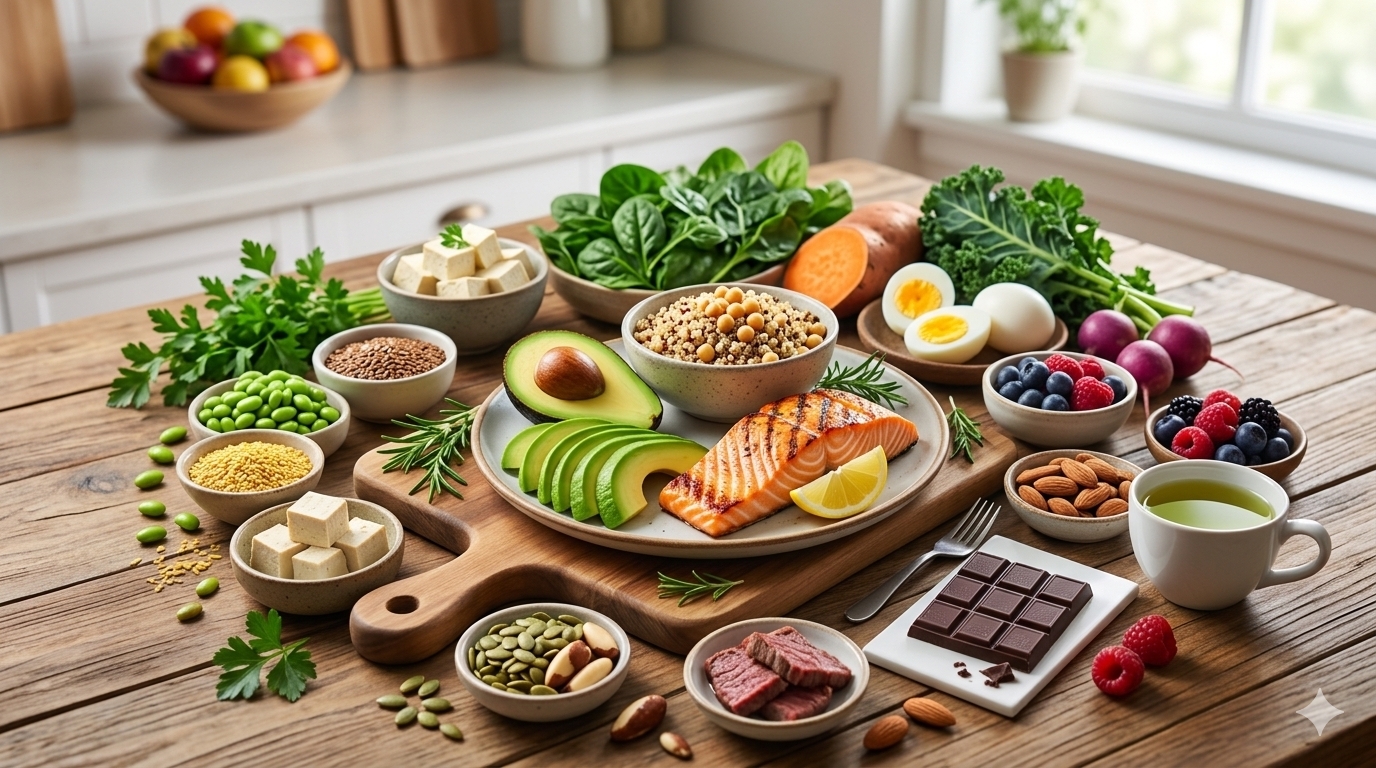
Foods such as eggs, fish, yoghurt, legumes, soy, nuts and seeds provide protein. Collagen-containing foods, including certain cuts of meat, fish skin and gelatin, provide collagen or collagen-derived material. Fruits and vegetables supply vitamins and other nutrients that support normal tissue formation.
The important distinction: Eating foods that contain protein or collagen can support normal nutrition, but it does not guarantee that a particular peptide will reach a specific tissue or produce a particular effect.
Let’s explore the foods worth including in a peptide-conscious, evidence-informed diet.
1. What Are Peptides, and How Do They Work?
Peptides are chains of amino acids linked together. They are smaller than most proteins, although the boundary between a longer peptide and a small protein is not always defined identically in every scientific context.
When you eat protein-rich food, digestive enzymes break much of that protein into smaller peptides and amino acids. These products are absorbed through the digestive tract and used in the body’s normal metabolic processes.
The body can use amino acids to build and maintain its own proteins, including those found in muscles, skin, enzymes and connective tissue.
Some food-derived peptides are being investigated for potential biological activities relating to blood pressure, glucose metabolism, inflammation and other functions. Yet their effects depend on the specific peptide, how it is produced, how it survives digestion and whether it is absorbed in a biologically meaningful form. Human evidence remains limited for many proposed benefits.
Three concepts worth understanding
Dietary protein: Provides amino acids and, during digestion, smaller peptides that contribute to the body’s normal protein metabolism.
Collagen peptides: Shorter protein fragments produced when collagen is broken down, often through controlled processing. These are commonly used in collagen supplements.
Bioactive peptides: Specific peptide sequences being investigated for biological effects. Their activity is not the same as the general nutritional value of protein.
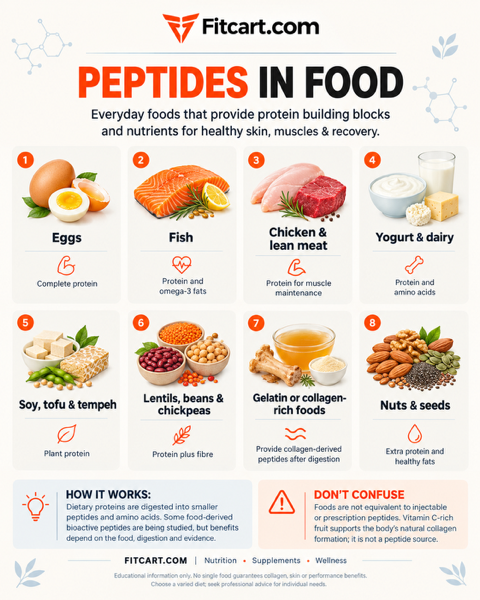
These terms are related, but they are not interchangeable.
2. Ten Foods to Include in a Peptide-Supporting Diet
1. Eggs: Complete Protein for Everyday Nutrition
Eggs provide high-quality protein containing all nine essential amino acids. During digestion, egg proteins are broken down into smaller peptides and amino acids that the body can use for its normal functions.
Eggs are a practical choice for people who want to support muscle maintenance, recovery and general nutritional needs.
They do not supply collagen directly in the way collagen-rich connective tissues do, but they contribute to the overall protein intake needed for tissue maintenance.
How to eat them: Boiled eggs, vegetable omelettes or eggs served with whole-grain toast and vegetables.
2. Fish: Protein and Essential Nutrients
Fish provides high-quality protein and, depending on the species, omega-3 fatty acids and other important nutrients.
During digestion, fish proteins are broken down into peptides and amino acids. Researchers are also investigating specific peptides derived from fish proteins for potential biological activities, although these findings should not be interpreted as proof that eating a particular fish produces a specific therapeutic effect.
Fish skin and connective tissues can contain collagen. However, eating fish muscle is not equivalent to consuming a concentrated collagen peptide supplement.
How to eat it: Grilled fish, baked salmon, or locally available fish prepared with vegetables and whole grains.
3. Chicken and Other Lean Meats: Building Blocks for Tissue Maintenance
Chicken, turkey and other meats supply protein and essential amino acids. Meat also contains proteins from muscle and, depending on the cut, connective tissue.
Collagen is naturally present in animal tissues such as skin, tendons and cartilage. Cooking collagen-containing cuts slowly can help break down connective tissue and produce a softer texture.
However, dietary protein does not travel directly to a particular body part. Digestion and metabolism determine how the resulting nutrients are used.
How to eat it: Grilled chicken, chicken soup or slow-cooked dishes prepared with vegetables. Choose a varied range of protein sources rather than relying exclusively on meat.
4. Yoghurt and Other Dairy Foods: Protein for Recovery
Milk contains two major protein groups: casein and whey. These proteins are digested into smaller peptides and amino acids.
Yoghurt can provide protein, calcium and other nutrients. Some fermented dairy products also contain live microorganisms, depending on the product and how it is made.
Research into dairy-derived bioactive peptides has explored potential effects on different physiological processes. However, the health effects of a particular peptide cannot be assumed from the presence of dairy protein alone.
How to eat it: Plain yoghurt with fruit and seeds, or yoghurt alongside meals. Choose unsweetened options if you want to limit added sugar.
5. Soybeans, Tofu and Tempeh: Plant-Based Protein
Soy is a valuable plant-based protein source. Soy proteins can be broken down into peptides during digestion, and processing or fermentation can also influence the peptides present in soy foods.
Researchers are investigating various soy-derived peptides, but it is important not to overstate the clinical evidence for specific benefits.
Soy foods can nevertheless contribute meaningfully to overall protein intake, particularly for vegetarians and people following predominantly plant-based diets.
How to eat them: Tofu stir-fries, tempeh with vegetables, soybeans, or tofu added to soups and salads.
6. Lentils, Chickpeas and Beans: Affordable Protein and Fibre
Lentils, chickpeas, kidney beans and other pulses provide plant protein, fibre, minerals and complex carbohydrates.
Their proteins are digested into amino acids and peptides. Research has also investigated peptides generated from plant proteins through digestion, fermentation and food processing. The potential health effects of particular peptides remain an active research area.
For Indian diets, pulses are especially practical because they can be included regularly without relying on expensive specialist foods.
How to eat them: Dal, rajma, chole, hummus or lentil-based soups. Combine different plant protein sources across the day to help meet overall nutritional requirements.
7. Bone Broth and Gelatin: Food Sources of Collagen-Derived Material
Bone broth and gelatin are often promoted as natural peptide foods because they can contain collagen-derived proteins and peptides.
Collagen is found in animal connective tissue, including skin, cartilage, tendons and bones. Slow cooking can release gelatin from collagen-rich tissues, while gelatin can be further processed to produce hydrolysed collagen peptides.
However, the nutritional composition of bone broth varies according to the ingredients, cooking method and preparation. Its protein and collagen content cannot be reliably assumed from the name alone.
Eating bone broth or gelatin provides protein-derived material, but evidence that ordinary servings directly improve skin elasticity, joint health or longevity remains limited.
How to eat them: Homemade broth as part of a balanced meal, or gelatin in an appropriate recipe. Consider sodium content in packaged broths and choose foods according to your dietary requirements.
People following vegetarian or vegan diets can obtain adequate protein through legumes, soy, dairy where appropriate, grains, nuts and seeds, without consuming animal-derived collagen.
8. Nuts and Seeds: Supporting a Nutrient-Rich Diet
Almonds, walnuts, pumpkin seeds, chia seeds and other nuts and seeds contribute protein, healthy fats, fibre and minerals.
Their proteins are also sources of peptides during digestion. Some plant-derived bioactive peptides are being studied for potential biological activity, but this does not mean that a handful of nuts has a proven medicinal peptide effect.
Nuts and seeds are particularly useful as additions to a varied diet, although they are energy-dense and portion sizes can matter for people managing their overall calorie intake.
How to eat them: Add seeds to oats or yoghurt, include nuts as a snack, or use nut and seed pastes in meals.
9. Citrus Fruits, Berries and Guava: Nutrients That Support Collagen Formation
Fruit does not provide collagen peptides in the same way as collagen-containing animal foods. However, fruits rich in vitamin C support the body’s own collagen production.
Vitamin C is essential for the normal formation of collagen, which is important for skin, bones, cartilage, blood vessels and other connective tissues.
Good sources include oranges, lemons, guava, kiwi, strawberries and other vitamin C-rich fruits.
How to eat them: Enjoy whole fruit regularly and include a variety of colourful produce rather than relying on a single fruit or concentrated supplement.
10. Leafy Greens, Vegetables and Whole Grains: The Supporting Cast
Spinach, broccoli, peppers, whole grains and other plant foods provide a range of vitamins, minerals, fibre and additional nutrients that contribute to overall health.
They are not concentrated sources of collagen peptides, but they can help supply nutrients involved in normal tissue maintenance and metabolic processes.
A healthy approach to skin, muscle and connective tissue requires more than one protein or peptide. Overall dietary adequacy, sufficient energy intake, sleep, physical activity and other lifestyle factors all matter.
How to eat them: Build meals around vegetables and whole grains, alongside a suitable protein source.
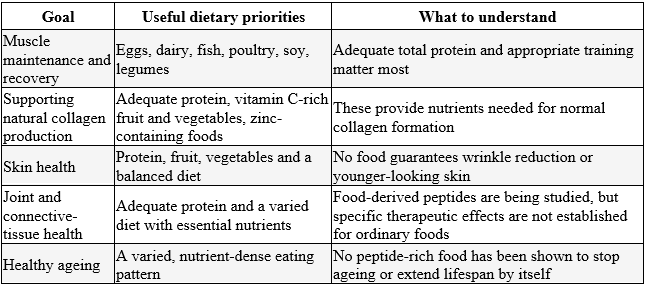
3. Which Foods Are Best for Different Goals?
There is no single food that delivers all the benefits sometimes attributed to peptides. Your best choices depend on the nutritional goal.
4. Can Food-Derived Peptides Improve Skin, Hair and Nails?
This is one of the most common reasons people search for peptides.
Collagen provides structural support to skin and connective tissues. Natural collagen production changes with age, and factors such as ultraviolet exposure and smoking can contribute to collagen damage.
Eating enough protein and obtaining vitamin C and other essential nutrients help support normal tissue maintenance.
Collagen supplements are a separate question. Some clinical trials have reported improvements in selected skin or joint outcomes, but the evidence has limitations, and results cannot be automatically applied to ordinary foods. Study quality, product differences and industry involvement are important considerations when interpreting the research.
For healthy-looking skin, a broader approach includes:
- Adequate protein and a varied diet.
- Daily sun protection appropriate to your circumstances.
- Sufficient sleep.
- Avoiding smoking.
- Regular physical activity and appropriate hydration.
There is currently no good basis for claiming that one particular food can deliver peptides directly to the skin and reverse visible ageing.
5. Do You Need a Peptide Supplement?
Not necessarily.
For most people, the first priority should be meeting their overall protein and nutritional needs through a balanced diet.
Collagen peptide supplements may be considered by some people for specific goals, but the evidence is still developing and products differ. They are not equivalent to injectable peptide drugs or other compounds marketed for performance, recovery or longevity.
Before buying a product, consider the following:
Ingredient transparency: Check the source, composition, serving size and other ingredients.
Evidence for the intended use: Research on a specific collagen peptide preparation cannot automatically be applied to every collagen product.
Quality assurance: Look for appropriate manufacturing controls and credible testing. Verify what was tested and whether the results apply to the specific product or batch.
Suitability: Consider allergies, dietary preferences, medical conditions and medication use. A qualified healthcare professional or registered dietitian can help you decide whether a supplement is appropriate.
Avoid products promising to reverse ageing, rapidly repair injuries, guarantee muscle growth or treat medical conditions without reliable clinical evidence.
6. An Easy Daily Meal Plan for Protein and Collagen-Supporting Nutrition
Here is an example of how to combine protein sources and supporting nutrients across the day.
Breakfast: Eggs or yoghurt with oats, nuts and fruit.
Lunch: Dal, rajma or chickpeas with whole grains and vegetables.
Snack: A portion of nuts, seeds or yoghurt.
Dinner: Fish, chicken, tofu or another suitable protein source, served with vegetables and whole grains.
Fruit across the day: Include vitamin C-rich options such as guava, citrus fruit, kiwi or berries.
This is a flexible example rather than a personalised diet plan. The amount of protein and energy you need depends on age, body size, activity, health and goals.
The Fitcart Perspective: Focus on Nutrition, Not Peptide Hype
Peptides are an exciting area of nutrition and biomedical research. Food-derived peptides may eventually contribute to new functional foods and targeted nutritional applications, but important questions remain about absorption, biological activity and benefits in humans.
For everyday consumers, the most practical strategy is to eat a varied diet containing sufficient protein, a range of plant foods and the nutrients needed for normal tissue maintenance.
Eggs, fish, dairy, soy, legumes and other protein-rich foods supply amino acids and peptides through normal digestion. Collagen-containing foods provide collagen-derived material, while vitamin C-rich fruits and vegetables support the body’s own collagen production.
No single food or supplement can replace a balanced diet, appropriate exercise, good sleep, and evidence-based healthcare.
Health and Supplement Disclaimer
This article is intended for general educational and informational purposes only and is not a substitute for medical advice, diagnosis or treatment. The potential biological effects of food-derived peptides vary by peptide and food source, and many proposed benefits have not been established in high-quality human clinical studies. Food sources of protein and collagen are not equivalent to concentrated supplements, injectable peptides or prescription medicines. Do not use unapproved peptide products for muscle growth, recovery, skin health or longevity without appropriate medical guidance. People with allergies, chronic medical conditions or specific dietary requirements should seek individual advice from a qualified healthcare professional or registered dietitian. Supplements should be selected for a clear purpose, with transparent ingredients and appropriate quality controls.
Follow us on X: https://x.com/fitcartofficial and Instagram: https://www.instagram.com/fitcartofficial/ for the latest updates, health insights, and exclusive content.
Follow Smart Nutrition India X: https://x.com/SmartNutrition1 and Instagram: https://www.instagram.com/smartnutritionindia/ for trusted sports nutrition, supplement education, wellness tips, and the latest news from the world of health and performance.
Fitcart believes in True Play and Clean Sport
#trustedbrandsbetterhealth