




Reading time: 8–10 minutes.
Author: Ritu Makhija.
Co-Founder, Fitcart.com.
Head of Editorial Team, Fitcart Blog.
Introduction: The Small Nutrients That Keep the Body Running
When we think about nutrition, protein, carbohydrates, healthy fats, and vitamins often receive the most attention. Yet minerals are equally essential to the body’s ability to function, recover, grow, and maintain good health.
From supporting strong bones and healthy muscles to maintaining nerve communication, producing energy and regulating fluid balance, minerals participate in hundreds of processes throughout the body.
Among these essential nutrients, magnesium deserves particular attention. It is involved in more than 300 enzyme systems and contributes to normal muscle and nerve function, energy metabolism, protein synthesis, and bone health.
Yet magnesium is only one part of the picture. Calcium, iron, zinc, potassium, sodium, iodine, selenium and other minerals all have distinct roles that cannot simply be replaced by taking one supplement.
At Fitcart, our approach to nutrition is to understand what the body needs, prioritise a balanced diet, recognise when deficiencies may require attention and choose supplements based on evidence, suitability and quality.
Let’s explore the minerals your body needs, why they matter, and how to pay particular attention to magnesium.
1. What Are Minerals, and Why Does the Body Need Them?
Minerals are inorganic nutrients that the body requires in varying amounts to maintain normal physiological functions. Unlike some nutrients, minerals cannot be produced by the body, so they must come from food, beverages and, when appropriate, supplements.
Minerals are generally divided into two groups.
Macrominerals are required in relatively larger amounts. These include calcium, magnesium, phosphorus, sodium, potassium, chloride and sulphur.
Trace minerals are required in smaller amounts, but they remain essential. These include iron, zinc, iodine, selenium, copper, manganese, fluoride and chromium. The essentiality and recommended intake of some trace elements vary by age, life stage and nutritional guidance.
The amount needed differs considerably between minerals. More is not necessarily better: excessive intake of certain minerals can be harmful.
2. Essential Minerals and Their Functions
The following table summarises key minerals, their primary functions and some food sources.
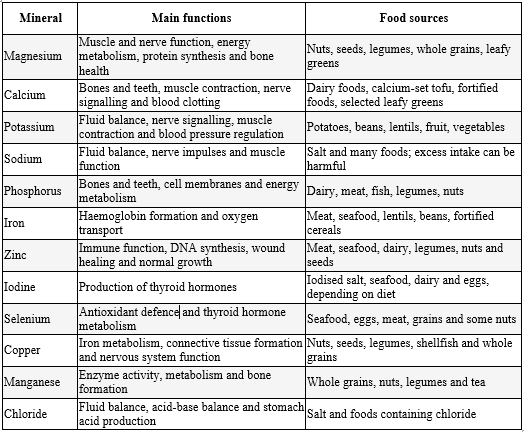
The key principle: Each mineral performs different functions. A magnesium supplement cannot replace iron when iron deficiency is present, and taking calcium does not automatically correct inadequate vitamin D or other nutritional problems.
A varied diet is usually the best starting point for obtaining the broad range of minerals the body needs.
3. Magnesium: The Mineral Involved in Hundreds of Body Processes
Magnesium is one of the body’s essential macrominerals. It is present in bones, muscles and soft tissues, with only a very small amount circulating in the blood.
It acts as a cofactor in more than 300 enzyme systems and participates in processes that help maintain normal physiological function.
Why is magnesium so important?
Energy production
Magnesium is involved in the body’s use of ATP, the molecule that transfers energy within cells. This makes it essential for normal cellular energy metabolism.
It does not mean that taking extra magnesium will automatically increase energy or eliminate fatigue. If fatigue is caused by poor sleep, iron deficiency, an underactive thyroid or another medical issue, magnesium alone may not address the cause.
Muscle contraction and relaxation
Magnesium participates in the normal regulation of muscle function, working alongside calcium and other electrolytes. It is important for both skeletal muscle and the muscles involved in normal organ function.
Low magnesium levels can contribute to muscle cramps, weakness and other symptoms. However, cramps have many possible causes, and routine magnesium supplementation does not reliably prevent every type of muscle cramp.
Nerve signalling
Magnesium helps maintain normal nerve function and participates in the regulation of electrical activity in cells.
Adequate magnesium intake is important for normal neuromuscular function, but it should not be described as a universal treatment for anxiety, neurological symptoms or other medical conditions.
Bone health
Approximately half to three-fifths of the body’s magnesium is stored in bone, although the exact proportion varies. Magnesium contributes to bone structure and is involved in processes that regulate calcium and vitamin D metabolism.
Healthy bones require more than one nutrient. Adequate calcium, vitamin D, protein, weight-bearing activity, and other lifestyle factors also matter.
Protein synthesis
The body needs magnesium for normal protein synthesis, which supports the maintenance and repair of tissues. For people who exercise regularly, this is one reason to pay attention to overall mineral intake.
However, adequate protein, energy intake and appropriate training are also essential for muscle development and recovery.
Blood glucose and blood pressure regulation
Magnesium participates in normal glucose metabolism and several processes involved in blood pressure regulation. Research has found associations between magnesium intake and aspects of metabolic and cardiovascular health.
Some supplementation studies have reported modest improvements in selected outcomes, particularly in certain populations. Results vary, and magnesium supplements should not replace prescribed treatment for diabetes or high blood pressure.
4. Magnesium and Brain Health: What Does the Evidence Say?
Magnesium is essential for normal nervous system function. It is involved in processes that regulate nerve-cell activity and communication.
This has made magnesium an important area of research in relation to cognition, stress, sleep and healthy ageing.
However, it is important to distinguish between a nutrient’s established biological role and claims that a supplement will produce a particular health outcome.
Magnesium and cognitive function
Magnesium is involved in cellular processes that support normal brain function. Researchers continue to investigate whether magnesium status and particular forms of supplementation influence cognitive outcomes.
There is not enough evidence to conclude that magnesium supplements prevent dementia, reverse brain ageing or reliably improve memory in healthy people.
Maintaining adequate intake is sensible; taking excessive amounts in the hope of improving cognition is not.
Magnesium and sleep
Magnesium is frequently marketed as a sleep supplement. Some small studies have reported possible benefits for selected sleep outcomes, particularly in certain older adults, but the overall evidence remains limited and inconsistent.
If you struggle with sleep, begin by reviewing sleep timing, evening caffeine, alcohol intake, stress, physical activity and your sleeping environment. Persistent insomnia may require professional assessment.
Magnesium may be appropriate for someone with inadequate intake or a specific clinical need, but it is not a guaranteed sleep aid.
Magnesium and stress
Magnesium participates in normal nervous system function, and researchers have explored its relationship with stress and mood. However, current evidence does not establish magnesium supplementation as a universal treatment for anxiety, chronic stress, or depression.
A balanced diet, regular activity, sufficient sleep and appropriate mental healthcare remain important.
5. How Much Magnesium Does the Body Need?
Magnesium requirements vary by age, sex, life stage and national dietary recommendations.
The following figures are commonly used US dietary reference intakes for adults and are provided as a general guide, not as a personalised prescription.
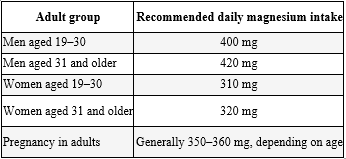
These figures represent total magnesium from food, beverages and supplements, rather than the amount that should automatically be taken as a supplement. Indian dietary recommendations and individual requirements may differ.
People with specific medical conditions, altered absorption, increased needs or relevant medication use may require individual assessment.
What happens if magnesium intake is too low?
Low magnesium intake over time may contribute to inadequate magnesium status. More significant deficiency can occur in certain circumstances, including gastrointestinal disorders, prolonged diarrhoea, alcohol dependence, some medication use and particular medical conditions.
Possible symptoms of significant deficiency include:
- Loss of appetite, nausea or fatigue.
- Muscle weakness, cramps or spasms.
- Numbness or tingling.
- In severe cases, abnormal heart rhythms or seizures.
These symptoms are not specific to magnesium deficiency. Iron deficiency, vitamin B12 deficiency, thyroid problems, dehydration and other conditions can cause similar complaints.
A healthcare professional can assess the likely cause and determine whether testing or treatment is appropriate.
6. The Best Food Sources of Magnesium
Food should generally be the first priority when building a mineral-rich diet.
Good magnesium sources include pumpkin seeds, almonds, cashews, peanuts, beans, lentils, chickpeas, whole grains and green leafy vegetables.
Here are approximate amounts in commonly eaten portions. Values vary by variety, brand, preparation and serving size.
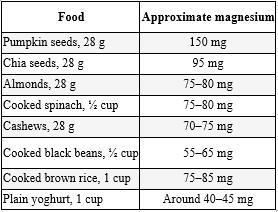
These examples illustrate how several ordinary foods can contribute meaningful amounts of magnesium throughout the day.
A simple magnesium-rich daily menu
Breakfast: Oats with plain yoghurt, chia seeds and almonds.
Lunch: Lentils or chickpeas with whole grains and leafy vegetables.
Snack: A small portion of pumpkin seeds or mixed nuts.
Dinner: Beans, tofu, fish or another suitable protein source, served with vegetables and whole grains.
This type of meal pattern can supply magnesium alongside fibre, protein and other essential nutrients.
People with kidney disease or other conditions requiring dietary restrictions should follow their clinician’s advice, as some magnesium- and potassium-rich foods may need to be limited.
7. Magnesium Supplements: Which Form Should You Choose?
A supplement may be worth considering when dietary intake is inadequate or a healthcare professional identifies a specific need. The right choice depends on the purpose, tolerability, medical history and the amount of elemental magnesium supplied.
Common forms include:
Magnesium citrate: Often used in supplements and generally well absorbed. At higher doses, it may cause loose stools or diarrhoea. It is also used in some laxative products.
Magnesium glycinate or bisglycinate: Commonly marketed for general supplementation and often chosen by people seeking a formulation they tolerate well. Claims that it is definitively superior for sleep or anxiety are not established by strong comparative evidence.
Magnesium chloride: Used in oral supplements and other preparations. Suitability depends on the product and intended use.
Magnesium oxide: Contains a relatively high proportion of elemental magnesium by weight but is generally less well absorbed than some other forms. It is also used in certain antacid and laxative products.
The most expensive form is not automatically the best. Consider the amount of elemental magnesium, the intended use, the other ingredients and the quality of the finished product.
What does elemental magnesium mean?
A supplement label may state the weight of the magnesium compound as well as the amount of elemental magnesium it provides. These are not the same.
For example, a capsule containing a magnesium compound weighing 1,000 mg does not necessarily provide 1,000 mg of elemental magnesium.
Check the supplement facts panel carefully and compare products using the declared elemental magnesium amount.
What about magnesium sprays and topical products?
Magnesium oils, sprays and bath products are marketed for muscle recovery and relaxation. Evidence that magnesium applied to the skin meaningfully increases whole-body magnesium status is limited.
They should not be relied upon to correct a confirmed deficiency or replace appropriate oral treatment when needed.
8. How to Choose a High-Quality Magnesium Supplement
At Fitcart, supplement selection should be guided by evidence, transparency and quality assurance—not by exaggerated claims.
Before choosing a product, consider:
Ingredient transparency: The label should clearly identify the magnesium form, elemental amount per serving and other active ingredients.
Appropriate quality controls: Look for clear manufacturing information and relevant quality testing. Independent testing can provide additional assurance when the laboratory, scope of testing and report can be verified.
Contaminant testing: Relevant testing may include heavy metals, microbial contamination and other contaminants appropriate to the product and its ingredients.
Manufacturing standards: Good manufacturing practices and traceable batches support quality systems, but a manufacturing certification alone does not prove that a supplement is effective or suitable for every individual.
Realistic claims: Be cautious of products promising to cure insomnia, reverse ageing, eliminate anxiety or guarantee muscle recovery.
Professional guidance: Ask a qualified healthcare professional or pharmacist about dose, duration, interactions and suitability if you have a medical condition or take medication.
Where batch testing is claimed, consumers should check the exact product and batch, the laboratory or certifier, and what was actually tested. A general quality logo is not proof that every batch has undergone every possible test.
9. Who Should Be Particularly Careful With Magnesium Supplements?
Magnesium from food is generally safe for healthy people with normal kidney function. Supplements and magnesium-containing medicines require more care.
People with kidney disease: Reduced kidney function can impair magnesium excretion, potentially causing dangerous accumulation. Do not start supplementation without medical advice.
People taking medication: Magnesium can interfere with the absorption of certain antibiotics and oral bisphosphonates. Some diuretics and long-term proton pump inhibitor use can also affect magnesium status. A pharmacist or doctor can advise on interactions and appropriate timing.
People with digestive sensitivity: Supplemental magnesium can cause diarrhoea, nausea and abdominal cramping, particularly at higher doses.
For adults in the United States, the tolerable upper intake level for magnesium from supplements and medications is 350 mg per day, excluding magnesium naturally present in food. This limit is primarily based on the risk of diarrhoea and is not a universal treatment limit for medically supervised care. Different jurisdictions may use different guidance.
Do not confuse the upper limit for supplemental magnesium with the recommended total daily intake from food and all sources.
10. The Fitcart Approach: Minerals, Nutrition and Healthy Ageing
Minerals work together with vitamins, protein, healthy fats, carbohydrates and other nutrients to support the body’s normal functions.
For long-term wellbeing, the priority should be to build a varied diet, maintain regular physical activity, get sufficient sleep and address deficiencies when they are identified.
For active adults, athletes and people interested in healthy ageing, magnesium is an important nutrient to understand—but it is not a stand-alone solution for energy, muscle recovery, sleep or longevity.
At Fitcart, we believe responsible supplementation begins with understanding individual needs. A transparent label, evidence-based formulation, and appropriate quality controls matter far more than bold promises on a package.
Conclusion: Start With the Basics, Then Supplement Intelligently
The body’s mineral requirements extend far beyond magnesium. Calcium supports bones and muscle contraction; iron carries oxygen; zinc contributes to immune function; iodine supports thyroid hormone production; and potassium helps regulate fluid balance and nerve function.
Magnesium stands out because of its extensive role in energy metabolism, muscle and nerve function, protein synthesis, and bone health. Yet the best approach is not to take as much as possible. It is to obtain adequate amounts through food, identify potential deficiencies, and use supplements when there is a clear reason to do so.
Healthy ageing starts with informed everyday choices—not a single mineral or miracle supplement.
Health and Supplement Disclaimer
This article is intended for general educational and informational purposes only and is not a substitute for medical advice, diagnosis, or treatment. Individual mineral requirements vary according to age, sex, diet, pregnancy, health status, and medication use. Symptoms that may suggest a mineral deficiency can have several causes and should be assessed by a qualified healthcare professional. Magnesium supplements can interact with medicines and may be unsafe for people with impaired kidney function. Do not exceed recommended doses or use supplements to replace a balanced diet or prescribed treatment. Choose products with transparent ingredients and appropriate quality testing, and seek professional guidance before starting supplementation if you have a medical condition, take regular medication or are pregnant or breastfeeding.
Follow us on X: https://x.com/fitcartofficial and Instagram: https://www.instagram.com/fitcartofficial/ for the latest updates, health insights, and exclusive content.
Follow Smart Nutrition India X: https://x.com/SmartNutrition1 and Instagram: https://www.instagram.com/smartnutritionindia/ for trusted sports nutrition, supplement education, wellness tips, and the latest news from the world of health and performance.
Fitcart believes in True Play and Clean Sport
#trustedbrandsbetterhealth