


Fitcart Editorial Team Ritu Makhija.
Can eating one serving of leafy greens every day really help keep your brain younger?
It sounds almost too good to be true, but research suggests there may be significant benefits to making leafy green vegetables a daily habit.
A widely discussed study linked to the MIND (Mediterranean-DASH Intervention for Neurodegenerative Delay) Diet found that older adults who consumed approximately one serving of leafy green vegetables daily had cognitive abilities similar to people who were around 11 years younger than those who rarely ate them.
While no single food can stop ageing or prevent dementia, the findings add to growing evidence that nutrition plays a major role in supporting long-term brain health.
What is the MIND Diet?
The MIND Diet combines the best aspects of two scientifically researched eating patterns:
- Mediterranean Diet
- DASH (Dietary Approaches to Stop Hypertension) It was specifically developed by researchers to support brain health and reduce the risk of age-related cognitive decline.
The diet focuses on foods rich in antioxidants, vitamins, minerals, healthy fats and plant compounds that help reduce inflammation and oxidative stress.
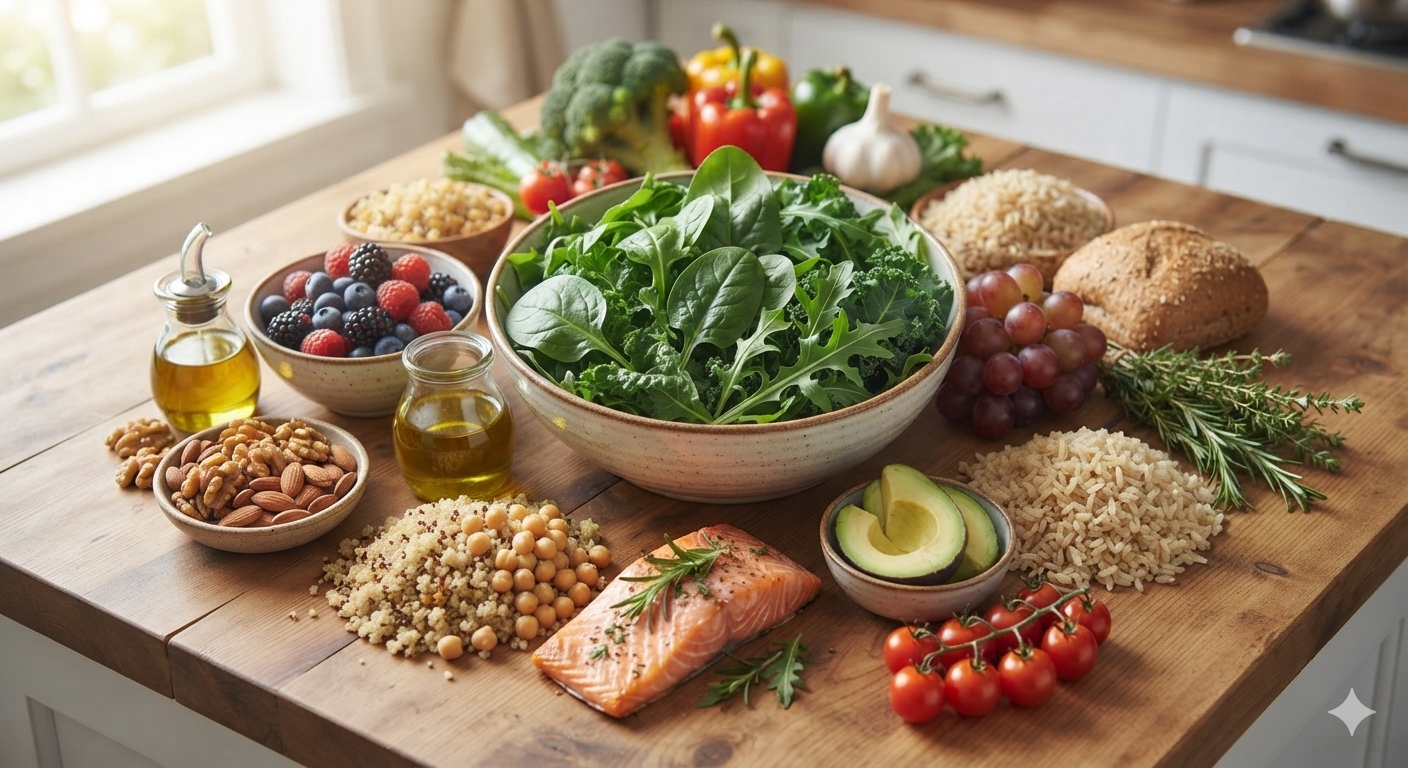
Key foods include:
- Green leafy vegetables
- Other vegetables
- Berries
- Nuts
- Beans
- Whole grains
- Olive oil
- Fish
- Poultry
Foods to limit include:
- Butter
- Fried foods
- Processed foods
- Pastries
- Excess red meat
The Study: One Salad a Day and Brain Age
Researchers followed nearly 1,000 older adults over several years.
Those eating one or more servings of leafy greens daily showed a significantly slower rate of cognitive decline compared with those who rarely consumed them.
The difference was equivalent to maintaining cognitive function similar to someone approximately 11 years younger.
Importantly:
- The study showed an association, not proof that leafy greens alone caused the improvement.
- Participants generally followed healthier lifestyles overall.
- Nevertheless, the findings remained significant even after adjusting for many lifestyle factors.
Why Are Leafy Greens So Powerful?
Leafy vegetables provide several nutrients known to support normal brain function.
Vitamin K
Vitamin K helps support healthy nervous system function and may play a role in maintaining healthy brain cells.
Sources:
- Kale
- Spinach
- Swiss chard
- Broccoli
Folate (Vitamin B9)
Folate helps:
- Produce neurotransmitters
- Support healthy blood flow
- Maintain normal homocysteine levels
Low folate status has been associated with poorer cognitive health.
Lutein
Lutein is a carotenoid antioxidant found in:
- Spinach
- Kale
- Peas
Research suggests lutein accumulates in brain tissue and may help support memory and learning.
Vitamin E
Vitamin E helps protect cells from oxidative stress. Good sources include:
- Spinach
- Almonds
- Sunflower seeds
Nitrates
Natural dietary nitrates found in vegetables may improve blood flow by increasing nitric oxide production.
Better circulation means better delivery of oxygen and nutrients throughout the body, including the brain.
Polyphenols
Plant compounds found in colourful vegetables help combat oxidative stress and chronic inflammation, both of which are linked with cognitive ageing.
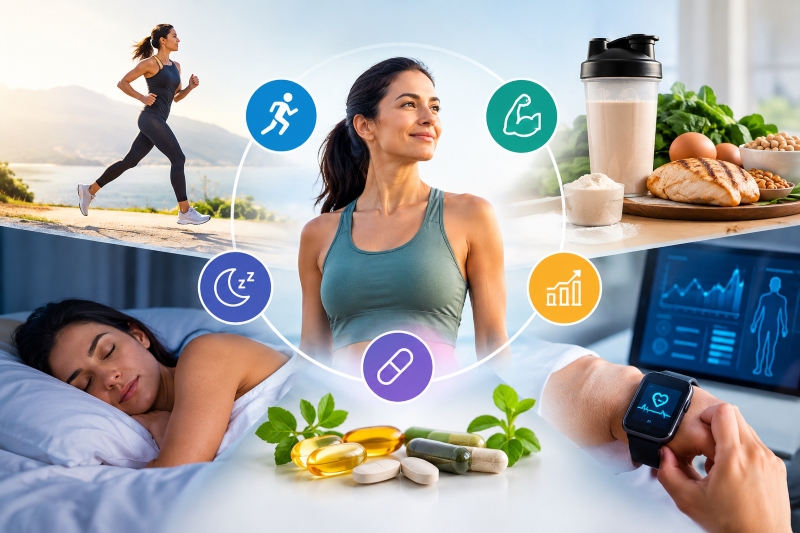
How Does Exercise Work Together With Nutrition?
Nutrition and exercise appear to have complementary effects.
Regular physical activity has consistently been shown to:
- Improve blood flow to the brain
- Increase production of Brain-Derived Neurotrophic Factor (BDNF)
- Support memory and learning
- Reduce stress hormones
- Improve sleep quality
Combining a nutrient-rich diet with regular resistance training and cardiovascular exercise offers one of the strongest evidence-based approaches for maintaining long-term brain health.
Best Leafy Greens to Eat Daily
Aim for variety throughout the week. Excellent options include:
- Spinach
- Kale
- Rocket (Arugula)
- Swiss chard
- Mustard greens
- Fenugreek (Methi)
- Amaranth leaves
- Bok choy
- Romaine lettuce
- Mixed salad greens
Build a Brain-Friendly Salad
Try combining:
- Spinach
- Kale
- Rocket
- Tomatoes
- Beetroot
- Walnuts
- Pumpkin seeds
- Chickpeas
- Extra virgin olive oil
- Lemon juice
Add grilled salmon, tofu, paneer or chicken for additional protein.
Nutritional Supplements That May Support Brain Health
Food should always be the foundation of good nutrition. However, supplements may help individuals who have dietary gaps or increased nutritional needs.
Potential evidence-based options include:
Omega-3 Fish Oil (EPA & DHA)
Supports normal brain function and healthy cell membranes.
Ideal for individuals who eat little oily fish.
Multivitamin
May help fill common nutritional gaps, particularly in:
- B vitamins
- Vitamin D
- Zinc
- Selenium
Magnesium
Supports normal nervous system function and muscle relaxation.
Vitamin D
Low vitamin D status is common worldwide.
Maintaining adequate vitamin D levels supports immune, bone and muscle health and may contribute to overall wellbeing.
B-Complex Vitamins
Particularly important for:
- Folate
- Vitamin B6
- Vitamin B12
These vitamins help maintain healthy homocysteine metabolism.
Curcumin (Turmeric Extract)
Curcumin possesses antioxidant and anti-inflammatory properties.
Some early research suggests potential cognitive benefits, although further large clinical trials are needed.
Probiotic Supplements
Emerging evidence supports the importance of the gut-brain axis.
A healthy gut microbiome may positively influence mood, inflammation and overall wellbeing.
Lifestyle Habits That Support Brain Health
Alongside a healthy diet:
- Exercise most days of the week
- Sleep 7–9 hours nightly
- Stay mentally active
- Manage stress
- Maintain healthy blood pressure
- Control blood sugar
- Avoid smoking
- Limit excessive alcohol intake
- Stay socially connected
The Fitcart.com Takeaway
The science is becoming increasingly clear: small daily habits can have a meaningful impact on long-term health.
Adding just one serving of leafy greens each day is a simple, affordable habit that provides vitamins, minerals, fibre and antioxidants that support overall health—and research suggests it may also help preserve cognitive function as we age.
Pair a colourful diet with regular exercise, quality sleep and evidence-based supplementation where appropriate, and you’ll be giving both your body and your brain the best opportunity to thrive.
References
- Morris MC et al. Green leafy vegetables and cognitive decline. Neurology. 2018.
- Morris MC et al. MIND Diet associated with reduced incidence of Alzheimer’s disease. Alzheimer’s & Dementia. 2015.
- World Health Organization. Healthy Diet Guidelines.
- Harvard T.H. Chan School of Public Health. Nutrition and Brain Health.
FAQs
Q: What is the MIND Diet?
A: The MIND Diet combines the Mediterranean and DASH diets and focuses on foods that may support brain health and healthy ageing.
Q: Do leafy greens improve memory?
A: Research suggests that people who regularly consume leafy green vegetables tend to experience slower cognitive decline, although no single food can guarantee improved memory.
Q: Which leafy greens are best for brain health?
A: Spinach, kale, Swiss chard, rocket, romaine lettuce, methi, amaranth leaves and broccoli are all nutrient-rich options.
Q: What supplements support brain health?
A: Depending on individual needs, omega-3 fish oil, vitamin D, magnesium, B-complex vitamins and probiotics may support overall brain health when used alongside a balanced diet.
Q: Is exercise important for brain health?
A: Yes. Regular aerobic and resistance exercise has been shown to support blood flow to the brain, cognitive function and overall mental wellbeing.
Fitcart.com Disclaimer
At Fitcart.com, we believe in providing educational, science-informed information to help consumers make informed health and nutrition choices. Nutritional supplements are intended to complement a balanced diet and healthy lifestyle and should never replace wholesome nutrition or professional medical care.
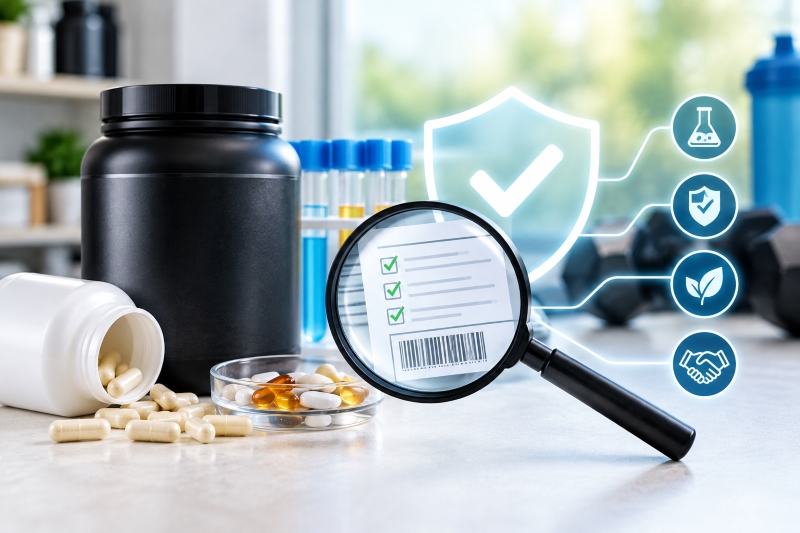
When choosing supplements, Fitcart.com recommends selecting products that are independently batch tested or certified for banned substances wherever appropriate—particularly for athletes and individuals participating in competitive sport. Consumers should also look for products manufactured in GMP-certified, clean, quality-controlled facilities that follow recognised food safety and quality standards. Choosing supplements with transparent ingredient sourcing, rigorous quality assurance, and third-party testing can help provide greater confidence in product purity, ingredient accuracy, and safety.
For athletes, selecting supplements that have been independently tested for banned substances (such as those certified by recognised programmes like Informed Sport, Informed Choice, NSF Certified for Sport®, or similar internationally recognised certification programmes) can help reduce the risk of inadvertent doping. However, no testing programme can eliminate risk entirely, and athletes remain responsible for every substance they consume under applicable anti-doping regulations.
Medical Disclaimer
This article is provided for educational and informational purposes only and should not be interpreted as medical advice, diagnosis or treatment. Scientific research continues to evolve, and individual responses to nutrition and supplementation may vary. Always consult your physician, registered dietitian, or other qualified healthcare professional before beginning any new diet, exercise programme, or supplement regimen, particularly if you are pregnant, breastfeeding, taking medication, or have an existing medical condition.
Follow us on X: https://x.com/fitcartofficial and Instagram: https://www.instagram.com/fitcartofficial/ for the latest updates, health insights, and exclusive content.
Follow Smart Nutrition India X: https://x.com/SmartNutrition1 and Instagram: https://www.instagram.com/smartnutritionindia/ for trusted sports nutrition, supplement education, wellness tips, and the latest news from the world of health and performance.
Fitcart believes in True Play and Clean Sport
#trustedbrandsbetterhealth