


Fitcart Editorial Team Ritu Makhija.
In recent years, protein has dominated the nutrition world. From whey shakes to high-protein snacks, the fitness industry has heavily focused on muscle building and recovery. But in 2026, a new shift is clearly emerging: fiber is becoming the “new protein.”
Consumers are no longer thinking only about muscle gains. They are increasingly prioritizing gut health, digestion, metabolic balance, and long-term wellness—and fiber is at the center of it all.
At Fitcart.com, we’re seeing a strong movement toward fiber-rich nutrition as people understand that true fitness starts with internal health.
Why Fiber Is Suddenly Getting So Much Attention
Fiber has always been important, but it is now being recognized as a core pillar of daily nutrition, not just a supporting nutrient.
Unlike protein, which focuses mainly on muscle repair, fiber plays a much broader role in overall health:
- Supports healthy digestion
- Improves gut microbiome balance
- Helps regulate blood sugar levels
- Increases satiety (keeps you full longer)
- Supports heart health
- Aids in weight management
Modern nutrition research is increasingly linking gut health to:
- Energy levels
- Immunity
- Mental clarity
- Metabolic health
This has made fiber a central focus in everyday diets.
The Shift: From “High Protein” to “Balanced Nutrition”
For years, the fitness industry promoted high-protein diets as the ultimate solution for body composition goals. While protein remains essential, experts now emphasize that balance matters more than extremes.
A protein-heavy diet without enough fiber may lead to:
- Digestive discomfort
- Poor gut microbiome diversity
- Irregular bowel movements
- Reduced nutrient absorption
As a result, nutritionists are encouraging consumers to combine:
- Adequate protein intake
- High fiber consumption
- Whole food-based diets
This balanced approach is becoming the foundation of modern nutrition planning.
Trending Fiber-Rich Foods in 2026
As awareness grows, consumers are actively adding fiber-rich foods to their daily routines. Here are the key categories driving this shift:
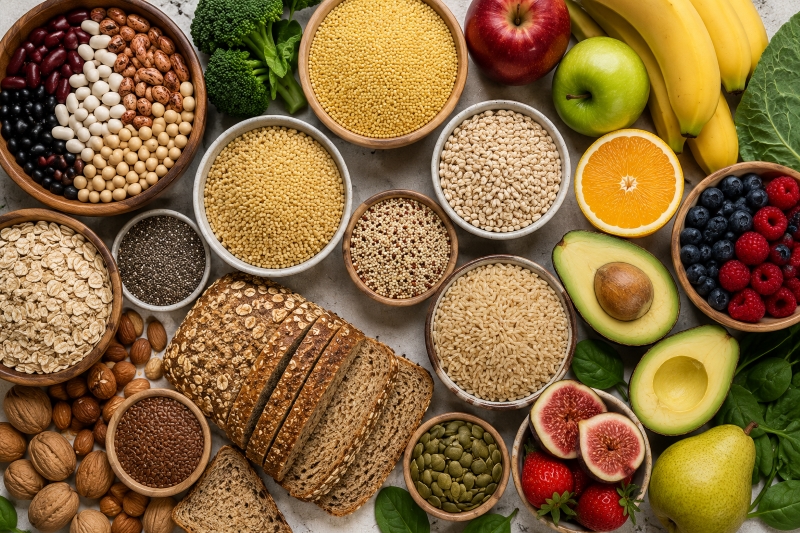
1. Beans and Legumes
Beans and legumes are among the most powerful natural sources of dietary fiber. Popular options include:
- Chickpeas
- Lentils
- Black beans
- Kidney beans
- Green peas
They provide:
- High fiber content
- Plant-based protein
- Slow-digesting carbohydrates
- Long-lasting energy
They are becoming staples in both vegetarian and non-vegetarian diets.
2. High-Fiber Snacks
The snack industry is rapidly evolving. Consumers now prefer snacks that offer both convenience and nutrition.
Popular high-fiber snack options include:
- Roasted chickpeas
- Multigrain crackers
- Fiber bars
- Nuts and seeds mixes
- Whole-grain chips
Unlike traditional snacks, these options support digestion while keeping hunger under control.
3. Functional Grains
Functional grains are nutrient-dense grains that provide more than just calories—they actively support health.
Examples include:
- Oats
- Quinoa
- Barley
- Millets (such as ragi and jowar)
- Brown rice
These grains are rich in:
- Soluble and insoluble fiber
- Essential minerals
- Slow-release carbohydrates
Millets, in particular, are gaining strong popularity in India due to their nutritional density and digestive benefits.
4. Gut-Health Beverages
One of the fastest-growing categories is functional beverages designed to support gut health.
These include:
- Probiotic drinks
- Fermented beverages
- Fiber-infused shakes
- Kombucha-style drinks
- Prebiotic smoothies
These beverages aim to:
- Improve gut flora
- Support digestion
- Enhance nutrient absorption
- Promote overall wellness
They are especially popular among younger consumers looking for convenient nutrition solutions.
Why Fiber Matters More in Modern Lifestyles
Modern diets are often low in fiber due to:
- Increased consumption of processed foods
- Fast-paced eating habits
- Reduced whole food intake
- Reliance on refined carbohydrates
At the same time, stress levels, sedentary lifestyles, and inconsistent eating patterns have made gut health more important than ever.
Fiber helps restore balance by supporting:
- Regular digestion
- Healthy gut bacteria
- Stable energy levels
- Reduced cravings
This is why it is now being viewed as a “foundational nutrient.”
The Role of Fiber in Fitness and Weight Management
Fiber is becoming especially important in fitness communities because it supports long-term performance and body composition goals.
Key benefits include:
- Increased satiety helps reduce overeating
- Better blood sugar control, improving energy stability
- Improved digestion, enhancing nutrient absorption
- Support for fat metabolism through gut health balance
Unlike short-term dietary trends, fiber contributes to sustainable fitness results.
Fitcart’s Perspective: Nutrition Starts with Balance
At Fitcart.com, we believe that modern nutrition is moving toward a more holistic approach. Protein is still essential, but fiber is now being recognized as equally important for long-term health.
A well-balanced diet should include:
- High-quality protein sources
- Fiber-rich whole foods
- Functional nutrition products
- Clean label supplements where needed
This combination supports not just performance, but overall well-being.
Finally
The rise of fiber as the “new protein” signals a major shift in how people approach nutrition. Instead of focusing on a single macronutrient, consumers are now prioritizing gut health, digestion, and long-term wellness.
Foods like beans, legumes, functional grains, high-fiber snacks, and gut-health beverages are leading this transformation.
As this trend continues to grow, fiber will no longer be seen as optional—it will be considered a core pillar of daily nutrition, just like protein once was.
At Fitcart, we are committed to supporting this shift by helping people make smarter, cleaner, and more balanced nutrition choices.
Follow us on X: https://x.com/fitcartofficial and Instagram: https://www.instagram.com/fitcartofficial/ for the latest updates, health insights, and exclusive content.
Follow Smart Nutrition India X: https://x.com/SmartNutrition1 and Instagram: https://www.instagram.com/smartnutritionindia/ for trusted sports nutrition, supplement education, wellness tips, and the latest news from the world of health and performance.
Fitcart believes in True Play and Clean Sport
#trustedbrandsbetterhealth