


Suggested reading time: 7–9 minutes.
Fitcart Healthy Eating Series.
Author: Ritu Makhija.
Co-Founder, Fitcart.com.
Head of Editorial Team, Fitcart Blog.
Snacking is often blamed for weight gain, but the reality is more nuanced. A thoughtfully chosen snack can help bridge the gap between meals, provide useful nutrients and manage hunger. The problem is not necessarily snacking itself; it is what we choose, how much we eat and how frequently we snack.
Many convenient snacks are high in refined carbohydrates, added sugar, salt or unhealthy fats, while providing relatively little protein or fibre. These foods may be enjoyable, but they are not always particularly satisfying.
A better approach is to choose snacks that combine protein, fibre, healthy fats and minimally processed ingredients. This can help make snacks more satisfying and support a balanced eating pattern.
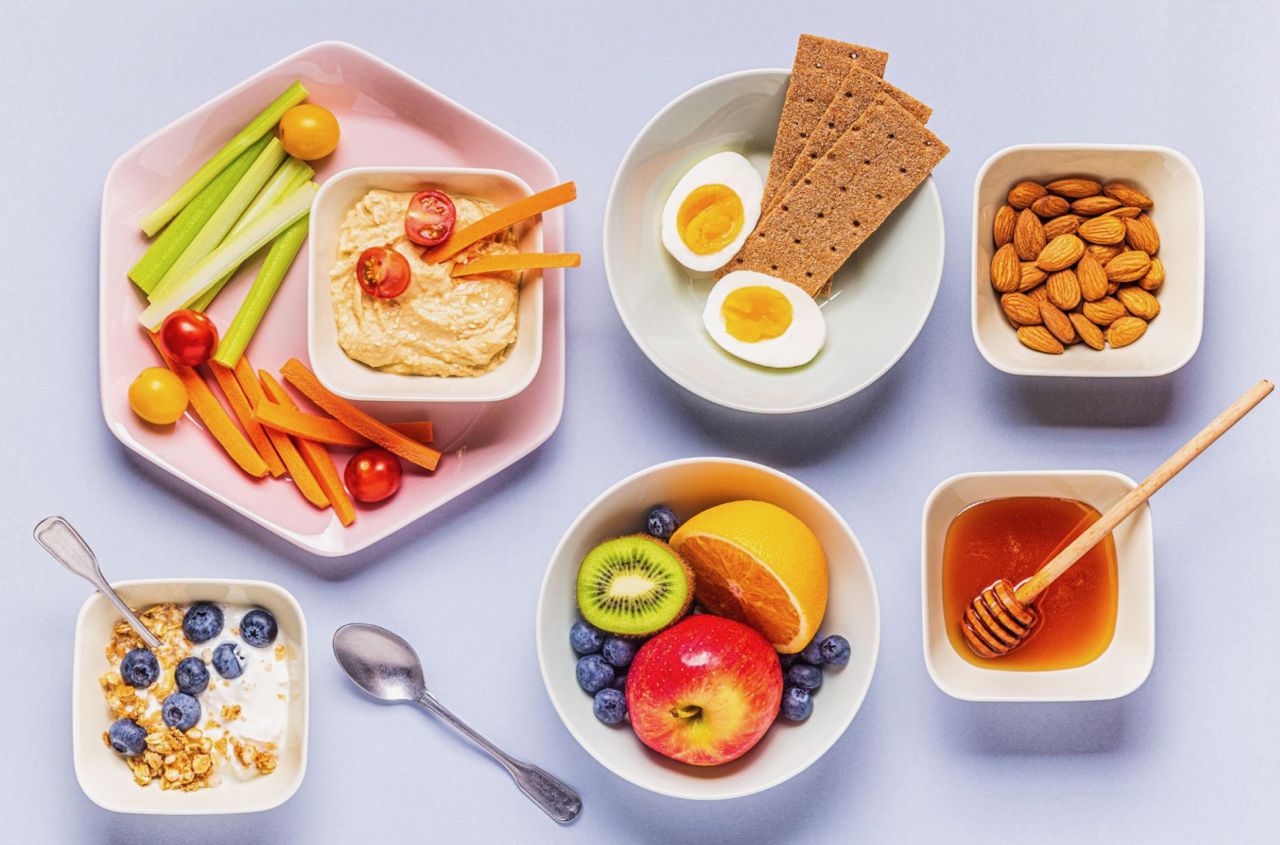
At Fitcart, we believe healthy eating should be practical, enjoyable and backed by science. Here are ten snack ideas, including familiar Indian options, that can fit into an active and health-conscious lifestyle.
Does snacking help with energy and hunger?
Snacking is not essential for everyone. Some people feel comfortable eating three balanced meals a day, while others prefer smaller meals with one or two snacks.
The purpose of a snack should be to meet a genuine need: hunger between meals, additional nutritional requirements, or convenient fuel around physical activity.
Foods containing protein and fibre can contribute to satiety. Fibre-rich foods also provide volume and may slow digestion, while protein is generally more satiating than carbohydrate or fat when compared calorie for calorie.
However, eating more frequently does not automatically increase metabolism or cause weight loss. Overall dietary quality, energy intake, activity and sleep remain important.
10 healthy snacks to try
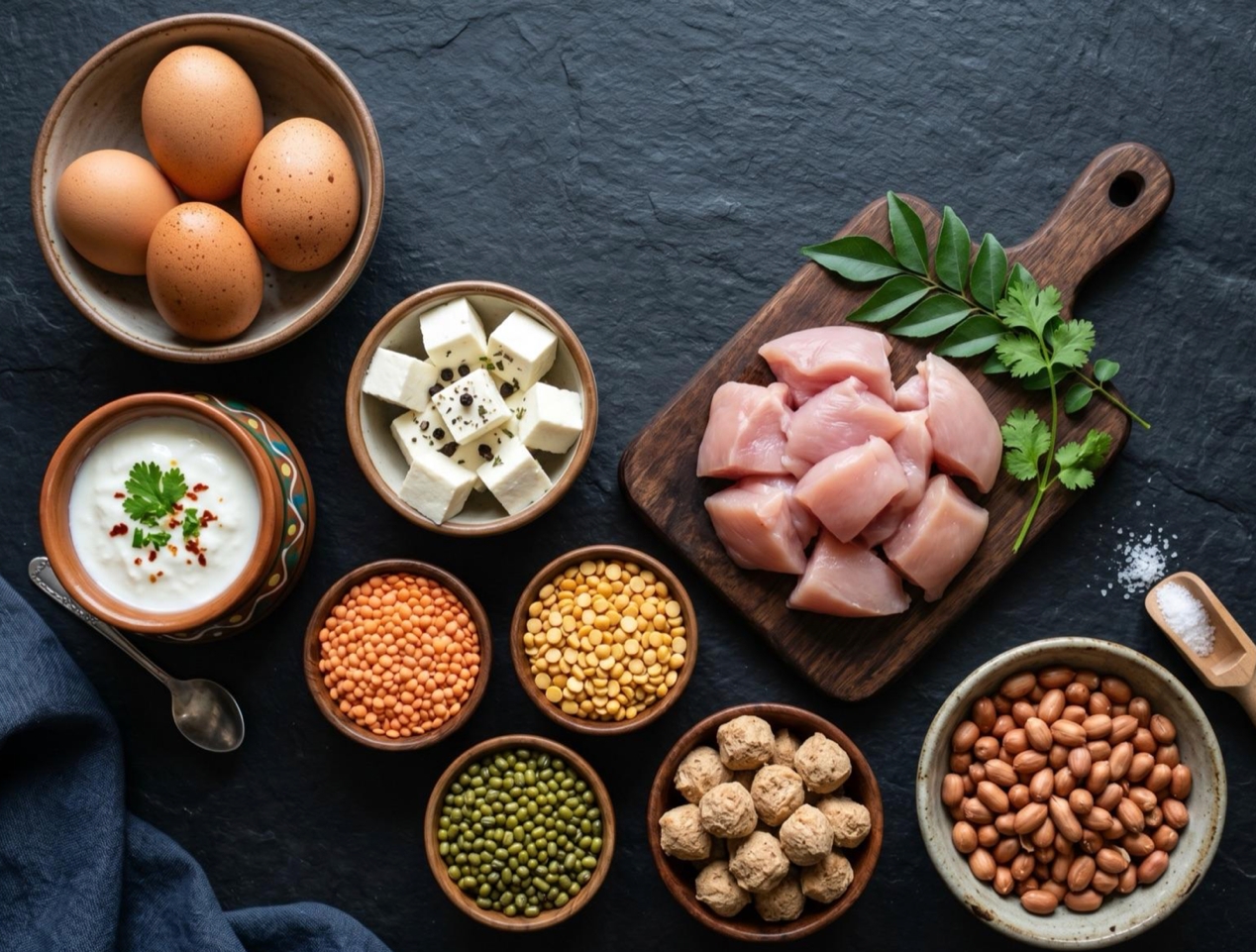
Protein amounts are approximate and vary with the portion size, preparation and brand.
1. Greek yoghurt with fruit, nuts and seeds
Plain Greek yoghurt is a convenient source of protein. Add berries, apple, papaya or seasonal fruit, along with a small quantity of almonds, walnuts, chia or pumpkin seeds.
This combination provides protein, fibre, healthy fats and a range of micronutrients.
Choose unsweetened yoghurt where possible. Flavoured yoghurt can contain substantial added sugar, so check the label.
Approximate protein: 12–18 g, depending on the yoghurt portion and type.
2. Roasted chana
Roasted chana is one of the most practical Indian snack choices. It is portable, relatively affordable and provides plant protein, fibre and minerals.
A small bowl can be combined with cucumber, tomato, onion, lemon and coriander for a more substantial chaat. Choose lightly salted versions and be mindful of heavily seasoned packaged products.
Approximate protein: 6–7 g per 30 g serving.
3. Boiled eggs with vegetable sticks
Eggs provide complete protein and nutrients including vitamin B12, selenium and choline.
Two boiled eggs with cucumber, carrots or cherry tomatoes make a simple savoury snack. If you need additional protein, add an egg white or a small portion of plain yoghurt.
Approximate protein: 12–13 g for two eggs.
4. Sprouted moong salad
Sprouted moong can be combined with cucumber, tomatoes, onions, coriander, lemon and spices to create a refreshing snack.
Mung beans provide plant protein and fibre. Sprouting changes some nutritional characteristics, but it does not turn sprouts into a concentrated protein food. They are best viewed as one component of a balanced snack.
For food safety, wash produce carefully and cook sprouts if you are pregnant, immunocompromised, elderly or otherwise at increased risk from foodborne illness. Raw sprouts can carry harmful bacteria.
Approximate protein: 5–8 g per bowl, depending on the quantity used.
5. Paneer or tofu cubes
Paneer and tofu are versatile protein-rich options.
Cut paneer or firm tofu into cubes and season with pepper, lemon, herbs, chilli or roasted spices. Add cucumber or capsicum for extra crunch.
Paneer provides dairy protein, while tofu is made from soybeans and is a useful plant-based alternative. Choose the option that suits your dietary needs.
Approximate protein: 10–18 g per 100 g, depending on the product.
6. Apple with peanut butter
An apple with a small serving of peanut butter combines fruit fibre with fats and some protein from peanuts.
It is easy to prepare and useful when you want something sweet but satisfying. Peanut butter is energy-dense, so portion size matters if weight management is a goal.
Choose a product with a simple ingredient list, ideally peanuts with little or no added sugar and salt.
Approximate protein: 4–5 g for one medium apple with one tablespoon of peanut butter.
7. Hummus with carrots and cucumber
Hummus, made from chickpeas, tahini, lemon and olive oil, provides plant protein, fibre and unsaturated fats.
Serve with carrot, cucumber, capsicum or wholegrain crackers. This is a useful alternative to refined snack foods and can be prepared at home.
Approximate protein: 5–7 g for a modest portion of hummus with vegetables.
8. Sattu drink or savoury sattu bowl
Sattu, traditionally made from roasted gram, is a familiar Indian ingredient that provides plant protein and fibre.
Mix sattu with water, lemon, roasted cumin, coriander and a little black salt for a savoury drink. Alternatively, make a thicker savoury bowl with chopped cucumber, onion and herbs.
It is convenient in warm weather, but it should not be treated as a substitute for water or as a special fat-burning drink.
Approximate protein: 7–10 g from around 30 g of sattu, depending on the product.
9. Milk or unsweetened soy milk smoothie
Blend milk or fortified soy milk with a banana, berries or other seasonal fruit. Add oats or a little peanut butter if you need a more substantial snack.
Milk provides protein, calcium and other nutrients. Fortified soy milk can offer a useful plant-based alternative, but protein content varies considerably between brands.
Avoid turning a simple smoothie into a high-calorie dessert by adding large quantities of honey, syrups or sweetened ingredients.
Approximate protein: 7–10 g per 250 ml, depending on the milk or soy beverage.
10. Protein smoothie with fruit
For people who exercise regularly or struggle to meet their daily protein requirements, a smoothie made with a suitable protein powder can be convenient.
Blend a serving of whey or plant protein with water or milk and a small portion of fruit. Add ice or cinnamon for flavour.
Protein powders are not essential for everyone, but they can help when food alone does not conveniently meet individual requirements.
Choose products with transparent ingredient information and appropriate quality testing. Athletes should consider independently certified products and check the specific batch where verification is available.
Approximate protein: 20–30 g, depending on the protein powder and liquid used.
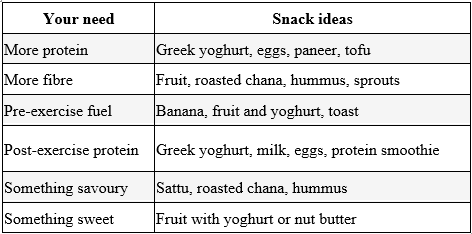
How to choose the right snack for your needs
Not every snack needs to be high in protein. A piece of fruit can be perfectly appropriate if you simply want something light. The best choice depends on hunger, the time until your next meal, activity and overall dietary intake.
Snacks and weight management
Snacks can fit into a weight-management plan, but they are not automatically beneficial or harmful.
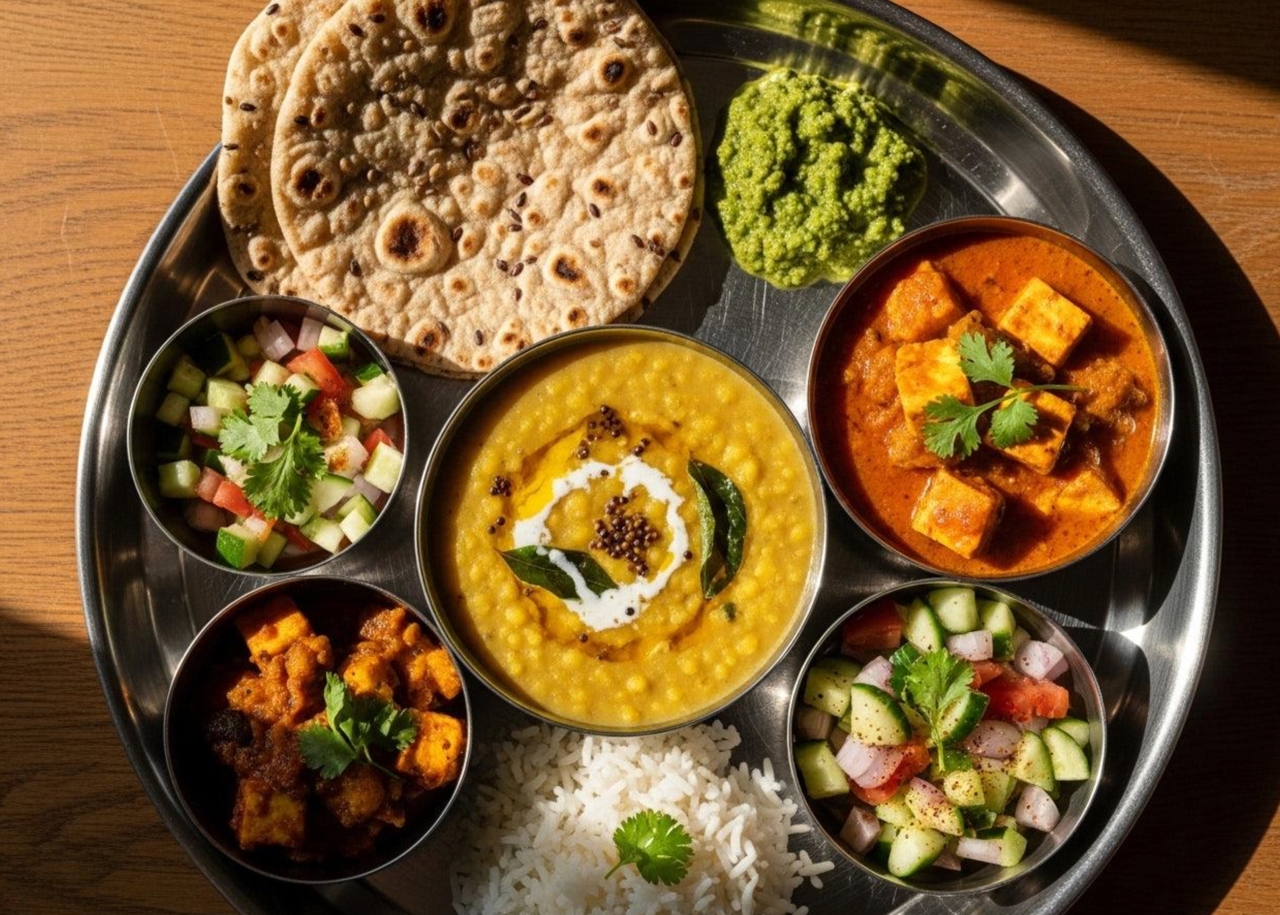
If you are frequently hungry between meals, consider whether your main meals contain enough protein, fibre and appropriate portions of food. A balanced lunch with dal, vegetables and curd may be more satisfying than a meal consisting mostly of refined carbohydrates.
A few practical habits can help:
- Plan snacks rather than relying entirely on convenience foods.
- Use a small bowl or portion rather than eating directly from large packets.
- Choose fruit, yoghurt, pulses, nuts or other nutrient-rich foods more often.
- Be mindful of liquid calories from sweetened beverages.
- Notice whether you are physically hungry or eating because of boredom, stress or habit.
Nuts and seeds are nutritious, but they are energy-dense. A modest portion is usually more appropriate than unlimited handfuls.
Should you snack before or after exercise?
Exercise nutrition depends on the duration and intensity of activity, how recently you ate and your individual tolerance.
Before exercise, some people prefer a light carbohydrate-containing snack such as a banana, toast or fruit. This can be useful when training after several hours without food.
After strength training, a snack containing protein can help contribute to daily protein intake and support muscle repair. Examples include yoghurt, milk, eggs, paneer, tofu or a suitable protein shake.
There is no need to rush to consume a protein shake immediately after every workout. Total daily protein intake, meal quality and consistent training are more important than an extremely narrow post-exercise window.
The Fitcart approach: food first, supplements when useful
A varied diet should remain the foundation of nutrition. Snacks can help add protein, fibre and micronutrients without relying on highly processed products.
For people with higher protein requirements, busy schedules or dietary restrictions, protein supplements may provide a convenient option. Whey, whey isolate and plant-based proteins can all have a role, depending on individual requirements and tolerance.
At Fitcart, we believe in science and evidence-based formulas, clean and transparent ingredients, and appropriate quality testing. When selecting sports nutrition products, athletes should pay particular attention to independent certification and batch verification.
Remember that a supplement is not a replacement for a balanced diet, adequate hydration, sleep and training.
The Fitcart Takeaway
Healthy snacking is about making better choices, not following rigid food rules.
Roasted chana, yoghurt, fruit, eggs, paneer, tofu, sattu and hummus can all be part of a balanced routine. Choose snacks that match your hunger, lifestyle and nutritional needs.
Small, sustainable improvements throughout the day can make healthy eating easier to maintain.
Explore more from the Fitcart Healthy Eating Series
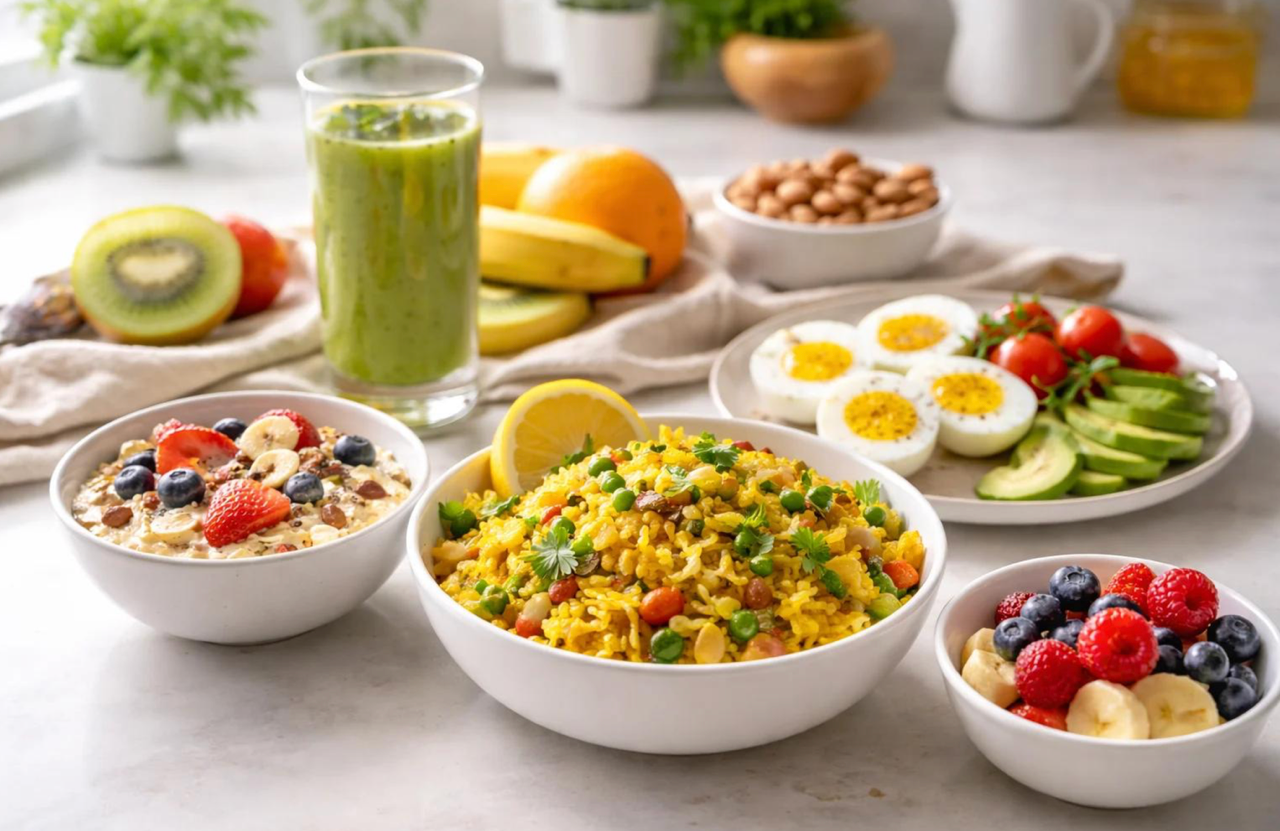
- 10 High-Protein Breakfasts for Energy, Muscle Health and Weight Management
- 10 Balanced Indian Lunches for Energy, Gut Health and Muscle Maintenance
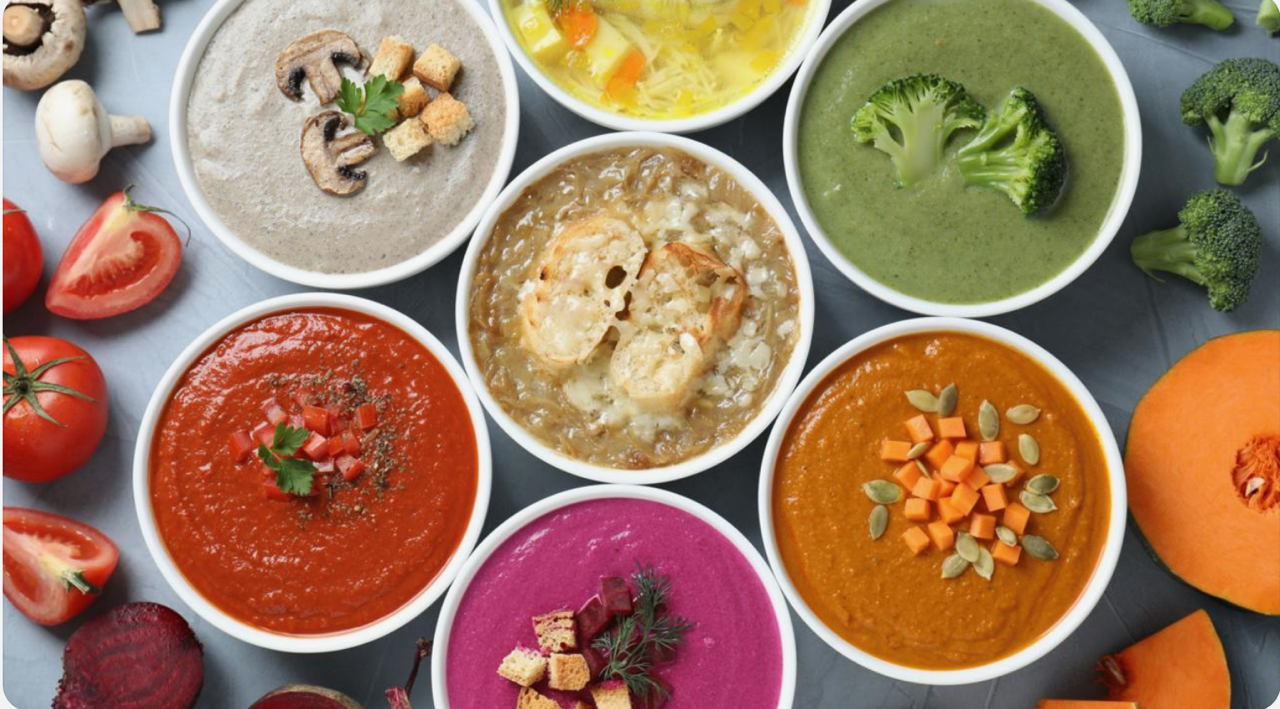
- 12 Healthy Soups for Better Health: Nutrition, Gut Health, Immunity and Weight Management
Health and Supplement Disclaimer
This article is intended for general educational purposes only and is not a substitute for individual medical or dietetic advice. Nutritional needs vary according to age, body weight, activity level, health status and personal goals.
People with diabetes, kidney disease, food allergies, gastrointestinal conditions or other medical concerns may require individual dietary guidance. People at increased risk from foodborne illness should avoid raw sprouts and follow appropriate food-safety guidance.
Protein values are approximate and vary by brand, ingredients and portion size. Supplements should be used responsibly and should not replace a balanced diet, appropriate exercise or medical treatment. Athletes should check product and batch-specific certification where relevant.
Follow us on X: https://x.com/fitcartofficial and Instagram: https://www.instagram.com/fitcartofficial/ for the latest updates, health insights, and exclusive content.
Follow Smart Nutrition India X: https://x.com/SmartNutrition1 and Instagram: https://www.instagram.com/smartnutritionindia/ for trusted sports nutrition, supplement education, wellness tips, and the latest news from the world of health and performance.
Fitcart believes in True Play and Clean Sport
#trustedbrandsbetterhealth