



Fitcart Editorial Team Ritu Makhija.
Feeling bloated, heavy, or uncomfortable after eating? These 10 soothing drinks may help support digestion, hydration and a more comfortable gut.
Bloating is one of those everyday digestive complaints that can leave you feeling uncomfortable, sluggish and heavier than usual. It can happen after a large meal, eating too quickly, consuming certain foods, drinking fizzy beverages, or simply because your digestive system is having a difficult day.
While occasional bloating is common, your choice of beverages may make a difference to how your digestive system feels.
Some herbal teas and other simple drinks have traditionally been used to support digestion, relax the gastrointestinal tract and encourage hydration. They are not a cure for persistent bloating, but they can be useful additions to an overall healthy lifestyle.
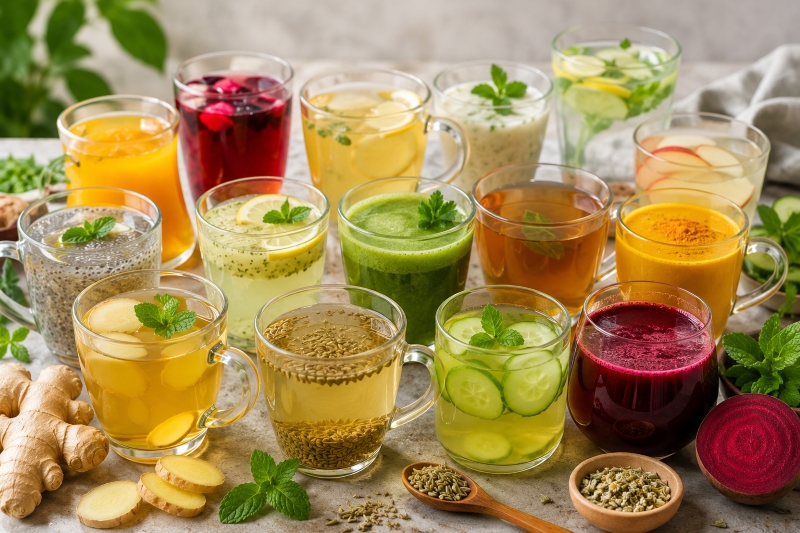
Here are 10 drinks that may help reduce bloating and support digestive wellness.
1. Peppermint Tea
Peppermint tea is one of the most popular herbal beverages for digestive comfort.
Peppermint contains menthol, which may have a relaxing effect on the muscles of the gastrointestinal tract. This can potentially help with feelings of abdominal discomfort, gas, and fullness.
Potential wellness benefits:
- May support digestive comfort
- Traditionally used for gas and bloating
- Can have a soothing effect after meals
- Naturally caffeine-free
A warm cup of peppermint tea after a meal can be a simple addition to a digestion-friendly routine.
Important: People with acid reflux or GERD may find that peppermint makes symptoms worse.
2. Chamomile Tea
Chamomile is traditionally valued for its calming properties, making it a popular evening beverage.
Beyond relaxation, chamomile has traditionally been used to support digestive comfort. Its gentle nature makes it particularly appealing as a caffeine-free drink before bedtime.
Potential wellness benefits:
- Supports relaxation
- May help soothe digestive discomfort
- Naturally caffeine-free
- Can be incorporated into a calming nighttime routine
A cup of chamomile tea can therefore support both relaxation and overall wellness.
3. Ginger Tea
Ginger has been used for centuries as a traditional digestive aid.
Fresh ginger steeped in hot water creates a warming drink that may support normal digestion and help with feelings of nausea and digestive discomfort.
Potential wellness benefits:
- Supports digestion
- May help with nausea
- May support comfortable gastric emptying
- Provides a warming, soothing beverage
For a simple homemade option, add a few slices of fresh ginger to hot water and allow it to steep.
4. Fennel Tea
Fennel seeds have traditionally been used after meals to support digestion.
Fennel tea is particularly popular in many cultures as a post-meal drink and may help with feelings of gas and abdominal fullness.
Potential wellness benefits:
- Traditionally used for digestive comfort
- May help with gas
- Can be enjoyed after meals
- Naturally caffeine-free
Try steeping lightly crushed fennel seeds in hot water for a simple digestive beverage.
5. Warm Lemon Water
Sometimes the simplest drink can be a useful part of a wellness routine.
Warm water with a squeeze of lemon provides hydration and can be a refreshing alternative to sugary or carbonated beverages.
Hydration is important for normal digestive function, while replacing fizzy drinks with still water may help reduce the extra gas and fullness that carbonation can cause.
Potential wellness benefits:
- Supports hydration
- Provides vitamin C from lemon
- Can replace sugary beverages
- A refreshing start to the day
There is no need to add large amounts of lemon. A simple squeeze into warm water is enough.
6. Green Tea
Green tea contains naturally occurring polyphenols and antioxidants and is widely consumed as part of a healthy lifestyle.
It can provide a gentle alternative to sugary drinks and contributes to daily fluid intake. Some people also find a warm cup of green tea comfortable after meals.
Potential wellness benefits:
- Provides antioxidant compounds
- Supports hydration
- Can replace high-sugar beverages
- Contains naturally occurring caffeine
Because green tea contains caffeine, it may not be ideal close to bedtime or for people who are sensitive to caffeine.
7. Cumin Water
Cumin is another traditional kitchen spice frequently used to support digestion.
Cumin water is made by steeping or simmering cumin seeds in water. It is commonly consumed after meals in various traditional food cultures.
Potential wellness benefits:
- Traditionally associated with digestive support
- Provides a warm, hydrating beverage
- May be useful as an alternative to sugary drinks
While cumin water is popular as a traditional digestive drink, it should complement—not replace—a balanced diet.
8. Cinnamon Tea
Cinnamon can turn ordinary hot water into a naturally aromatic beverage.
Cinnamon contains plant compounds with antioxidant properties and has long been used traditionally in food and beverages.
Potential wellness benefits:
- Provides antioxidant compounds
- Can be enjoyed as a sugar-free beverage
- May be soothing as part of a post-meal routine
- Helps add flavour without relying on sweeteners
Use culinary amounts rather than consuming large quantities of cinnamon.
9. Plain Warm Water
Don’t underestimate the simplest option.
Water is essential for normal bodily functions, including digestion. Drinking enough fluids throughout the day helps support normal bowel function and overall hydration.
If you’re feeling bloated, swapping carbonated beverages for plain still water may also help if carbonation is contributing to your discomfort.
Potential wellness benefits:
- Supports hydration
- Supports normal bowel function
- Helps replace sugary beverages
- Can be consumed throughout the day
Warm water can also feel particularly soothing after a meal.
10. Ajwain Water
Ajwain, also known as carom seeds, is traditionally used in Indian households as a digestive spice Ajwain water is commonly prepared by steeping or boiling a small amount of ajwain in water and drinking it warm.
Potential wellness benefits:
- Traditionally used after heavy meals
- May support digestive comfort
- Provides a warming beverage option
- Can be incorporated into traditional wellness routines
As with other herbal preparations, moderation is important.
11. Cucumber Water
Cucumber water is a refreshing, low-calorie way to increase fluid intake. Since hydration supports normal digestion and bowel function, cucumber-infused water can be a simple alternative to sugary or carbonated drinks.
Cucumber also provides small amounts of vitamins and plant compounds.
Potential wellness benefits:
- Supports hydration
- A refreshing alternative to sugary drinks
- Can help replace carbonated beverages
- Provides small amounts of nutrients and plant compounds
Add fresh cucumber slices to chilled or room-temperature water and allow them to infuse for a refreshing wellness drink.
12. Pineapple Smoothie
Pineapple contains bromelain, a group of enzymes naturally found in pineapple. Bromelain has been studied for its effects on protein digestion and inflammation, although drinking pineapple does not guarantee a noticeable reduction in bloating.
A simple pineapple smoothie can also provide fluids, carbohydrates and vitamin C.
Potential wellness benefits:
- Provides vitamin C
- Contains naturally occurring bromelain
- Provides hydration and carbohydrates
- Can be a nutrient-rich snack or post-exercise option
For a balanced smoothie, blend fresh pineapple with plain yoghurt or kefir and water rather than adding large amounts of sugar.
13. Kefir
Kefir is a fermented milk drink containing live microorganisms. Depending on the product and cultures used, kefir can provide beneficial bacteria and other fermentation-derived compounds that may support the gut microbiome.
For some people, incorporating fermented foods such as kefir into the diet can support digestive wellness. However, people who are sensitive to dairy or lactose may experience more bloating rather than less.
Potential wellness benefits:
- Contains live cultures
- Supports a diverse, balanced diet
- Provides protein and calcium when made from dairy
- Can be incorporated into a gut-friendly eating pattern
Choose plain, unsweetened kefir where possible to avoid unnecessary added sugar.
14. Coconut Water
Coconut water is naturally refreshing and provides fluids along with electrolytes such as potassium. It can be particularly useful after exercise or periods of sweating when replacing fluids and electrolytes is important.
While coconut water isn’t specifically an anti-bloating treatment, good hydration supports normal digestive function.
Potential wellness benefits:
- Supports hydration
- Provides potassium and other electrolytes
- A natural alternative to some sugary beverages
- Useful after exercise or sweating
Choose coconut water without unnecessary added sugars and remember that it still contributes calories and carbohydrates.
What About Bloating After Meals?
Bloating isn’t always caused by the same thing.
For some people, it may be related to eating quickly, consuming large meals, constipation, certain carbohydrates, food intolerances, or carbonated beverages. For others, it may occur around hormonal changes or as part of an underlying digestive condition.
That means there isn’t one universal “anti-bloating drink.”
Instead, consider the bigger picture:
Hydrate regularly + eat slowly + chew thoroughly + limit excessive carbonation + stay physically active + identify foods that consistently trigger symptoms.
A gentle walk after eating can also be a useful addition to a digestion-friendly routine.
Can These Drinks Actually “Remove” Bloating?
These drinks don’t literally remove abdominal fat or permanently eliminate bloating. Rather, certain herbal beverages may support digestion, hydration and gastrointestinal comfort, while replacing fizzy or heavily sweetened beverages may reduce factors that contribute to temporary fullness and discomfort.
Think of them as part of a broader wellness routine—not as a quick detox or weight-loss solution.
A Simple Fitcart Anti-Bloat Beverage Routine
Morning:
Warm water with lemon or plain water.
After lunch:
Peppermint, ginger or fennel tea.
Afternoon:
Green tea if you tolerate caffeine.
Evening:
Chamomile tea for a calming, caffeine-free option.
The key is consistency, hydration, and paying attention to how your own body responds.
The Fitcart Wellness Takeaway
Bloating can be uncomfortable, but a few simple beverage choices may help support digestive wellness. Rather than thinking of these beverages as drinks that literally “remove” bloating, it is more accurate to describe them as drinks that may support hydration, digestion and gut wellness.
Peppermint tea, chamomile tea, ginger tea, fennel tea, lemon water, green tea, cumin water, cinnamon tea, plain warm water and ajwain water are all easy options to incorporate into a healthy routine.
The most important point is that no single drink is a magic solution. Long-term digestive wellness comes from the combination of adequate hydration, balanced nutrition, regular movement, good sleep, mindful eating and understanding your individual food triggers.
And when it comes to supplements and functional nutrition, quality matters. Choose products that are appropriately tested and verified for their contents and manufacturing standards, and always consider professional guidance when introducing a new supplement or concentrated herbal product.
Disclaimer
This article is intended for general health and wellness information only and should not be considered medical advice, diagnosis or treatment. Herbal teas and beverages may affect people differently and may not be appropriate for everyone, particularly people who are pregnant, taking medication, or living with a medical condition. Peppermint, for example, may aggravate reflux in some individuals. Persistent, severe or recurrent bloating should be discussed with a qualified healthcare professional.
Supplements and concentrated herbal products should be selected carefully. Look for products that are batch-tested and independently verified for quality, contents and manufacturing standards. Always consult a qualified healthcare professional before starting any new supplement or wellness programme.
Follow us on X: https://x.com/fitcartofficial and Instagram: https://www.instagram.com/fitcartofficial/ for the latest updates, health insights, and exclusive content.
Follow Smart Nutrition India X: https://x.com/SmartNutrition1 and Instagram: https://www.instagram.com/smartnutritionindia/ for trusted sports nutrition, supplement education, wellness tips, and the latest news from the world of health and performance.
Fitcart believes in True Play and Clean Sport
#trustedbrandsbetterhealth