


Suggested reading time: 9–11 minutes.
Fitcart Healthy Eating Series.
Author: Ritu Makhija.
Co-Founder, Fitcart.com.
Head of Editorial Team, Fitcart Blog.
Can you get enough protein from a vegetarian diet? Absolutely.
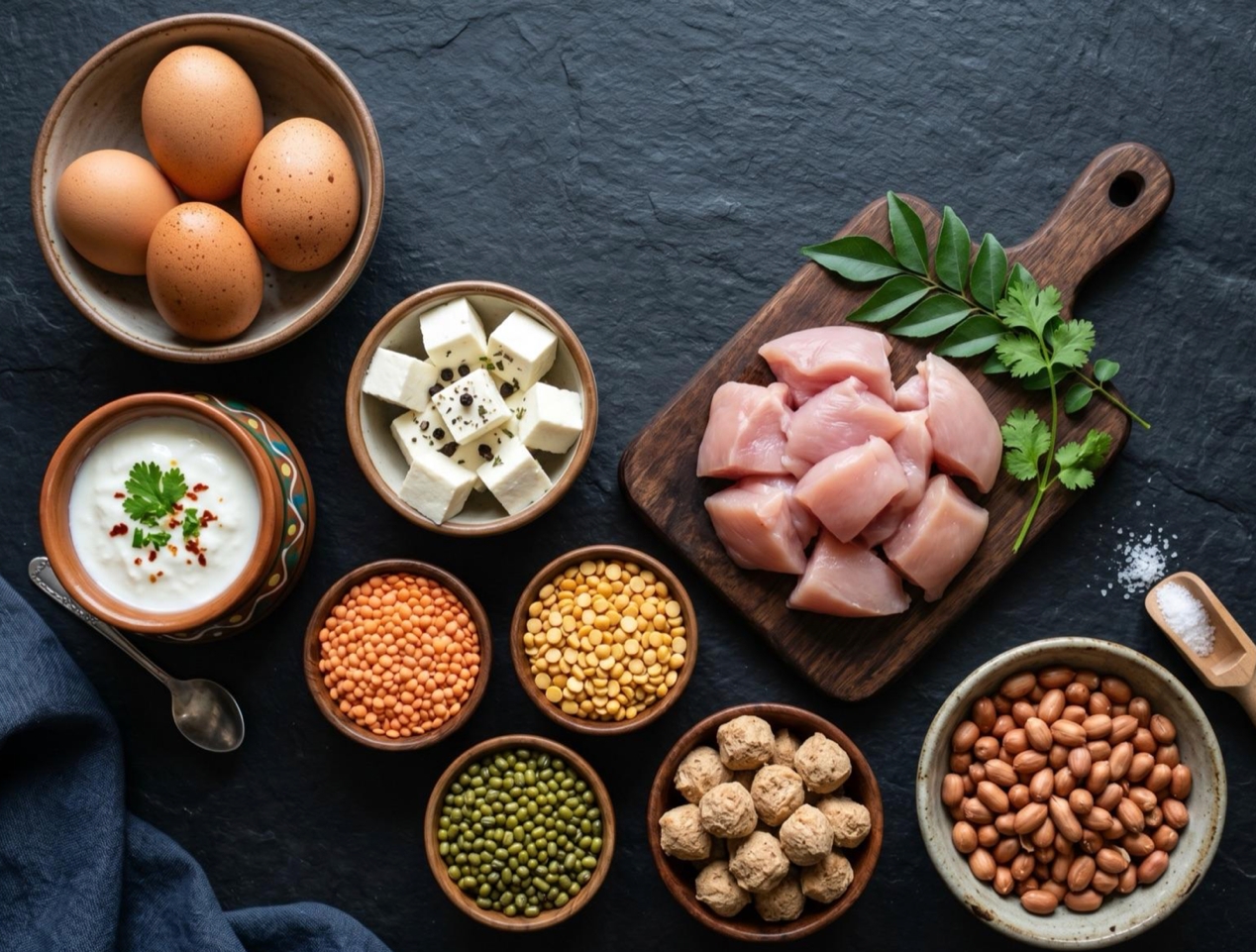
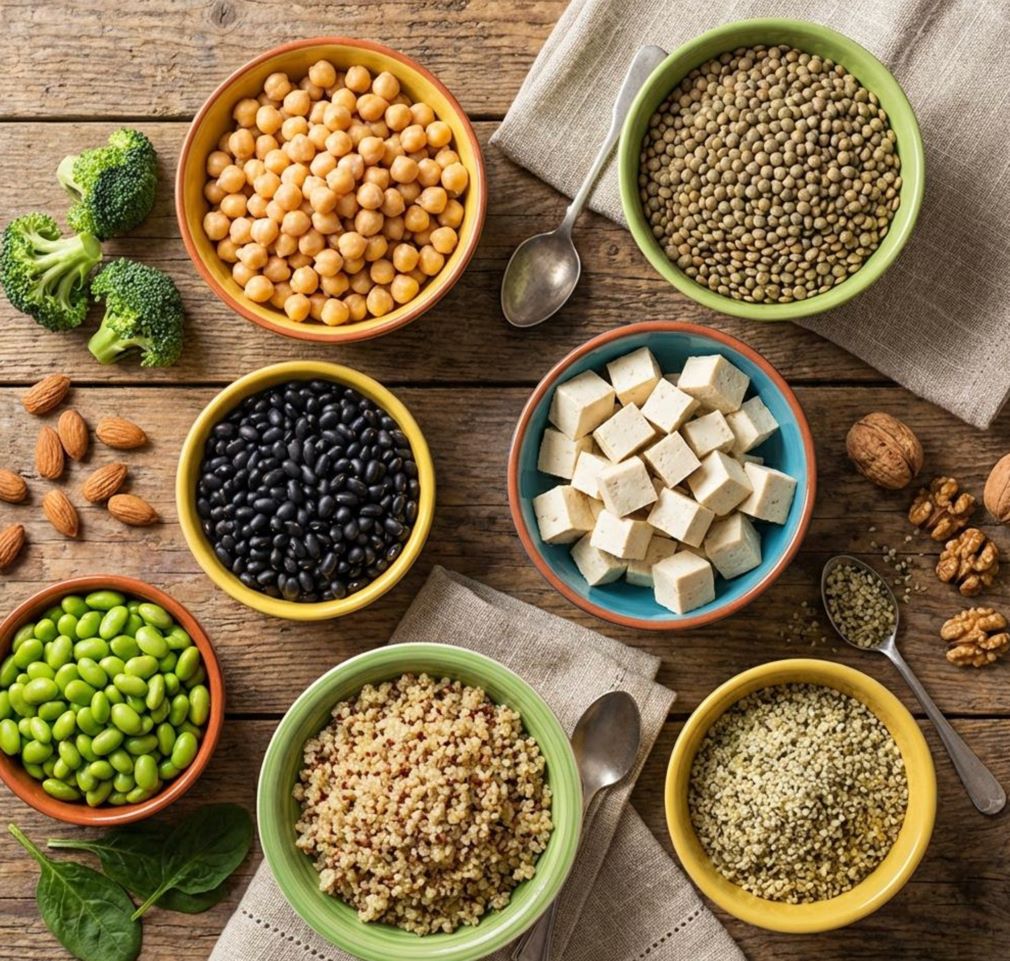
India has a rich variety of naturally protein-containing foods, including lentils, chickpeas, beans, soy, paneer, yoghurt, milk, nuts and seeds. These ingredients have been part of traditional Indian diets for generations.
However, many vegetarian meals are built primarily around rice, roti or other cereals, with relatively small portions of pulses or other protein-rich foods. This can make it harder to meet daily protein requirements, particularly for people who exercise regularly, are trying to preserve muscle or have increased nutritional needs.
The good news is that a vegetarian diet can provide adequate protein when it is planned with variety, appropriate portions and sufficient total food intake.
At Fitcart, we believe that protein nutrition should be science-led, practical and accessible. Here are ten useful vegetarian protein sources, how to include them in everyday Indian meals and what to consider when choosing protein supplements.
Why is protein important?
Protein provides amino acids that the body uses to maintain and repair tissues, support muscle, produce enzymes and hormones, and maintain normal immune function.
Nine amino acids are considered essential because they must be obtained through food.
Protein quality depends on the amount and balance of essential amino acids, as well as how well the protein is digested and absorbed.
Animal-derived proteins generally contain all essential amino acids in useful proportions. Plant proteins can also meet nutritional needs, but their amino-acid profiles and digestibility vary between foods.
Soy is particularly useful because it provides all nine essential amino acids. Pulses and cereals can also complement one another in a varied diet.
10 best vegetarian protein sources
Protein values below are approximate. They vary with food variety, brand, preparation, water content and serving size. Dry ingredients and cooked foods are not directly comparable by weight.
1. Soya chunks and soybeans
One of the most protein-dense everyday vegetarian choices
Soya chunks are made from defatted soy flour and are a convenient way to increase protein intake in vegetarian meals.
They can be added to pulao, curries, wraps, stir-fries and vegetable preparations. Rehydrate them according to the packet instructions, rinse if required and cook thoroughly.
Soybeans and soy-based foods provide a useful amino-acid profile. Soy is a complete plant protein, making it particularly valuable for people following vegetarian or vegan diets.
Approximate protein:
- 25 g dry soya chunks: around 12–13 g.
- 100 g cooked soybeans: approximately 16–18 g, depending on preparation.
Fitcart tip: Combine soya chunks with vegetables and whole grains for a balanced meal rather than relying on them alone.
2. Lentils and dals
A traditional and affordable protein source
Moong, masoor, toor, urad and chana dal are all useful sources of plant protein, fibre, iron, potassium and other minerals.
They can be prepared as dal, sambar, khichdi, soups, chillas and other familiar Indian dishes.
A useful point when comparing protein values is that dry dal contains considerably more protein per 100 g than cooked dal because it absorbs water during cooking.
Approximate protein:
- 30 g dry dal: around 6–8 g.
- One medium bowl of cooked dal: approximately 7–10 g, depending on thickness and portion.
Fitcart tip: Rotate different dals during the week to improve dietary variety and avoid relying on a single pulse.
3. Chickpeas, chana and roasted gram
Protein, fibre and versatility
Chickpeas are useful sources of plant protein, dietary fibre, complex carbohydrates and minerals.
They can be used in chole, hummus, salads, roasted snacks, chana chaat and besan preparations.
Roasted chana is especially convenient as a portable snack, while cooked chickpeas can add protein and fibre to lunch and dinner.
Approximate protein:
- 100 g cooked chickpeas: around 8–9 g.
- 30 g roasted chana: around 6–7 g.
Fitcart tip: Pair chickpeas with vegetables and yoghurt, or combine them with whole grains to make a more substantial meal.
4. Rajma, lobia and other beans
A combination of protein and fibre
Kidney beans, black-eyed peas, black beans and other legumes provide plant protein, fibre and minerals.
Rajma with rice is a familiar Indian example of combining pulses and cereals. Lobia can be used in curries, salads and mixed vegetable dishes.
Beans contain fermentable fibres that can support gut microbial activity. If you are not accustomed to eating legumes, increase your intake gradually to help minimise digestive discomfort.
Approximate protein:
- One cup of cooked rajma: approximately 13–15 g.
- One cup of cooked lobia: approximately 13–15 g.
Fitcart tip: Soak dried beans appropriately and cook them thoroughly. Never eat kidney beans raw or undercooked.
5. Paneer
A convenient dairy-based complete protein
Paneer is a familiar Indian vegetarian protein source. It provides complete dairy protein, calcium and other nutrients.
It can be included in paneer bhurji, grilled paneer, salads, wraps, curries and vegetable preparations.
Protein and fat content vary depending on how the paneer is made. Full-fat paneer is more energy-dense, while lower-fat versions may suit people who want a leaner option.
Approximate protein: 18–20 g per 100 g of paneer, depending on the product.
Fitcart tip: Use paneer with vegetables and whole grains. If saturated fat intake is a concern, consider lower-fat paneer or tofu.
6. Tofu
A versatile plant-based alternative to paneer
Tofu is made from soybeans and is a useful protein source for vegetarians and vegans.
It can be used in stir-fries, curries, wraps, salads, bhurji and grilled dishes. Firm tofu generally contains more protein per 100 g than softer varieties, but the exact amount depends on the brand and manufacturing process.
Soy provides all nine essential amino acids, making tofu a particularly useful plant protein.
Approximate protein: Around 8–17 g per 100 g, depending on the type and firmness.
Fitcart tip: Check the nutrition label rather than assuming all tofu products provide the same amount of protein.
7. Greek yoghurt, curd and milk
Easy ways to add protein to meals and snacks
Dairy foods provide complete protein as well as nutrients such as calcium and vitamin B12.
Greek yoghurt is generally more concentrated in protein than ordinary curd because it is strained to remove some of the liquid whey. However, protein content varies considerably between products.
Milk and curd can be included with breakfast, lunch, snacks and smoothies.
Approximate protein:
- 250 ml cow’s milk: around 8 g.
- 100 g ordinary curd: around 3–4 g.
- 170 g high-protein Greek yoghurt: often around 15–18 g, depending on the brand.
Fitcart tip: Choose plain, unsweetened products where possible and compare protein content on the label.
8. Peas and edamame
Plant protein with useful fibre and micronutrients
Green peas are often treated simply as a vegetable, but they also contribute protein, fibre and micronutrients.
Edamame, or young green soybeans, are a more concentrated protein option and are increasingly available in frozen form.
Add peas to pulao, poha, upma, vegetable curries and soups. Edamame can be served as a snack or added to salads and bowls.
Approximate protein:
- 100 g cooked green peas: around 5–6 g.
- 100 g cooked edamame: around 11–12 g.
Fitcart tip: Use peas as a useful addition to meals, while including a more substantial protein source such as dal, tofu or paneer.
9. Nuts and seeds
Protein, healthy fats and minerals
Almonds, peanuts, pistachios, walnuts, pumpkin seeds, sunflower seeds, chia seeds and sesame seeds all contribute protein.
They also provide unsaturated fats, fibre and micronutrients. However, nuts and seeds are energy-dense, so they are best used in appropriate portions.
Sprinkle seeds over yoghurt, salads, oats and smoothies. Use peanut butter or nut pastes as part of a balanced snack.
Approximate protein:
- 30 g peanuts: around 7 g.
- 30 g almonds: around 6 g.
- 30 g pumpkin seeds: around 8–9 g.
- 30 g chia seeds: around 5 g.
Fitcart tip: Nuts and seeds are useful nutritional additions, but they should not be treated as the main protein source in a meal unless portions are carefully planned.
10. Whole grains and complementary food combinations
Traditional Indian combinations can provide balanced amino acids
Whole grains such as wheat, oats, quinoa, millets and brown rice contribute protein, fibre and energy.
Most cereals are relatively lower in certain essential amino acids, particularly lysine, while many pulses have a different amino-acid profile.
Combining cereals and pulses helps improve the overall amino-acid balance of a predominantly plant-based diet.
Examples include:
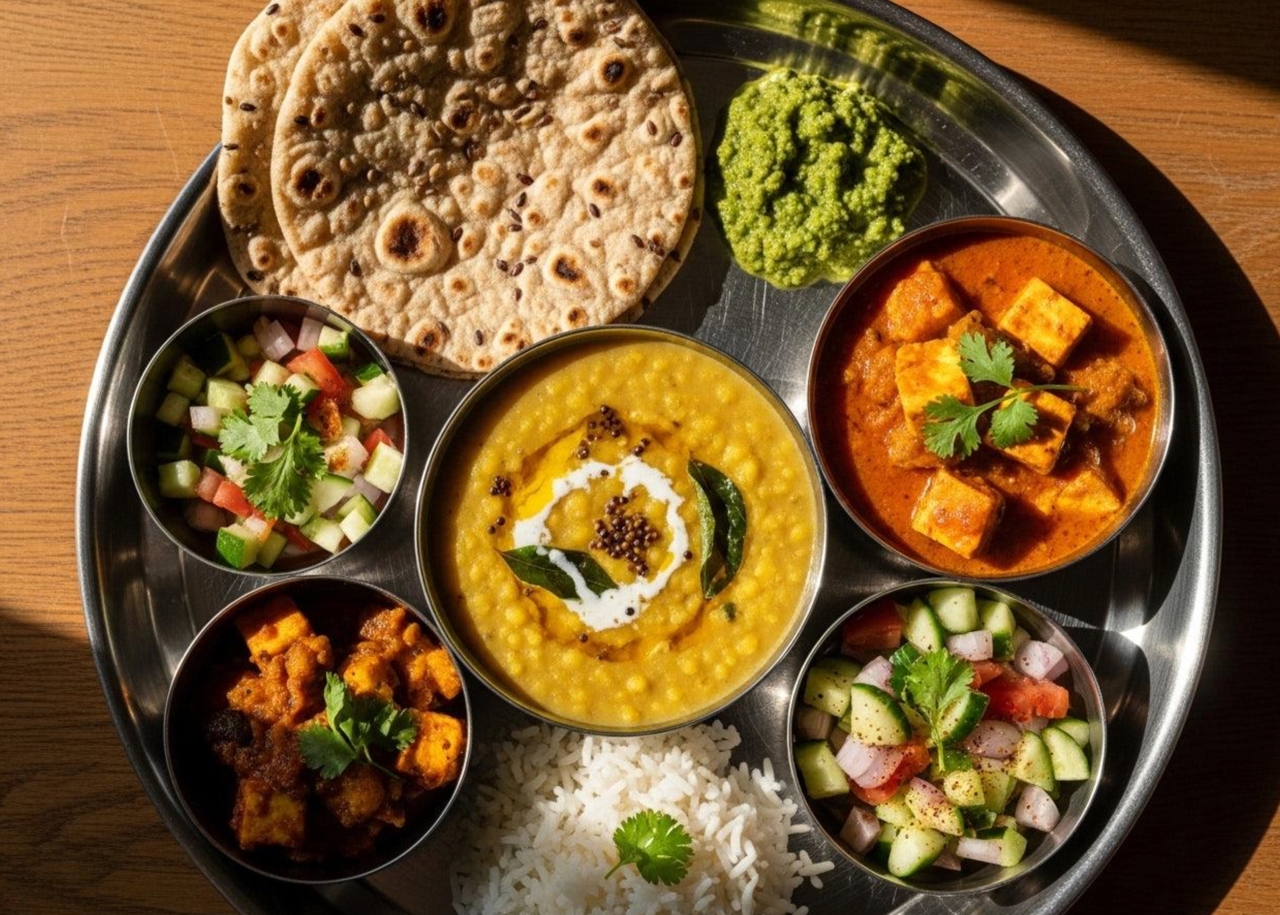
- Dal and rice.
- Roti and chana.
- Idli and sambar.
- Dosa and sambar.
- Khichdi with pulses.
- Hummus with wholegrain bread.
You do not need to combine every protein source in exact proportions at every meal. A varied diet across the day is the practical priority.
Approximate protein: One cup of cooked quinoa provides around 8 g, while a serving of wholegrain roti or oats adds smaller amounts that contribute to the day’s total.
Vegetarian protein comparison table
The table below gives approximate values for practical portions. These are not laboratory values for every product, and recipe portions will vary.
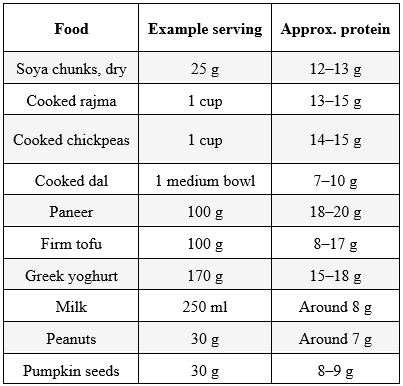
Important: Dry lentils and beans contain more protein per 100 g than cooked lentils and beans because cooking adds water. Always compare like with like and check packaged food labels.
How to combine vegetarian protein sources throughout the day
A common mistake is to consume very little protein at breakfast and then try to make up the difference at dinner.
A more practical approach is to include a protein source in each main meal.
For example:
Breakfast: Moong dal chilla with curd.
Lunch: Rajma, brown rice, vegetables and salad.
Snack: Greek yoghurt, roasted chana or a small portion of nuts.
Dinner: Tofu or paneer with vegetables and whole wheat roti.
This is just an illustration. The amounts should be adjusted according to individual protein needs, appetite and total energy requirements.
Are plant proteins as good as animal proteins?
Plant and animal proteins can both support health and muscle maintenance when the overall diet provides adequate protein and essential amino acids.
There are differences in amino-acid profiles and digestibility. Some plant proteins have lower concentrations of one or more essential amino acids, while soy provides all nine.
This does not mean vegetarians cannot build muscle. Research supports the use of well-planned plant-based diets for muscle and strength outcomes when total protein and training are adequate.
For people relying entirely on plant foods, variety and sufficient portions become particularly important.
Do vegetarians need protein supplements?
Not necessarily.
Many people can meet their protein requirements through dal, beans, soy, tofu, paneer, milk, curd, nuts and seeds.
However, supplements can be useful when:
- You have higher protein needs because of regular strength training.
- Your daily schedule makes it difficult to prepare enough protein-rich food.
- You follow a vegan diet and struggle to meet your target.
- You have a low appetite or specific dietary limitations.
- You need a convenient protein option around exercise.
Whey protein
Whey is dairy-derived and contains all nine essential amino acids. It has a strong evidence base in sports nutrition.
It is not suitable for people avoiding dairy or those with certain dairy-related intolerances or allergies.
Whey isolate
Whey isolate is more extensively filtered than whey concentrate and generally contains less lactose. It can be useful for people who tolerate some dairy but prefer a lower-lactose product.
Plant protein powders
Soy, pea and blended plant proteins can help vegetarians and vegans meet protein needs.
Soy is a complete protein. Some plant blends combine different protein sources to provide a more complementary amino-acid profile.
Yeast protein and emerging alternatives
Yeast protein is an emerging alternative that may offer useful nutritional properties. However, research on long-term muscle-building outcomes remains less extensive than for established sources such as whey and soy.
How to choose a quality protein supplement
If you decide that a protein supplement is useful, consider:
- Protein per serving rather than just the size of the scoop.
- The full ingredient list and any added sugars.
- Allergens and dietary suitability.
- Independent quality testing and batch verification where available.
- Whether the product is appropriate for your sport and any anti-doping obligations.
At Fitcart, we place importance on science and evidence-based formulas, clean and transparent ingredients, and batch-tested products. For athletes, relevant independent certification and specific batch verification can provide additional reassurance.
No certification or label should be treated as a guarantee that every supplement is completely risk-free. Product and batch information should be checked carefully.
The Fitcart Takeaway
A vegetarian diet can absolutely provide enough protein to support muscle health, exercise and overall wellbeing.
Soya chunks, dal, rajma, chickpeas, paneer, tofu, yoghurt, peas, nuts and seeds all have a place in a varied diet.
The key is to understand the protein content of realistic portions, include a variety of sources and distribute protein across meals. Supplements can help when needed, but whole foods should remain the foundation.
Healthy eating is not about following a single food trend. It is about building a balanced, sustainable way of eating that supports your body over time.
Explore more from the Fitcart Healthy Eating Series
- How Much Protein Do You Really Need? A Science-Based Guide to Protein, Muscle Health and Healthy Ageing
- 10 Healthy Snacks for Energy and Satiety: Smart Indian Snack Ideas to Keep You Going
- 10 Balanced Indian Lunches for Energy, Gut Health and Muscle Maintenance
- 10 High-Protein Breakfasts for Energy, Muscle Health and Weight Management
- 12 Healthy Soups for Better Health: Nutrition, Gut Health, Immunity, Weight Management and Everyday Wellness
Health and Supplement Disclaimer
This article is intended for general educational purposes only and is not a substitute for individual medical, dietetic or nutritional advice. Protein values are approximate and vary according to food variety, processing, cooking method, serving size and brand.
People with kidney disease, soy allergies, lactose intolerance, gastrointestinal conditions or other medical concerns may require individual dietary guidance. Anyone considering significant dietary changes or supplements should consult an appropriately qualified healthcare professional.
Supplements should be used responsibly and should not replace a balanced diet, appropriate exercise or medical treatment. Athletes should check product and batch-specific certification where relevant.
Follow us on X: https://x.com/fitcartofficial and Instagram: https://www.instagram.com/fitcartofficial/ for the latest updates, health insights, and exclusive content.
Follow Smart Nutrition India X: https://x.com/SmartNutrition1 and Instagram: https://www.instagram.com/smartnutritionindia/ for trusted sports nutrition, supplement education, wellness tips, and the latest news from the world of health and performance.
Fitcart believes in True Play and Clean Sport
#trustedbrandsbetterhealth