


Fitcart Editorial Team Ritu Makhija.
Published: May 28, 2026 | Fitcart.com.
World Nutrition Day 2026: Is India Eating Smart Enough to Win the Battle?
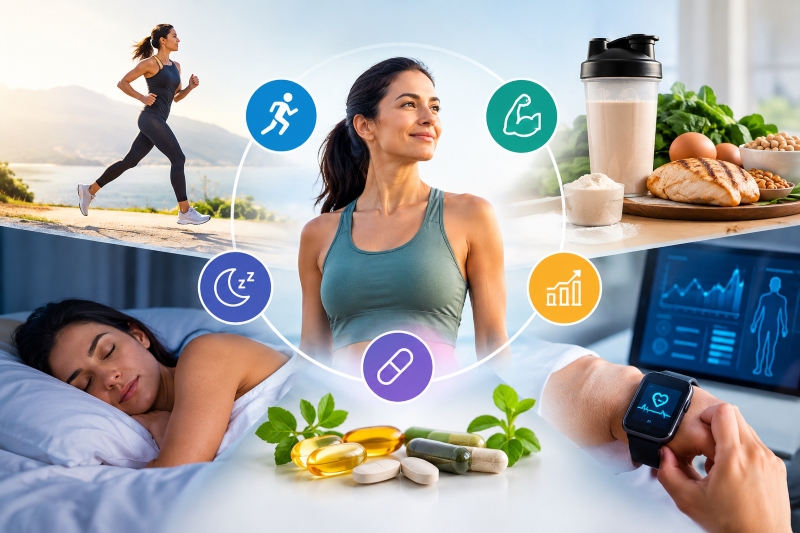
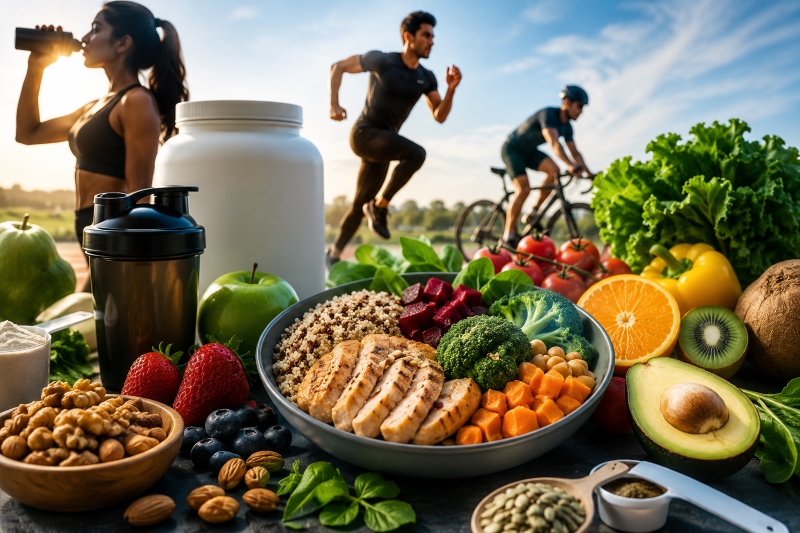
Every year on May 28, World Nutrition Day reminds the world of a simple but powerful truth: Nutrition shapes everything.
Your energy. Your recovery. Your strength. Your focus. Your long-term health. Your athletic performance.
But in India today, the conversation around nutrition has become far more complicated than simply “eating healthy.”
Because modern performance nutrition is no longer just about food.
It’s about science, education, trust, product quality, and the ability to separate evidence from misinformation.
And for India’s rapidly growing community of athletes, gym-goers, runners, fitness enthusiasts, and young sports professionals, that challenge has never been more important.
India’s Hidden Nutrition Gap
India is producing world-class sporting talent across cricket, athletics, combat sports, bodybuilding, football, endurance racing, and functional fitness.
Yet despite this progress, millions of active Indians still struggle with fundamental nutritional gaps.
Common issues include:
- Inadequate protein intake
- Vitamin D and B12 deficiencies
- Iron and zinc deficiencies
- Poor hydration habits
- Weak recovery nutrition
- High-calorie but low-quality food choices
- Inconsistent meal timing and nutrient balance
For athletes and active individuals, these gaps directly impact:
- Recovery quality
- Muscle growth
- Hormonal health
- Sleep quality
- Strength development
- Endurance performance
- Injury risk
- Long-term health outcomes
But the problem goes even deeper than nutrients alone.
India Also Faces a Nutrition Education Crisis
One of the biggest challenges in India’s health and fitness ecosystem is the lack of accessible, evidence-based nutrition education.
Today, consumers are surrounded by:
- Bro-science
- Internet myths
- Viral diet trends
- Outdated fitness advice
- Unverified “health experts.”
- Misinformation disguised as expertise
In many cases, people giving nutrition advice have limited scientific understanding, outdated knowledge, or little accountability for the outcomes of their recommendations.
And in a field that evolves rapidly through ongoing research, the ability to continuously learn and update knowledge is critical.
Unfortunately, misinformation often spreads faster than credible education.
At the same time, deeply rooted cultural habits, food traditions, and religious beliefs can sometimes make conversations around modern performance nutrition more complex. While traditions remain important, athletic performance and long-term health outcomes must still be guided by individual needs, scientific evidence, and informed decision-making.
Then comes social media.
Influencers frequently promote supplements, fat burners, detox products, and “performance hacks” without proper transparency, qualifications, or scientific backing — often driven by sponsorships and affiliate incentives rather than consumer wellbeing.
For young athletes and fitness consumers, distinguishing genuine education from paid marketing has become increasingly difficult.
The result is an environment where many people genuinely want to improve their health — but are navigating a constant stream of conflicting information, marketing noise, and unreliable guidance.
In today’s fitness economy, access to information is no longer the problem. Access to trustworthy information is.
The Supplement Industry Problem Nobody Wants to Address
India is now one of the fastest-growing sports nutrition markets in the world.
But rapid growth has also brought serious quality-control concerns.
The market continues to face issues involving:
- Counterfeit supplements
- Under-dosed formulations
- Misleading labels
- Fake imports
- Hidden fillers
- Undeclared stimulants
- Contaminated products
- Poor manufacturing standards
Many products appear legitimate online and on store shelves while containing ingredients or dosages that differ significantly from what consumers expect.
For recreational users, this can lead to poor results and unnecessary health risks.
For competitive athletes, the consequences can be much more serious — including failed doping tests, suspensions, and long-term reputational damage.
This is why World Nutrition Day should not only encourage healthier eating habits.
It should also encourage smarter and safer nutritional choices.
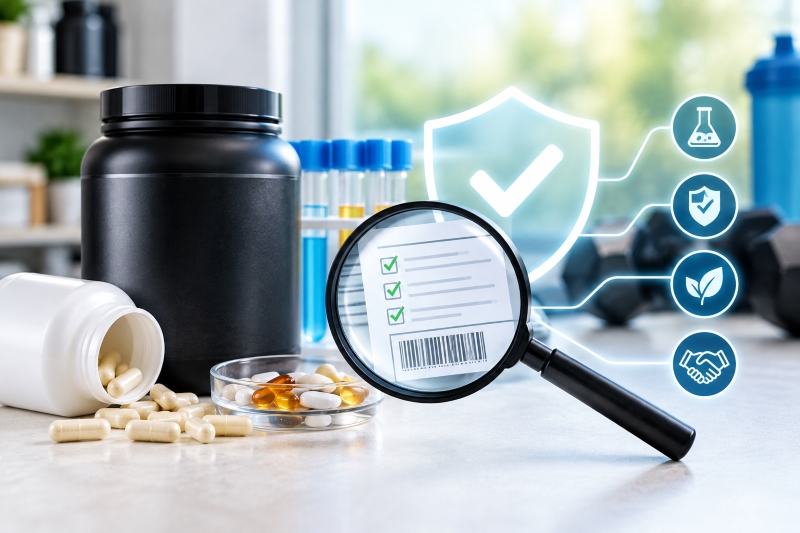
Because clean nutrition today means:
- Ingredient transparency
- Scientific formulation
- Verified sourcing
- Batch testing
- Label accuracy
- Sport-safe supplementation
- Consumer education
Clean nutrition is no longer optional for serious athletes. It is foundational.
What Clean Nutrition Actually Looks Like
At Fitcart, we believe clean nutrition is built on three non-negotiable principles:
1. Source Integrity
Every ingredient has a source story.
Where was it manufactured?
Is the supply chain traceable?
What quality standards were followed?
Does the brand openly disclose testing practices?
Consumers deserve transparency — not marketing ambiguity.
That’s why Fitcart prioritises brands that value accountability and scientific credibility.
2. Label Accuracy
If a supplement claims a specific dosage or ingredient profile, consumers should receive exactly that.
True label accuracy means:
- Transparent formulations
- Correct ingredient dosages
- No hidden proprietary blends
- No amino spiking
- No undeclared fillers
- Honest manufacturing practices
This philosophy also forms the foundation of SURE by Fitcart — our upcoming certification ecosystem designed to strengthen trust and accountability within India’s sports nutrition industry.
3. Sport Safety
For athletes, supplementation is not just about performance enhancement.
It is also about protection.
Sport-safe nutrition means:
- No banned substances
- No contamination risks
- No undeclared stimulants
- No high-risk ingredients
- No compromised manufacturing standards
Because in competitive sport, “I didn’t know” is rarely accepted as an excuse.
Athletes deserve nutrition systems designed to protect both their health and their careers.
Three Things Every Athlete Can Do Today
World Nutrition Day matters most when awareness turns into action.
Here are three practical steps every Indian athlete and fitness enthusiast can start immediately:
Audit Your Protein Intake
Track your daily protein intake for one week.
Most people underestimate how much protein they actually consume — especially active individuals in training.
A commonly recommended intake range for active individuals is:
1.6-2.2g of protein per kg bodyweight per day
depending on training intensity, goals, and recovery demands.
Read Supplement Labels Carefully
Do not rely solely on front-label marketing claims.
Check:
- Ingredient lists
- Dosages
- Protein sources
- Artificial additives
- Third-party testing
- Certification standards
- Manufacturing transparency
If a brand avoids transparency, consumers should ask why.
Buy Only From Trusted Sources
Avoid:
- Grey-market imports
- Suspiciously discounted products
- Unverified resellers
- Random marketplace listings
- Sellers without authenticity assurance
Product authenticity should never be left to chance.
Trust platforms that prioritise verification, traceability, education, and accountability.
India’s Sporting Future Depends on Better Nutrition
India is entering a defining era for sport.
Athletes are competing globally in greater numbers than ever before across Olympic sports, cricket, endurance sports, combat sports, bodybuilding, and professional fitness.
But talent alone cannot sustain high performance.
Performance requires infrastructure.
And nutrition is one of the most important foundations of that infrastructure.
World Nutrition Day 2026 is an opportunity to pause and ask an important question:
Are we truly fuelling our bodies with the intelligence, discipline, and quality they deserve?
At Fitcart, that question drives everything we build.
Because better nutrition creates:
- Better recovery
- Better performance
- Better health outcomes
- Better sporting integrity
- Better athletes for India’s future
Eat Clean. Train Honest. Perform With Confidence.
Fitcart.com is building India’s clean sport intelligence ecosystem — combining verified sports nutrition, evidence-first education, the SURE certification framework, and FitcartIQ, our AI-powered personalisation engine designed for modern athletes and health-conscious consumers.
Advisory Note
This article is intended for educational and informational purposes only and should not replace personalised medical or nutritional advice.
Athletes and consumers should consult qualified healthcare professionals, registered dietitians, certified sports nutritionists, or medical practitioners before making significant dietary or supplementation decisions.
Fitcart also strongly recommends choosing supplements from trusted brands that prioritise batch testing, quality assurance, ingredient transparency, and sport-safe manufacturing standards.
Follow us on X: https://x.com/fitcartofficial and Instagram: https://www.instagram.com/fitcartofficial/ for the latest updates, health insights, and exclusive content.
Follow Smart Nutrition India X: https://x.com/SmartNutrition1 and Instagram: https://www.instagram.com/smartnutritionindia/ for trusted sports nutrition, supplement education, wellness tips, and the latest news from the world of health and performance.
Fitcart believes in True Play and Clean Sport
#trustedbrandsbetterhealth