



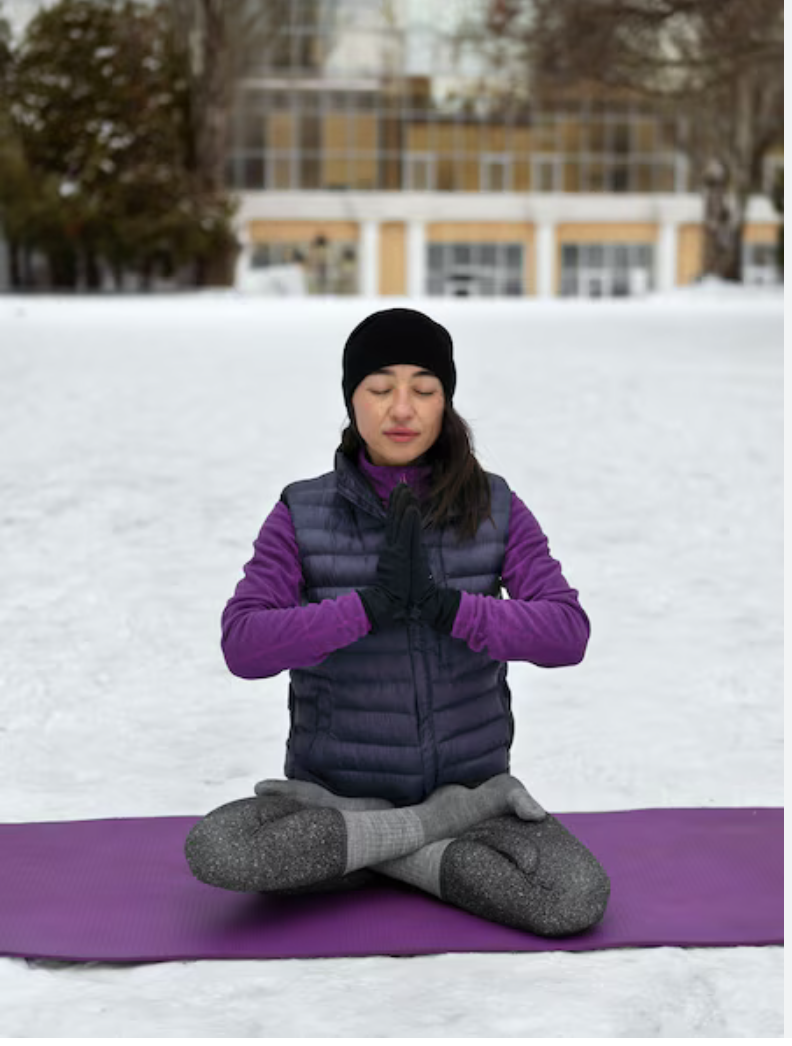
As the days get shorter and the temperatures drop, staying motivated to maintain a regular workout routine can be challenging. Yet, winter presents a unique opportunity to focus on indoor fitness, embrace winter sports, and optimize nutrition for overall well-being. With the right strategies, you can keep your fitness goals on track while making the most of the colder months.
Article by Fitcart.com
Winter Workouts: Embrace the Chill with exercise or Stay Cozy Indoors
Winter doesn’t mean you must stop exercising, but it may require more planning and preparation. Whether you prefer braving the elements or staying warm inside, here are some great options for winter workouts.
1. Outdoor Activities:
If you enjoy outdoor exercise, winter offers a host of unique and enjoyable sports that are perfect for staying active.
- Winter Walking: A great way to burn calories is to take a half-hour outdoor walk, preferably in greenery or a park, early in the morning. You will benefit from sunshine and fresh air, as well as physical and mental well-being.
- Winter Running: If you’re a runner, winter running can be exhilarating. The cold air can help improve endurance, and running on snow or ice adds an extra challenge. Just be sure to layer up, wear proper footwear with traction, and be mindful of the slippery conditions.
2. Indoor / Gym Workouts: Stay Cozy and Fit
The options for indoor workouts are endless for those who prefer to stay inside where it’s warm.
- Strength Training: Winter is a great time to focus on building muscle and improving strength. Resistance training, whether using weights, bands, or bodyweight exercises (like squats, push-ups, and lunges), can help you build lean muscle mass and increase metabolism.
- Yoga and Pilates: Indoor yoga classes improve flexibility, balance, and mental well-being. These practices help combat the stiffness that can arise from winter’s cold and promote relaxation and stress relief.
- HIIT (High-Intensity Interval Training): For those who prefer short, intense bursts of exercise, HIIT workouts are practical and can be done in the comfort of your home. HIIT can torch calories and build cardiovascular fitness through bodyweight exercises or with equipment like dumbbells.
- Cycling and Rowing: Indoor cycling (stationary bike) and rowing machines offer full-body, low-impact workouts that challenge the heart and muscles. Many gyms and fitness apps also provide virtual cycling classes or rowing challenges.
- Dance Workouts: Winter is the perfect time to try something new, like dance-based fitness classes like Zumba or hip-hop aerobics. These workouts are a fun way to stay active and can be done in the comfort of your living room.
Nutrition for Winter Fitness: Fueling Your Body for Success
The cold weather not only affects your activity levels but also impacts your body’s nutritional needs. Proper fueling is key to maintaining energy, supporting muscle recovery, and boosting immunity throughout the winter months.
1. Support Your Immune System
Winter brings the cold and flu season, so supporting your immune system through your diet is crucial. Nutrient-dense foods can help your body fight off infections and stay healthy.
- Vitamin C: Citrus fruits, bell peppers, broccoli, and leafy greens are excellent sources of vitamin C, which helps boost your immune function and may shorten the duration of illnesses.
- Zinc: Zinc plays a key role in immune system function. Good sources of zinc include lean meats, seeds, nuts, legumes, and whole grains.
- Probiotics: Foods like yogurt, kefir, kimchi, and sauerkraut contain probiotics that help promote a healthy gut, which is closely linked to immune health.
2. Boost Your Energy with Whole Foods
During winter, your body may crave heavier foods, but it’s essential to stay mindful of the quality of those foods to fuel your workouts and everyday activities.
- Complex Carbohydrates: Winter workouts require more energy, so focus on eating complex carbohydrates like whole grains (quinoa, brown rice, oats), starchy vegetables (sweet potatoes, winter squash), and legumes to provide steady, long-lasting energy.
- Lean Proteins: Protein is crucial for muscle repair and recovery. Good sources include lean meats (chicken, turkey), fish (salmon, tuna), eggs, tofu, and legumes. Post-workout meals should emphasize protein to rebuild muscles after exercise.
- Healthy Fats: Healthy fats are essential to your diet, especially during colder months. They help support cellular function and keep you feeling full and satisfied. Avocados, nuts, seeds, and olive oil are great options.
3. Stay Hydrated, Even in the Cold
You might not feel as thirsty in winter as in the summer, but staying hydrated is just as important. Cold air can dehydrate your body, especially if you’re working out in it. Drink plenty of water, and don’t forget that herbal teas, coconut water, and soups can all contribute to your hydration levels.
4. Warm-Up with Comforting, Nutrient-Dense Meals
Winter often makes us crave comforting, warm meals, allowing us to enjoy healthy, hearty dishes. Opt for:
- Soups and Stews: Load up on vegetables, lean proteins, and whole grains. These are easy to digest and provide plenty of nutrients. Adding beans or lentils can boost fiber and protein.
- Oatmeal: Oats are high in fiber and can be easily dressed with nuts, berries, and a drizzle of honey or maple syrup for a warming breakfast that will keep you full for hours.
- Roasted Vegetables: Roasting root vegetables (carrots, parsnips, beets), Brussels sprouts, and cauliflower makes a delicious side dish that’s high in fiber, vitamins, and antioxidants.
- Fresh Greens and seasonal fruits and vegetables are a great addition to the winter months as part of your daily diet.
Tips for Staying Motivated
- Set Realistic Goals: Whether running in the snow or mastering an indoor workout routine, having clear, achievable fitness goals can help you stay motivated through the winter months.
- Join a Fitness Class or Group: If you find it hard to stay motivated alone, join an indoor group fitness class or find a winter sports group to meet new people and stay accountable.
- Mix Things Up: Prevent winter workout burnout by trying new activities or changing your routine regularly to keep things fresh and exciting.
- Celebrate Small Wins: Every workout is an accomplishment, and progress can sometimes feel slow in the winter. Celebrate the small victories to keep up your enthusiasm.
Final Thoughts
Winter offers both challenges and opportunities regarding fitness and nutrition. Whether you prefer indoor workouts or outdoor winter activities, there are plenty of ways to stay active and motivated. You can stay healthy, strong, and energized throughout the colder months by fueling your body with nutrient-dense foods and maintaining a consistent workout schedule.
Embrace the season and turn winter into a time for physical and mental growth.
Fitcart believes in True Play and Clean Sport
#trustedbrandsbetterhealth