


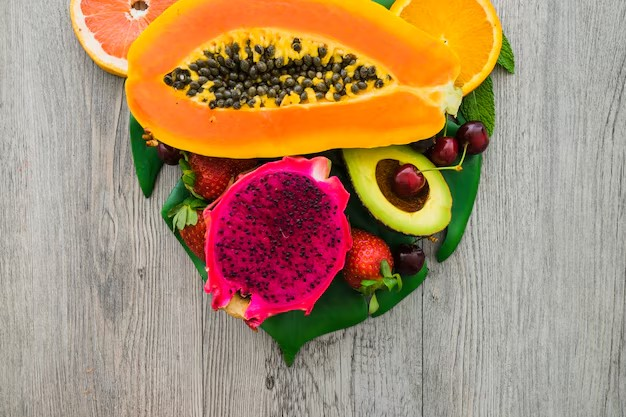
When you think of protein-rich foods, fruits probably aren’t the first things that come to mind. However, while fruits aren’t typically seen as protein powerhouses like meat, dairy, or legumes, some do contain more of this essential macronutrient than others. For vegans, vegetarians, or anyone seeking to add more variety to their diet, these high-protein fruits can help meet your nutritional needs—deliciously and naturally.
Article by Fitcart.com
Here’s a summary of the top protein-rich fruits to incorporate into your meals or snacks.
1. Guava
Protein per 100g: approximately 2.6 grams
Guava ranks highest among fruits for protein content. It is also abundant in fiber, vitamin C, and antioxidants. One medium guava can provide over 2 grams of protein, making it a tropical delight with significant nutritional benefits.
Tip: Enjoy it raw with a dash of salt and chili for a refreshing, protein-packed snack.
2. Avocado
Protein per 100g: about 2 grams
Avocados are well-known for their healthy fats, but they are also surprisingly rich in protein. They provide all nine essential amino acids, making them a complete protein source—though in lesser quantities than legumes or meat.
Tip: Incorporate sliced avocado into your toast, salads, or smoothies for a creamy protein boost.
3. Apricots (Dried)
Protein content per 100g: approximately 3.4 grams
Dried fruits, such as apricots, are richer in nutrients, including protein. Although fresh apricots have a lower protein content, the drying process increases density. They also deliver a good amount of iron and potassium.
Try snacking on a handful of dried apricots paired with almonds for a satisfying protein-rich combination.
4. Raisins
Protein content per 100g: approximately 3.1 grams
Raisins are a type of dried fruit that contains a respectable amount of protein. They are easy to pack, convenient to eat, and pair well with nuts and seeds for a balanced snack.
Tip: Incorporate them into oatmeal or trail mix for an energy-packed, protein-rich start to your day.
5. Jackfruit
Protein content per 100g: approximately 1.7 grams
Jackfruit is becoming increasingly popular as a meat substitute because of its texture, and it also offers a good amount of protein. In addition to protein, it’s rich in vitamin C, fiber, and various B vitamins.
Tip: Use young green jackfruit in savory dishes, or enjoy ripe jackfruit for a sweeter snack.
6. Blackberries
Protein per 100g: about 2 grams
These berries are not only rich in antioxidants and vitamin C, but they also contain more protein than most fruits. A cup of blackberries provides nearly 2 grams of protein.
Tip: Blend them into Greek yogurt or a smoothie for an added boost of flavor and protein.
7. Oranges
Protein content per 100g: ~0.9 grams
Oranges may not be the highest in protein among fruits, but they still provide some protein, along with a wealth of vitamin C, fiber, and hydration.
Tip: Mix orange slices with nuts or seeds to create a more protein-balanced snack.
8. Bananas
Protein content per 100g: approximately 1.1 grams
Bananas are well-known for their potassium, but they also contain a modest amount of protein. A medium banana has about 1.3 grams of protein.
Tip: Combine with peanut butter and almond milk for a tasty protein smoothie.
Other Significant Fruits:
- Peaches – approximately 0.9g per 100g
- Cherries – approximately 1g per 100g
- Dried Figs – approximately 3.3g per 100g
While fruits may not match chicken or tofu in protein content, they are essential for a balanced diet. Incorporating these protein-rich fruits into your meals or snacks provides not only protein but also fiber, antioxidants, vitamins, and minerals. Combine them with nuts, seeds, or yogurt to transform a simple snack into a protein-rich mini-meal.
Remember, it’s not only about how much protein you consume—it’s about enjoying a balance of nutrients from a variety of whole foods.
Fitcart believes in True Play and Clean Sport.
#trustedbrandsbetterhealth