


Suggested reading time: 10-12 minutes.
Fitcart Gut Health Series.
Author: Ritu Makhija.
Co-Founder, Fitcart.com.
Head of Editorial Team, Fitcart Blog.
Platform: Fitcart.com® | Health, Fitness, Nutrition and Wellness
Your gut does much more than digest food. It contains a complex community of microorganisms that interact with the nervous system, immune system and metabolic processes. Researchers are increasingly discovering that communication between the gut and brain may influence aspects of mood, stress responses, sleep and metabolic health.
This communication network is known as the gut-brain axis. It is a two-way system: the brain can affect gut function, while signals from the gut and its resident microbes can influence activity in the brain.
So, could looking after your gut also support your mental and metabolic wellbeing? The science is promising, but the details matter.
What is the gut-brain axis?
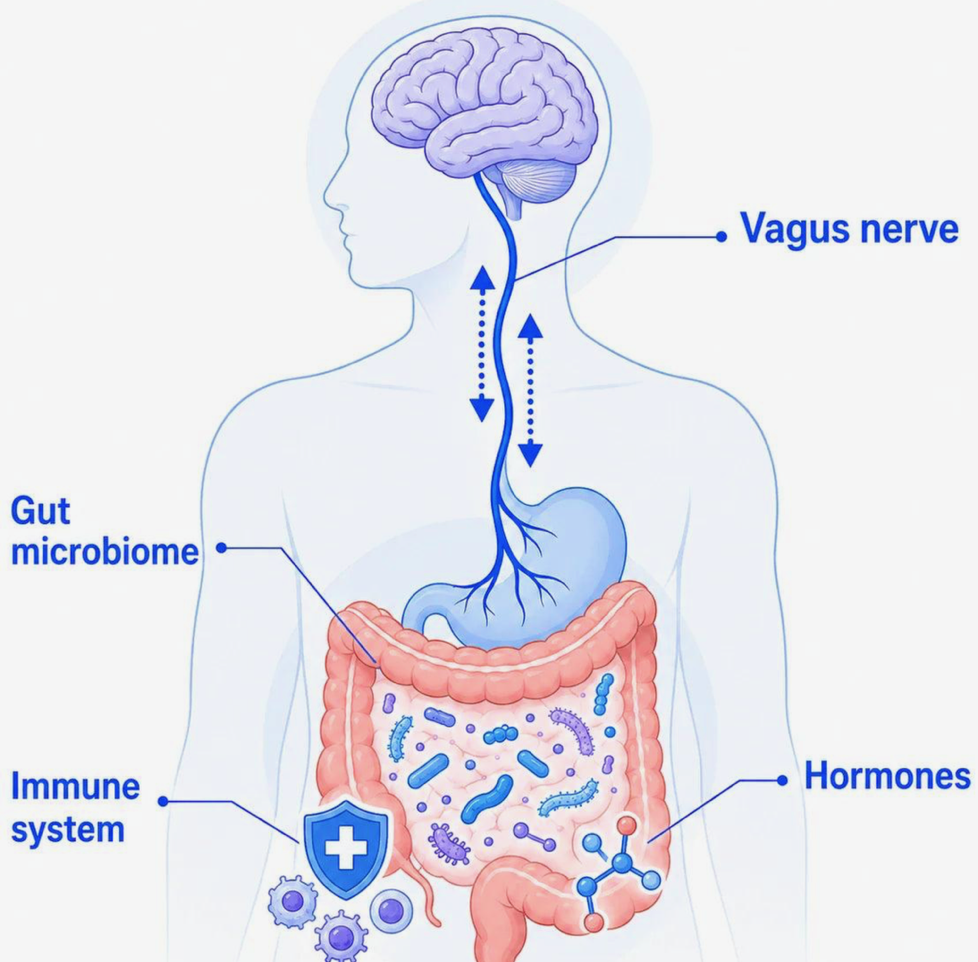
The gut-brain axis is the communication network linking the gastrointestinal tract with the central nervous system — the brain and spinal cord.
It involves several pathways working together:
- The vagus nerve: A major communication pathway carrying sensory information between the gut and brain.
- The enteric nervous system: Sometimes called the gut’s own nervous system, it helps regulate digestion and communicates with the central nervous system.
- The immune system: Immune signals and inflammatory molecules can influence both intestinal and brain function.
- Hormones and stress pathways: The hypothalamic-pituitary-adrenal (HPA) axis helps coordinate the body’s response to stress.
- Microbial metabolites: Gut microbes produce or modify substances that can affect intestinal cells, immune signalling and other body systems.
This means the gut is not simply responding to what we eat. It is also sending information about the body’s internal environment.
1. How the gut microbiome may influence mood and emotional wellbeing
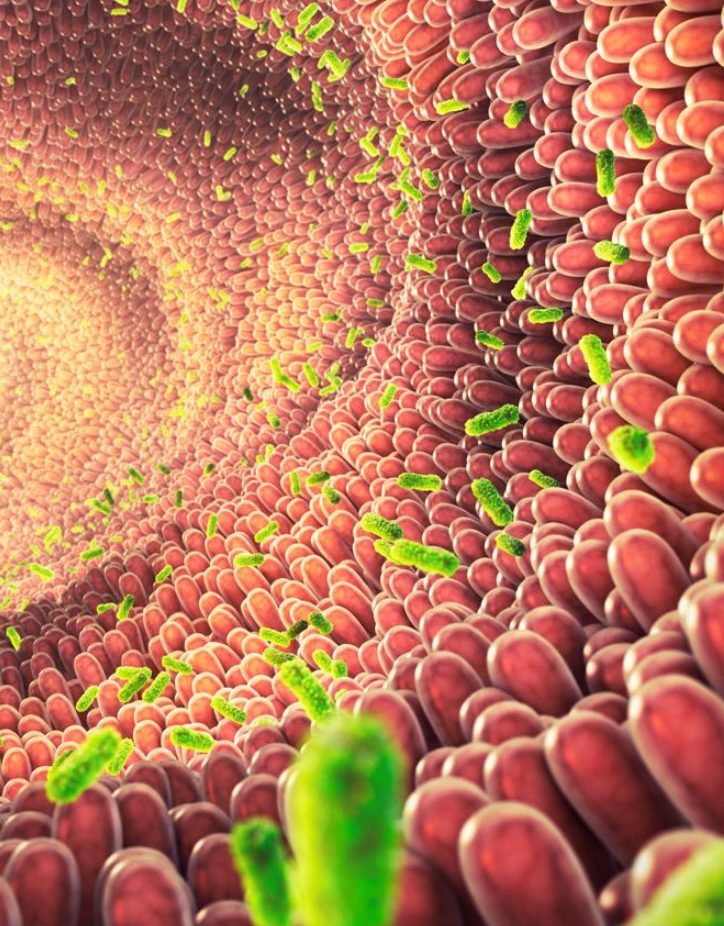
The gut microbiome consists of bacteria and other microorganisms living in the digestive tract. These organisms help break down components of food, produce metabolites and interact with the intestinal lining and immune system.
Some of these activities may influence pathways involved in mood and emotional regulation.
The role of serotonin and other chemical messengers
Serotonin is commonly associated with mood, but it also has important roles in the gastrointestinal tract.
A large proportion of the body’s serotonin is produced in the gut. However, gut-produced serotonin does not simply travel into the brain and act as a mood booster: serotonin itself does not readily cross the blood-brain barrier.
Instead, gut and microbial activity may influence the availability of chemical precursors, signalling pathways, immune activity and nerve communication that interact with brain function.
Researchers are also studying microbial interactions with other neuroactive compounds, including GABA, dopamine-related pathways and tryptophan metabolites. These are complex mechanisms, and their importance in human mental health is still being investigated.
The gut, stress and the nervous system
Stress can affect digestion, gut movement, sensitivity and bowel habits. This is one reason why people may experience abdominal discomfort, changes in appetite or altered bowel patterns during stressful periods.
Communication also works in the other direction. Signals from the gut may influence stress-response pathways and the nervous system.
Research has identified associations between gut microbial patterns and conditions such as anxiety and depression. However, association does not prove that an altered microbiome causes a mental health condition. Mental health is influenced by many factors, including genetics, environment, sleep, life experiences, physical health and social circumstances.
What this means: A varied, fibre-rich eating pattern can support gut health and overall wellbeing. It should be viewed as one part of a broader approach to mental health, not as a replacement for professional assessment or treatment.
2. The gut microbiome and sleep: a two-way relationship
Sleep and gut health appear to influence one another.
The body follows a circadian rhythm — an internal timing system that helps regulate sleep and wakefulness, hormone release, digestion, appetite and metabolism. Gut microbes also show daily patterns in their activity and composition.
Research suggests that sleep restriction, irregular sleep schedules and circadian disruption may be associated with changes in the gut microbiome. At the same time, microbial metabolites and gut-brain signalling may participate in pathways involved in sleep regulation.
Why sleep matters for gut health
Poor or irregular sleep can affect:
- Appetite and food choices
- Hunger and fullness signalling
- Glucose regulation and insulin sensitivity
- Stress hormones
- Digestive patterns and bowel regularity
The relationship is not one-directional. Digestive discomfort, bloating and bowel symptoms can also make it harder to sleep well.
Can probiotics improve sleep?
Some clinical trials have investigated whether specific probiotic strains can influence sleep quality. Reviews of randomised trials have reported potentially beneficial effects, but studies differ considerably in the strains used, doses, participants and outcome measures.
There is not enough evidence to recommend a generic probiotic as a proven treatment for insomnia or other sleep disorders.
For better sleep, start with the fundamentals:
- Keep a reasonably consistent sleep and wake time.
- Get natural daylight exposure during the day.
- Exercise regularly, while allowing time to wind down before bed.
- Avoid large, heavy meals close to bedtime if they cause discomfort.
- Limit caffeine later in the day.
- Seek medical advice for persistent insomnia, loud snoring, breathing pauses during sleep or significant daytime sleepiness.
3. The gut microbiome, metabolism and weight regulation
The gut microbiome is also being studied for its role in metabolic health.
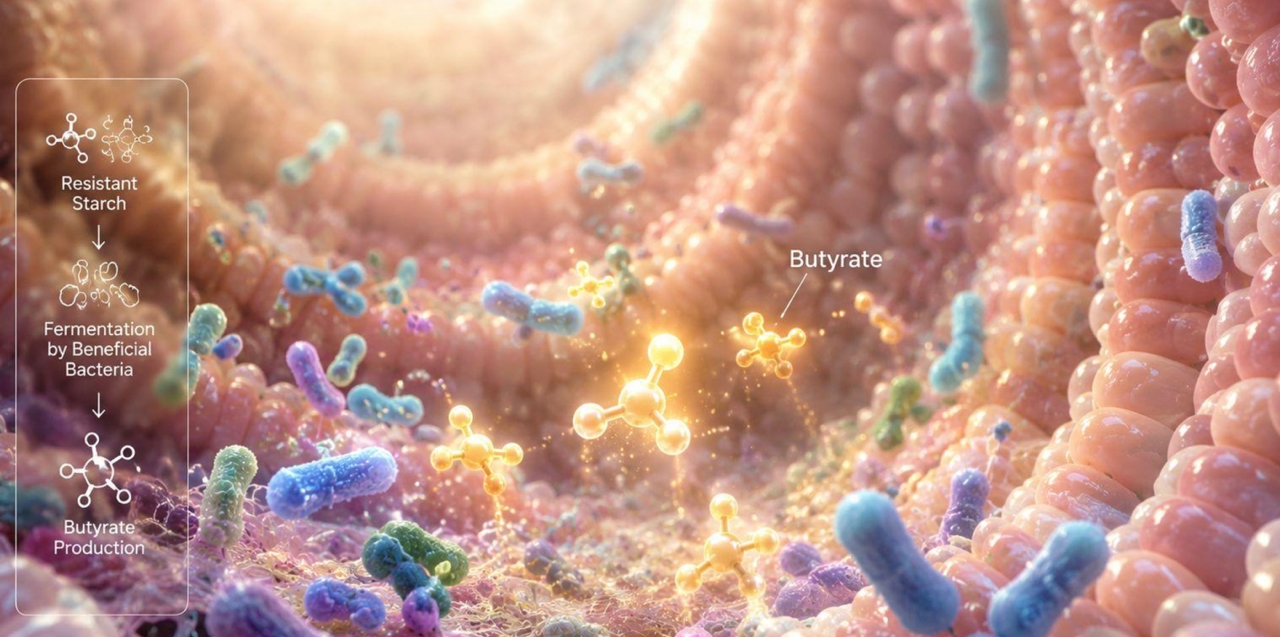
Gut microbes help break down dietary fibres and resistant starches that the human digestive system cannot fully digest on its own. In the process, they produce substances called short-chain fatty acids (SCFAs), including acetate, propionate and butyrate.
These metabolites have several functions, including supporting the intestinal lining and participating in metabolic and immune signalling.
Short-chain fatty acids and metabolic health
Butyrate is an important energy source for cells lining the colon. Other SCFAs can interact with receptors involved in gut hormone release and metabolic signalling.
Researchers are investigating how these pathways may influence:
- Glucose regulation and insulin sensitivity
- Appetite and satiety signalling
- Inflammation
- Energy metabolism
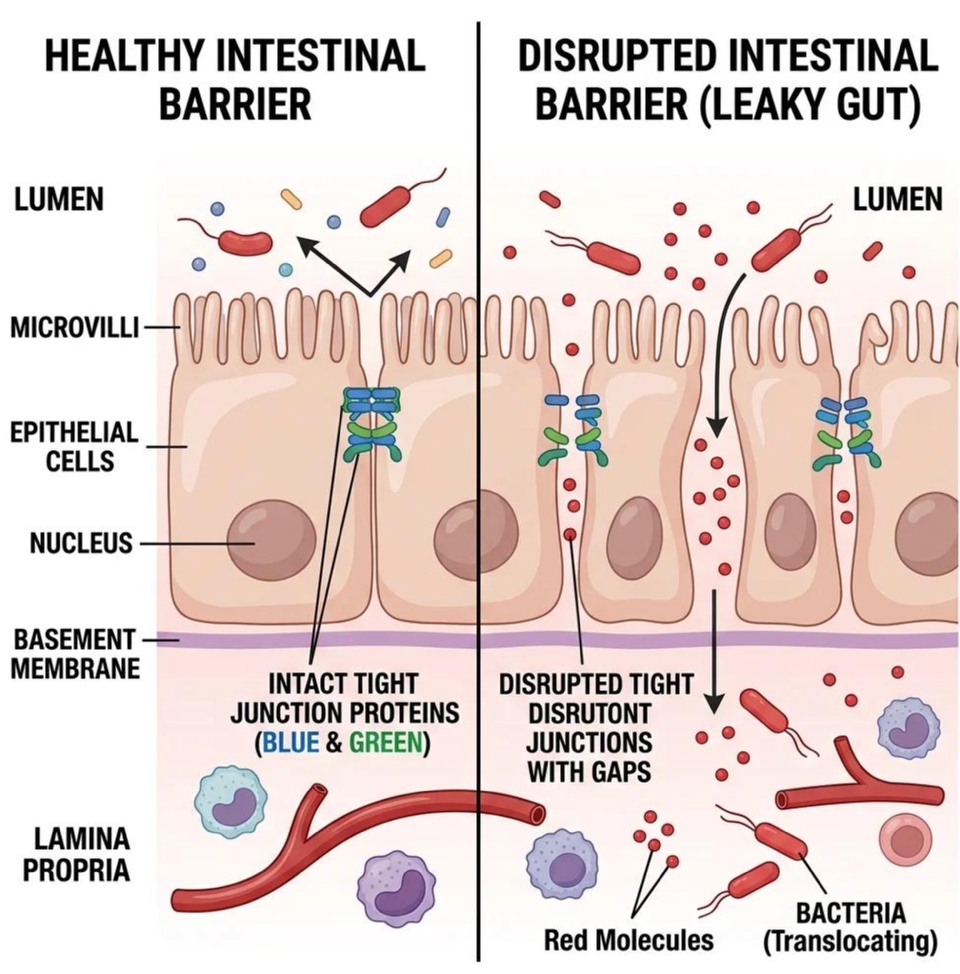
- Intestinal barrier function
However, the effects of the microbiome on body weight and metabolism are complex. No single bacterial species or microbiome profile has been established as a universal marker of a healthy weight.
Gut hormones, appetite and fullness
The intestine releases hormones involved in appetite and glucose regulation, including GLP-1 and PYY. These hormones help communicate information about food intake and energy status to the rest of the body.
Dietary fibre, digestion and microbial fermentation may influence some of these pathways. This is one reason that fibre-rich foods can support fullness and help make meals more satisfying.
It is important not to confuse this with medication. Eating prebiotic foods or taking a probiotic supplement has not been shown to reproduce the clinical effects of prescription GLP-1 medicines.
Does an unhealthy microbiome cause weight gain?
It is tempting to think of weight gain as a direct consequence of an imbalanced microbiome, but this is an oversimplification.
Body weight and metabolic health are shaped by many interacting factors: total dietary intake, food quality, physical activity, muscle mass, sleep, stress, hormones, genetics, medication and social environment.
The microbiome may be one contributor to this wider picture, but current evidence does not support treating it as the single cause of weight gain or difficulty losing fat.
4. How to nourish the gut-brain connection through food
One of the most practical ways to support a healthy gut microbiome is to regularly eat a varied diet containing fibre-rich plant foods.
Different microbes use different dietary components. Eating a wider variety of plant foods helps provide a range of fibres and other compounds that support microbial activity.
Fibre: nourishment for beneficial gut microbes
Useful sources include:
- Oats, barley and whole grains
- Lentils, chickpeas, rajma and other beans
- Vegetables such as carrots, beans, broccoli and leafy greens
- Fruits such as apples, guava, bananas, berries and citrus fruits
- Nuts and seeds, including almonds, walnuts, flaxseeds and chia seeds
Increase fibre gradually, particularly if your current intake is low, and drink enough fluids.
Prebiotic foods
Prebiotics are substances selectively used by microorganisms in the body that confer a health benefit. Some dietary fibres and related carbohydrates can act as prebiotics.
Examples include:
- Onion and garlic
- Leeks and asparagus
- Chicory root
- Legumes
- Oats
- Slightly green bananas
Not every fibre is a prebiotic, and different prebiotics support different microbial functions.
Fermented foods
Fermented foods can add variety to the diet and may contain live microorganisms, depending on how they are made and stored.
Examples include:
- Plain yoghurt or dahi with live cultures
- Kefir, where available
- Traditionally fermented vegetables
- Some fermented batters and foods such as idli and dosa
Fermented foods are not all probiotics. A food can be fermented without containing live microorganisms in the final product, and the microbial content varies by preparation.
Choose options that suit your digestion, dietary needs and food-safety requirements.
5. A practical Indian eating pattern for gut health
A gut-supportive eating pattern does not require expensive ingredients or a complicated supplement routine.
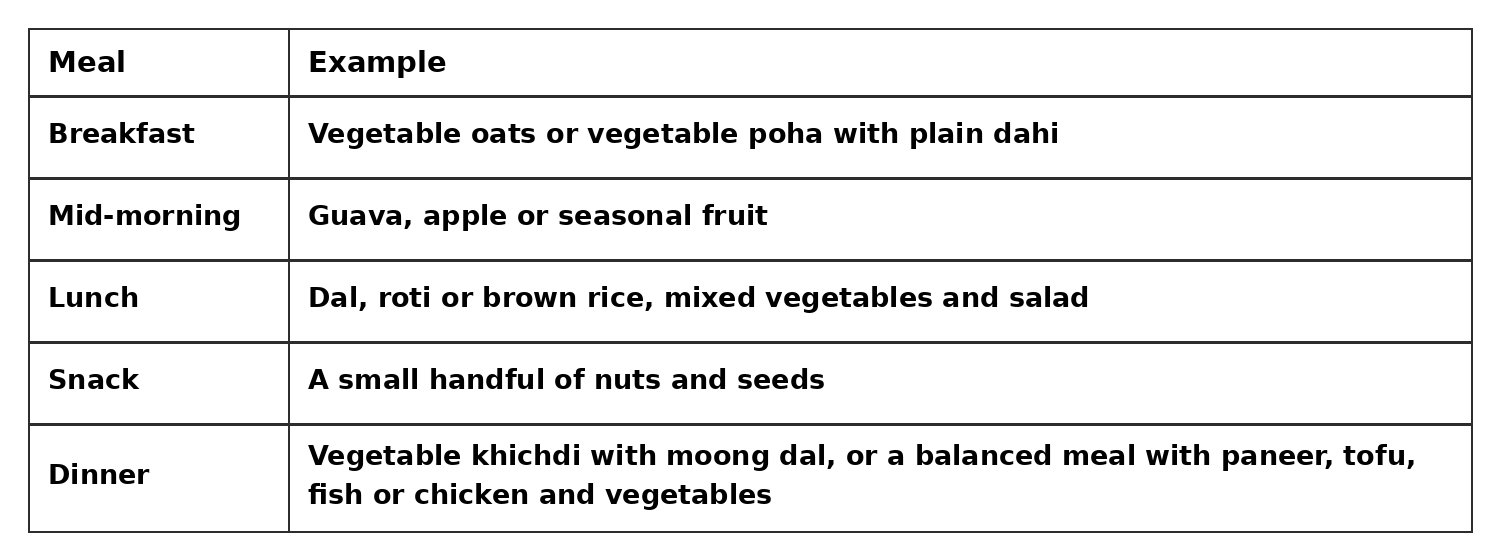
The aim is to include a variety of plant foods, adequate protein and appropriate portions, rather than relying on one so-called superfood.
For people who experience bloating or irritable bowel symptoms, some high-fibre foods may need to be introduced gradually or adjusted with professional guidance.
6. Do probiotics and prebiotics support the gut-brain axis?
Probiotics are live microorganisms that, when administered in adequate amounts, confer a health benefit on the host. Prebiotics are selectively utilised substances that support beneficial microorganisms. Synbiotics combine probiotics and prebiotics.
The term psychobiotics is sometimes used for probiotics or related interventions being investigated for possible effects on mental health through the gut-brain axis.
What does the research show?
Clinical research is exploring whether particular probiotic, prebiotic and synbiotic interventions may influence symptoms of anxiety, depression and sleep disturbance.
A 2025 systematic review and meta-analysis of 72 randomised controlled trials reported potential improvements in depression, anxiety and sleep outcomes. However, the authors also highlighted substantial variation between studies and limitations in the quality of the evidence.
This is an encouraging area of research, but it does not mean that all probiotics work in the same way or that supplements can treat mental health conditions.
Choosing a probiotic supplement
If considering a probiotic, look beyond the word “probiotic” on the label.
Check for:
- Clearly identified genus, species and strain
- The amount of live microorganisms, preferably stated through the end of shelf life
- Storage and handling instructions
- Relevant clinical research on the specific strain and intended use
- Transparent ingredient and allergen information
- Appropriate manufacturing and quality-control information
Different strains can have different effects. A product studied for digestive symptoms cannot automatically be assumed to improve mood, sleep or metabolism.
People who are seriously ill, immunocompromised or have complex medical conditions should consult a healthcare professional before using probiotic supplements.
What about other supplements?
Some nutrients are important for normal nervous-system and metabolic function, but supplementation is not automatically beneficial if dietary intake and nutrient status are already adequate.
- Omega-3 fatty acids: Important for normal cell function. Research into mood-related outcomes is ongoing, and results vary by population and formulation.
- Vitamin D and vitamin B12: Deficiency can affect health and wellbeing. Testing and appropriate correction may be useful when deficiency is suspected or confirmed.
- Magnesium: Involved in many physiological processes. Evidence for magnesium supplements as a general sleep or anxiety treatment remains mixed.
- Prebiotic fibre: Certain fibres may support microbial fermentation, but they can cause gas or bloating in some people.
- Probiotics: Potential benefits are strain- and condition-specific; they are not interchangeable.
Supplements should complement a balanced diet and appropriate healthcare, not replace them.
7. Everyday habits that support gut, brain and metabolic health
Food is important, but the gut-brain axis is influenced by more than diet.
- Move regularly. Walking, resistance training and other forms of physical activity support cardiovascular, metabolic and overall health. Regular movement can also help bowel function.
- Prioritise sleep. Consistent sleep routines support circadian regulation, appetite and metabolic health.
- Manage stress. Relaxation practices, breathing exercises, mindfulness, social connection and time outdoors may help manage stress. These are supportive habits, not substitutes for mental healthcare when it is needed.
- Eat regularly and mindfully. Pay attention to hunger, fullness and digestive comfort. Avoid unnecessary restrictive diets unless medically indicated.
- Build dietary variety gradually. A broad range of plant foods provides different fibres and polyphenols. Increase intake at a pace your digestive system tolerates.
8. When should you seek professional advice?
Persistent digestive symptoms should not automatically be attributed to an unhealthy microbiome.
Speak to a healthcare professional if you experience ongoing abdominal pain, persistent diarrhoea or constipation, unexplained weight loss, blood in your stool, recurrent vomiting or symptoms that interfere with daily life.
Similarly, persistent low mood, anxiety, sleep difficulties or changes in appetite deserve appropriate assessment. Mental health conditions are real medical conditions and should not be managed through supplements alone.
Commercial microbiome tests and broad claims about “fixing” gut bacteria should be approached cautiously. There is currently no single ideal microbiome profile that can diagnose or explain every person’s symptoms.
The Fitcart perspective: a science-led approach to gut and overall health
At Fitcart, we believe that nutrition, exercise, sleep and responsible supplementation should work together as part of a broader approach to health and wellbeing.
The gut-brain connection is an exciting area of scientific research, but it is also a reminder to be thoughtful about health claims. No single probiotic, prebiotic, food or supplement can guarantee better mood, deeper sleep or weight loss.
When choosing supplements, look for transparent ingredient information, clearly identified strains where relevant, appropriate quality controls and credible evidence for the intended use. Where available, batch-specific testing and recognised third-party quality programmes can add useful information about product quality and manufacturing standards. They do not, by themselves, prove that a product will deliver a particular health outcome.
Support your gut with variety. Support your health with consistency. Let science guide your choices.
Key takeaways
- The gut and brain communicate through neural, immune, hormonal and microbial pathways.
- Gut microbes produce metabolites, including short-chain fatty acids, that participate in intestinal and metabolic signalling.
- Sleep and gut microbial activity appear to influence one another, although much remains to be established.
- A diverse, fibre-rich diet is a practical foundation for supporting gut health.
- Probiotic effects are strain-specific; no generic probiotic is a proven treatment for anxiety, depression, insomnia or weight loss.
- Supplements should be selected carefully and used alongside appropriate nutrition and healthcare.
Health and Supplement Disclaimer
This article is intended for general educational and informational purposes only. It is not medical advice, a diagnosis or a substitute for consultation with a qualified healthcare professional.
Research into the gut microbiome and gut-brain axis is evolving. Associations between microbiome patterns and health outcomes do not necessarily establish cause and effect. Evidence for probiotics, prebiotics and other supplements varies by strain, formulation, dose, population and health condition.
Do not use supplements to replace prescribed medication, medical treatment or professional mental healthcare. Consult a qualified healthcare professional before starting supplementation, particularly if you are pregnant, breastfeeding, taking medication, immunocompromised or managing a medical condition.
Product quality testing and third-party certification may provide information about identity, purity or manufacturing standards, depending on the programme and scope of testing. They do not guarantee clinical effectiveness or suitability for every individual.
Fitcart.com® supports informed health choices through evidence-led education and responsible product information.
Follow us on X: https://x.com/fitcartofficial and Instagram: https://www.instagram.com/fitcartofficial/ for the latest updates, health insights, and exclusive content.
Follow Smart Nutrition India X: https://x.com/SmartNutrition1 and Instagram: https://www.instagram.com/smartnutritionindia/ for trusted sports nutrition, supplement education, wellness tips, and the latest news from the world of health and performance.
Fitcart believes in True Play and Clean Sport
#trustedbrandsbetterhealth