


Article by Science in Sport & Dr Marc Fell.
Why Chewable Caffeine Works Differently.
When it comes to performance, it’s not only what you consume that matters; it’s how your body absorbs it. That’s where caffeine gum comes in. Traditional caffeine options, such as shots, drinks, gels, tablets, or capsules, must pass through the stomach and digestive system before entering the bloodstream.
When chewed, caffeine is absorbed directly through the mouth and oesophagus, with only a small amount passing through the gut. Research shows that around 85% of the caffeine delivered via gum can be absorbed within just 15 minutes1, allowing it to reach circulation and act on key targets in the brain, significantly faster than swallowed sources. By comparison, caffeine consumed in drinks, tablets, or capsules typically takes 20–30 minutes to enter the bloodstream and may not reach peak levels for up to an hour.
In practical terms, this delivery provides a more rapid and predictable onset of effects, making caffeine gum a useful option when timing and precision matter most during training or competition.
The faster uptake means effects may begin closer to when you need them. Whether you’re heading into a workout, entering the final quarter of a game, or pushing through the later miles of a run, caffeine gum provides a precise and convenient option. Many athletes also find gum easier on the stomach, particularly during high-intensity activity where gastrointestinal comfort can affect performance.
The Science Behind Caffeine
Caffeine is one of the most researched performance ingredients in sports nutrition3, and is widely recognized for its ability to improve alertness and reduce perceived fatigue across almost all types of sport and exercise. It has been consistently shown to support both physical and cognitive aspects of performance in endurance and team-based activities. Reported benefits include improvements in power output, time to exhaustion, sprint speed, repeated sprint ability, strength, and jump height.
Its primary mechanism is a central nervous system stimulant. During prolonged wakefulness or exercise, a compound called adenosine accumulates in the brain. Adenosine binds to receptors that signal tiredness, essentially telling your body it is time to slow down.
Caffeine competes with adenosine for these receptors. Blocking them reduces the sensation of fatigue and increases feelings of alertness and readiness. This effect is often accompanied by mild stimulation of the nervous system, including increased adrenaline release, which can enhance focus, reaction time, and motivation.
Alongside its effects on alertness and focus, caffeine also influences how the body uses fuel during exercise, increasing the use of fat for energy during moderate intensity sessions, therefore decreasing the reliance on carbohydrate stores. This ensures carbohydrates can be used for energy in the later stages of exercise to sustain high levels of performance. Additionally, caffeine may also enhance muscle glycogen replenishment after exercise.
Who Benefits From Caffeine Gum, and How to Use It
Caffeine gum can benefit both recreational and elite athletes, though usage strategies may differ. Casual exercisers might use it before training to enhance focus or overcome low-energy days, while competitive athletes often apply it more strategically, before kick-off, at half-time, or during endurance events, where precise timing can influence performance outcomes.
Research indicates that effective caffeine doses typically fall within the range of 2 – 6 mg per kilogram of body mass. Within this range, caffeine gum has consistently shown to enhance performance across a variety of sports such as soccer and rugby, supporting endurance performance in running and cycling, as well as strength and power-based exercise tests.
Additionally, when athletes are strategically commencing exercise with low muscle glycogen availability and/or performing fasted exercise, caffeine consumed beforehand may partially restore performance capacity toward levels seen when glycogen stores are sufficient.
From a practical standpoint, a common evidence-based starting approach with caffeine gum is to chew one piece about 15 minutes before activity, providing 100 mg of caffeine. For longer sessions or competitions, an additional piece can be chewed later to help maintain effects. Because responses to caffeine vary between individuals, athletes should trial intake during training rather than competition and account for other caffeine sources consumed throughout the day.
This flexibility in dosing and timing makes gum particularly useful in sports with unpredictable pacing or limited fueling opportunities, from field sports to cycling and running, where rapid cognitive and physical readiness may provide an advantage.
Evidence in Practice
Caffeine use is highly prevalent in elite sport, with research suggesting that around 75% of athletes report consuming it before and/or during competition3. This widespread adoption reflects both the depth of supporting evidence and the practical benefits athletes experience in real performance environments.
When used strategically, including in gum form, athletes commonly report feeling mentally sharper, more motivated, and better able to sustain effort late in competition. While individual responses to caffeine vary, consistent findings across a wide range of sports reinforce its role as a reliable ergogenic aid, supporting both cognitive and physical aspects of performance.
Conclusion
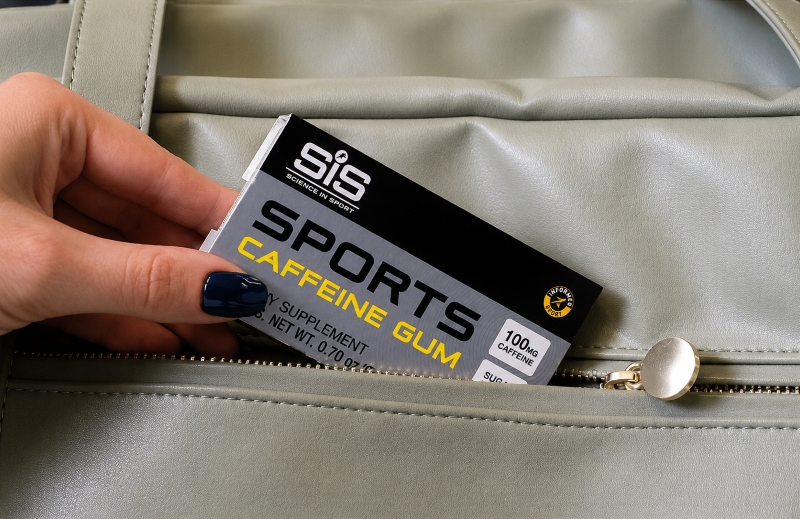
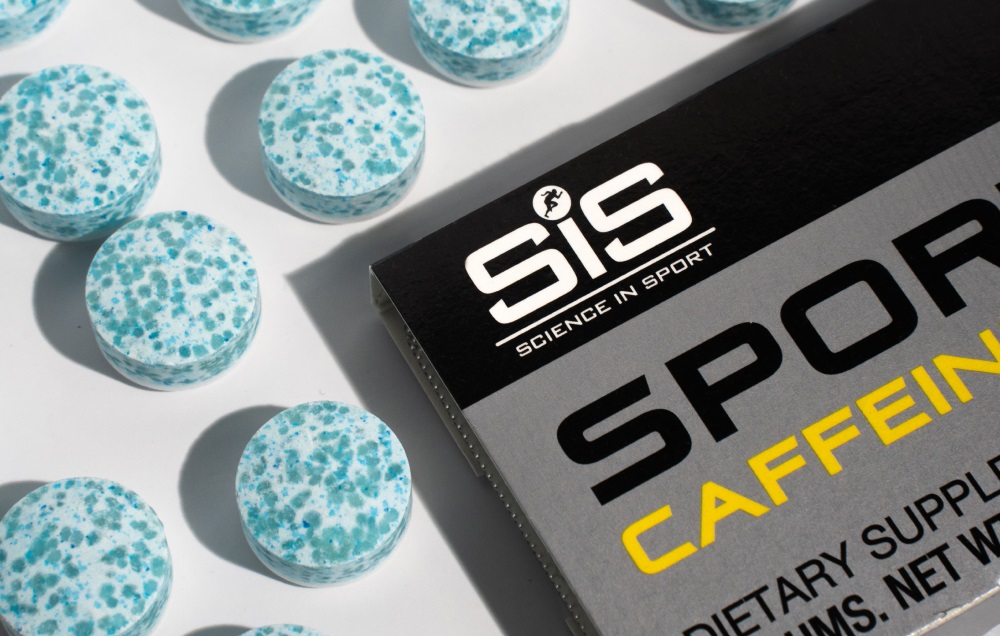
SiS Sports Caffeine Gum combines well-established physiology with a delivery format tailored to real-world performance demands. By enabling faster absorption and flexible timing, it offers athletes a practical tool for supporting alertness, focus, and sustained effort. When integrated thoughtfully into a broader nutrition strategy and tested ahead of competition, caffeine gum represents an accessible, science-driven option for athletes ranging from day-to-day exercisers to professionals.
Follow us on X: https://x.com/fitcartofficial and Instagram: https://www.instagram.com/fitcartofficial/ for the latest updates, health insights, and exclusive content.
Follow Smart Nutrition India X: https://x.com/SmartNutrition1 and Instagram: https://www.instagram.com/smartnutritionindia/ for trusted sports nutrition, supplement education, wellness tips, and the latest news from the world of health and performance.
Fitcart believes in True Play and Clean Sport
#trustedbrandsbetterhealth