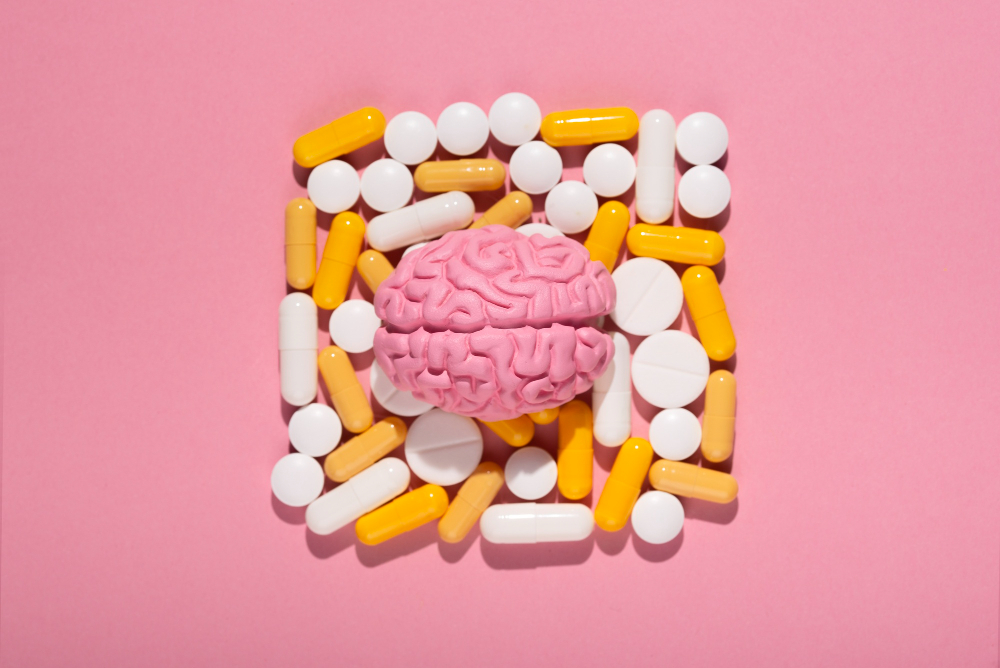




Children today face a range of mental health challenges, from anxiety and depression to stress and social difficulties. While psychological support and counseling are essential, physical health factors such as nutrition, exercise, and certain supplements can significantly support children’s mental well-being. Good nutrition can enhance mood regulation, cognitive function, and emotional resilience, while regular exercise can reduce anxiety, boost mood, and improve sleep. Some supplements, when used appropriately, can support mental health by addressing specific nutrient deficiencies that impact brain function and mood.
Article by Fitcart.com
We explain how nutrition, exercise, and specific health supplements can help children cope with mental health challenges.
1. Nutrition: The Foundation for Mental Health
A balanced diet is crucial for children’s physical and mental development. Proper nutrition provides the building blocks for brain function, emotional regulation, and overall well-being.
Key Nutrients for Mental Health:
- Omega-3 Fatty Acids: Omega-3s in fatty fish (such as salmon, mackerel, and sardines), flaxseeds, chia seeds, and walnuts are critical for brain health. Studies show that omega-3 fatty acids can help reduce symptoms of depression and anxiety. They support brain function by promoting healthy neurotransmitter activity, improving mood, and enhancing cognitive performance.
- B Vitamins (Especially B6, B12, and Folate): B vitamins are essential for producing neurotransmitters like serotonin and dopamine, which regulate mood and emotional responses. Deficiencies in B vitamins have been linked to mood disorders and cognitive impairments. Good sources include eggs, dairy, lean meats, leafy greens, beans, and fortified cereals.
- Vitamin D: Vitamin D is essential for brain health and emotional regulation. Low levels of vitamin D have been linked to an increased risk of depression and anxiety. Children can get vitamin D from sunlight, fortified foods (like milk and cereals), and fatty fish.
- Magnesium: Magnesium regulates stress and promotes relaxation. A magnesium deficiency may contribute to anxiety, irritability, and sleep disturbances. Foods rich in magnesium include nuts, seeds, whole grains, leafy greens, and legumes.
- Zinc: Zinc is involved in brain function and the regulation of neurotransmitters. Low zinc levels have been associated with depression, irritability, and cognitive issues. Zinc can be found in meat, shellfish, legumes, seeds, and dairy.
- Protein: Amino acids, the building blocks of protein, are essential for creating neurotransmitters that regulate mood. Lean meats, poultry, fish, eggs, beans, and nuts are good protein sources.
- Complex Carbohydrates: Complex carbs help maintain stable blood sugar levels, essential for balanced energy and mood. Whole grains, fruits, vegetables, and legumes are all excellent sources of complex carbohydrates.
Dietary Guidelines for Supporting Mental Health:
- Regular Meals and Snacks: Skipping meals or having irregular eating patterns can cause blood sugar fluctuations, leading to irritability and low mood. Encourage regular meals and healthy snacks throughout the day to stabilize energy levels.
- Limit Sugar and Processed Foods: Diets high in sugar and processed foods can contribute to mood swings, energy crashes, and inflammation, all of which can negatively impact mental health. Reducing sugary snacks and refined carbohydrates can support emotional balance.
- Hydration: Dehydration can affect mood, cognition, and energy levels. Ensuring children drink enough water throughout the day can improve concentration and mood.
2. Exercise: A Natural Mood Booster
Regular physical activity is one of the most effective ways to support children’s mental health. Exercise has a direct, positive impact on brain chemistry, stress levels, and emotional regulation.
Benefits of Exercise for Mental Health:
- Reduces Anxiety and Depression: Exercise increases the production of endorphins and serotonin, chemicals in the brain associated with happiness and well-being. Regular physical activity has been shown to reduce symptoms of anxiety and depression in children and teens.
- Improves Sleep Quality: Physical activity promotes better sleep by regulating the body’s internal clock and encouraging relaxation. Better sleep improves emotional regulation and cognitive function, reducing the risk of mood swings and stress.
- Boosts Self-Esteem: Regular exercise improves physical fitness, enhancing a child’s body image and self-confidence. Achieving goals in sports or other physical activities can also provide a sense of accomplishment, improving overall well-being.
- Reduces Stress: Exercise is an excellent way for children to release pent-up energy and stress. Physical activity helps lower cortisol levels (the stress hormone) and provides a natural, healthy outlet for emotions.
- Improves Social Skills: Team sports or group activities like dance, swimming, or martial arts can help children develop social skills, form friendships, and feel a sense of belonging—factors that can positively influence mental health.
Exercise Guidelines for Children:
- Aim for at least 60 minutes of physical activity per day, such as Sports, walking, cycling, swimming, or simply playing outside with friends. If you are part of a sports team, this is an excellent way to stay active and motivated.
- Incorporate both aerobic and strength-building exercises. Activities like running, cycling, or swimming are great for cardiovascular health, while yoga, Pilates, or strength training can help build physical resilience and promote relaxation.
- Make it fun: The best way to ensure children stay active is to make exercise enjoyable. Encourage them to participate in activities they love, whether playing a sport, dancing, or hiking in nature.
3. Health Supplements to Support Mental Well-Being
While a balanced diet is the best way to provide essential nutrients, some children may have specific nutritional deficiencies that can impact their mental health. In such cases, supplements may help fill the gap, but they should always be taken under the guidance of a healthcare provider. Ensure the vitamins and supplements are from a Trusted source and batch-tested for clean ingredients.
Supplements for Children’s Mental Health:
- Omega-3 Fatty Acids (Fish Oil): A supplement may be beneficial if children do not consume enough omega-3-rich foods. Omega-3 supplements, often in the form of fish oil, have been shown to reduce symptoms of depression and anxiety.
- Vitamin D: A supplement may help improve mood and overall mental health if a child has low vitamin D levels. This is particularly important in areas with long winters or children with little time outdoors.
- Magnesium: Magnesium supplements can be helpful for children who are deficient in this mineral, especially if they are experiencing anxiety, trouble sleeping, or muscle tension. Magnesium glycinate or citrate are gentle forms of supplementation.
- Probiotics: Gut health is important in mental health, as the gut and brain are closely connected. A healthy gut microbiome can support mood regulation and reduce anxiety. Probiotics may be helpful, especially if a child has digestive issues or has taken antibiotics.
- B Vitamins (B6, B12, Folate): If a child’s diet lacks B vitamins, supplementation may be considered, particularly if they have fatigue, low mood, or irritability. B-vitamin complexes are commonly available in pediatric formulas.
- Zinc: Zinc plays a role in mood regulation and cognitive function. Supplementing with zinc can benefit children with deficiencies, particularly those with poor appetite or picky eating habits.
Important Considerations:
- Consult a Healthcare Provider: Before giving children any supplements, it’s essential to consult with a pediatrician or healthcare provider to assess their individual needs and avoid over-supplementation.
- Quality Matters: Choose high-quality supplements from reputable brands. Supplement potency and safety can vary greatly. Buy from a trusted source and ensure the product has been batch-tested and is safe for your Child’s age group.
Conclusion: A Holistic Approach to Mental Health
Supporting children’s mental health requires a holistic approach that includes proper nutrition, regular exercise, and, when necessary, targeted supplements. A balanced diet rich in omega-3s, B vitamins, magnesium, and other key nutrients can provide the foundation for mental well-being, while regular physical activity boosts mood and reduces anxiety. Supplements, when used appropriately, can help address specific deficiencies that may contribute to mental health challenges.
By promoting healthy habits in these areas, parents and caregivers can equip children with the tools to cope with stress, build resilience, and thrive emotionally. As always, it’s essential to maintain a supportive and open environment where children feel safe to express their feelings and seek help when needed.
Fitcart believes in True Play and Clean Sport
#trustedbrandsbetterhealth