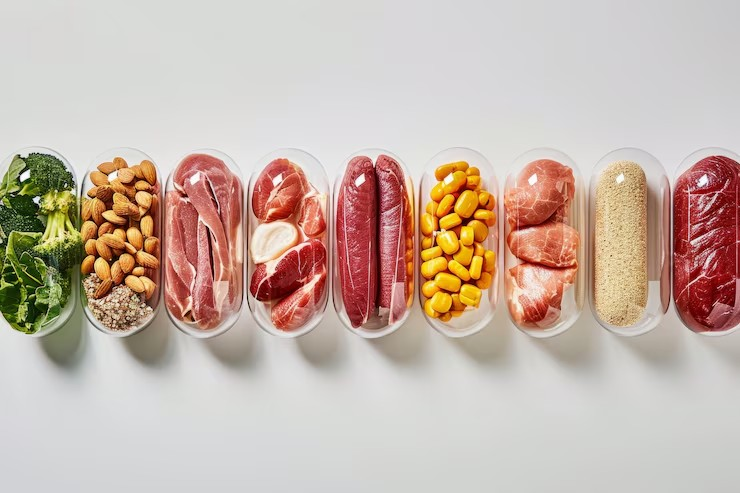



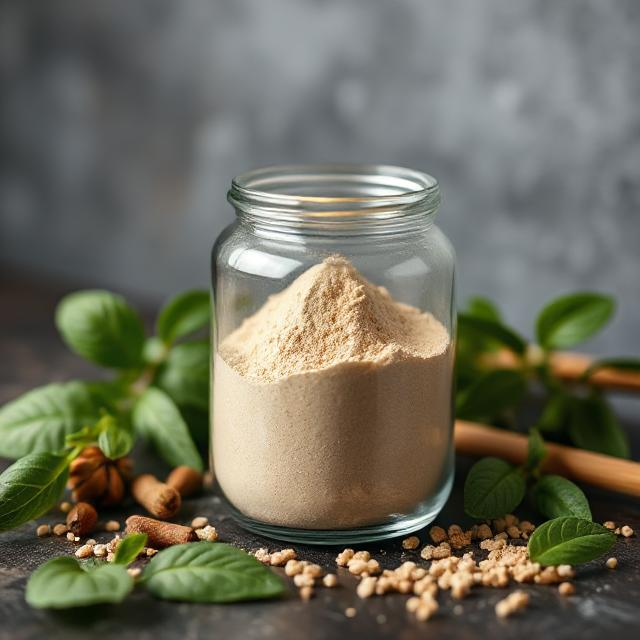
Proper nutrition supports athletes’ performance, recovery, and overall health in sports and fitness. With the rise of plant-based diets, many athletes, including those in India, are turning to plant protein as a primary source of muscle repair and growth. Plant proteins derived from legumes, seeds, grains, and vegetables offer a variety of benefits. Still, some potential drawbacks are also to consider, particularly for athletes who follow vegetarian or vegan diets. Additionally, it’s vital for these athletes to be aware of the vitamins and nutrients that may be lacking in a plant-based diet and to ensure they’re addressing those gaps.
Article by Fitcart.com
This blog examines the advantages and disadvantages of plant protein for athletes, particularly Indian athletes who follow vegetarian or vegan diets. It also highlights the key vitamins they need to supplement to enhance their performance.
What is Plant Protein?
Plant protein refers to protein derived from plants such as legumes (lentils, chickpeas), seeds (chia, hemp), grains (quinoa, rice), and nuts (almonds, peanuts). Unlike animal protein, plant-based protein sources typically contain a wider variety of nutrients. Still, some plant proteins are “incomplete,” meaning they don’t include all nine essential amino acids required for muscle building and repair. Combining plant protein sources can address this issue and provide a complete amino acid profile.
Benefits of Plant Protein for Athletes
1. Rich in Nutrients
Plant-based proteins offer more than just protein. They are rich in fiber, antioxidants, vitamins, and minerals, contributing to better overall health and improved athletic performance. For example, lentils are packed with iron, quinoa is a complete protein with all nine essential amino acids, and hemp seeds are rich in healthy fats. These nutrients help enhance endurance, boost immunity, and aid muscle repair, which are crucial for athletes.
2. Better Digestion and Gut Health
Plant proteins are generally easier on the digestive system than animal proteins, which can be harder to digest. Many plant protein sources are high in fiber, which promotes gut health and helps regulate digestion. A healthy gut is vital for nutrient absorption and overall wellness, contributing to faster recovery and better performance.
3. Sustainability and Environmentally Friendly
Plant-based proteins are a more sustainable choice compared to animal-based proteins. Producing plant protein requires fewer natural resources such as water, land, and energy, making it eco-friendly. Indian athletes who are environmentally conscious may prefer plant proteins because they have a lower carbon footprint, contributing to more sustainable eating habits and reducing the environmental impact of their diet.
4. Lower Saturated Fat
Plant-based protein sources are generally lower in saturated fat and cholesterol than animal-based proteins, making them heart-healthy. This is particularly important for athletes who rely on cardiovascular fitness, as maintaining a healthy heart is essential for endurance and overall athletic performance.
5. Weight Management
Plant protein can be an effective option for athletes to maintain or reduce body fat. Many plant-based protein sources are lower in calories than animal proteins, making it easier to stay within a desired calorie range without sacrificing nutrient intake. Additionally, the fiber content in plant protein helps promote satiety, reducing the likelihood of overeating.
Drawbacks of Plant-Based Protein for Athletes
1. Incomplete Protein Sources
One of the main drawbacks of plant protein is that many plant-based proteins are “incomplete.” This means they lack one or more of the nine essential amino acids the body cannot produce independently. For example, beans are low in methionine, and grains are low in lysine. As a result, athletes must carefully combine different plant protein sources to ensure they get a full spectrum of amino acids. A typical combination is pairing lentils with rice or quinoa with chickpeas.
2. Lower Protein Density
Plant proteins are often less protein-dense than animal proteins. For example, a serving of chicken or fish might provide 20-30 grams of protein, whereas a serving of beans or lentils may only offer 10-15 grams. Athletes may need to consume more significant portions of plant-based foods to meet their protein requirements, which can be challenging during intense training or competition.
3. Digestive Discomfort
Although plant proteins are generally easier to digest, some athletes may experience digestive discomfort when consuming large amounts of legumes or high-fiber foods. Issues like bloating, gas, and cramping can interfere with an athlete’s ability to perform, especially when consumed shortly before training or competition. Athletes may need to experiment with different plant protein sources or consider enzyme supplements to reduce discomfort.
4. Potential Deficiencies in Essential Nutrients
While plant protein is nutrient-rich, it often lacks specific vitamins and minerals that are available in animal products. Vegetarians and vegans may experience deficiencies in nutrients such as vitamin B12, vitamin D, iron, omega-3 fatty acids, and calcium. These deficiencies can impact energy levels, immune function, muscle recovery, and overall athletic performance.
Key Nutrients Indian Vegetarian/Vegan Athletes Should Focus On
Indian athletes following a vegetarian or vegan diet need to pay close attention to the following nutrients, as these may be lacking in a plant-based diet:
1. Vitamin B12
Vitamin B12 is essential for energy production, red blood cell formation, and nerve health. It is found primarily in animal products, so vegetarian and vegan athletes may need to take B12 supplements or consume fortified foods (such as plant-based milk or breakfast cereals). A B12 deficiency can lead to fatigue, weakness, and poor recovery, hindering athletic performance.
2. Iron
Iron is vital for oxygen transport and energy production. Plant-based foods like lentils, spinach, and tofu provide non-heme iron, which is less efficiently absorbed by the body than heme iron found in animal products. Vegetarian and vegan athletes should pair iron-rich foods with vitamin C (found in citrus fruits, bell peppers, and tomatoes) to enhance absorption. Iron supplements may be necessary in some cases, especially for endurance athletes.
3. Omega-3 Fatty Acids
Omega-3 fatty acids reduce inflammation and support heart health, particularly EPA and DHA. These fats are primarily found in fatty fish, so plant-based athletes should consider supplementing with algal oil, a plant-based source of omega-3s. Flaxseeds, chia seeds, and walnuts also provide ALA (another type of omega-3), but the body needs to convert ALA into EPA and DHA, which is less efficient.
4. Vitamin D
Vitamin D is key in bone health, immune function, and muscle recovery. While sunlight can stimulate the body to produce vitamin D, many vegetarian and vegan athletes may not get enough from food sources. Foods like fortified plant milk and fortified cereals can provide some vitamin D, but supplementation might be necessary, particularly for athletes in areas with limited sunlight.
5. Calcium
Calcium is crucial for bone health and muscle function. While dairy products are rich in calcium, plant-based sources like fortified plant milk, leafy greens (such as kale and collard greens), and tofu can also contribute to calcium intake. In particular, Vegans should ensure they get enough calcium through fortified foods or supplements.
Optimizing Plant Protein for Indian Athletes
Plant protein offers numerous benefits for Indian athletes, including its nutrient-dense profile, digestibility, and sustainability. However, athletes who follow vegetarian or vegan diets must be proactive in addressing potential nutrient gaps, especially regarding vitamins and minerals that are less abundant in plant-based sources foods.
By consuming a variety of plant proteins, supplementing with key nutrients like B12, iron, and omega-3s, and working with a nutritionist to design a personalized diet plan, Indian athletes can harness the power of plant-based nutrition while ensuring they meet all their nutritional needs for optimal performance. With the right approach, plant protein can become a powerful ally in achieving athletic goals, supporting recovery, and enhancing overall well-being.
** Important Advisory:
Purchase from Trusted Sources and Consult Healthcare Professionals ** When buying plant protein supplements, it is crucial to select products from trusted sources that have undergone third-party testing for quality, purity, and safety. Not all supplements are created equal; some may contain contaminants, heavy metals, or unlisted ingredients that could affect your health or performance. Look for brands that have their products tested and certified by reputable organizations, confirming they are free of banned substances and contaminants.
Before beginning any supplement program, consulting with a healthcare professional or certified nutritionist is strongly recommended. They can assist you in assessing your unique nutritional needs and determining if supplementation is necessary. This is particularly important for athletes with specific dietary restrictions or those new to plant-based nutrition. A healthcare professional can provide guidance on appropriate dosages and potential interactions with other supplements or medications, ensuring a safe and effective supplementation strategy tailored to your health and athletic goals.
Fitcart believes in True Play and Clean Sport.
#trustedbrandsbetterhealth