



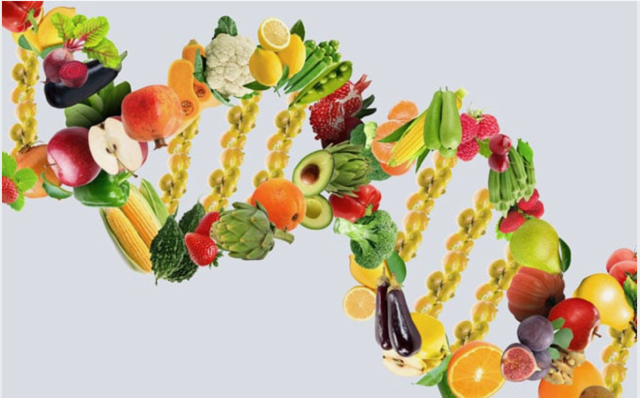
The idea that there are better approaches than one-size-fits-all nutrition has gained significant traction in recent years. Advances in genomics and biotechnology have opened the door to a new era of personalized nutrition—a tailored approach to diet based on an individual’s genetic makeup. This innovative concept transforms how we think about food, health, and disease prevention. By aligning our diets with our genetic predispositions, we can optimize our well-being, prevent chronic illnesses, and achieve better health outcomes.
Article by Fitcart.com
What is Personalized Nutrition?
Personalized nutrition is an emerging field that uses genetic information to craft dietary plans tailored to an individual’s needs. This approach considers how a person’s genes affect their metabolism, nutrient absorption, food preferences, and susceptibility to various health conditions. It’s more than just eating the right foods—understanding how they interact with your unique genetic profile.
Rather than relying on generalized nutrition advice, personalized nutrition provides insights that allow individuals to make more informed decisions about what, how, and when they eat. This can involve tailoring macronutrient ratios (like proteins, fats, and carbs), micronutrient intake (vitamins and minerals), and meal timing based on one’s genetic predisposition.
How Does Genetics Influence Nutrition?
Genetics plays a pivotal role in how our bodies process food. For example, genetic variations can influence:
- Metabolism of Macronutrients: Some people may naturally burn carbohydrates more efficiently, while others may be predisposed to metabolize fats better. A person’s genetic code can determine how well they process and utilize different macronutrients, influencing their energy levels and weight management.
- Micronutrient Requirements: Certain genes affect how well we absorb, transport, and metabolize essential vitamins and minerals. For example, individuals with specific genetic variants may require more vitamin D, iron, or folate than others.
- Food Sensitivities: Genetics can also determine a person’s susceptibility to food intolerances, such as lactose intolerance or gluten sensitivity. Understanding these genetic factors allows individuals to make dietary choices that avoid discomfort and support gut health.
- Risk of Chronic Conditions: Genes can influence how our bodies respond to specific foods and their role in chronic conditions like obesity, cardiovascular disease, diabetes, and inflammation. Personalized nutrition helps identify foods that may exacerbate or mitigate these risks based on genetic factors.
Essential Tools in Personalized Nutrition
- Genetic Testing: Genetic testing is the most direct method for obtaining personalized nutrition information. Companies offer DNA testing kits that analyze specific genes related to diet and nutrition. For example, genetic tests can assess variants in the FTO gene, which is linked to obesity, or the MTHFR gene, which affects folate metabolism.
- Nutrigenomics is a branch of science that studies the relationship between genes and nutrition. It examines how our genes influence how we respond to specific nutrients and how those nutrients, in turn, can affect gene expression. Nutrigenomics helps identify which foods or supplements may be most beneficial or harmful for an individual based on their genetic profile.
- Metabolomics: Metabolomics is the study of metabolites, the small molecules involved in metabolism. It can provide additional insights into how an individual’s body processes different nutrients. Metabolomics is often used alongside genetic testing to understand the dynamic relationship between genes, diet, and health outcomes.
- Gut Microbiome Analysis: The human gut microbiome—the trillions of bacteria living in our intestines—also plays a significant role in digestion, nutrient absorption, and overall health. Genetic tests can help identify how an individual’s microbiome interacts with their diet, allowing for further customization of nutrition plans. This area of research is rapidly growing as we learn more about how the gut-brain connection influences conditions like mood, immune function, and metabolism.
Benefits of Personalized Nutrition
- Improved Health Outcomes: By aligning diet with genetic predispositions, individuals can significantly reduce the risk of chronic conditions such as obesity, heart disease, diabetes, and even some cancers. Personalized nutrition allows for better disease prevention by targeting the root causes of these conditions.
- Better Weight Management: Personalized nutrition can provide insights into how an individual’s body responds to different macronutrient ratios. Some people may lose weight more effectively on a low-carb diet, while others may succeed with higher carbohydrate intake and more fat. Understanding the ideal balance based on genetics can make weight management more manageable and sustainable.
- Increased Energy and Well-being: When a diet is aligned with genetic needs, individuals often report improved energy levels, better sleep, enhanced mood, and overall well-being. Personalized nutrition ensures the body gets the right fuel at the right time, optimizing physical and mental performance.
- Reduced Risk of Food Sensitivities: Genetic testing can identify predispositions to food intolerances, allowing individuals to avoid foods that could cause discomfort or long-term health issues. This could range from lactose intolerance to genetic susceptibility to gluten sensitivity or inflammatory responses to certain food compounds.
- Long-term Health Optimization: Individuals can take a proactive approach to aging and longevity with personalized nutrition. A diet tailored to genetic makeup can help slow age-related diseases, promote better brain function, and maintain physical health into old age.
How to Get Started with Personalized Nutrition
- Genetic Testing Services: Several companies offer genetic testing related to nutrition. They provide reports detailing how your genes affect your diet, metabolism, and nutritional needs.
- Work with a Registered Dietitian or Nutritionist: If you’re considering personalized nutrition, it’s a good idea to consult a registered dietitian or nutritionist experienced in genomics. A professional can interpret your genetic data regarding your overall health goals and lifestyle, helping you build a sustainable, personalized nutrition plan.
- Track Your Progress: Once you’ve started following a personalized nutrition plan, tracking your health metrics—such as weight, energy levels, digestive health, and even blood markers—can help you monitor progress and adjust your plan as needed.
The Future of Personalized Nutrition
While personalized nutrition is still in its early stages, the field is growing rapidly. As genetic testing becomes more accessible and affordable, and as more research uncovers the complexities of how our genes interact with food, personalized nutrition will likely become an integral part of healthcare. In the future, we may see a world where people are routinely provided with nutrition plans designed specifically for their DNA, helping to prevent disease, optimize health, and even enhance athletic performance.
For now, personalized nutrition based on genes offers a glimpse into a more precise, individualized approach to health. In the future, what you eat genuinely works for you, not just for the average person. By understanding how your genetic makeup affects your body’s response to food, you can make more informed choices and unlock your diet’s and health’s full potential.
Conclusion
Personalized nutrition, powered by genetic insights, represents a paradigm shift in how we approach diet and health. As our understanding of genomics and its relationship to nutrition deepens, we can increasingly harness the power of our genes to optimize health outcomes, prevent disease, and improve quality of life. The future of food is no longer about following generalized guidelines but embracing a tailored approach that works with our bodies, not against them. By eating in harmony with our genetics, we can live healthier, more vibrant lives.
Fitcart believes in True Play and Clean Sport.
#trustedbrandsbetterhealth