



As the summer months roll in, hot weather can present unique challenges to maintaining good nutrition and fitness. Soaring temperatures, intense sun, and high humidity levels can affect energy, hydration, and overall well-being. Whether you’re an athlete, fitness enthusiast, or someone simply trying to stay healthy during the heat, it’s essential to adapt your nutrition and fitness regimen to the summer conditions.
Article by Fitcart.com
In this article, we’ll explore the best practices for staying hydrated, fueling your body with the proper nutrients, and maintaining an effective fitness routine during the hot weather.
1. Stay Hydrated
Hydration is the cornerstone of summer health. When the weather is hot, you sweat more, increasing your dehydration risk. Dehydration can lead to fatigue, muscle cramps, dizziness, and heat exhaustion, making it challenging to maintain your fitness levels. Here are some tips to ensure you stay hydrated:
- Drink Plenty of Water: Water should be your go-to drink during summer. Aim to drink at least 8-10 glasses (2-2.5 liters) of water daily, and more if you’re active. Always keep a water bottle with you to remind yourself to sip throughout the day.
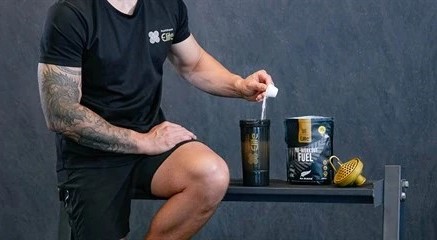
- Electrolytes Are Key: Sweat not only causes water loss but also depletes essential electrolytes like sodium, potassium, and magnesium. To replenish these lost minerals, you can drink sports drinks with electrolytes or opt for natural sources like coconut water, watermelon, or banana smoothies.
- Avoid Caffeine and Alcohol: Both caffeine and alcohol can lead to dehydration, so limit your intake, especially in the summer months. If you do consume them, make sure to compensate with extra water.
- Pre-hydrate Before Exercise: If you plan to exercise outdoors, drink water before you start. A hydrated body is less likely to overheat, and you’ll have more energy to perform.
2. Eat Light, Nutrient-Dense Foods
Hot weather can sometimes reduce appetite, but it’s important to maintain good nutrition. Eating the right foods can help you maintain energy, recover effectively, and stay fit during the summer heat.
- Focus on Fresh Fruits and Vegetables: Summer is a great time to enjoy a variety of fresh, water-rich fruits and vegetables, such as cucumbers, tomatoes, melons, berries, and leafy greens. These foods help hydrate your body and provide vitamins and minerals essential for health and fitness.
- Choose Lean Proteins: While protein is essential for muscle repair and recovery, choose lighter sources like grilled chicken, fish, tofu, tempeh, or legumes. Avoid heavy, greasy meals that make you feel sluggish in the heat.
- Incorporate Whole Grains: Whole grains like quinoa, brown rice, and oats are excellent sources of complex carbohydrates, providing long-lasting energy. Pair them with vegetables and proteins for a balanced meal that will keep you full and energized throughout the day.
- Small, Frequent Meals: Large, heavy meals can leave you feeling lethargic during the summer. Instead, focus on eating smaller daily meals consisting of nutrient-dense, hydrating foods. This will keep your metabolism active and provide sustained energy without making you feel too full.
- Healthy Fats: Remember healthy fats like avocados, nuts, seeds, and olive oil. These provide long-lasting energy and support brain function, which is crucial for maintaining focus during summer workouts.
3. Timing Your Workouts
Exercising at the wrong time of day in hot weather can significantly affect how your body handles the heat. Here are some tips for scheduling your workouts and avoiding overheating:
- Early Morning or Late Evening Workouts: The heat tends to be more manageable early in the morning or later in the evening when the sun is less intense. If you prefer outdoor workouts, schedule them before 8 a.m. or after 7 p.m. to avoid the hottest part of the day.
- Indoor Workouts: If exercising outside in the heat is too difficult, consider switching to indoor activities like swimming, cycling on a stationary bike, or doing home workouts. Air conditioning and fans can make indoor workouts more comfortable while providing the necessary physical activity.
- Shorter, More Intense Sessions: Consider shortening your workout duration during the summer but increasing the intensity. This can help you avoid prolonged exposure to the heat while still getting an effective workout. High-Intensity Interval Training (HIIT) can be a great option.
4. Wear Appropriate Clothing
The proper clothing can make a big difference in staying comfortable and calm during workouts in the heat. Opt for lightweight, breathable fabrics that wick away sweat, such as moisture-wicking sportswear or cotton-based clothes. Here are some tips:
- Light-Colored Clothing: Dark clothing absorbs more heat, while light-colored clothing reflects sunlight, keeping you cooler. Wear white, beige, or pastel colors to minimize heat absorption.
- Protect Your Skin: Wear a hat and sunglasses to shield your face and eyes from direct sunlight. Applying a high-SPF sunscreen to exposed skin is also crucial to avoid sunburn and reduce your risk of skin cancer.
- Loose-Fitting Clothes: Loose clothing allows air to circulate your body, helping you cool down. Tight clothing traps sweat and heat, making it harder to regulate your body temperature.
5. Adjust Your Fitness Routine
Hot weather may necessitate adjustments to your usual fitness routine. It’s essential to listen to your body and make changes as needed:
- Take Frequent Breaks: Your body can overheat quickly in hot conditions. If you exercise outdoors, take regular breaks to cool down in the shade and rehydrate.
- Cross-Training: Switch up your exercise routine to avoid overloading any one muscle group or taxing your body with excessive heat exposure. Activities like swimming, yoga, or cycling can provide variety and reduce joint strain.
- Monitor Your Heart Rate: Heat can elevate your heart rate, so it’s essential to pay attention to how your body is feeling. If you notice signs of dizziness, lightheadedness, or excessive fatigue, stop immediately and rest in a calm environment.
- Cool Down Properly: After exercising in hot weather, cool down. Stretching and strolling can help prevent dizziness and help your body transition back to a resting state.
6. Rest and Recover
Summer heat can stress your body, so proper rest and recovery are even more critical. Make sure you get enough sleep to allow your muscles to repair and replenish your energy stores. Use cooling techniques, such as taking cool showers, using fans, or applying cold compresses, to help lower your body temperature after a workout.
Final Thoughts
Staying fit and nourished during the summer months requires extra attention to hydration, nutrition, and exercise timing. By adjusting your workout schedule, choosing the right foods, and staying hydrated, you can maintain your fitness and health even in the heat.
Listen to your body, stay calm, and don’t push yourself too hard in the extreme heat. Proper planning and preparation allow you to stay healthy and active all summer while enjoying the benefits of good nutrition and fitness.
Important Advisory: Hydration Supplements and Sports Drinks
Before adding hydration supplements or sports drinks to your routine, consult a healthcare provider or nutritionist. Some sports drinks and hydration supplements may contain high levels of sugar, artificial additives, or other ingredients that may not be suitable for everyone. A healthcare professional can help determine if these products are appropriate for your specific needs, considering your activity levels, health conditions, and overall goals.
Furthermore, when purchasing any hydration or sports supplements, ensure they come from trusted sources and have been batch-tested for quality and safety. Always select products certified by reputable organizations to confirm they do not contain harmful substances, contaminants, or banned ingredients. Prioritizing the safety and quality of supplements is vital for maintaining long-term health and optimal performance.
Fitcart believes in True Play and Clean Sport.
#trustedbrandsbetterhealth