


In recent years, intravenous (IV) therapy has moved beyond hospitals and into wellness clinics, luxury spas, beauty centers, and sports recovery facilities. From hydration infusions and vitamin cocktails to beauty-focused drips claiming to enhance skin radiance, IV therapy has become one of the fastest-growing trends in health and wellness.
Article by Fitcart.com
Celebrities, athletes, entrepreneurs, and wellness enthusiasts often promote IV drips as a convenient way to boost energy, support recovery, improve hydration, and enhance overall well-being. But what does science actually say about IV therapy? Who may benefit from it, and how can consumers ensure they receive treatment safely?
Let’s explore the facts behind IV drips and how to choose a qualified provider.
What Are IV Drips?
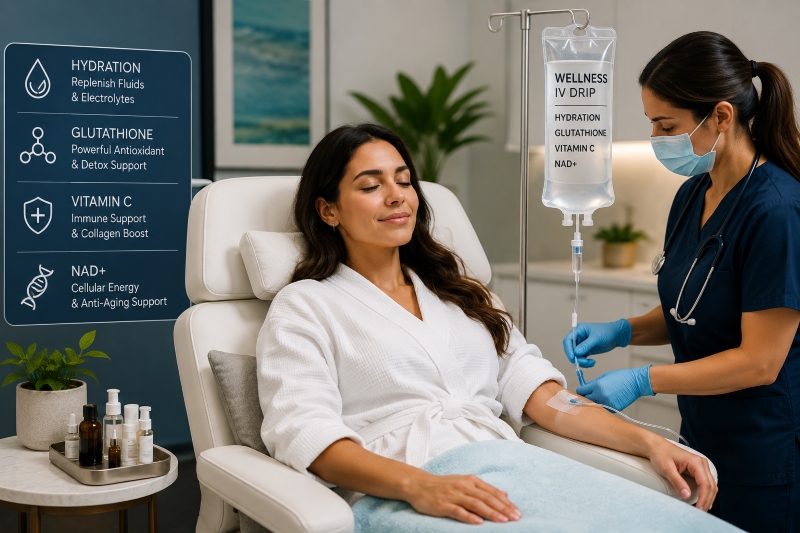
Intravenous (IV) therapy involves delivering fluids, vitamins, minerals, electrolytes, amino acids, or other nutrients directly into the bloodstream through a vein.
Unlike oral supplements, IV-administered nutrients bypass the digestive system, allowing them to enter circulation immediately. This delivery method is widely used in medical settings for treating dehydration, nutrient deficiencies, medication administration, and emergency care.
In the wellness industry, IV drips are commonly marketed for:
- Hydration support
- Energy enhancement
- Recovery after exercise
- Immune support
- Beauty and skin health
- Jet lag recovery
- General wellness optimization
Why Are IV Drips Popular?
Modern lifestyles often involve long working hours, frequent travel, intense exercise routines, inadequate sleep, and high stress levels. These factors can contribute to fatigue, dehydration, and poor recovery.
IV therapy offers a quick and convenient solution that may help replenish fluids and nutrients in certain individuals. Many people report feeling refreshed and rehydrated after treatment, particularly when recovering from dehydration, illness, heat exposure, or strenuous physical activity.
However, it is important to distinguish between evidence-based benefits and marketing claims.
The Science Behind IV Hydration
One of the most well-established uses of IV therapy is hydration.
Medical professionals have used IV fluids for decades to treat dehydration caused by illness, excessive sweating, vomiting, diarrhea, heat stress, and surgical recovery.
Research supports IV fluid administration when rapid hydration is necessary or when individuals cannot adequately hydrate orally.
For healthy individuals who are not dehydrated, drinking fluids and consuming electrolytes may often be sufficient. IV hydration should not be viewed as a replacement for good hydration habits.
IV Vitamins and Nutrient Infusions
Many wellness clinics offer drips containing:
- Vitamin C
- B vitamins
- Magnesium
- Zinc
- Amino acids
- Electrolytes
Certain individuals with diagnosed nutrient deficiencies, malabsorption disorders, or specific medical conditions may benefit from medically supervised nutrient infusions.
For the general healthy population, scientific evidence remains mixed regarding whether routine vitamin IV therapy provides significantly greater benefits than obtaining nutrients through a balanced diet and appropriate supplementation.
While some people report increased energy and improved well-being, experts generally agree that more large-scale clinical research is needed to confirm many of the wellness claims often associated with IV vitamin drips.
Beauty IV Drips: Can They Improve Skin Health?
Beauty-focused IV therapies often contain antioxidants such as vitamin C, glutathione, biotin, and other nutrients associated with skin health.
Vitamin C plays a well-established role in collagen production and antioxidant protection. Adequate intake of vitamin C is important for healthy skin, wound healing, and connective tissue support.
Glutathione has attracted significant attention because of its antioxidant properties. It helps protect cells from oxidative stress and plays an important role in the body’s natural detoxification processes.
However, consumers should be cautious of exaggerated claims regarding anti-aging, skin whitening, or dramatic cosmetic transformation. Current scientific evidence supports the role of antioxidants in overall health, but results can vary significantly between individuals.
Healthy skin is influenced by numerous factors including:
- Nutrition
- Sleep quality
- Sun protection
- Hydration
- Stress management
- Hormonal balance
- Genetics
No single IV treatment can replace these foundational lifestyle factors.
The Most Popular Wellness IV Drips Today
The modern IV wellness industry has evolved beyond simple hydration drips. Today, consumers are increasingly seeking specialized infusions designed to support recovery, beauty, energy, and healthy aging.
Glutathione IV Drips
Glutathione is often referred to as the body’s “master antioxidant.” It is naturally produced in the liver and plays an important role in protecting cells from oxidative stress and supporting detoxification pathways.
Glutathione IV drips have become particularly popular in beauty and wellness clinics because of their potential role in supporting skin health, antioxidant defense, and overall cellular wellness.
Some individuals report improved skin brightness and a healthier complexion following treatment. However, while glutathione is an important antioxidant, consumers should be cautious of exaggerated claims regarding skin whitening or dramatic cosmetic transformation. More high-quality clinical research is needed to establish long-term beauty outcomes. Recent demand for glutathione drips has increased significantly across wellness clinics in India and globally.
NAD+ IV Therapy
NAD+ (Nicotinamide Adenine Dinucleotide) is one of the fastest-growing trends in longevity and performance medicine.
NAD+ is a coenzyme involved in:
- Cellular energy production
- DNA repair
- Mitochondrial function
- Healthy aging processes
Because NAD+ levels naturally decline with age, wellness clinics often market NAD+ infusions for energy, cognitive performance, recovery, and anti-aging support.
The science is promising but still developing. Recent systematic reviews have found that while NAD-related therapies clearly influence biological pathways, there is currently insufficient clinical evidence proving that IV NAD+ therapy produces meaningful anti-aging or wellness outcomes in healthy individuals. Notably, researchers found no large clinical outcome trials specifically evaluating IV NAD+ for anti-aging purposes.
Some users report improvements in mental clarity, focus, and energy, while others notice little difference. Community experiences remain mixed, highlighting the need for more research.
High-Dose Vitamin C IV Therapy
Vitamin C remains one of the most scientifically studied nutrients used in IV wellness therapy.
Vitamin C contributes to:
- Collagen formation
- Skin health
- Immune function
- Antioxidant protection
- Wound healing
When delivered intravenously, vitamin C can achieve blood concentrations many times higher than those possible through oral supplementation. Researchers have shown that IV administration can produce substantially higher plasma levels than oral dosing.
High-dose vitamin C therapy is being investigated in multiple clinical settings, although routine wellness use remains an area where more evidence is needed. While generally well tolerated under medical supervision, high doses may not be suitable for everyone, particularly individuals with certain kidney disorders or specific enzyme deficiencies.
Hydration and Recovery Drips
Hydration blends remain among the most common IV treatments worldwide.
These formulations typically contain:
- Sterile fluids
- Electrolytes
- B vitamins
- Magnesium
- Trace minerals
They are frequently used for:
- Travel recovery
- Exercise recovery
- Heat exposure
- Mild dehydration
- General wellness support
Among all wellness IV therapies, hydration support has the strongest scientific foundation because IV fluids have long been used in clinical medicine to rapidly restore hydration when appropriate.
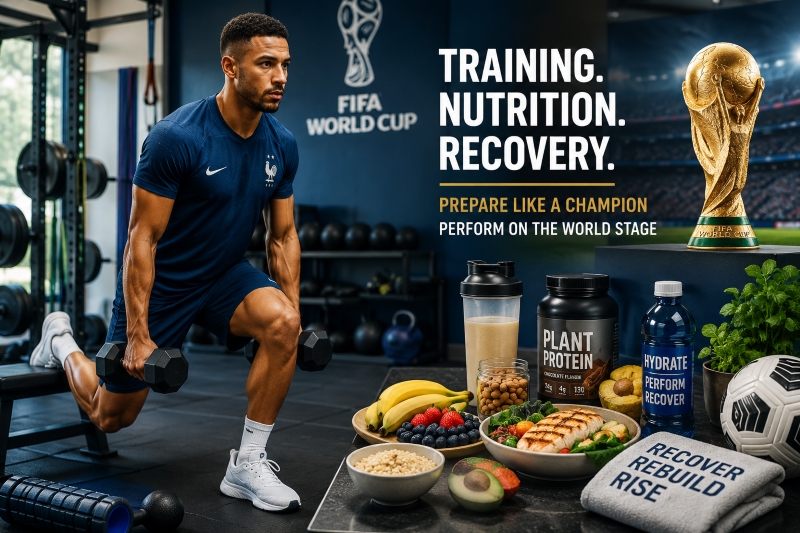
IV Therapy and Athletic Recovery
Athletes often seek rapid recovery following intense training sessions or competition.
Sports-focused IV drips may include:
- Electrolytes
- Amino acids
- Magnesium
- B vitamins
- Fluids
Proper hydration is critical for performance and recovery. In situations involving significant fluid loss, IV hydration may help restore fluid balance more rapidly than oral intake.
However, sports nutrition experts continue to emphasize that daily recovery should primarily be supported through:
- Balanced nutrition
- Adequate protein intake
- Hydration
- Quality sleep
- Recovery training strategies
IV therapy should complement—not replace—these fundamentals.
Are IV Drips Safe?
When administered by qualified healthcare professionals using sterile procedures and medical screening, IV therapy is generally considered safe.
However, IV therapy is still a medical procedure and is not completely risk-free.
Potential risks may include:
- Infection
- Bruising
- Vein irritation
- Allergic reactions
- Electrolyte imbalance
- Fluid overload in susceptible individuals
Individuals with heart disease, kidney disease, liver disease, or certain chronic medical conditions should seek medical advice before undergoing IV therapy.
Who Should Administer IV Therapy?
One of the most important considerations is choosing a qualified provider.
Consumers should look for:
- Licensed physicians
- Registered nurses
- Certified medical practitioners
- Clinics operating under medical supervision
- Proper patient screening procedures
- Sterile equipment and clinical protocols
Avoid providers that:
- Make unrealistic promises
- Claim to cure diseases
- Offer treatment without medical assessment
- Cannot clearly explain ingredients and dosages
A reputable clinic should review your medical history, discuss potential risks, and determine whether IV therapy is appropriate for your individual needs.
Choosing the Right IV Clinic
Because IV therapy is a medical procedure, safety should always come before trends.
Look for clinics that provide:
- Physician oversight
- Registered nurses or licensed medical practitioners
- Medical screening before treatment
- Sterile clinical environments
- Transparent ingredient sourcing
- Clear explanation of benefits and risks
Avoid clinics that:
- Promise miracle anti-aging results
- Guarantee beauty transformations
- Claim to cure diseases
- Skip medical consultations
The best wellness clinics focus on evidence-based care, realistic expectations, and individualized treatment plans rather than marketing hype.
The Bottom Line
IV therapy can be a valuable tool in specific medical, hydration, recovery, and wellness situations. Scientific evidence strongly supports its role in treating dehydration and certain nutrient deficiencies.
For general wellness and beauty applications, some ingredients may offer benefits, but consumers should approach marketing claims with realistic expectations and rely on evidence-based information.
The most effective foundation for long-term health and appearance remains unchanged:
- Nutritious food
- Regular exercise
- Quality sleep
- Stress management
- Hydration
- Preventive healthcare
When used responsibly and administered by qualified healthcare professionals, IV therapy may serve as a useful addition to a comprehensive wellness strategy.
Expert Wellness Perspective
The future of IV wellness likely lies in personalized medicine, where treatments are tailored to individual needs, health status, and laboratory assessments. While therapies such as glutathione, NAD+, and vitamin C are generating considerable interest, they should be viewed as potential tools within a broader wellness strategy—not substitutes for quality nutrition, exercise, sleep, hydration, and preventive healthcare.
FAQ’s
Q: What is the most popular beauty IV drip?
Glutathione and Vitamin C infusions are among the most popular beauty-focused IV treatments due to their antioxidant and skin-supporting properties.
Q: Does NAD+ IV therapy really work?
NAD+ plays an important role in cellular energy production, but clinical evidence supporting wellness and anti-aging claims from IV NAD+ therapy remains limited and continues to be researched.
Q: Are IV drips better than oral supplements?
IV therapy delivers nutrients directly into the bloodstream, but this does not necessarily mean better long-term outcomes for healthy individuals. The best approach depends on individual health needs and professional medical advice.
Q: Who should administer IV drips?
IV drips should only be administered by qualified healthcare professionals such as licensed physicians and registered nurses operating in a properly regulated clinical environment.
Wellness Advisory
IV therapy should always be administered by a licensed and appropriately trained healthcare professional operating within a regulated medical environment. Consumers should verify practitioner credentials, understand the ingredients being administered, disclose any medical conditions, and seek personalized medical advice before undergoing treatment. IV drips are not a substitute for a balanced diet, healthy lifestyle, or professional medical care.
Medical Disclaimer: This article is for educational purposes only and does not constitute medical advice. Always consult a qualified healthcare professional before undergoing IV therapy or any wellness treatment.
Fitcart believes in True Play and Clean Sport
#trustedbrandsbetterhealth