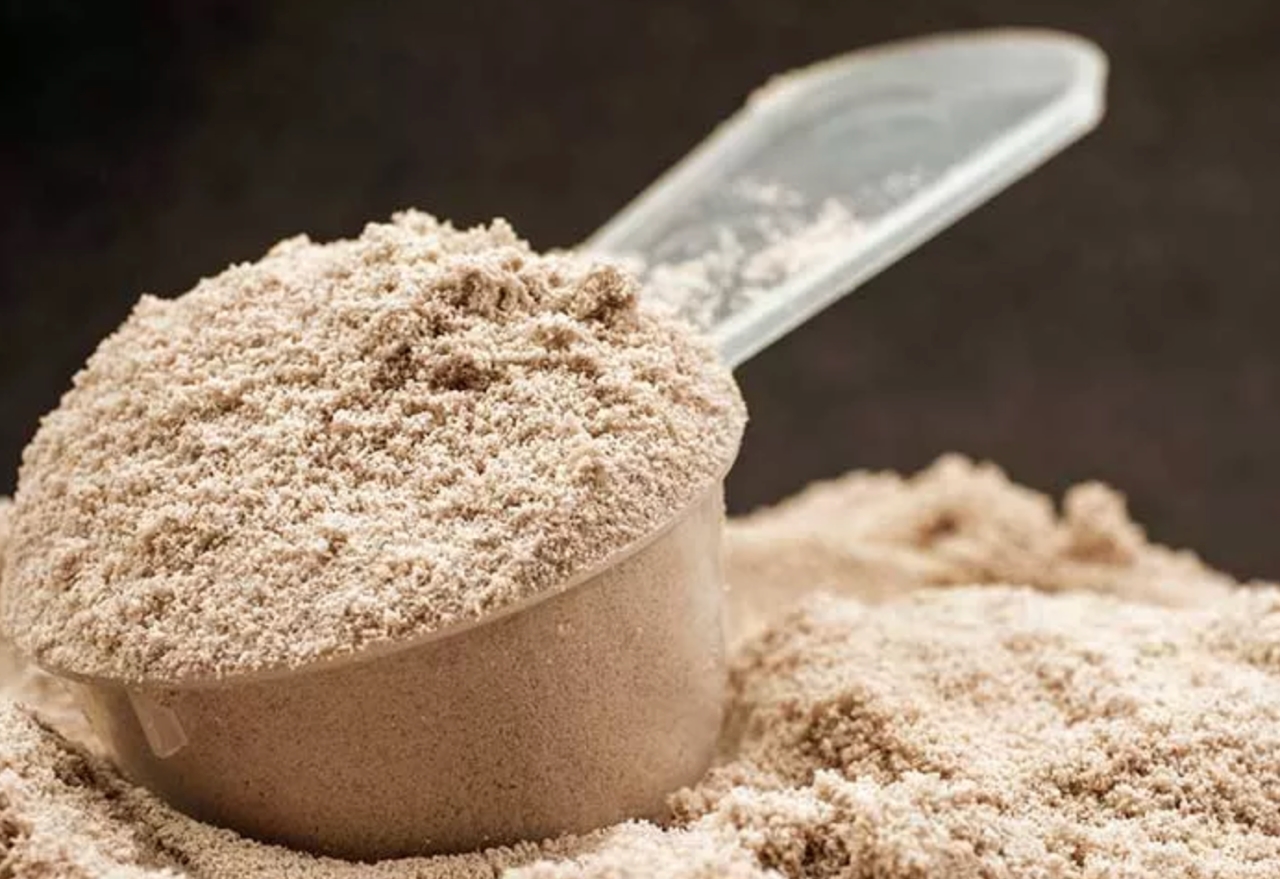



The fitness industry in India has seen exponential growth in recent years, leading to a surge in demand for protein powders and supplements. Unfortunately, this popularity has also resulted in a rise in counterfeit products, which not only fail to deliver results but can pose serious health risks. Here’s a comprehensive guide to help you identify fake supplements and ensure you buy only trusted, batch-tested products.
Article by Fitcart.com
Why Fake Supplements Are a Problem
Fake supplements often contain harmful ingredients, substandard raw materials, or incorrect dosages. These products can cause:
- Health issues like liver damage, kidney strain, or allergic reactions.
- Ineffectiveness, wasting your money and effort.
- Trust issues, making it difficult to rely on the industry.
In India, the issue is exacerbated by the presence of numerous local businesses and e-commerce platforms selling counterfeit supplements. These products often appear genuine but lack the quality and safety of authentic brands.
Signs of Fake Supplements
1. Unusually Low Price
If a supplement is priced significantly lower than its market value, it’s likely fake. Quality supplements are made with high-grade ingredients, which come at a cost.
2. No Batch or Lot Number
Legitimate supplement brands print batch or lot numbers on their products for quality assurance and traceability. Always verify this number with the manufacturer or on the brand’s website.
3. Incorrect or Missing Labels
- Spelling errors or poorly printed labels are red flags.
- Check for a valid FSSAI (Food Safety and Standards Authority of India) certification.
- Look for other marks like GMP (Good Manufacturing Practice) or NSF certification.
4. Unsealed or Tampered Packaging
Always inspect the seal and packaging. Broken seals, loose lids, or poor packaging quality are indicators of counterfeit products.
5. Mixability and Taste
Fake protein powders often clump and have an unnatural taste or smell. They may also leave a chalky residue when mixed with water.
6. Authenticity Codes and Holograms
Many reputed brands include QR codes, holograms, or scratch codes to verify authenticity. Check these codes using the brand’s official app or website.
How to Avoid Buying Fake Supplements
1. Buy from Authorized Sellers
- Always purchase from authorized retailers or official websites.
- Avoid buying from local stores or online marketplaces without proper verification.
2. Check for Batch Testing
Trusted brands perform batch testing for purity and safety. Look for third-party lab test certifications or reports on the brand’s website.
3. Educate Yourself
Knowledge is power. Platforms like Fitcart.com not only provide genuine supplements but also educate consumers with science-backed knowledge about supplements. This ensures that buyers make informed choices and understand what their bodies need.
4. Research the Brand
- Opt for well-known, reputed brands with good customer reviews.
- Avoid unknown or new brands offering “miracle” claims.
5. Verify Manufacturer and Importer Details
- Check the manufacturer’s name, address, and contact information on the label. Missing or incomplete details are a red flag.
- For international brands, ensure the product is imported by an authorized distributor.
Trusted Supplement Sources in India
If you want to avoid fake products, consider reliable platforms such as Fitcart.com and Smart Nutrition India. These companies have been working with elite athletes and federations since 2006, providing safe, batch-tested, and trusted global brands. Unlike many local businesses selling counterfeit products, Fitcart.com also focuses on educating consumers, empowering them with scientifically-backed information to make informed choices.
What to Do if You Spot a Fake Supplement
- Report to Authorities: Notify the FSSAI or local consumer protection bodies.
- Inform the Brand: Share details with the manufacturer to help them track counterfeit products.
- Avoid Consumption: Stop using the product immediately to prevent health risks.
Conclusion
The rise of fake supplements in India calls for vigilance and awareness. By staying informed, inspecting labels, and buying only from trusted sources like Fitcart.com and Smart Nutrition India, you can protect yourself from counterfeit products and ensure your fitness journey is safe and effective. Additionally, platforms like Fitcart.com not only offer genuine supplements but also educate consumers, fostering a safer and more informed fitness community.
Remember, your health is priceless—don’t compromise for a cheaper deal. Stay informed, stay safe, and stay healthy!
Fitcart believes in True Play and Clean Sport
#trustedbrandsbetterhealth