


Protein is an essential macronutrient critical in maintaining healthy body functions, from muscle repair to hormone production. Protein needs change across different life stages for women due to age, activity level, and pregnancy. Understanding your protein requirements can help ensure you meet your body’s needs at every stage of life.
Article by Fitcart.com
While whole foods are the best source of protein, protein supplements like protein shakes can be a convenient and effective way to meet your daily protein intake, especially during periods when dietary sources may not suffice. This article will break down the protein needs of women across various ages and stages and show how protein supplements can help bridge the gap when needed.
General Protein Recommendations for Women
The Recommended Dietary Allowance (RDA) for protein varies based on weight, age, and activity level. For most healthy adult women who are not pregnant or breastfeeding, the general recommendation is:
- 0.8 grams of protein per kilogram of body weight per day.
- For example, a woman weighing 70 kg (154 lbs) would need approximately:
- 56 grams of protein per day (70 kg × 0.8 g).
- However, protein needs can increase during pregnancy, breastfeeding, and as women age. Let’s look closer at protein requirements by age and stage and how protein supplements such as shakes can help meet these needs.
1. Protein Needs for Women in Their 20s and 30s
Protein intake supports muscle growth, metabolic health, and overall well-being in early adulthood.
- Protein needs: 0.8–1.0 grams per kilogram of body weight per day.
- Average protein intake for a woman weighing 60 kg (132 lbs): 48–60 grams daily.
Why it’s important:
- Muscle development: Protein is essential for muscle repair and growth, especially for women in strength training or other physical activities.
- Metabolism: Adequate protein intake supports metabolic function and helps maintain weight by promoting fullness and reducing cravings.
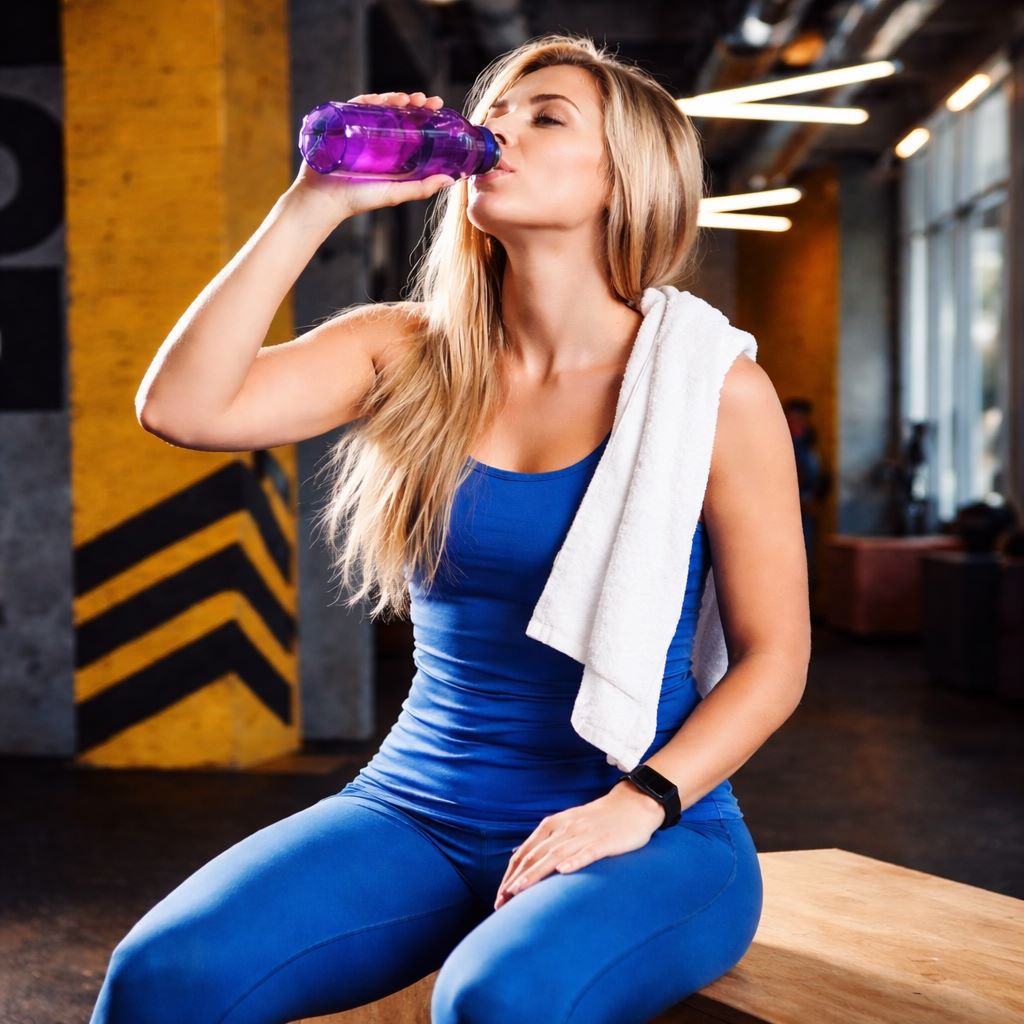
Using Protein Supplements: For active women or those struggling to meet their daily protein needs through food alone, protein shakes can be a convenient option. Many protein shakes offer 20-30 grams of protein per serving, which can be easily added to breakfast, post-workout, or as a snack. For instance, a post-workout shake can enhance muscle recovery and growth by providing an easily digestible source of protein.
2. Protein Needs During Pregnancy
Pregnancy increases protein requirements for fetal growth, placental development, and the mother’s increased blood volume.
- Protein needs: 1.1 grams per kilogram of body weight per day.
- Average protein intake for a woman weighing 65 kg (143 lbs): 71 grams daily.
Why it’s important:
- Fetal development: Protein is crucial for developing the baby’s muscles, organs, and tissues.
- Maternal health: Increased protein helps with the changes in the mother’s body, including blood volume expansion and tissue growth.
Using Protein Supplements: For pregnant women who have difficulty meeting protein requirements through food alone, protein shakes can be a helpful addition. Look for shakes designed for pregnancy containing additional nutrients like folate, iron, and calcium to support maternal and fetal health. A shake after a meal can help you easily reach your daily protein target.
3. Protein Needs During Breastfeeding
Breastfeeding mothers need additional protein to support milk production and the body’s recovery after childbirth.
- Protein needs: 1.3 grams per kilogram of body weight per day.
- Average protein intake for a woman weighing 65 kg (143 lbs): 84 grams daily.
Why it’s important:
- Milk production: Protein is essential for producing high-quality breast milk.
- Energy and recovery: Protein helps restore energy levels and rebuild tissues after childbirth.
Using Protein Supplements: Breastfeeding women can benefit from protein shakes if their protein intake from food is insufficient. Many protein shakes now contain added nutrients, such as vitamins and minerals, that are beneficial for lactation. Protein shakes provide an easy and portable way to increase protein intake without sitting for a complete meal.
4. Protein Needs for Women in Their 40s and 50s
As women enter their 40s and 50s, changes in hormone levels, particularly the decrease in estrogen during the approach to menopause, can affect muscle mass and metabolism. Protein intake becomes more crucial during this period to preserve muscle mass and maintain overall health.
- Protein needs: 1.0–1.2 grams per kilogram of body weight per day.
- Average protein intake for a woman weighing 65 kg (143 lbs): 65–78 grams daily.
Why it’s important:
- Muscle preservation: Women naturally lose muscle mass with age, a condition known as sarcopenia. Adequate protein intake helps prevent this muscle loss and supports strength.
- Bone health: Protein, in combination with calcium and vitamin D, plays a role in maintaining bone density.
- Metabolism: Protein helps manage weight and reduce the risk of obesity, which can be exacerbated by slower metabolism during this period.
Using Protein Supplements: As protein needs increase with age, a protein shake can quickly and conveniently boost intake. Many older women find it easier to consume protein through shakes, especially if chewing or preparing meals becomes difficult. Protein supplements with added collagen, vitamin D, or calcium can also support bone and joint health.
5. Protein Needs During Menopause and Beyond
Menopause typically occurs between the ages of 45 and 55, signaling the end of a woman’s reproductive years. During and after menopause, protein becomes even more critical to combat muscle loss and maintain metabolic health.
- Protein needs: 1.2–1.5 grams per kilogram of body weight per day.
- Average protein intake for a woman weighing 70 kg (154 lbs): 84–105 grams daily.
Why it’s important:
- Muscle and bone health: With the decline in estrogen during menopause, women become more susceptible to muscle loss and osteoporosis. Protein helps preserve muscle mass and strength and maintain healthy bones.
- Weight management: Protein helps with satiety, reduces the risk of weight gain during menopause, and supports fat loss when combined with exercise.
Using Protein Supplements: Protein shakes can be a powerful tool for women in this age group. A high-protein shake after a workout can support muscle retention, while a protein snack between meals can curb hunger and prevent overeating. Many protein powders now contain added vitamins and minerals like magnesium, vitamin K, and calcium, which are particularly beneficial for women at risk of osteoporosis.
6. Protein Needs for Women Over 70
As women age beyond 70, maintaining muscle mass and mobility becomes increasingly important. Sarcopenia accelerates with age, and protein is essential for muscle preservation, joint health, and overall quality of life.
- Protein needs: 1.2–1.5 grams per kilogram of body weight per day.
- Average protein intake for a woman weighing 70 kg (154 lbs): 84–105 grams daily.
Why it’s important:
- Preserving mobility and strength: Maintaining muscle mass supports balance, reduces the risk of falls, and promotes independence.
- Immune function: Protein plays a key role in supporting immune function, which tends to weaken with age.
Using Protein Supplements: Protein shakes are a simple and easy way for elderly women to ensure adequate protein intake, particularly if their appetite is diminished. Many older adults also have difficulty chewing or swallowing certain protein-rich foods, making liquid supplements a highly convenient alternative. Additionally, meal replacement shakes that contain protein, vitamins, and minerals can help ensure balanced nutrition.
Conclusion
Protein is a cornerstone of health at every age, and its importance only increases as women move through different life stages. From supporting muscle mass during early adulthood to preserving strength and bone health during menopause and beyond, protein needs evolve throughout a woman’s life.
Protein supplements, like protein shakes, can be a convenient and effective way to meet these needs, mainly when dietary intake alone isn’t sufficient or practical. Whether pregnant, breastfeeding, or navigating menopause, a protein shake can help you quickly hit your daily protein target without requiring extensive meal preparation.
By incorporating protein shakes and focusing on protein-rich whole foods, women can ensure they meet their nutritional needs and maintain health throughout their lifespan.
Always consult a healthcare provider or nutritionist to determine the right amount of protein for your unique needs, especially if you have underlying health concerns.
Purchasing supplements and proteins from a trusted source that have been batch-tested to meet international standards and are clean labeled with an extended expiration date is recommended.
Fitcart believes in True Play and Clean Sport