


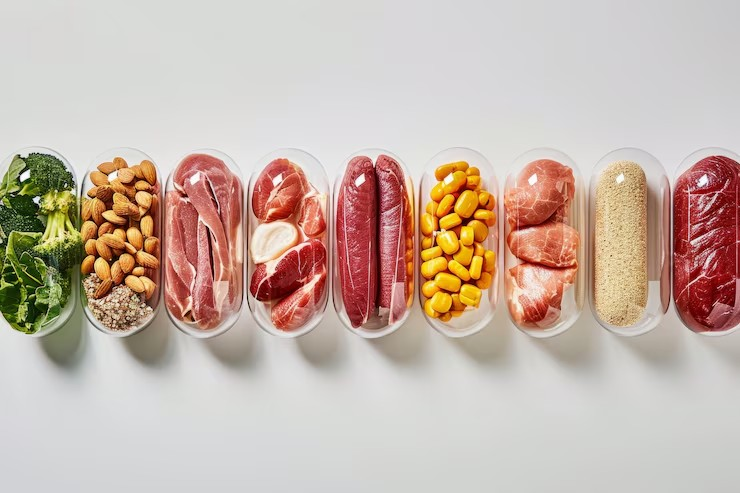
A recent review published in Nutrition Reviews highlights the comparative influences of animal and plant-based proteins on muscle development. The findings suggest that animal protein could contribute to as much as 60% more muscle growth than its plant counterpart. This review has ignited debates within the nutrition and fitness sectors, especially among those opting for plant-based diets for health, ethical, or environmental factors. This article summarizes the study’s main findings, examining why animal protein is more effective for muscle building and discussing how plant-based options can also be beneficial.
Article by Fitcart.com
Protein and Its Role in Muscle Growth
Proteins are essential for muscle repair and growth because they provide the building blocks necessary for repairing muscle fibers after exercise. The process of muscle protein synthesis (MPS) is activated when the body receives a sufficient supply of amino acids, which are the components of protein. Both animal and plant proteins can promote MPS, but their efficiency may vary. A study published in Nutrition Reviews examined how much each protein source contributes to muscle growth, especially in individuals involved in strength training or resistance exercises.
Key Findings from the Nutrition Reviews Study
This detailed review examined numerous studies that compared the effectiveness of animal and plant proteins in promoting muscle growth. The results were remarkable: animal protein was linked to as much as 60% greater muscle growth compared to plant protein. Multiple factors account for this notable difference:
1. Amino Acid Profile: One of the primary reasons animal proteins outperform plant proteins in promoting muscle growth is their amino acid composition. Animal proteins, such as those from meat, eggs, and dairy, provide all nine essential amino acids in optimal amounts, which are crucial for muscle protein synthesis. Among these amino acids, leucine is particularly important in stimulating muscle protein synthesis (MPS), and animal proteins generally have a higher leucine content. Plant proteins, while containing all essential amino acids, often fall short in one or more, particularly their leucine concentrations. For example, grains like rice or wheat are low in lysine, while legumes may lack sufficient methionine. Although combining different plant-based foods can create a more complete amino acid profile, animal proteins inherently offer a more efficient and readily available source for muscle-building.
2. Bioavailability refers to the body’s ability to absorb and utilize the protein consumed. Animal proteins generally have higher bioavailability than plant proteins, meaning that the body effectively uses a greater proportion of protein from animal sources for muscle repair and growth. In contrast, plant proteins often contain fiber and antinutrients (such as phytic acid) that can interfere with protein absorption, reducing their overall muscle-building potential.
3. Protein Quality and Quantity: Animal-based proteins are generally more concentrated in protein per serving compared to most plant-based sources. For example, a 3-ounce serving of chicken provides around 21 grams of protein, while the same amount of lentils offers about 18 grams. Consequently, individuals consuming plant-based proteins may need to eat larger volumes of food to achieve similar levels of protein intake. This increased food volume can sometimes make it more challenging to meet daily protein needs for muscle growth on a plant-based diet.
4. Insulin-like Growth Factor (IGF-1) is a hormone essential for muscle growth, as it encourages muscle tissue development. Research indicates that animal proteins increase IGF-1 levels more effectively than plant proteins, thereby enhancing muscle protein synthesis. This hormonal reaction reinforces the greater muscle-building benefits of animal-based protein sources.
Optimizing Muscle Growth with Plant-Based Proteins
Although animal proteins offer benefits, plant-based diets can promote significant muscle growth when strategically adopted. Here are several methods to boost the muscle-building potential of plant proteins:
1. Protein Blending: Individuals can create a more complete amino acid profile by combining different plant protein sources. For instance, pairing beans with rice or lentils with quinoa can provide a more balanced ratio of essential amino acids, making plant proteins more effective for muscle growth.
2. Higher Protein Intake: Since plant proteins are often less bioavailable and concentrated than animal proteins, individuals on a plant-based diet may need to consume higher quantities of protein to achieve the same muscle-building benefits. Incorporating various plant-based, protein-rich foods throughout the day can help meet these needs.
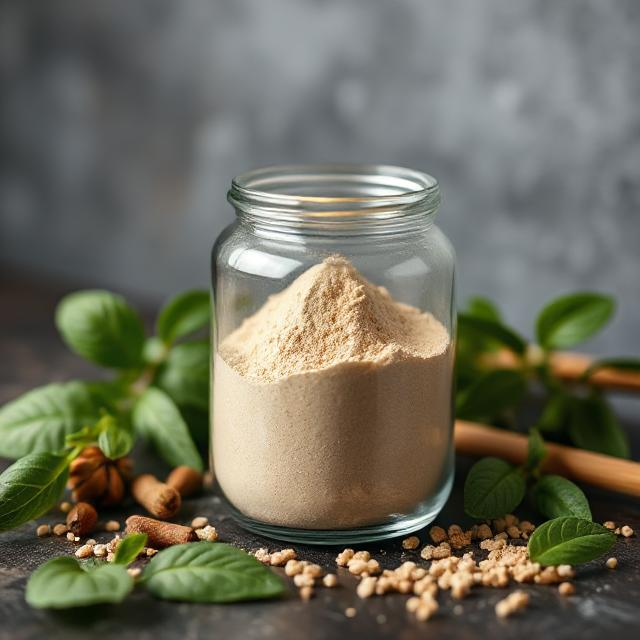
3. Use of Plant Protein Supplements: For individuals seeking a more concentrated protein source, plant-based protein supplements—such as those derived from pea, hemp, or brown rice—can be a helpful addition to a diet. These supplements provide a convenient way to increase protein intake without requiring large food portions.
4. Emphasizing Leucine-Rich Foods: Leucine, an essential amino acid, plays a crucial role in promoting muscle protein synthesis. Plant-based sources such as soy, lentils, and specific seeds provide greater leucine levels compared to other plant foods. Adequate leucine intake can enhance the muscle-building potential of plant proteins.
Conclusion
The Nutrition Reviews study provides compelling evidence that animal proteins are more effective than plant proteins in promoting muscle growth, with up to 60% greater gains observed. This is primarily due to the superior amino acid profile, higher bioavailability, and more concentrated protein content in animal-based sources.
However, plant-based diets can effectively support muscle growth if well-planned. By combining various plant protein sources, increasing overall protein intake, and prioritizing foods or supplements rich in leucine, individuals on plant-based diets can achieve impressive muscle development.
Ultimately, animal and plant proteins can be part of a balanced, muscle-building diet, but understanding their differences can help individuals make informed choices to maximize their results. Whether choosing animal or plant-based options, protein quality and quantity remain essential for effective muscle growth.
Ultimately, your nutritional choices depend on your health and fitness goals, and everyone’s body composition varies. Whether you choose animal or plant-based options, the quality and quantity of protein are essential for effective muscle growth. Understanding your unique needs and preferences will guide you in making the best decisions for your health and fitness journey.
Advisory:
Before starting any nutritional or health program, it is essential to consult with a healthcare professional to ensure that the approach is suitable for your specific needs, health conditions, and goals.
Credits to Nutrition Reviews Study
Fitcart believes in True Play and Clean Sport.
#trustedbrandsbetterhealth