


Ageing isn’t just wrinkles and grey hair. Biologically, we’re talking about cellular damage, inflammation, oxidative stress, telomere shortening, mitochondrial dysfunction, loss of proteostasis, cellular senescence, etc. Interventions that can modulate one or more of these hallmarks may slow the ageing process or extend healthspan — the years lived in good health. Below are several nutrients / compounds that have promising evidence.
Article by Fitcart.com
What they are: Long-chain omega‑3 polyunsaturated fatty acids (PUFAs) such as EPA (eicosapentaenoic acid) and DHA (docosahexaenoic acid) from oily fish or algae, plus “marine n‑3 FAs.”
How they might slow ageing:
- Reduced inflammation and oxidative stress, which damage cells.
- Associations with healthier ageing (fewer chronic diseases, better physical & cognitive function).
- Potentially helping preserve telomere length (telomeres are protective caps on chromosomes that shorten with each cell division; shorter telomeres are associated with ageing and disease)
Magnesium
What it is: A mineral required in many biochemical processes, including energy production, DNA repair, regulation of inflammation, etc.
What it is: Creatine is a compound that helps regenerate ATP, the main cellular energy currency, especially for high demand cells (muscle, brain).
How it might help slow ageing:
- Helps maintain muscle mass and strength. Loss of muscle (sarcopenia) is a big contributor to frailty and decline in older adults.
- Might protect mitochondrial function under stress.
- Possible cognitive benefits via better energy supplies to brain cells and perhaps antioxidant effects.
Vitamin C
What it is: A powerful antioxidant, essential for collagen formation, immune function, etc.
How it might slow ageing:
- By neutralizing reactive oxygen species (ROS) and reducing oxidative damage to DNA, lipids, proteins.
- Suppression of inflammatory pathways.
- Maintaining skin, blood vessel, immune system integrity.
What it is: Fat‑soluble vitamin produced in skin under sunlight, also obtained from diet/supplements. Important for bones, immune system, cell growth regulation.
How it may slow ageing:
- Reduces inflammation and may protect DNA, telomere length.
- Supports immune resilience, reduces risk of age‑related diseases (cardiovascular, autoimmune, some cancers).
- Maintains bone strength, preventing fractures (which are a big risk in later life).
NAD⁺ (Nicotinamide Adenine Dinucleotide)
What it is: A coenzyme present in all living cells, crucial for energy metabolism, DNA repair, signalling (including sirtuins, PARPs), mitochondrial function. NAD⁺ levels decline with age.
How boosting NAD⁺ may slow ageing:
- Improved mitochondrial function, better handling of oxidative stress.
- Enhanced DNA repair and maintenance.
- Activation of sirtuins and other longevity‑associated pathways.
- Possibly delaying cellular senescence, improving metabolic health.
Curcumin
What it is: A bioactive compound from turmeric (Curcuma longa), with antioxidant, anti‑inflammatory properties.
How it might help slow ageing:
- Reduces inflammation, oxidative stress.
- May help reduce amyloid plaques, neuroinflammation in the brain.
- Might improve cognitive function in some domains.
Practical Takeaways
To make the most of what’s known so far, here are suggestions:
- Baseline matters. If you are low in one of these nutrients (deficient or poor diet), raising to adequate levels tends to bring more benefit than super‑high doses in already sufficient people.
- Lifestyle synergy. Diet, physical activity, adequate sleep, stress management all interact with these nutrients. For example, creatine works better alongside resistance training, vitamin D effects may depend on baseline exposure (sunlight, diet), omega‑3 plus lower inflammatory load helps.
- Moderation & safety. More is not always better. Always consider upper limits, possible interactions (especially for people with kidney issues, certain diseases, or medication).
- Biomarkers are promising but not perfect. Telomere length, epigenetic clocks, inflammatory markers give early signals, but long‑term studies linking these nutrients to morbidity/mortality are fewer.
- Personal variation. Genetics, age, existing health status, diet all influence how someone responds.
Conclusion
The science increasingly supports that Omega‑3s, Magnesium, Creatine, Vitamins C & D, NAD⁺ precursors, and Curcumin each offer mechanisms and emerging human data showing they may help reduce biological ageing processes — from inflammation and oxidative stress to DNA repair and mitochondrial function. None are miracle cures, but combined with exercise, good nutrition, sleep, and stress management, they become powerful allies in maintaining healthspan.
⚠️ Important Advisory
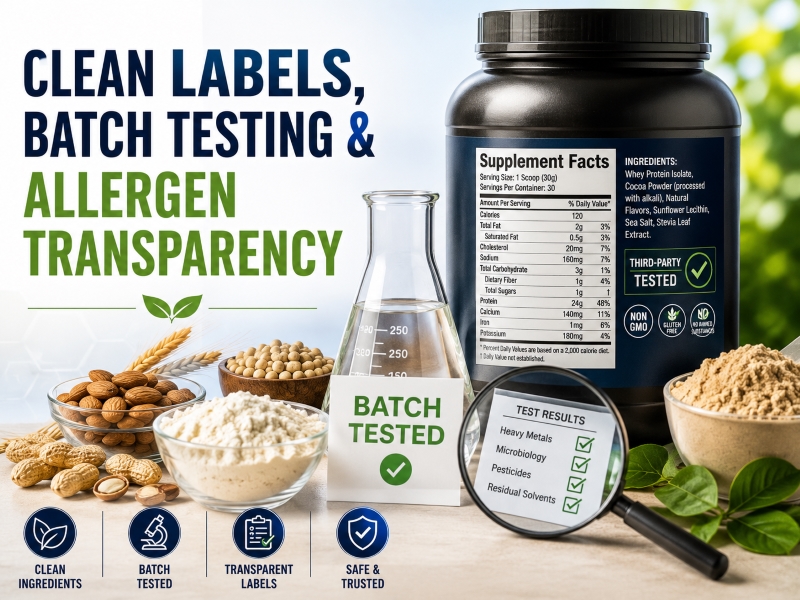
Before beginning any new supplement, nutrition, or training program, consult a qualified healthcare provider, especially if you have pre-existing health conditions, take medications, or are pregnant/breastfeeding. For supplements, always choose third-party tested products (e.g., Informed-Sport, NSF Certified for Sport, or BSCG batch-tested) to ensure purity, potency, and absence of banned or harmful substances.
Fitcart believes in True Play and Clean Sport.
#trustedbrandsbetterhealth