


Article by Body Science & Greg Young.
What’s the difference? What the science says. And which one fits your training.
What does each do?
Do you need both?
Is one better for strength, recovery, or gut health?
Here’s the clean answer, without hype.
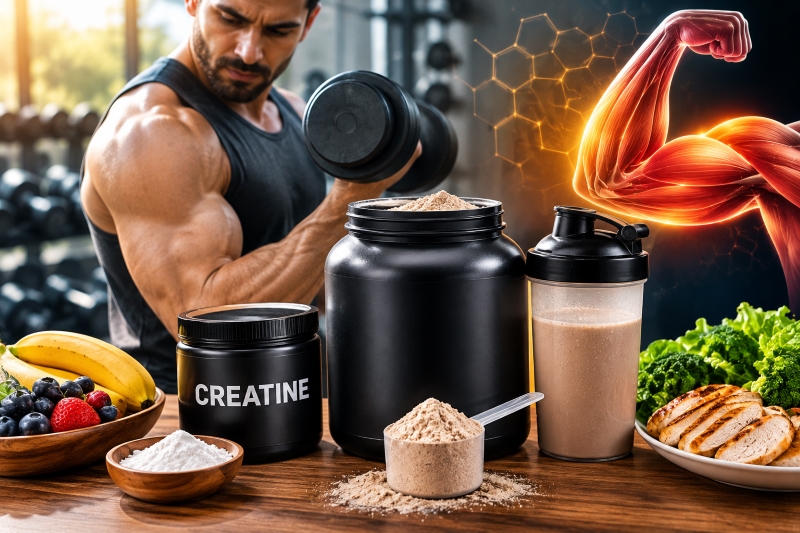
What is Creatine?
Creatine is one of the most researched supplements in sport.
It’s found naturally in muscle cells and helps regenerate ATP, your body’s rapid energy source.
What is Creatine known for?
- Supporting strength and power output
- Improving repeat sprint and lifting performance
- Supporting lean mass gains when combined with training
- Backed by decades of human research
Creatine does not work overnight. It works through consistency.
That’s why dosing and quality matter.
Typical dose: ~3–5 g daily
Best use: Every day, not just training days
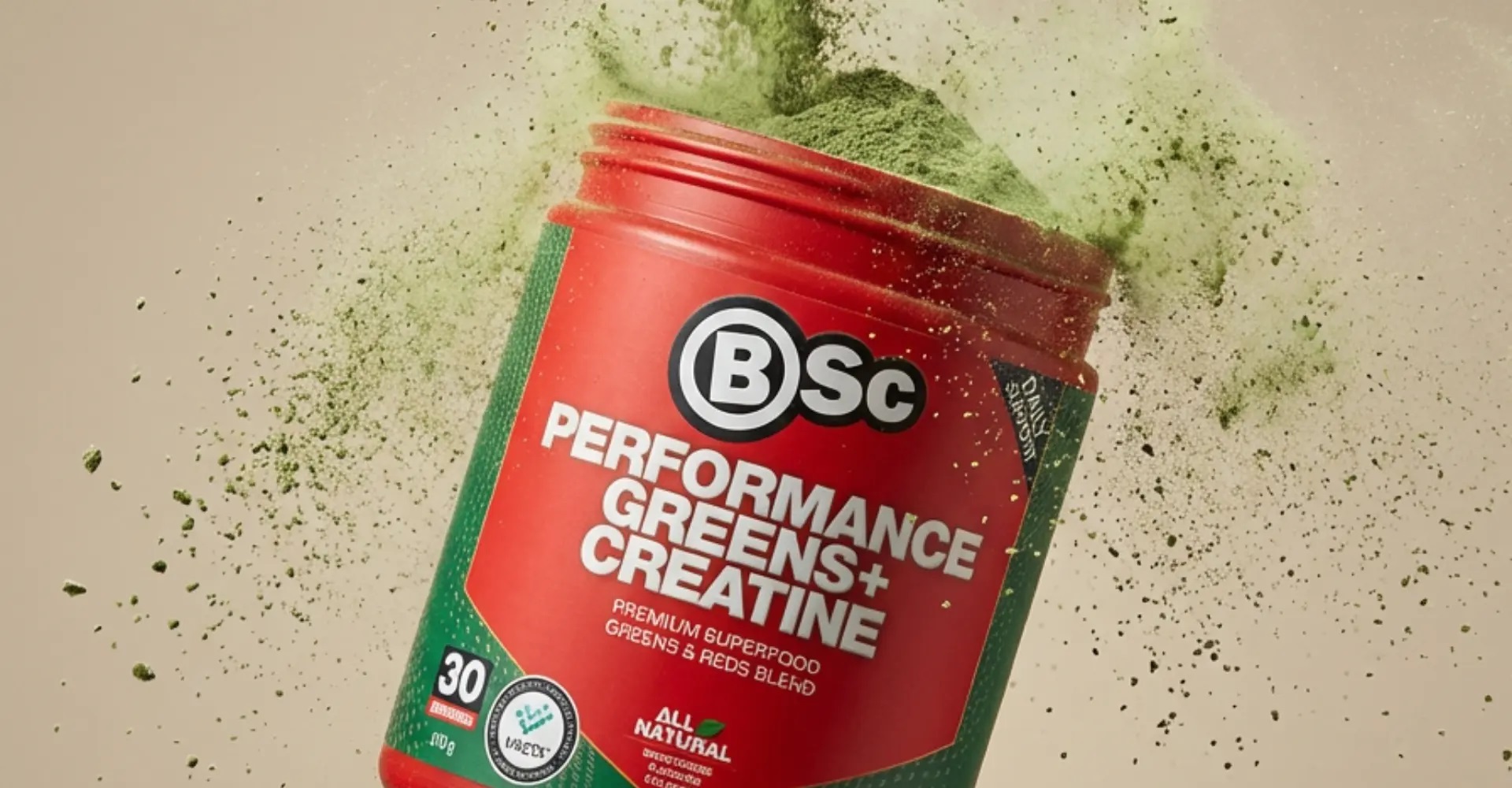
BSc uses micronised creatine monohydrate, the most studied and reliable form, with HASTA certification and batch testing, so athletes know exactly what’s on the label.
What is Glutamine?
Glutamine is the most abundant amino acid in the body.
It plays a role in immune function and gut lining integrity.
During intense training, illness, or calorie restriction, glutamine demand can increase.
What is Glutamine known for?
- Supporting gut health and intestinal barrier function
- Supporting immune health during heavy training loads
- Playing a role in recovery during high-stress periods
Glutamine is not a muscle-builder on its own. It’s more about keeping the system running smoothly when training, work, and life stack up.
Typical dose: ~5 g once or twice daily
Best use: Around periods of high stress, sickness, or heavy volume blocks
Side by side
Creatine
- Performance focus: strength, power, repeat efforts
- Best for: gym training, team sports, sprint work, HYROX, CrossFit
- Outcome: train harder, recover better between sets
Glutamine
- Support focus: gut health, immune support, recovery
- Best for: endurance blocks, dieting phases, gut sensitivity
- Outcome: stay consistent when stress is high
Different tools. Different jobs.
Do you need both?
Sometimes.
If your training demands are high and recovery is stretched, stacking them can make sense.
Examples:
- Heavy strength training + calorie deficit
- Multiple sessions per day
- Endurance blocks with gut stress
- Long competition seasons
Creatine fits when performance and progression matter.
Glutamine fits when recovery and gut health need support.
Search behaviour shows people don’t just want benefits.
They want reassurance.
That’s why drug testing, batch testing, and label transparency matter, especially for competitive athletes.
BSc products are HASTA certified, batch tested, and clearly dosed, so athletes know exactly what they’re taking and why.
No blends hiding behind numbers.
No guesswork.
How BSc approaches supplementation
We don’t push ingredients.
We build systems.
- Train hard
- Recover properly
- Fuel consistently
- Keep it clean
Final takeaway
Creatine and glutamine are not competitors.
They serve different roles.
Creatine helps you do more work.
Glutamine helps you handle the load.
Get the basics in place first. Then, choose based on what your training actually demands right now and commit to consistency.
Follow us on X: https://x.com/fitcartofficial and Instagram: https://www.instagram.com/fitcartofficial/ for the latest updates, health insights, and exclusive content.
Follow Smart Nutrition India X: https://x.com/SmartNutrition1 and Instagram: https://www.instagram.com/smartnutritionindia/ for trusted sports nutrition, supplement education, wellness tips, and the latest news from the world of health and performance.
Fitcart believes in True Play and Clean Sport
#trustedbrandsbetterhealth